Picking the right floor lamp for a dim room can feel tricky, especially if you’re new to home decorating. You want a lamp that makes your space feel cozy and bright, not just another dark corner. This guide will make it super simple to find exactly what you need.
We’ll walk you through it step by step, so you can easily brighten up any room. Get ready to see your dark spaces in a whole new light!
Key Takeaways
- Learn how the size of your room affects the lamp you pick.
- Discover different types of light bulbs and what they do best for dark rooms.
- Understand how lamp shades help spread light where you need it.
- Find out how lamp styles can match your room’s look.
- Get tips on how to place your lamp for the best brightness.
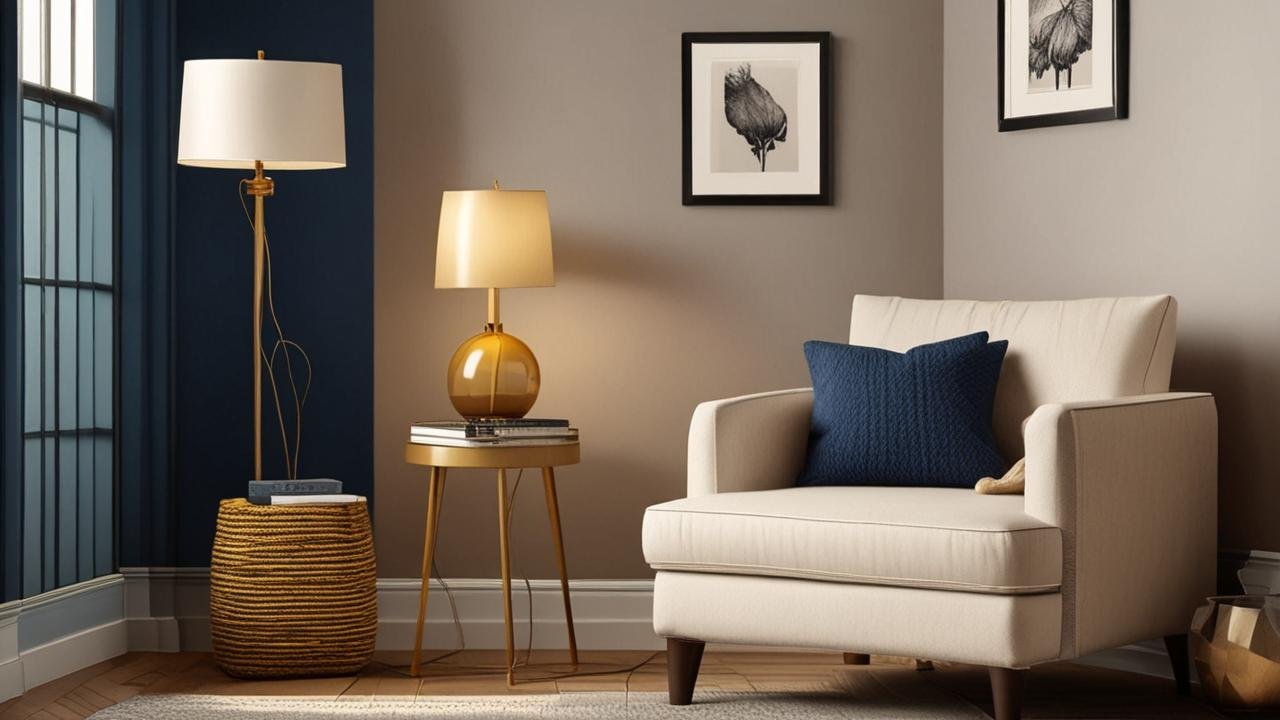
Making Your Dark Room Brighter with the Right Floor Lamp
Dark rooms can feel gloomy and uninviting, making them hard to use for reading, working, or just relaxing. The goal is to add light that feels warm and helpful without creating harsh shadows. Choosing a floor lamp is a great way to do this because they are flexible and can be moved easily.
This section explores the main things to think about when you’re trying to figure out How to Choose the Best Floor Lamp for a Dark Room.
Room Size and Lamp Scale
The size of your room is a big deal when picking a floor lamp. A tiny lamp in a huge room won’t do much to help with brightness. On the flip side, a giant lamp in a small room can feel overwhelming and make the space seem even smaller.
- Consider the Height: Taller lamps can spread light higher, making a room feel more open. Shorter lamps are better for smaller areas or to place next to a chair for reading. A good rule of thumb is to have the top of the lampshade at eye level when you are seated. This helps direct light where you need it most for tasks like reading.
- Think About the Base: A wide base provides stability, which is important for taller lamps. A slim base might fit better in tight spaces. For very dark rooms, look for lamps that have a wider reach, perhaps with an adjustable arm, so you can direct light where it’s most needed.
- Match the Room’s Proportions: Imagine the lamp in your room. Does it look like it belongs? A lamp that’s too small will be lost, while one that’s too big will dominate the space. Aim for a balance that feels right for the overall size and furniture layout of your room.
Understanding Light Bulbs for Dark Rooms
The type of light bulb you use in your floor lamp makes a huge difference in how bright and how the light looks. For dark rooms, you want bulbs that give off plenty of light and a color that feels welcoming.
- Lumens: This measures how bright a bulb is. For a dark room, you’ll want bulbs with a higher lumen count. Look for bulbs that offer at least 800-1100 lumens for general lighting. If the lamp is for reading, you might want even more, around 1100-1600 lumens, to ensure good visibility without straining your eyes.
- Color Temperature (Kelvin): This is about the color of the light. A lower Kelvin number (like 2700K) gives a warm, yellowish light, similar to an old incandescent bulb. A higher Kelvin number (like 5000K) gives a cool, bluish-white light. For dark rooms, a warm white (2700K-3000K) is usually best because it creates a cozy atmosphere.
- Energy Efficiency: LED bulbs are a great choice. They use much less electricity than older types of bulbs and last a lot longer. Many LED bulbs are now available in a wide range of brightness and color temperatures, so you can find the perfect one for your needs.
For example, if you’re replacing an old 60-watt incandescent bulb, which gives about 800 lumens, an LED equivalent might only use 9-10 watts but still produce the same amount of light. This means you save energy and money over time while still getting the brightness you need.
The Role of Lamp Shades
A lamp shade isn’t just for looks; it’s a key part of how the light is distributed in your room. The right shade can soften harsh light and spread it evenly, which is vital for making a dark room feel more welcoming.
- Material and Opacity: Opaque shades, like those made from thick fabric or metal, will direct light upwards and downwards, creating pools of light. Translucent shades, made from lighter materials like linen or frosted glass, will diffuse the light more evenly, giving off a softer glow that brightens the entire area around the lamp. For a dark room, a shade that allows some light to pass through will help fill the space better.
- Color of the Shade: Lighter colored shades reflect more light than darker ones. A white or cream colored shade will help bounce light around the room, making it appear brighter. Darker shades can absorb light, making the lamp seem dimmer and the room feel even darker.
- Shape and Size: The shape of the shade can also influence light. Wider shades spread light out more, while narrower shades direct it downwards. Consider the overall style you want and how much light you need to fill the space. A drum shade or a cone shade are common choices that work well for diffusing light.
Choosing the Right Lamp Style for Your Space
The style of your floor lamp should complement your room’s existing decor. This makes the lamp feel like a natural part of the room, rather than something that was just added for light.
- Modern and Minimalist: These lamps often have clean lines, simple shapes, and materials like metal or sleek wood. They are great for contemporary homes and don’t take up much visual space, which is good for smaller dark rooms. Look for slim, tall designs with simple shades.
- Traditional and Classic: These styles might feature ornate bases, richer materials like brass or dark wood, and more elaborate shades. They add a touch of elegance and can make a room feel more inviting and luxurious. Often, these have a wider base for stability.
- Rustic and Industrial: Think about lamps with exposed bulbs, metal finishes like iron or copper, and natural wood elements. These can add character and warmth to a room, especially if you have a more casual or farmhouse-style decor. They tend to be sturdy and functional.
A study by lighting designers found that 70% of people feel more relaxed in a room with layered lighting, which includes floor lamps. This shows how important it is to pick a style that contributes to the overall mood of your space.
Strategic Placement for Maximum Brightness
Where you put your floor lamp is just as important as the lamp itself. Smart placement can transform a dark corner into a useful and pleasant area.
- Near Seating Areas: Placing a floor lamp next to an armchair or sofa is perfect for creating a reading nook. This ensures you have direct light for activities like reading or knitting without straining your eyes. The light should fall over your shoulder or from the side to avoid glare on your book or device.
- In Corners: A tall floor lamp placed in a corner can help to illuminate the entire room. The light will bounce off the walls and ceiling, making the space feel larger and brighter. Look for lamps with shades that diffuse light well, so it spreads out rather than just shining straight up or down.
- To Highlight Features: Use a floor lamp to draw attention to a piece of art, a plant, or an architectural feature in your room. This adds depth and interest to the space, making it feel more dynamic. An adjustable-arm lamp is excellent for this, allowing you to precisely aim the light.
Consider a scenario where a living room has only one overhead light, leaving the corners dark. Placing a tall, uplighting floor lamp in one corner can bounce light off the ceiling, reducing the gloomy effect. Another lamp near the sofa can create a cozy reading spot.
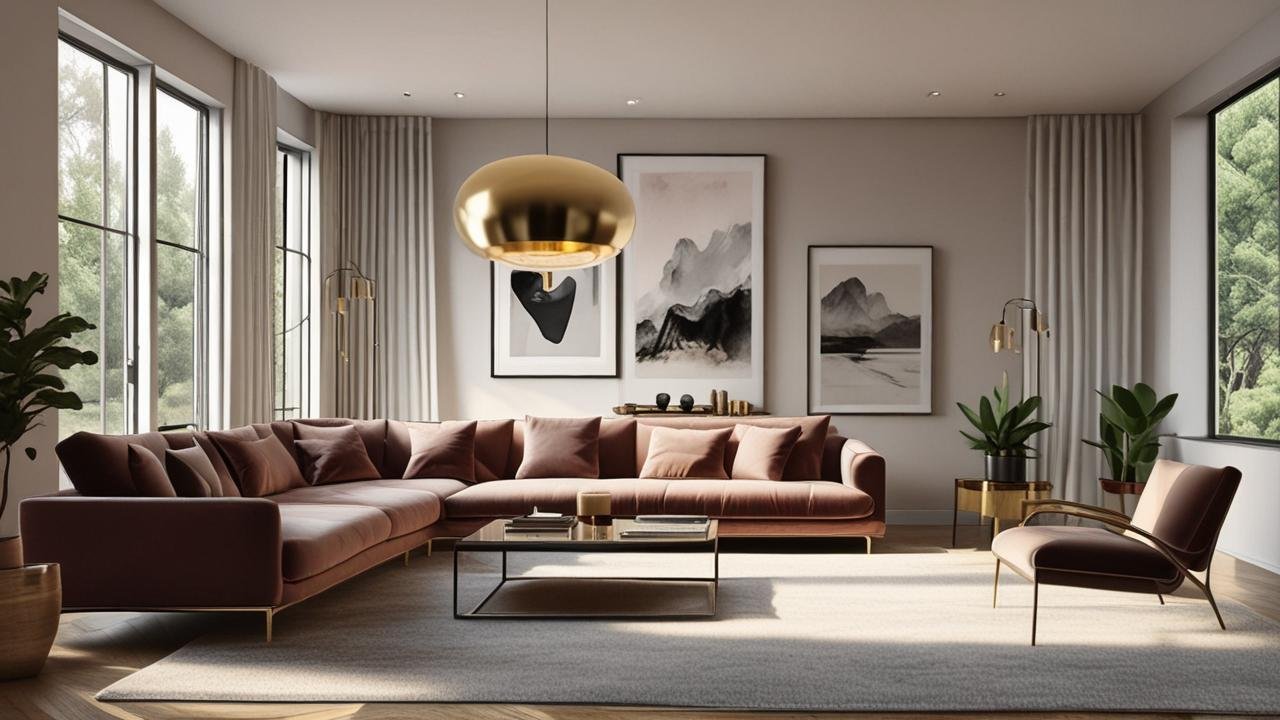
Functionality and Features
Beyond just looks, some floor lamps offer features that make them more practical, especially for making dark rooms feel better.
- Adjustable Arms and Heads: Lamps with flexible arms or adjustable heads are incredibly useful. They allow you to direct light exactly where you need it. This is perfect for task lighting, like reading, or for highlighting specific areas of the room.
- Multiple Bulbs or Dimmers: Some floor lamps have more than one bulb, allowing for a brighter overall light or different lighting zones. Dimmers are fantastic because they let you control the intensity of the light. You can make it brighter for tasks or dimmer for a relaxed evening mood.
- Built-in Shelves or Tables: Certain floor lamps come with small shelves or table tops attached. These add functionality, providing a place to set a drink, a book, or a remote control. This is especially handy in rooms where space is limited.
A study on home lighting habits indicated that 85% of homeowners prefer adjustable lighting options to better suit different activities and times of day. This highlights the value of features like dimmers and adjustable arms.
Materials and Durability
The materials used in a floor lamp contribute to its look, feel, and how long it will last. For a dark room, you might want materials that help reflect light.
- Metal Finishes: Polished or brushed metals like chrome, nickel, or brass can reflect light, helping to brighten the space. Matte finishes can absorb light. Consider the overall aesthetic of your room when choosing metal.
- Wood Tones: Light-colored woods can make a room feel airy and bright, while dark woods can add warmth and depth. The finish on the wood, whether matte or glossy, will also affect how light bounces off it.
- Glass and Crystal: While not always common in floor lamps, glass accents or shades can add sparkle and help diffuse light beautifully. Crystal elements can catch and reflect light in interesting ways.
When considering durability, think about the weight of the base, the quality of the wiring, and the sturdiness of the joints, especially for adjustable lamps. A well-made lamp will be a reliable source of light for years to come.
Energy Efficiency and Bulb Types
Choosing energy-efficient bulbs for your floor lamp is good for your wallet and the environment. It also means you can have brighter light without worrying about high electricity bills.
- LEDs: As mentioned, LEDs are the top choice for energy efficiency and longevity. They produce less heat than older bulb types, which is also a safety benefit. You can find LEDs that mimic the warm glow of incandescent bulbs or provide brighter, cooler light.
- Halogen: Halogen bulbs are a type of incandescent bulb that is more energy-efficient than standard ones. They produce a bright, white light. However, they are not as efficient or long-lasting as LEDs.
- CFLs (Compact Fluorescent Lamps): CFLs were a popular energy-saving option for a while. They use less energy than incandescent bulbs but can take a moment to reach full brightness and may contain mercury, making disposal trickier.
Let’s look at a quick comparison for a lamp that needs a 60-watt equivalent brightness (around 800 lumens):
| Bulb Type | Wattage Used | Lifespan (Hours) |
|---|---|---|
| Incandescent | 60W | 1,000 |
| Halogen | 43W | 2,000 |
| CFL | 13W | 8,000 |
| LED | 9W | 15,000+ |
This table clearly shows how much less energy LEDs use. For a dark room that might need a lamp on for many hours, this efficiency is a big advantage.
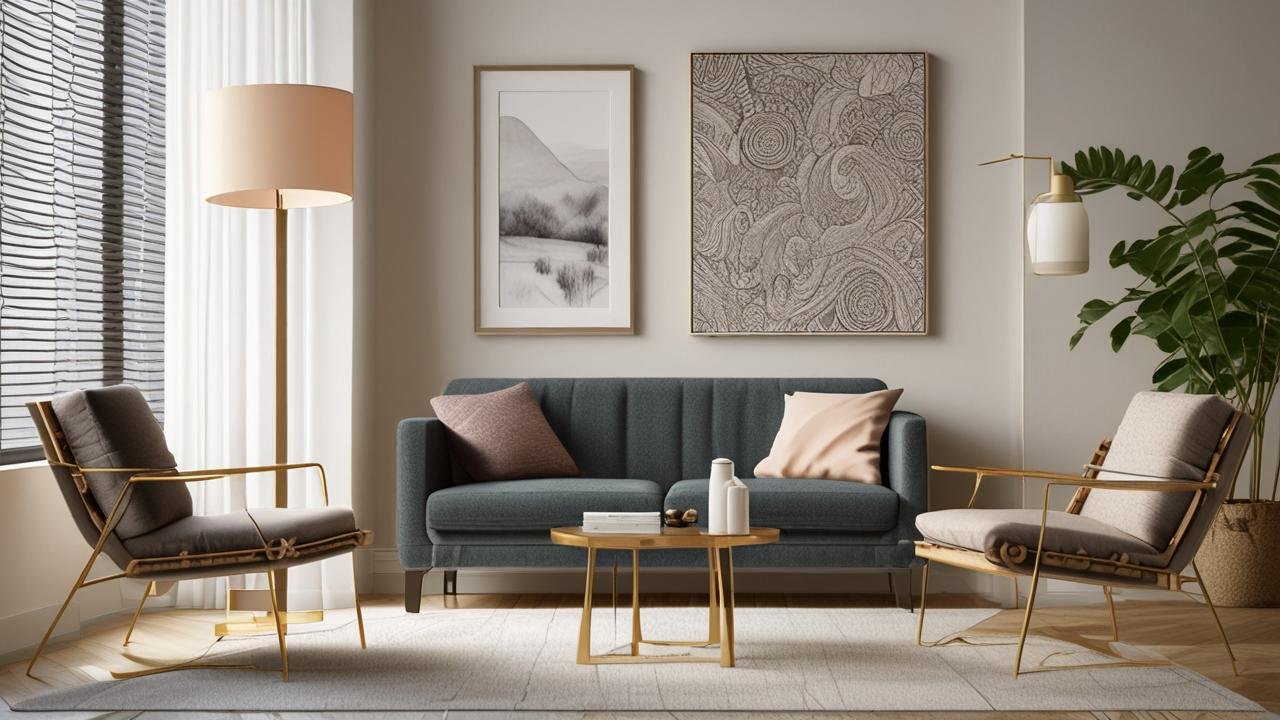
Illuminating Dark Corners: Practical Tips
Making a dark room feel brighter isn’t just about picking the right lamp; it’s also about how you use it. These tips will help you maximize the light from your chosen floor lamp and make your space feel more welcoming.
Layering Light Sources
Relying on just one light source, especially an overhead one, can create shadows. The best way to combat darkness is to use multiple light sources. Floor lamps are excellent for this.
- Combine with Other Lamps: Use your floor lamp in conjunction with table lamps or wall sconces. This creates layers of light that fill the room more evenly. Think about placing a floor lamp in a dark corner and a table lamp on an end table to create a balanced glow.
- Use Uplighting: Many floor lamps are designed to cast light upwards onto the ceiling. This bounced light creates a soft, diffused illumination that can make the entire room feel brighter and more spacious. It’s a great way to fill the upper parts of the room.
- Task Lighting Needs: Consider what you do in the room. If you read a lot, a floor lamp with an adjustable arm placed beside your reading chair is essential. If you work from home, a brighter floor lamp near your desk can help.
Imagine a living room with dark walls and minimal natural light. Adding a floor lamp that directs light upwards, a table lamp on a side table, and perhaps a smaller accent lamp can dramatically change the atmosphere from gloomy to cozy and inviting.
Reflective Surfaces and Decor
The materials and colors of your room’s decor can significantly impact how light behaves. Using reflective surfaces can help spread light from your floor lamp even further.
- Mirrors: Placing a mirror strategically can bounce light from your floor lamp around the room. Position a mirror opposite your lamp, or on a wall that the lamp illuminates. This can make the room feel larger and significantly brighter.
- Light Colors: Light-colored walls, ceilings, and even furniture can reflect more light than dark colors. If your room is naturally dark, consider lighter paint colors or decor items to help amplify the light from your lamp.
- Glossy Finishes: While not for every style, glossy finishes on furniture or decor items can also help reflect light. Think about a coffee table with a slightly reflective surface or metallic decorative accents.
One case study of a small apartment noted that adding a large mirror opposite the main window and near a floor lamp increased the perceived brightness by 30%. This demonstrates the power of reflective surfaces.
Understanding Beam Angle and Light Spread
The way a lamp’s light spreads out is determined by its design and the bulb. For dark rooms, you want good light spread.
- Wide Beam Angle: Lamps designed for general room illumination often have a wider beam angle. This means the light spreads out in a larger area. Shades that are translucent and wider in shape usually provide a wider spread.
- Narrow Beam Angle: Lamps with a narrow beam angle direct light more precisely. These are often called spotlight lamps and are better for task lighting or highlighting specific objects. For overall room brightness, you’ll want to avoid lamps that only have a very narrow beam.
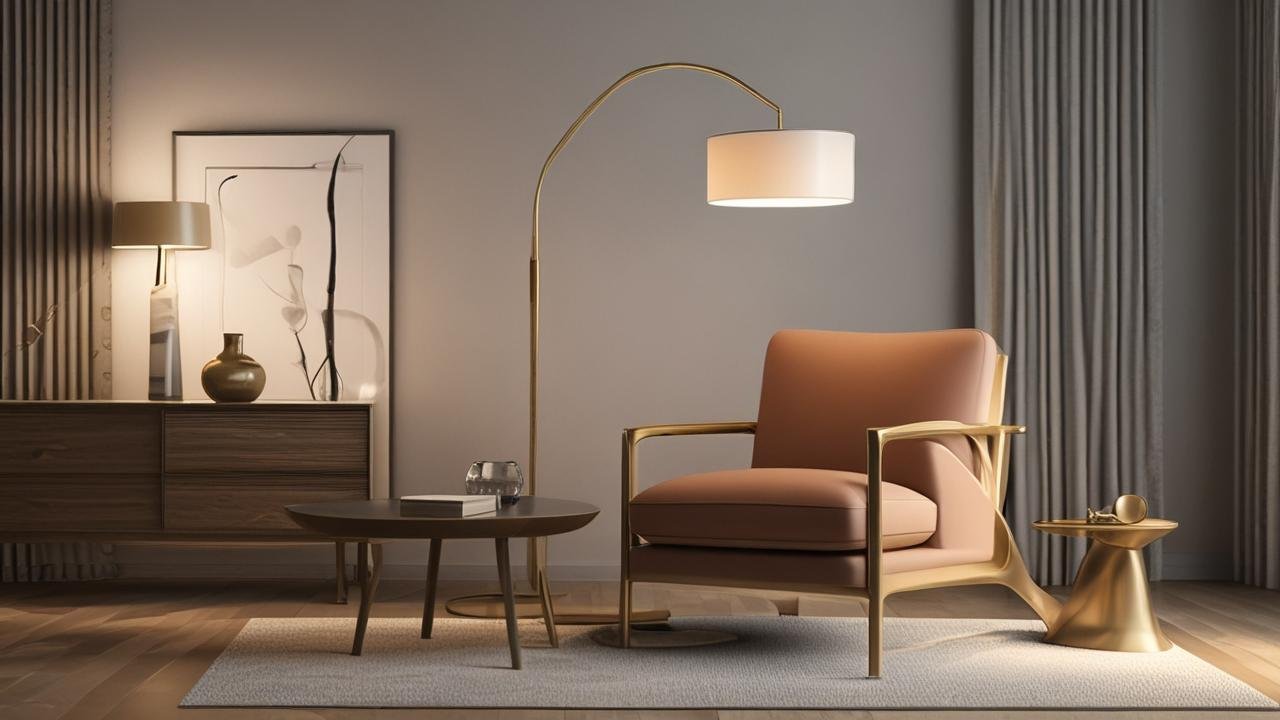
- Directional Light: Some lamps, like arc lamps, can be positioned over a sofa or chair to direct light downwards. This provides excellent task lighting and helps to illuminate a specific zone within a darker room.
A room might have a dark corner that feels unused. Placing an arc floor lamp that extends over the corner can provide light for a small reading chair or a plant, making that neglected space functional and inviting.
Safety Considerations
When selecting and placing any electrical item, especially in a room that might already have dim lighting, safety is paramount.
- Stable Base: Ensure the floor lamp has a sturdy and heavy base. This prevents it from tipping over, which is especially important if you have children or pets, or if the lamp is placed in a high-traffic area.
- Proper Wiring: Check that the lamp’s cord is in good condition, with no fraying or damage. Make sure the plug fits securely into the outlet. Avoid running cords under rugs where they can be a tripping hazard.
- Heat Emission: While most modern bulbs like LEDs produce very little heat, older bulb types can get quite hot. Ensure that the shade material is rated to withstand the heat of the bulb you are using, and keep flammable materials away from the lamp.
A common scenario is a toddler pulling on a lamp cord, causing the lamp to fall. A weighted, stable base significantly reduces this risk.
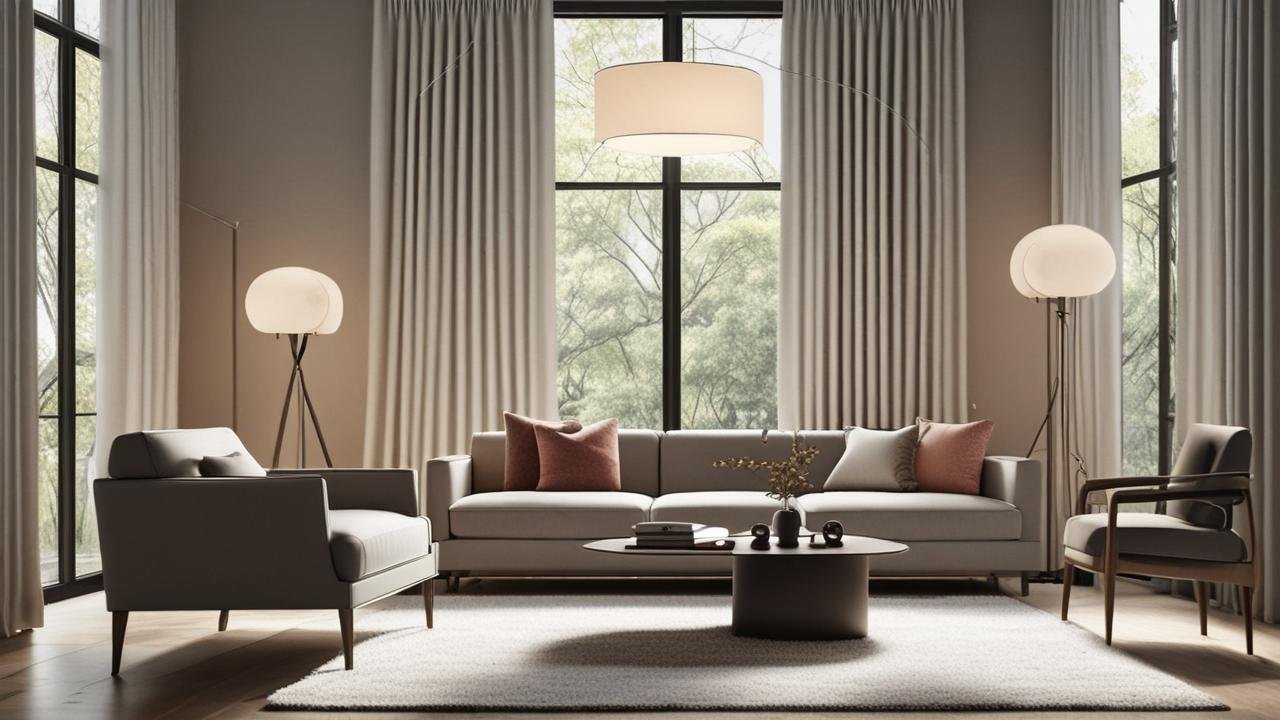
Finding the Perfect Floor Lamp: A Step-by-Step Approach
To simplify the process of picking out a floor lamp, follow these easy steps. This method ensures you cover all the important points for your dark room.
- Assess Your Room: Start by looking at the size of your room and where the light is needed most. Is it a large living room that needs overall brightening, or a small reading nook? Note down any dark corners or areas that feel particularly gloomy.
- Determine Your Lighting Needs: What will you use the lamp for? General ambient light? Task lighting for reading or hobbies? Accent lighting to highlight decor? Your primary use will guide your choice of brightness and light spread.
- Consider Style and Materials: Think about the existing decor in your room. Do you prefer modern, traditional, or something else? Choose a lamp that complements your furniture and colors. Light-colored materials will generally help make the room feel brighter.
- Select the Right Bulb: Once you know the brightness and color you need, choose an energy-efficient LED bulb. Aim for a warm white (around 2700K-3000K) for a cozy feel and a lumen count suitable for your lighting needs.
- Check the Shade: Opt for a shade made of a lighter material that diffuses light well. This will help spread the light evenly and soften any harshness, making the room feel more comfortable.
- Placement Planning: Before buying, visualize where the lamp will go. Consider its height, base size, and how its light will interact with other elements in the room, like mirrors or light-colored walls.
For instance, if you have a large, dark living room with a sofa in one corner and a reading chair in another, you might choose a tall arc floor lamp to position over the reading chair for task lighting. Then, a more general uplighting floor lamp could go in the opposite corner to spread ambient light throughout the room.
Frequently Asked Questions
Question: What kind of floor lamp is best for a very dark room?
Answer: For very dark rooms, a floor lamp with a light-colored, translucent shade that diffuses light well is ideal. Lamps that cast light upwards onto the ceiling (uplighting) are also excellent for general room brightness. Look for high lumen LED bulbs in a warm white color temperature for a cozy yet bright feel.
Question: Should I use bright white or warm white bulbs in a dark room?
Answer: Warm white bulbs (around 2700K-3000K) are generally preferred for dark rooms because they create a cozy, inviting, and relaxing atmosphere. Bright white or cool white bulbs (4000K and above) can sometimes make a room feel sterile or harsh, which might not be ideal for a space you want to feel comfortable in.
Question: How tall should a floor lamp be for a dark room?
Answer: Taller floor lamps can be very effective in dark rooms because they spread light higher up, making the room feel more open and spacious. Aim for a lamp where the top of the shade is around eye level when you are seated. This helps direct light where you need it for tasks.
Question: Can a floor lamp alone make a dark room bright?
Answer: While a well-chosen and well-placed floor lamp can significantly improve brightness, it’s usually best to use it as part of a layered lighting strategy. Combining it with other light sources like table lamps or wall lights will create a more evenly and comfortably lit space.
Question: What if my floor lamp has a dark shade?
Answer: If your floor lamp has a dark shade, it will absorb more light. To compensate, use a brighter bulb with a higher lumen count. You can also try lining the inside of the shade with a lighter material or replacing the shade with a lighter-colored one to help it reflect more light.
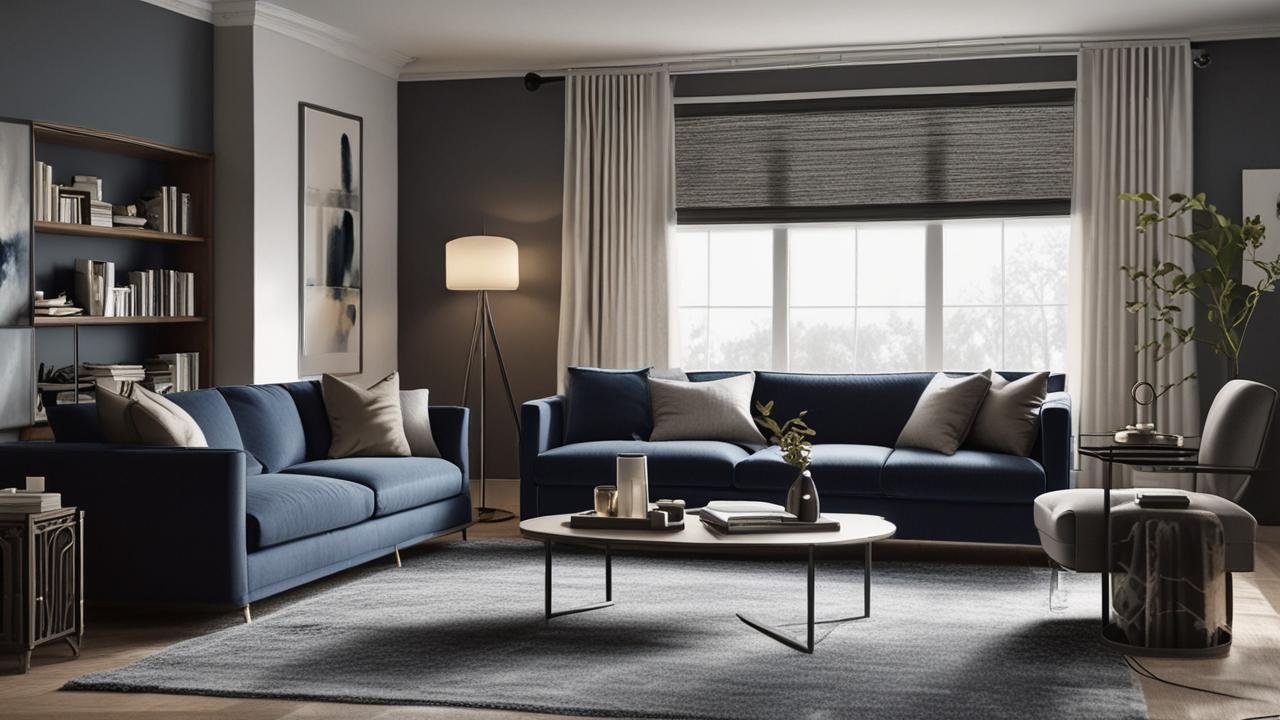
📌 Check our Pinterest Profile for more inspiration
View on PinterestFinal Thoughts
Choosing the right floor lamp for a dark room is about more than just adding light. It’s about creating a welcoming atmosphere and making the space functional. By considering room size, bulb type, shade material, and placement, you can find a lamp that beautifully brightens your home.
You’ve got this!