Picking the right mirror for your entryway can feel tricky, especially if you’re just starting to decorate your home. You want it to look good, be useful, and fit your space. Many people wonder How to Choose a Mirror for Your Entryway because there are so many styles and sizes.
Don’t worry, it’s easier than you think! We’ll break it down step-by-step to help you find the perfect one.
Key Takeaways
- Your entryway mirror should match the size of your space.
- Consider the style of your home to pick the right mirror frame.
- Think about what you’ll use the mirror for, like checking your look or making the space feel bigger.
- Placement is key to making the mirror work best.
- The right mirror can make your entryway feel welcoming and stylish.
Finding the Right Size Mirror
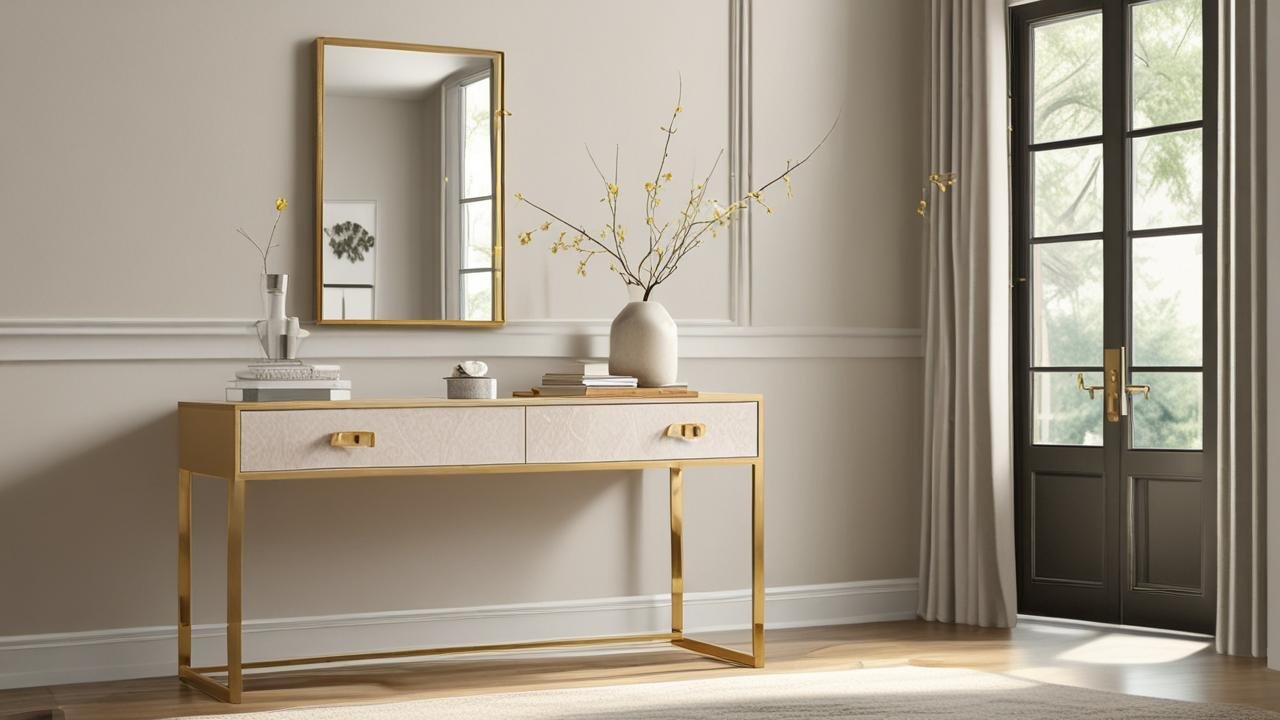
The size of your entryway mirror is super important. A mirror that’s too small might get lost, and one that’s too big can make the space feel crowded. You want it to feel just right for the wall it’s on and the overall size of your entryway.
Think about how much space you have to work with. Is it a tiny nook or a grand foyer? This will help you decide if you need a small accent mirror or a large statement piece.
Measuring your wall space before you shop is a smart first step.
Measuring Your Entryway Space
Before you even look at mirrors, grab a tape measure. You need to know the height and width of the wall where you plan to hang the mirror. This simple step stops you from buying a mirror that won’t fit.
Imagine a giant mirror in a tiny hall; it just won’t work well. Knowing your measurements helps you narrow down your choices quickly and avoid the headache of returning something that’s the wrong size.
- Measure the height of the wall from the floor to the ceiling, or from any furniture that might be below it.
- Measure the width of the wall from corner to corner, or from any doors or openings that might limit the space.
- Consider the height of your doorway and any light fixtures. You don’t want the mirror to be too close to the ceiling or door frame.
For example, if your entryway wall is 8 feet tall and 5 feet wide, you have a good amount of room. A mirror that is around 3 feet wide and 4 feet tall would likely fit well. It would be noticeable but not overwhelming.
If your entryway is much smaller, perhaps only 3 feet wide, a mirror that is 1.5 feet wide would be a better fit. It will still serve its purpose without making the space feel cramped.
Mirror to Furniture Ratios
When you have furniture in your entryway, like a console table or a bench, the mirror size needs to work with it. A good rule of thumb is that the mirror should be about two-thirds the width of the furniture it’s above. If you have a console table that’s 4 feet wide, a mirror around 2.5 to 3 feet wide would look balanced.
This creates a pleasing visual relationship between the pieces. It helps the entryway feel put together and intentional.
If you hang a mirror that’s too narrow over a wide table, it can look awkward, like it’s floating in the middle. On the flip side, a mirror that’s much wider than your table can overpower the furniture. Getting this balance right makes a big difference in the overall look of your entryway.
It’s about creating harmony, not competition, between your decor items.
Considering Your Entryway’s Purpose
Think about how you use your entryway. Is it just a pass-through space, or do you use it for quick touch-ups before leaving the house? If you need to check your outfit, a larger mirror is better.
It lets you see more of yourself. If it’s just for a quick glance and to add style, a smaller decorative mirror might be enough. The mirror’s function can guide its size and placement.
Choosing the Right Style and Frame
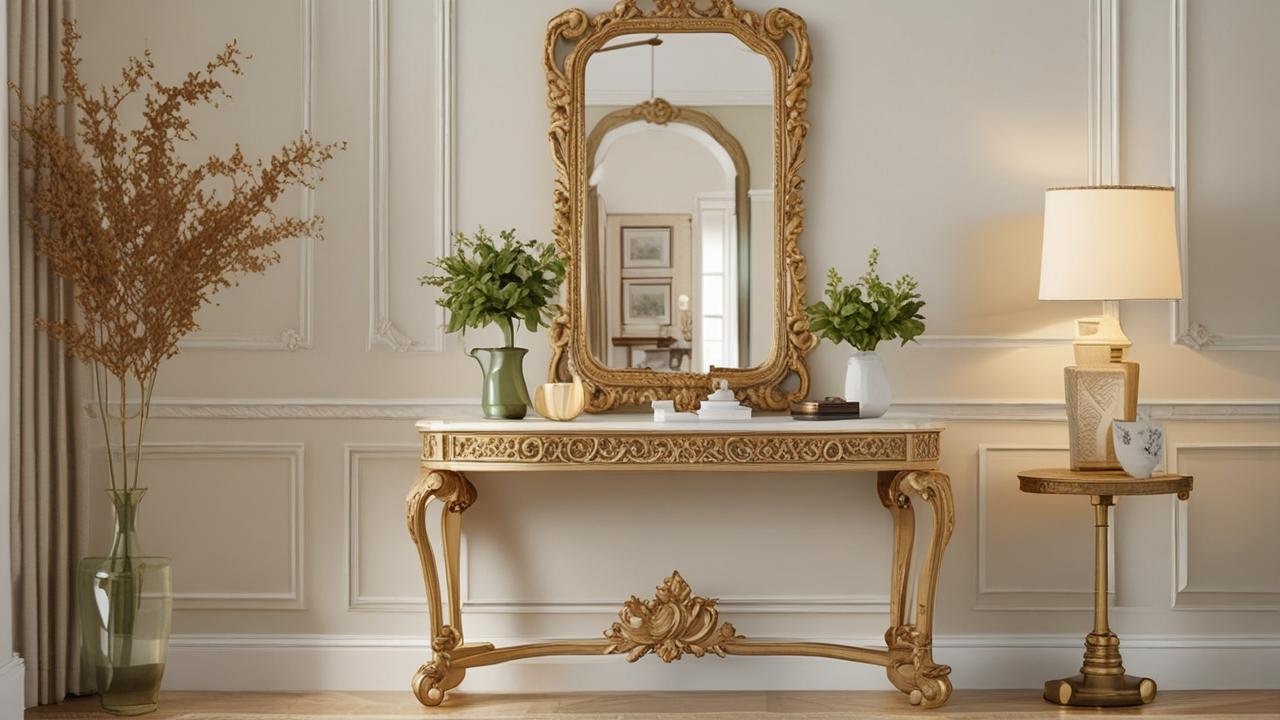
The style of your mirror frame is just as important as its size. It should match the overall look and feel of your home. Whether you love modern, traditional, rustic, or something in between, there’s a mirror frame out there for you.
The frame acts like jewelry for the mirror, adding personality and tying the entryway together. Picking a style that complements your existing decor will make your entryway feel more cohesive and inviting.
Matching Your Home’s Decor Style
Look around your home. What colors, materials, and shapes do you see most often? If your home is full of clean lines and neutral colors, a minimalist frame with a simple metal or wood finish might be perfect.
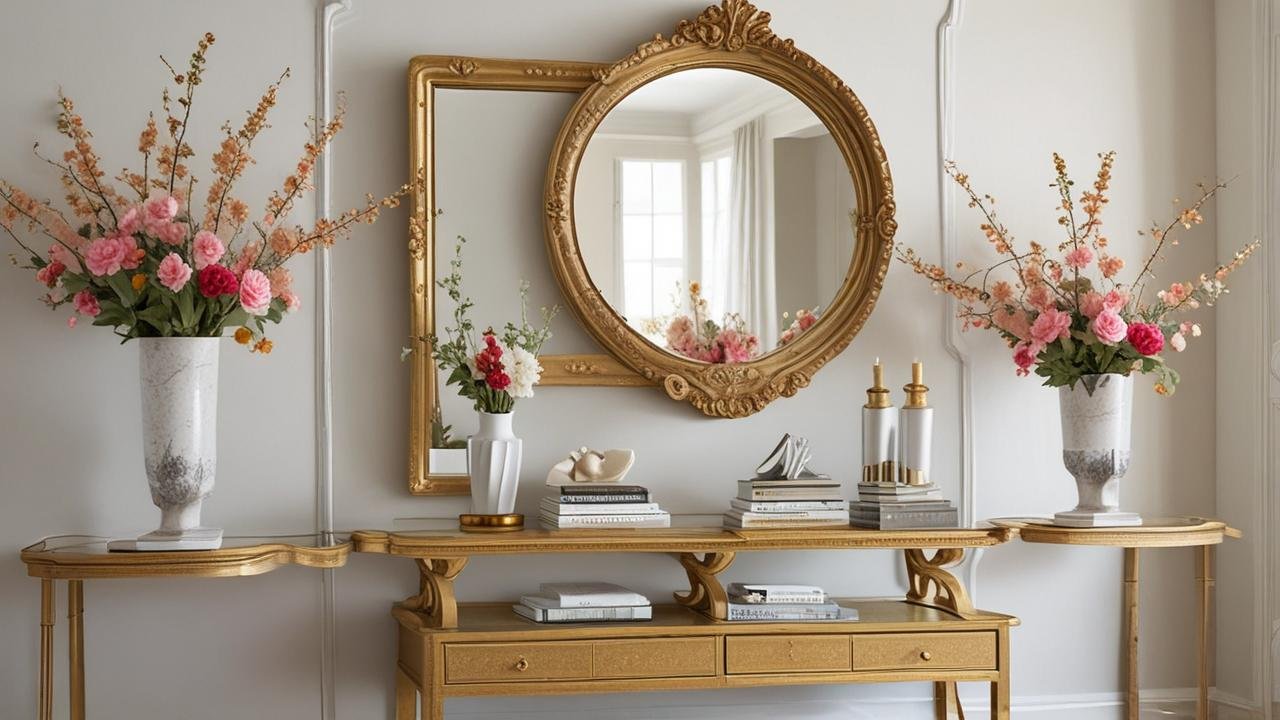
For a more traditional home with classic furniture, an ornate frame with gold or dark wood could be a great choice. If you have a cozy, farmhouse vibe, a distressed wood or white-washed frame would fit right in.
Don’t be afraid to mix things up a little, but keep a general theme. A mirror with a bold, geometric frame could add a modern twist to a more traditional space. The key is to create a connection.
If your home has a lot of natural wood, a wooden frame mirror will feel right at home. Similarly, if you have metallic accents like brass or chrome, a mirror with a similar metal frame can tie those elements together.
Frame Materials and Finishes
Frames come in many materials: wood, metal, plastic, even resin. Wood frames can be painted, stained, or left natural. Metal frames can be sleek and polished, or have a hammered or antique finish.
The finish matters too. A shiny chrome frame has a different feel than a matte black one. Think about the existing hardware and finishes in your entryway.
If you have brushed nickel door knobs, a mirror with a brushed nickel frame would be a good match.
Consider the durability and maintenance of the material. A high-traffic entryway might benefit from a sturdy wood or metal frame that can withstand accidental bumps. A delicate frame might be better suited for a quieter space.
Some frames are also very lightweight, making them easier to hang. Others can be quite heavy, requiring stronger wall anchors. Always check the weight of the mirror and frame.
Here’s a look at some common frame types:
- Wood Frames: These are versatile and come in many styles. You can find them in natural finishes, painted, or distressed. They offer warmth and can fit almost any decor.
- Metal Frames: Often sleek and modern, metal frames can be made of aluminum, steel, brass, or iron. They can be polished, brushed, or have an antique look, adding a touch of sophistication.
- Ornate Frames: These usually feature decorative carvings, moldings, or embellishments. They are often made of resin or wood and can add a dramatic, classic touch to an entryway.
- Mirrored Frames: Frames made entirely of mirrored glass can create a glamorous look and help bounce light around the room, making the space feel larger and brighter.
Shape Matters: Round, Square, or Unique
The shape of the mirror itself can also influence the style. Round mirrors often add a softer, more relaxed feel to a space. They can break up a room that has a lot of straight lines.
Square or rectangular mirrors are classic and can feel more formal or modern, depending on the frame. Unique shapes, like an arched mirror or one with a sunburst design, can be a real focal point and add a lot of personality.
If you have a narrow hallway, a tall, rectangular mirror might be a good choice to emphasize the height. If your entryway feels a bit boxy, a round mirror can introduce a welcome curve. Think about the overall shape of your entryway and what shapes would complement it best.
Sometimes, a less common shape can be just the thing to make your entryway stand out.
Placement and Functionality
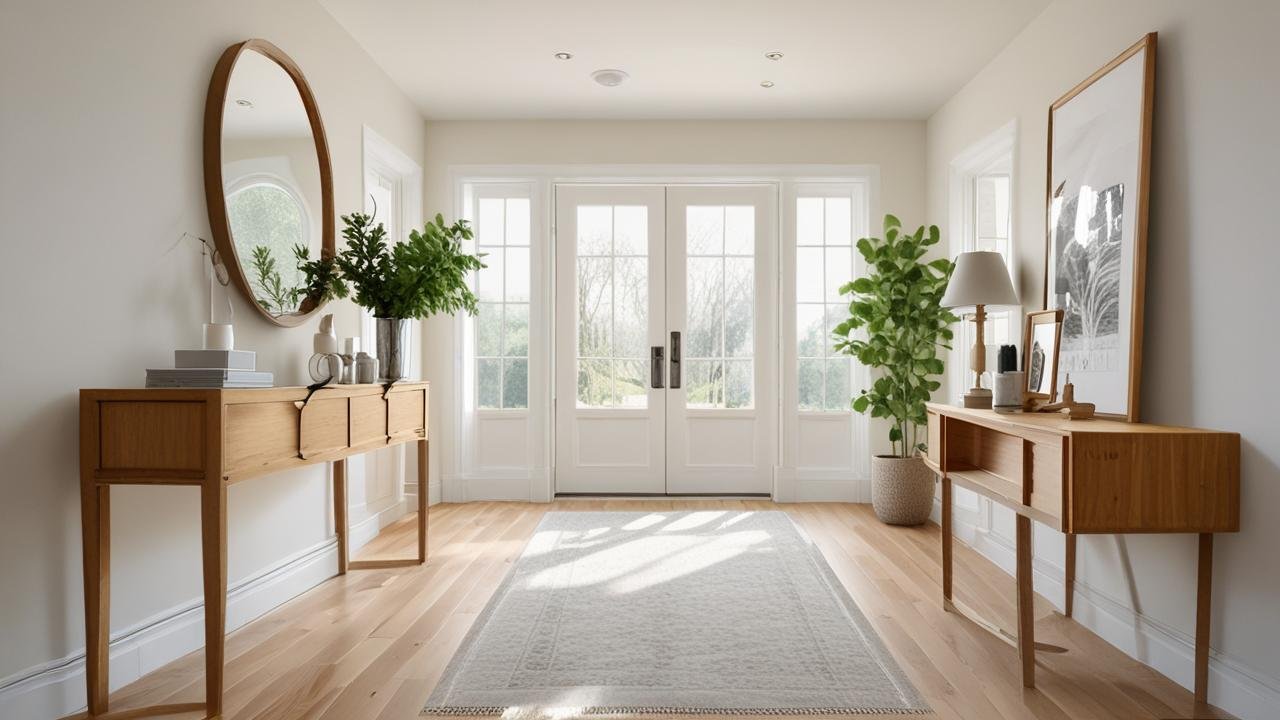
Where you hang your mirror is key to how it functions and how it impacts the look of your entryway. The right placement can make a small space feel larger, brighter, and more welcoming. It’s not just about hanging a mirror on the wall; it’s about strategic placement to get the most benefit.
The Perfect Height for Hanging
The ideal height for hanging a mirror is generally with the center of the mirror at eye level, which is about 57 to 60 inches from the floor. If you are hanging it over a piece of furniture, like a console table, the bottom edge of the mirror should be about 6 to 10 inches above the furniture. This creates a balanced look and ensures that the mirror is easily visible.
You want to be able to see your reflection without having to strain or feel like you’re looking too high or too low.
If your entryway has a very high ceiling, you might hang the mirror a bit higher, but still keeping the center around eye level for someone standing. For shorter ceilings, keeping it a little lower can help the space feel more grounded. The goal is comfortable viewing.
If you have children, consider if they need to see their reflection easily, which might mean hanging it slightly lower.
Reflecting Light and Space
Mirrors are fantastic for bouncing light around a room. If your entryway is a bit dark or lacks natural light, place your mirror opposite a window. This will reflect the natural light and make the space feel much brighter.
It can also create the illusion of a larger room by reflecting the opposite wall and opening up the space visually. This is especially helpful in small apartments or homes where every square foot counts.
Think about what the mirror will reflect. If it reflects a doorway or a window, it can make the entryway feel more connected to other parts of the house or to the outdoors. If it reflects a blank wall, it won’t have as much of an impact on opening up the space.
The reflections can be just as important as the mirror itself.
Functional Uses of an Entryway Mirror
Beyond just looking good, mirrors in the entryway serve practical purposes. They are perfect for that last-minute check of your appearance before heading out the door. You can quickly smooth your hair, adjust your collar, or check if your outfit is on point.
This makes the entryway a more functional space for getting ready.
Some mirrors also offer storage. You might find mirrors with shelves built into the frame or mirrored cabinets that can hide small items like keys, mail, or gloves. These are great for keeping your entryway tidy and organized.
If you have limited space, a mirror with built-in storage can be a smart two-in-one solution. It combines style with much-needed practicality.
Entryway Mirror Styles and Ideas
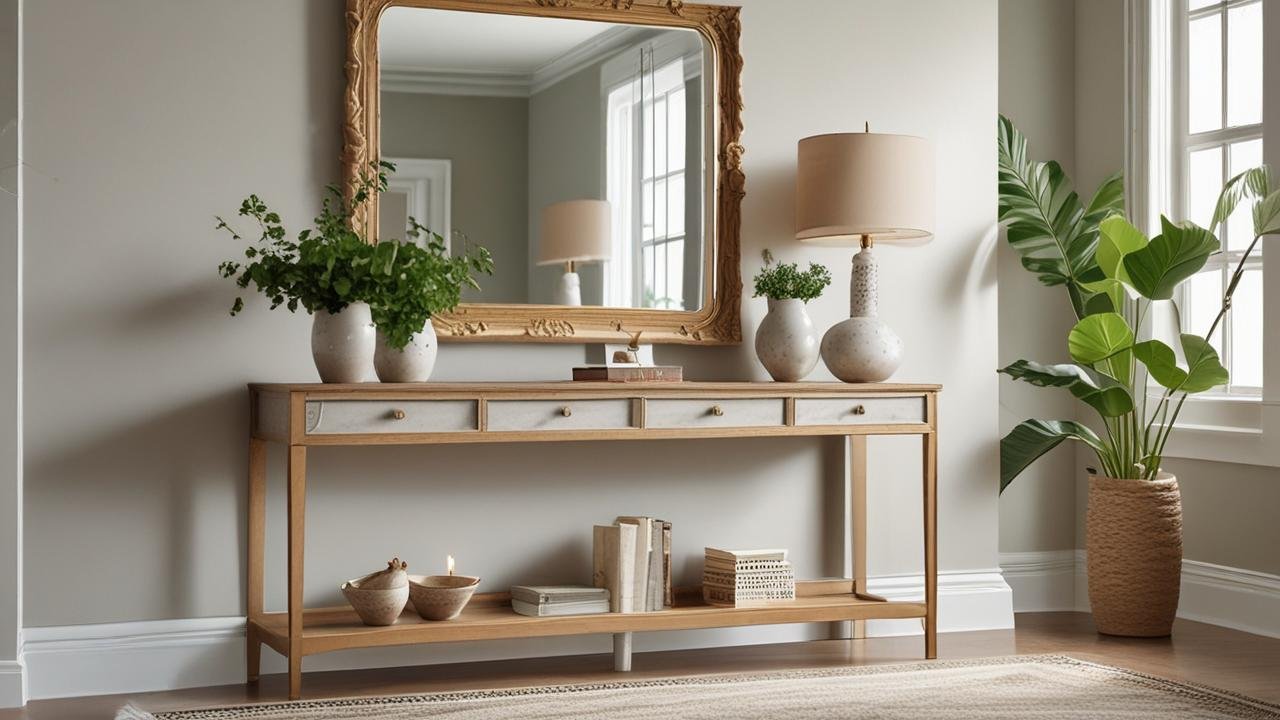
To help you visualize, let’s explore some popular entryway mirror styles. Each can bring a different feel to your space. The right style can transform your entryway from a simple passage into a stylish statement.
Modern and Minimalist Entryways
For a modern or minimalist entryway, opt for clean lines and simple designs. A frameless mirror can offer a sleek look, making the glass itself the main feature. Alternatively, a mirror with a thin metal frame in black, brushed nickel, or chrome works well.
These frames are understated and let the shape of the mirror and its reflections take center stage. Geometric shapes like squares or rectangles are common, but a large round mirror can also add a touch of modern softness.
Consider a large mirror that takes up a significant portion of the wall. This creates a bold, contemporary statement. It makes the entryway feel open and airy.
The key is simplicity and elegance. Avoid overly decorative or busy frames. The focus is on form and function, with the mirror serving as a practical yet stylish element.
Traditional and Classic Entryways
Traditional entryways often benefit from mirrors with more character and detail. Look for frames made of dark, rich wood or antique-finished metals. Ornate frames with carvings, decorative molding, or even a hint of gold can add a touch of timeless elegance.
These mirrors tend to have a more substantial presence.
A rectangular mirror with a detailed, traditional frame is a classic choice. If you have a grander entryway, consider a larger mirror, perhaps with a slight curve or an interesting top. The aim is to create a sense of warmth, sophistication, and established style.
These mirrors are like pieces of art, adding a focal point that draws the eye.
Farmhouse and Rustic Entryways
For a farmhouse or rustic feel, distressed wood frames are a popular choice. Look for frames with a weathered, antique look, perhaps in white, gray, or natural wood tones. These frames add warmth and a sense of history to the space.
Shabby chic styles might feature chipped paint or a slightly uneven finish.
A round mirror with a thick, natural wood frame can also fit a rustic aesthetic beautifully. Sunburst mirrors, especially those with a wooden or distressed metal finish, are another great option for adding a touch of charm. These mirrors often feel handmade and approachable, creating a welcoming and cozy atmosphere right at the entrance.
Bohemian and Eclectic Entryways
Bohemian and eclectic styles are all about personality and unique finds. Don’t be afraid to choose a mirror with an unusual frame. This could be a mirror with a rattan or wicker frame for a natural, bohemian vibe.
Or perhaps a mirror with a colorful, mosaic tile frame for a vibrant touch. Vintage mirrors with unique shapes or aged finishes can also be perfect.
This is where you can really have fun. A mirror with a hammered metal frame, or one with an interesting carved design, could be just the thing. The goal is to express your individuality.
A cluster of smaller mirrors in different frames can also create a dynamic and interesting display. It’s about personal taste and creating a space that feels authentically yours.
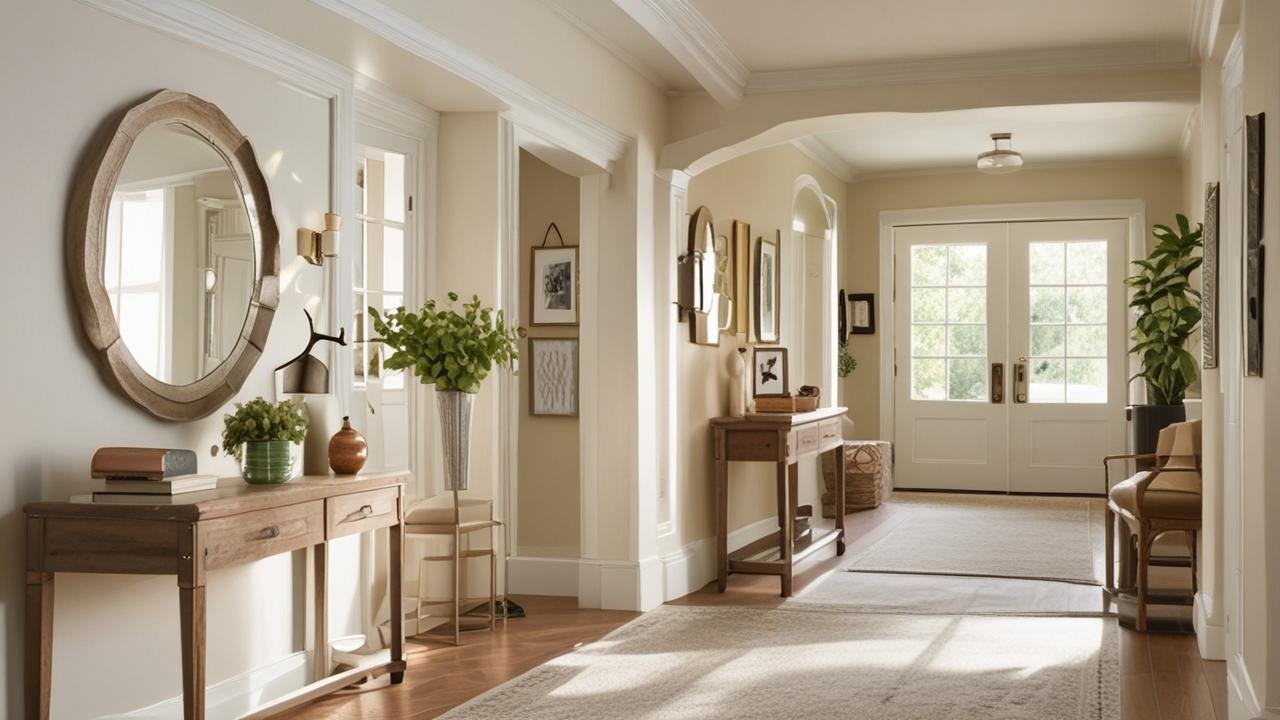
Real-Life Examples
Let’s look at a couple of scenarios to see how choosing the right mirror can make a difference.
-
Scenario 1: The Small, Dark Hallway
Sarah had a very narrow and somewhat dark hallway leading from her front door to her living room. It felt a bit like a tunnel. She decided to hang a large, round mirror with a thin, silver metal frame on the longest wall.
She placed it opposite a small window. The mirror reflected the light from the window, making the hallway feel much brighter. It also reflected the doorway to the living room, making the space feel deeper and less confined.
The round shape softened the long, straight lines of the hall.
-
Scenario 2: The Busy Family Entryway
The Miller family needed an entryway that was both stylish and functional. Their entryway often got cluttered with shoes, coats, and bags. They chose a tall, rectangular mirror with a solid oak frame.
It was hung above a long bench with storage underneath. The mirror was wide enough for all family members to check their appearance before leaving. The oak frame matched their home’s rustic decor.
While not a storage mirror itself, its size and placement encouraged tidiness by making it easy to do a quick check and head out the door.
Frequently Asked Questions
Question: How do I know if a mirror is too big or too small for my entryway?
Answer: A good rule of thumb is to consider the wall space and any furniture below it. For a wall, the mirror shouldn’t take up more than about two-thirds of the width. If it’s over a console table, the mirror should be about two-thirds the width of the table and hang 6-10 inches above it.
If the mirror feels overwhelming or gets lost, it’s likely the wrong size.
Question: Should my entryway mirror match my furniture exactly?
Answer: Not necessarily. The mirror’s style should complement your furniture and the overall decor of your home. It can be a great way to add a contrasting texture or color.
For example, a modern metal mirror can look striking above a wooden console table if your style is transitional.
Question: Can I hang a mirror if I have very little wall space?
Answer: Yes! Even a small entryway can benefit from a mirror. Consider a smaller decorative mirror, or even a mirror that leans against the wall if hanging isn’t an option.
Some mirrors also come with shelves attached, which can be very practical for small spaces.
Question: What is the best material for an entryway mirror frame?
Answer: The best material depends on your style. Wood offers warmth and versatility. Metal can be modern or classic.
Ornate frames are often made of resin. Consider durability and how it fits the look you want for your entryway.
Question: How can a mirror make my entryway feel bigger?
Answer: Mirrors reflect light and space. Placing a mirror opposite a window will bounce natural light around, making the area feel brighter. It also reflects the opposite wall and anything in it, creating the illusion of more depth and space, which can make a small entryway feel much larger.
📌 Check our Pinterest Profile for more inspiration
View on PinterestFinal Thoughts
Choosing a mirror for your entryway is about balancing size, style, and where you put it. By measuring your space, matching the frame to your home’s look, and thinking about how you’ll use it, you can find a mirror that is both beautiful and practical. A well-chosen mirror welcomes guests and makes your home feel complete.