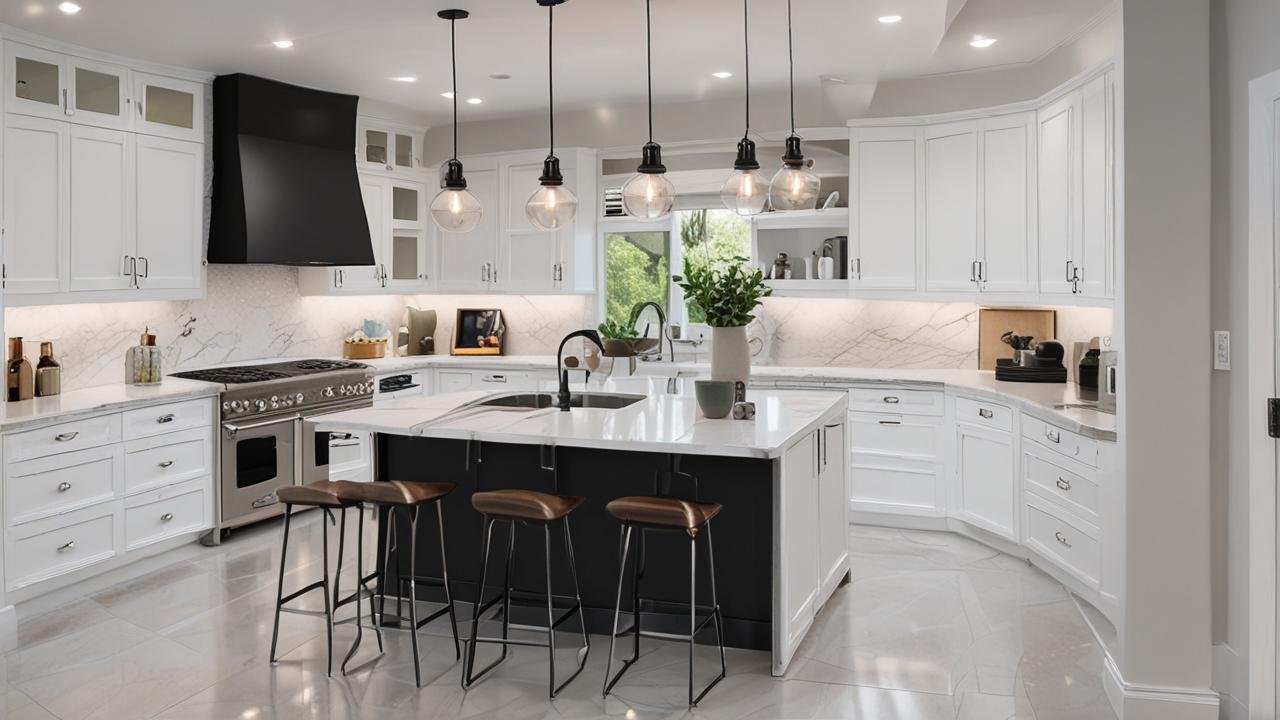
Picking out the right lights for your kitchen island can feel a bit tricky, especially if you’re new to home decorating. There are so many shapes, sizes, and styles to consider, and you want it to look just right! Don’t worry, though.
We’ll break down exactly How to Choose a Pendant Light for Kitchen Island with simple steps. We’ll help you make your kitchen island shine!
Key Takeaways
- You’ll learn how the size of your kitchen island affects the size of your pendant lights.
- We’ll explain how to decide on the right height for your pendant lights to hang.
- You’ll discover how to match pendant lights to your kitchen’s overall look and feel.
- We’ll cover different types of pendant lights and what they’re best for.
- You’ll find out how to pick the right number of pendant lights for your island.
Finding the Perfect Size for Your Pendant Lights
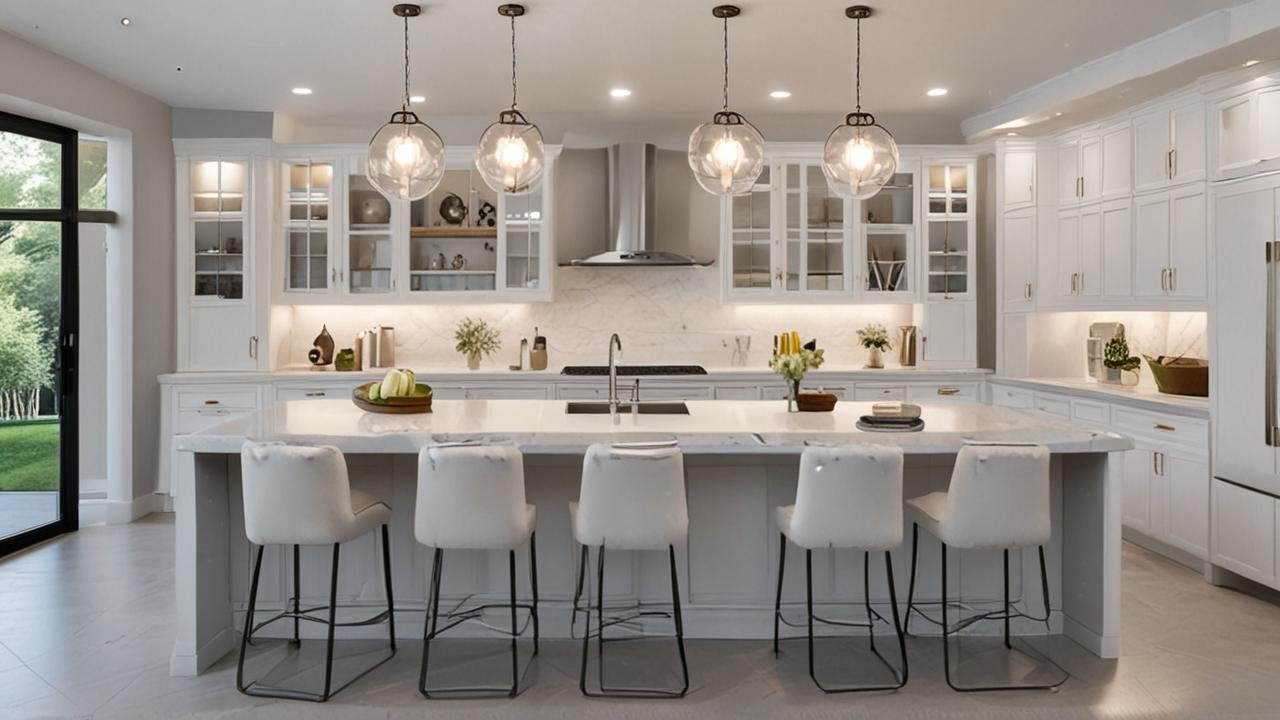
Choosing the right size for your pendant lights is super important. It makes your kitchen island look balanced and inviting. Too big, and the lights can feel overwhelming.
Too small, and they might get lost and not give enough light. We want your island to be the star, and the lights to help it shine without taking over the whole room. Think about the scale of everything in your kitchen, from the island itself to the ceiling height.
This guide will help you get it just right.
Island Size Matters
The size of your kitchen island is the first big clue for picking your pendant lights. A good rule of thumb is to leave about 30 inches of space between pendant lights. This gives you enough room to move around freely and prevents the lights from bumping into each other.
For longer islands, you might need more lights or bigger ones to fill the space. Shorter islands usually look best with one or two smaller lights.
Consider the width of your island. A common guideline suggests that the combined width of your pendant lights (not including the cords) should be about half to two-thirds the width of your island. For example, if your island is 6 feet long, pendant lights that add up to about 3 to 4 feet in width would likely be a good fit.
This proportion helps create a pleasing visual harmony.
Ceiling Height’s Role
Your ceiling height plays a big part in how low your pendant lights can hang. If you have standard 8-foot ceilings, you’ll want to hang your pendants higher to avoid people bumping their heads. If you have vaulted or higher ceilings, you can let your pendants hang lower to make a statement and bring the light down to where you need it.
The goal is to create a comfortable and functional space. You don’t want to feel like you’re constantly ducking, but you also don’t want the lights to feel too high up and disconnected from the island. For most kitchen islands, the bottom of the pendant light should hang at least 7 feet from the floor.
This ensures clearance for walking around.
Here’s a quick way to think about it:
- Standard Ceilings (8-9 feet): Hang pendants so the bottom is about 30-36 inches above the island countertop.
- High Ceilings (10+ feet): You can hang pendants lower, perhaps 36-42 inches above the countertop, to fill the vertical space.
Proportion and Balance
Think of your island and lights as a picture. You want everything to look in balance. If your island is wide and shallow, you might choose longer, narrower pendants.
If your island is more square, you might opt for round or globe-shaped pendants. The right proportion makes the whole setup feel more complete and intentional.
It’s also about visual weight. A very large, heavy-looking pendant might dominate a small island. Conversely, a tiny, delicate pendant might disappear on a large, solid island.
You want a harmonious relationship between the island and the light fixtures it wears.
Deciding on the Right Height for Your Pendant Lights
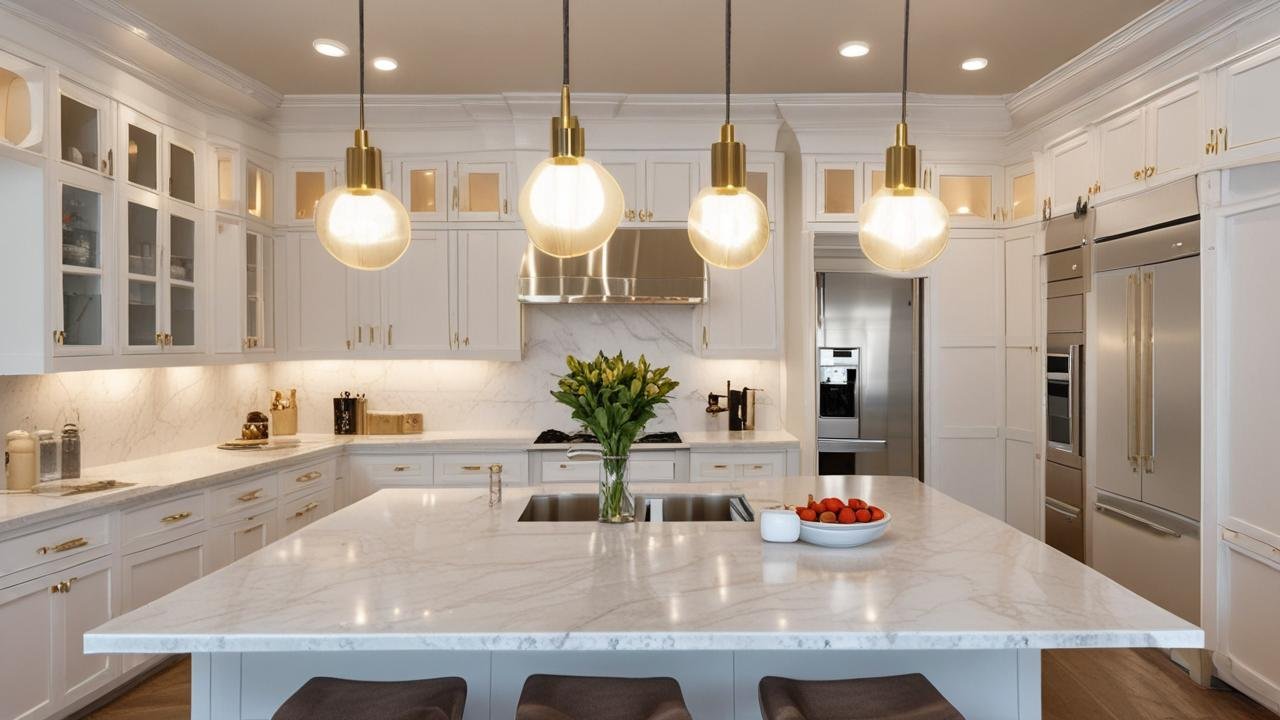
Getting the height of your pendant lights just right is key. It affects both how much light you get and how the lights look in your kitchen. You want them to be useful for tasks on the island, like chopping veggies or reading a recipe, but also to add a nice ambiance.
Too low, and they can be a head-bumping hazard. Too high, and they might not light the island surface well enough and can look out of place.
The height isn’t just about avoiding bumps; it’s also about creating a focal point. The perfect height draws the eye to the island, making it a central feature of your kitchen. Let’s explore how to find that sweet spot.
Clearance for Movement
The most important thing is safety and comfort. People need to be able to walk around the island without hitting their heads on the lights. This means the bottom of the pendant should be a good distance above the countertop.
For most standard kitchens, 30 to 36 inches is a safe and common range. This allows for comfortable movement and conversation.
Imagine someone standing at the island, perhaps reaching for something. They should have plenty of head clearance. If your island has stools where people sit, you also want the lights to be high enough so they don’t obstruct the view or feel too close when someone is seated.
Lighting Needs
Pendant lights are often used to provide task lighting over a kitchen island. This means they need to be positioned to shine light directly onto the work surface. If the lights are too high, the light might spread out too much and not be bright enough for detailed tasks.
If they are too low, they might create glare or shadows.
The type of bulb and shade also plays a role. A pendant with an open bottom will direct light downwards more effectively than one with a shade that covers the opening. If you need strong task lighting, ensure your chosen pendants are positioned to maximize that downward light flow.
Visual Appeal
Beyond practicality, the height of your pendant lights greatly impacts the overall look of your kitchen. Hanging them at the right level helps create a balanced and aesthetically pleasing composition. They should feel like they belong, not like an afterthought.
The height can make the island feel more cozy or more grand, depending on your goal.
Think about the scale of your kitchen. In a large, open-plan kitchen, you might want to hang pendants a bit lower to make them feel more substantial and to draw attention to the island. In a smaller kitchen, you might hang them a little higher so they don’t make the space feel cramped.
Here’s a simple guide:
- General Rule: 30-36 inches from the countertop to the bottom of the pendant.
- For Sitting Areas: Consider 40-45 inches from the floor to the bottom of the pendant if seating is directly under them.
- High Ceilings: You can go lower than 30 inches from the countertop, but always ensure at least 7 feet of clearance from the floor.
Matching Pendant Lights to Your Kitchen Style
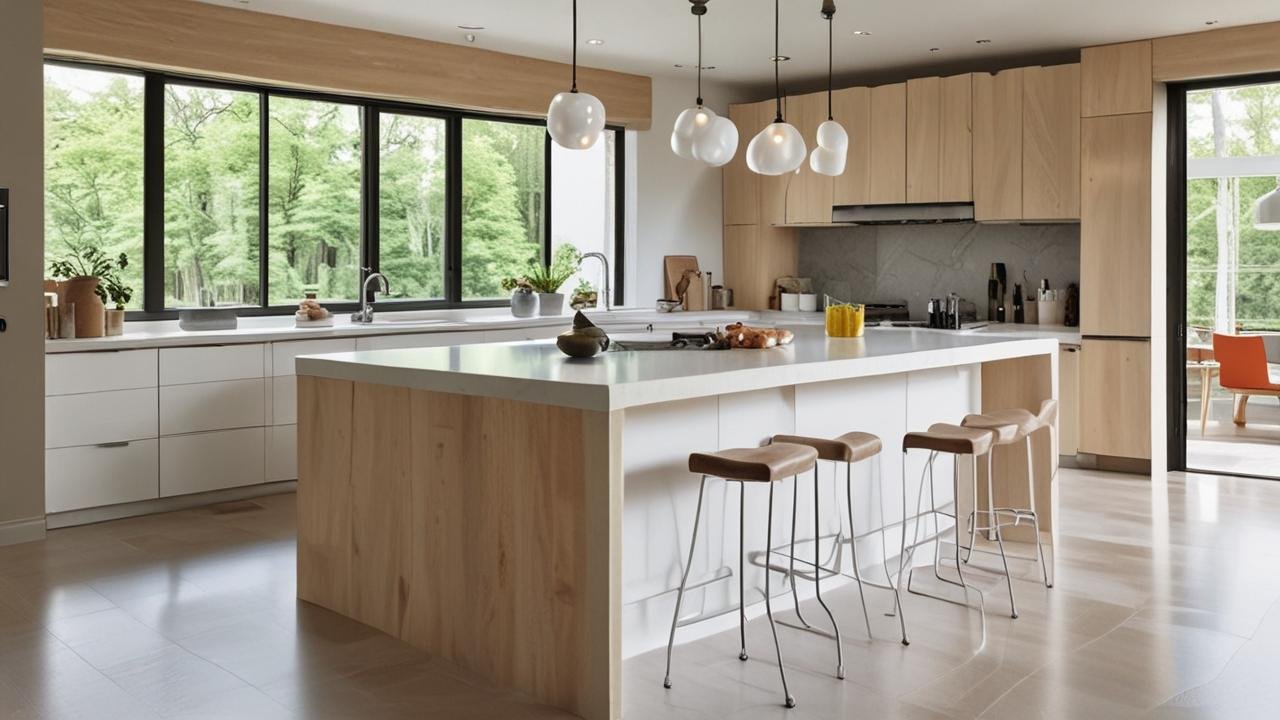
Your kitchen island pendant lights are like jewelry for your kitchen. They can really tie the whole look together. Whether your kitchen is modern, rustic, farmhouse, or something in between, there’s a pendant light out there that will fit perfectly.
Thinking about the style of your cabinets, countertops, and other fixtures will help you pick lights that feel like they belong.
Don’t be afraid to mix and match a little, but generally, you want the lights to complement rather than clash with your existing decor. This section will guide you through matching pendant styles to common kitchen aesthetics.
Modern and Contemporary Kitchens
For kitchens with clean lines, sleek surfaces, and a minimalist feel, modern pendant lights are a natural fit. Look for simple shapes like cylinders, spheres, or geometric designs. Materials like brushed nickel, chrome, black, or matte white often work well.
These lights should feel uncluttered and sophisticated.
Materials like glass, metal, and sometimes concrete are popular. The focus is on form and function. Think about pendants that have a streamlined look and don’t have too many ornate details.
The light they cast should be clean and often directed.
Examples include:
- Sleek, metallic cylinders
- Simple glass globes
- Geometric fixtures with sharp angles
Farmhouse and Rustic Kitchens
If your kitchen has a cozy, country feel, farmhouse or rustic pendant lights are ideal. Think about materials like distressed wood, matte black metal, or clear glass with a vintage touch. Mason jar-style pendants, barn light fixtures, or those with a cage design can enhance this look.
These lights often have a more casual and inviting appearance. They might feature visible hardware or a slightly imperfect finish, adding to their charm. Warm light tones are usually preferred to create a cozy atmosphere.
Consider these styles:
- Enclosed metal cages
- Clear glass jars or lanterns
- Pendants with visible Edison bulbs
Traditional and Classic Kitchens
For kitchens with more ornate details, natural wood cabinets, and a timeless feel, traditional pendant lights are a great choice. Look for fixtures with classic shapes, perhaps in oil-rubbed bronze, brass, or nickel finishes. Details like seeded glass, etched glass, or decorative finials can add elegance.
These lights often have a more substantial presence and can feature subtle decorative elements. They aim to add a touch of refinement and warmth to the space, fitting in seamlessly with classic design choices.
Popular choices include:
- Bell-shaped or inverted bowl pendants
- Fixtures with intricate metalwork
- Seeded or frosted glass shades
Transitional Kitchens
Many kitchens blend different styles, and transitional pendant lights are perfect for this. These fixtures offer a balance between traditional and modern, making them very versatile. They often feature clean lines with a touch of classic detail, or vice versa.
Finishes like brushed nickel, oil-rubbed bronze, or matte black are common.
The key is to find something that doesn’t feel too starkly modern or too heavily traditional. These lights act as a bridge, smoothly integrating various design elements within the kitchen. They provide a polished look without leaning too hard in one direction.
Material and Finish Harmony
Beyond the overall style, pay attention to the materials and finishes. If your faucets are brushed nickel, choosing pendants with brushed nickel accents can create a cohesive look. If you have warm wood tones, consider pendants with wood elements or brass finishes.
The goal is for the lights to feel like they belong to the room’s color and material palette.
Don’t be afraid to use a mix of finishes, but try to keep it intentional. For example, mixing black and brass can look great if done thoughtfully, but clashing too many different metals might look accidental. Think about what your cabinet hardware, lighting fixtures, and appliance finishes are like.
Choosing the Right Type and Number of Pendant Lights
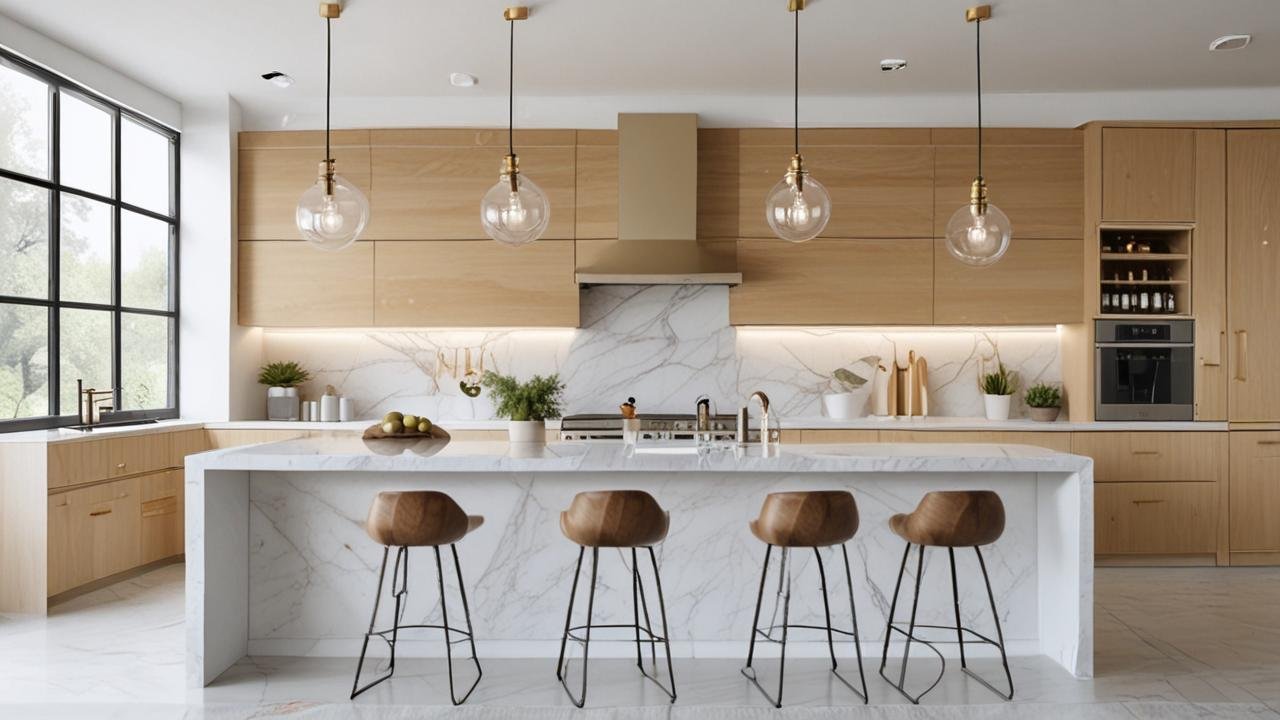
Once you have a handle on size, height, and style, it’s time to think about the specific types of pendant lights and how many you need. The type of pendant can affect the light it gives off, and the number you choose will impact the overall look and illumination of your kitchen island. Getting this right ensures your island is both functional and beautifully lit.
Let’s explore some common pendant styles and figure out how many will best suit your island. This will help you make a decision that lights up your kitchen perfectly.
Common Pendant Light Types
Pendant lights come in a huge variety of styles, each offering a different look and light output. Understanding these types can help you choose the best fit for your needs and aesthetic.
- Globes: These are spherical shades, offering a soft, diffused light. They are very versatile and work well in many kitchen styles, from modern to traditional.
- Shades: These can be bell-shaped, bowl-shaped, or drum-shaped. They often direct light downwards, making them excellent for task lighting. Materials vary widely, including metal, glass, and fabric.
- Cages: Pendants with a metal cage around the bulb offer an industrial or rustic look. They expose the bulb, often used with decorative Edison bulbs.
- Linear Pendants: These are designed to hang in a line, often featuring multiple lights in one fixture or a long, slender shade. They are great for very long islands.
- Mini Pendants: These are smaller versions of standard pendants, perfect for when you need multiple lights over an island without overwhelming it.
The material of the shade also matters. Clear glass will let light pass through easily, while opaque metal or ceramic shades will direct light downwards. Frosted or seeded glass can diffuse light more softly.
How Many Pendant Lights?
The number of pendant lights you hang depends primarily on the length of your kitchen island. The goal is to have lights that are spaced evenly and provide adequate illumination without looking crowded or sparse.
- Short Islands (3-4 feet): One central pendant light can often be sufficient. This creates a simple, elegant focal point.
- Medium Islands (4-6 feet): Two pendant lights are usually ideal. They provide good coverage and a balanced look.
- Long Islands (6+ feet): Three or even four pendant lights might be necessary. Ensure they are spaced appropriately, usually with about 24-30 inches between each fixture and from the ends of the island.
When spacing them, imagine dividing your island into equal sections. For two pendants, you might divide the island into thirds and place the lights at the center of the outer two sections. For three pendants, divide into fourths and place them at the center of the first, second, and third sections.
Lighting Effects
Think about the kind of light you want. Do you need bright, focused light for cooking and food prep? Or are you looking for a softer, ambient glow for dining and entertaining?
Some pendants offer adjustable lighting, allowing you to change the intensity.
The color of the light matters too. Warm white bulbs (around 2700K-3000K) create a cozy atmosphere, while cooler white bulbs (4000K+) are better for task lighting. Many pendant lights are compatible with dimmer switches, giving you flexibility.
Examples of Choices:
- Island: 6-foot long island, modern kitchen style.
- Choice: Two sleek, brushed nickel cylinder pendants.
- Reasoning: The size is appropriate for the island length, the modern style matches the kitchen, and two pendants offer good balance and task lighting.
- Island: 4-foot long island, farmhouse kitchen style.
- Choice: One clear glass mason jar pendant with an Edison bulb.
- Reasoning: A single pendant works for a shorter island. The mason jar style fits the farmhouse look, and the Edison bulb adds to the rustic charm.
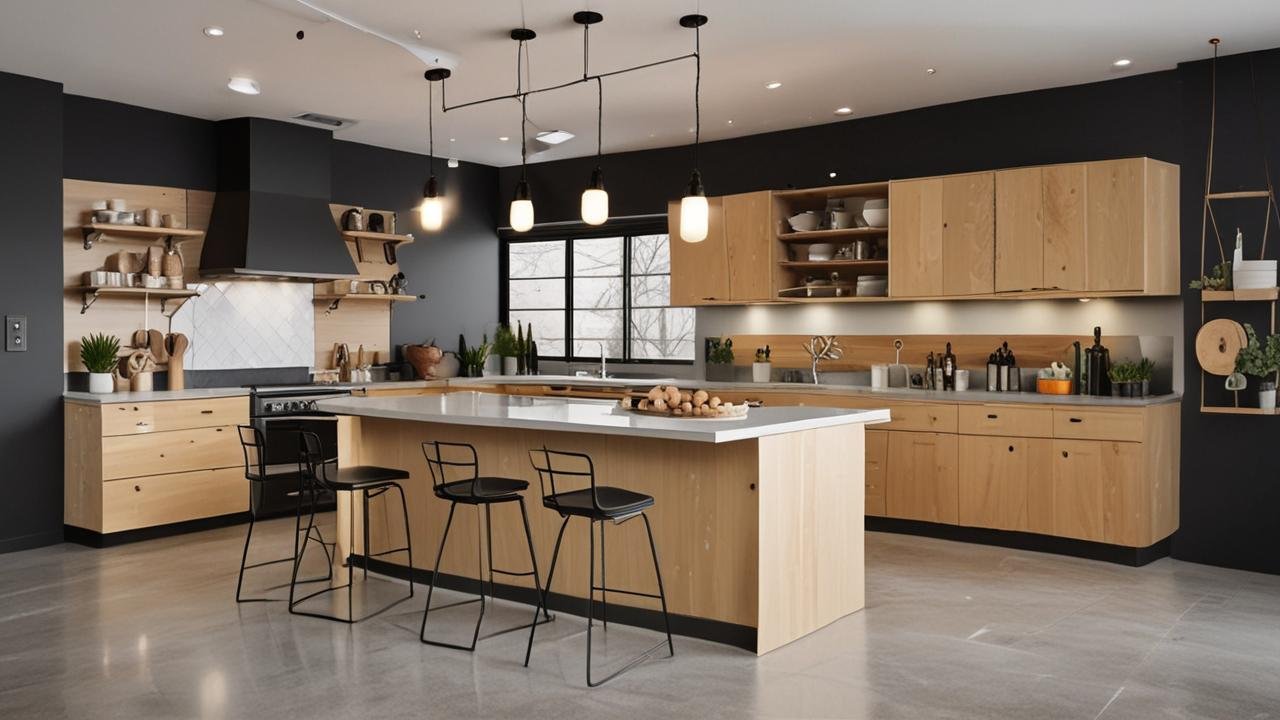
Putting It All Together: A Step-by-Step Plan
Now that you know about size, height, style, and type, let’s walk through how to pick your perfect pendant lights. It’s like putting together a puzzle to make your kitchen island look its best. Follow these steps, and you’ll be well on your way to a beautifully lit and stylish kitchen centerpiece.
Don’t feel rushed; enjoy the process of making your kitchen a place you love.
Step 1: Measure Your Island
Start by getting the exact measurements of your kitchen island. You’ll need to know its length and width. Also, measure your ceiling height in the area above the island.
These measurements are the foundation for all your decisions, so be precise.
Knowing the dimensions helps prevent common mistakes, like buying lights that are too big or too small for the space. Accuracy here saves you time and potential hassle later.
Step 2: Consider Your Kitchen’s Style
Think about the overall look and feel of your kitchen. Are your cabinets painted or stained? What color are your countertops?
What style are your other light fixtures, if any? Identifying your kitchen’s style (modern, farmhouse, traditional, etc.) will guide your pendant light choices.
This step ensures your new pendant lights will blend in well and enhance, rather than clash with, your existing decor. It’s about creating a harmonious design.
Step 3: Decide on the Number of Lights
Based on your island’s length, decide how many pendant lights you need. Remember the general guidelines: one for short islands, two for medium, and three or more for long islands. Also, consider the spacing between them to ensure they look balanced and are functional.
Think about how much light you need. If the island is a primary workspace, you might want more lights or brighter ones. If it’s more for decoration and casual seating, fewer or softer lights might be fine.
Step 4: Choose the Right Size and Height
Now, pick the size of the pendants. The combined width of your lights should be about half to two-thirds the width of your island. Then, determine the hanging height.
The standard is 30-36 inches from the countertop to the bottom of the pendant, but adjust based on your ceiling height and comfort.
Visualizing the lights at the chosen height is helpful. You can even use balloons or paper cutouts to get a sense of scale in your space before you buy.
Step 5: Select the Style and Finish
With all the practicalities covered, choose the specific style and finish that matches your kitchen’s aesthetic. Look for materials and colors that complement your cabinets, countertops, and hardware. This is where you add personality!
Don’t be afraid to browse different options. Sometimes seeing a pendant light in person can help you fall in love with it. Read reviews to get an idea of light quality and durability.
Step 6: Installation (or Hiring Someone)
Once you have your lights, it’s time for installation. If you’re comfortable with electrical work, you can do it yourself. Otherwise, it’s always a good idea to hire a qualified electrician.
Proper installation ensures your lights are safe and function correctly.
A professional installation can give you peace of mind and ensure the job is done right, especially if you are altering existing wiring or adding new circuits.
Frequently Asked Questions
Question: How far apart should pendant lights be over a kitchen island?
Answer: A good rule of thumb is to leave about 24 to 36 inches of space between the center of each pendant light. This spacing ensures they don’t look too crowded and provide even lighting. Always consider the length of your island to determine the right number and spacing.
Question: Can I use different styles of pendant lights over my island?
Answer: While you can mix styles, it’s generally best to keep them cohesive. Using multiple lights of the same style but perhaps different colors or sizes can create a curated look. If you mix, ensure they share some common element, like material or finish, to tie them together.
Question: What kind of bulbs should I use for pendant lights over a kitchen island?
Answer: For task lighting, consider LED bulbs that offer good brightness and are energy-efficient. Warm white (around 2700K-3000K) bulbs create a cozy feel, while cooler white (4000K+) are better for bright task lighting. Many pendants can also use dimmer switches for adjustable lighting.
Question: How do I know if my pendant lights are too low?
Answer: If people standing at the island have to duck to avoid hitting the lights, they are too low. The bottom of the pendant should generally be at least 7 feet from the floor, or about 30-36 inches above the countertop for standard ceilings. Ensure comfortable head clearance.
Question: Should pendant lights match my other kitchen lights?
Answer: They don’t have to be identical, but they should coordinate. You can match the finish (e.g., all brushed nickel) or the style (e.g., all modern). The goal is for them to complement each other and the overall kitchen design, creating a unified look.
📌 Check our Pinterest Profile for more inspiration
View on PinterestFinal Thoughts
Choosing pendant lights for your kitchen island is all about balance. Measure carefully, match your kitchen’s style, and pick the right number and size. Hang them at a good height for light and clearance.
These simple steps will help your island shine.