Picking out the right curtains for your living room can feel a little tricky sometimes, especially if you’re new to decorating. You want them to look good, work well, and fit your style without being too much hassle. Lots of people wonder How to Choose Curtains for Your Living Room because there are so many choices!
But don’t worry, we’ll make it super simple. We’ll walk you through it step-by-step so you can get beautiful curtains that make your home feel cozy and just right. Let’s get started and find the perfect match for your windows.
Key Takeaways
- You will learn how different curtain fabrics affect the look and feel of your living room.
- We will explore how curtain colors and patterns can change the mood of your space.
- You will discover the best ways to measure your windows for the perfect curtain fit.
- We will go over different curtain hanging styles and how to pick the right one.
- You’ll get tips on choosing curtains that provide the right amount of light control and privacy.
- We will cover how to match curtains to your existing living room style and furniture.
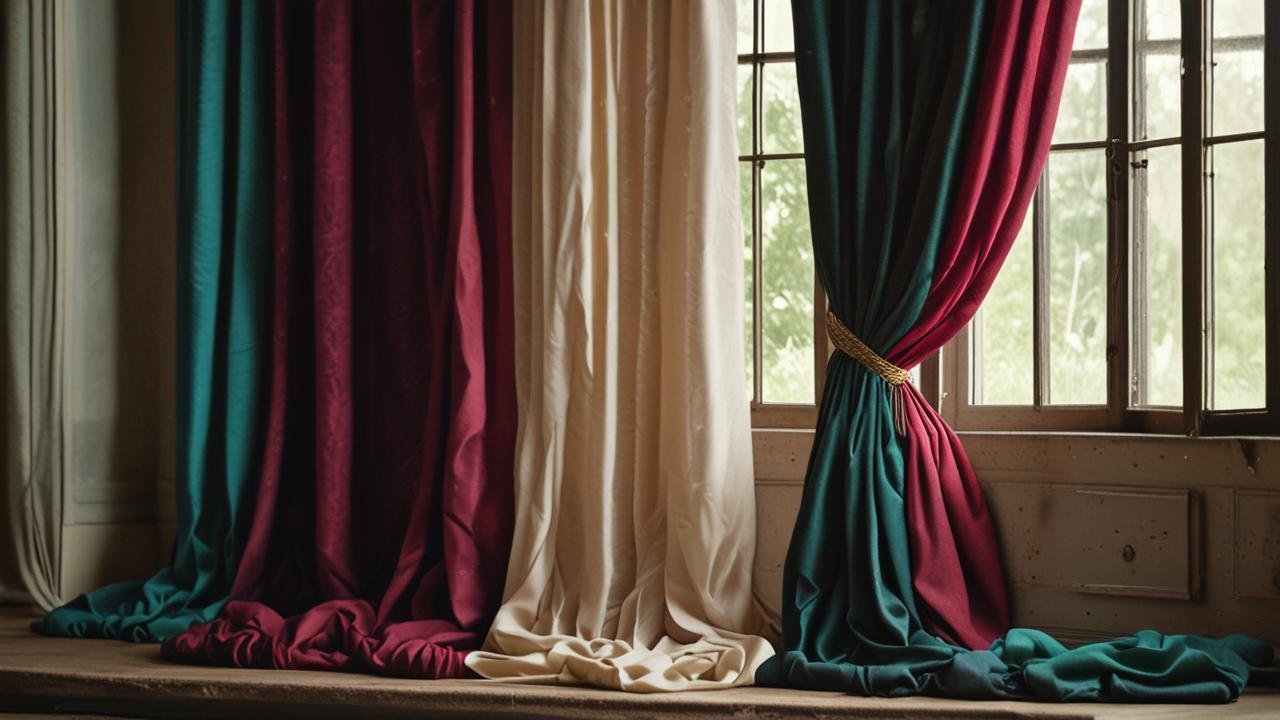
Understanding Curtain Fabrics
The materials curtains are made from play a big role in how they look, feel, and function. Different fabrics can make a room feel more formal, casual, light, or heavy. Knowing about these materials helps you pick curtains that not only look nice but also serve their purpose well, like blocking light or adding a bit of warmth.
We’ll explore some popular choices so you can make an informed decision for your living room.
Cotton Curtains
Cotton is a very popular choice for curtains because it’s natural, breathable, and easy to care for. It comes in many weaves, like lightweight voiles or heavier duck cloth. This means cotton curtains can be used for a variety of looks, from sheer and airy to more substantial and opaque.
Cotton drapes well and can be easily dyed, offering a vast array of colors and prints. They are great for everyday use in a living room. Cotton is also a good option if you want to block out some sunlight but still let a little light filter through.
For a casual feel, unlined cotton curtains are perfect. If you need more light blocking, you can opt for lined cotton curtains.
- Cotton is breathable and natural.
- It’s available in many weaves for different looks.
- Easy to clean and maintain.
- Great for a variety of styles, from casual to slightly more dressed up.
One great thing about cotton is its versatility. For example, imagine a bright living room with white cotton curtains that let sunlight stream in, making the space feel open and airy. This is a classic look that works in many homes.
On the other hand, a living room with heavier, patterned cotton curtains can feel more cozy and traditional, especially during cooler months.
Linen Curtains
Linen has a beautiful, natural texture that adds a touch of elegance and relaxation to any room. It’s a strong fiber, meaning linen curtains are durable. They have a lovely drape and often show subtle slubs and variations in the weave, which adds character and a handmade feel.
Linen lets light filter through gently, creating a soft glow rather than harsh shadows. This makes it ideal for living rooms where you want diffused natural light. While linen can be more expensive, its timeless appeal and durability make it a worthwhile investment for many homeowners.
They tend to wrinkle, but many people find this adds to their charm.
- Linen offers a natural, elegant texture.
- It’s strong and durable.
- Lets light filter through softly.
- Adds character with subtle weave variations.
Consider a living room designed with a coastal or Scandinavian theme. Light, natural linen curtains would be a perfect fit. They enhance the airy, relaxed atmosphere without blocking too much of the natural light, making the space feel larger and brighter.
The subtle texture of linen adds depth and interest to the overall decor.
Polyester and Synthetic Blends
Polyester and other synthetic blends are very popular because they are durable, wrinkle-resistant, and often more affordable than natural fibers. They can mimic the look of natural fabrics like linen or silk but are generally easier to care for. These materials are also great for blackout curtains because they can be coated or woven tightly to block light effectively.
Synthetic blends hold their color well, resisting fading from sunlight. They are also less likely to shrink or stretch. This makes them a practical choice for busy households or rooms that get a lot of sun.
You can find them in a huge range of styles, colors, and patterns to match any decor.
- Durable and wrinkle-resistant.
- Often more affordable.
- Can mimic natural fabrics.
- Excellent for light blocking and color retention.
A family with young children might choose polyester curtains for their living room. They can withstand more wear and tear, are easier to spot clean, and are less prone to damage from sunlight. For example, a child might accidentally touch the curtains with sticky hands; polyester is forgiving and can be wiped down easily.
They also come in fun patterns that can brighten up a playroom area within the living room.
Velvet and Silk
Velvet and silk curtains offer a luxurious and sophisticated look, perfect for adding a touch of opulence to a living room. Velvet has a rich, soft pile that absorbs light, creating a deep, dramatic effect. It’s also known for its excellent insulating properties, helping to keep a room warmer in winter and cooler in summer.
Silk curtains, whether made from pure silk or a silk blend, have a beautiful sheen and a graceful drape. They add a sense of elegance and can reflect light subtly, making a room feel a bit brighter. However, both velvet and silk can be more delicate and may require professional cleaning.
They are best suited for formal living rooms or for those seeking a high-end aesthetic.
- Velvet provides a rich, luxurious feel and good insulation.
- Silk offers a beautiful sheen and elegant drape.
- These materials are ideal for sophisticated or formal living rooms.
- May require special care and cleaning.
Imagine a grand living room with high ceilings and ornate furniture. Dark, plush velvet curtains in a jewel tone like emerald green or sapphire blue would be stunning. They would enhance the room’s elegance, add depth, and create a cozy atmosphere by absorbing ambient light.
The weight of the velvet also gives them a commanding presence.
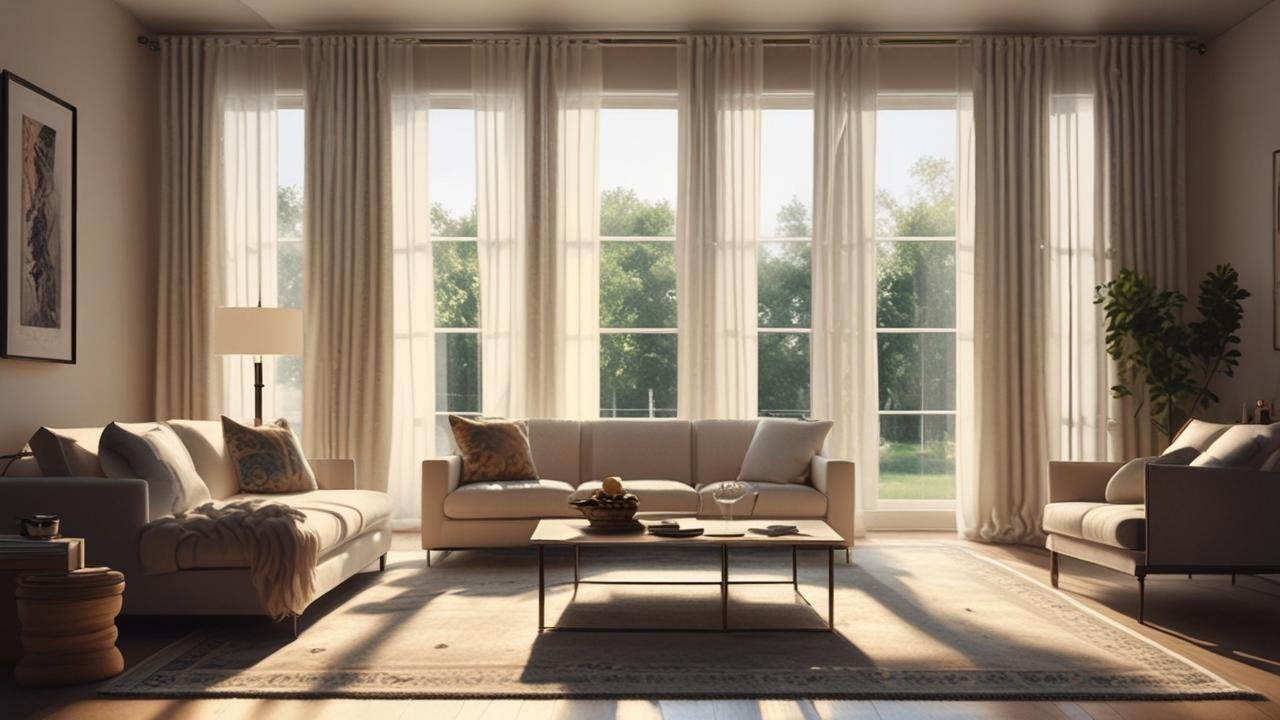
Choosing the Right Color and Pattern
The color and pattern of your curtains can drastically change the feel of your living room. They can make a room feel larger, smaller, warmer, cooler, or more energetic. Thinking about the existing colors in your room and the mood you want to create is key to picking the perfect look.
Neutral Colors
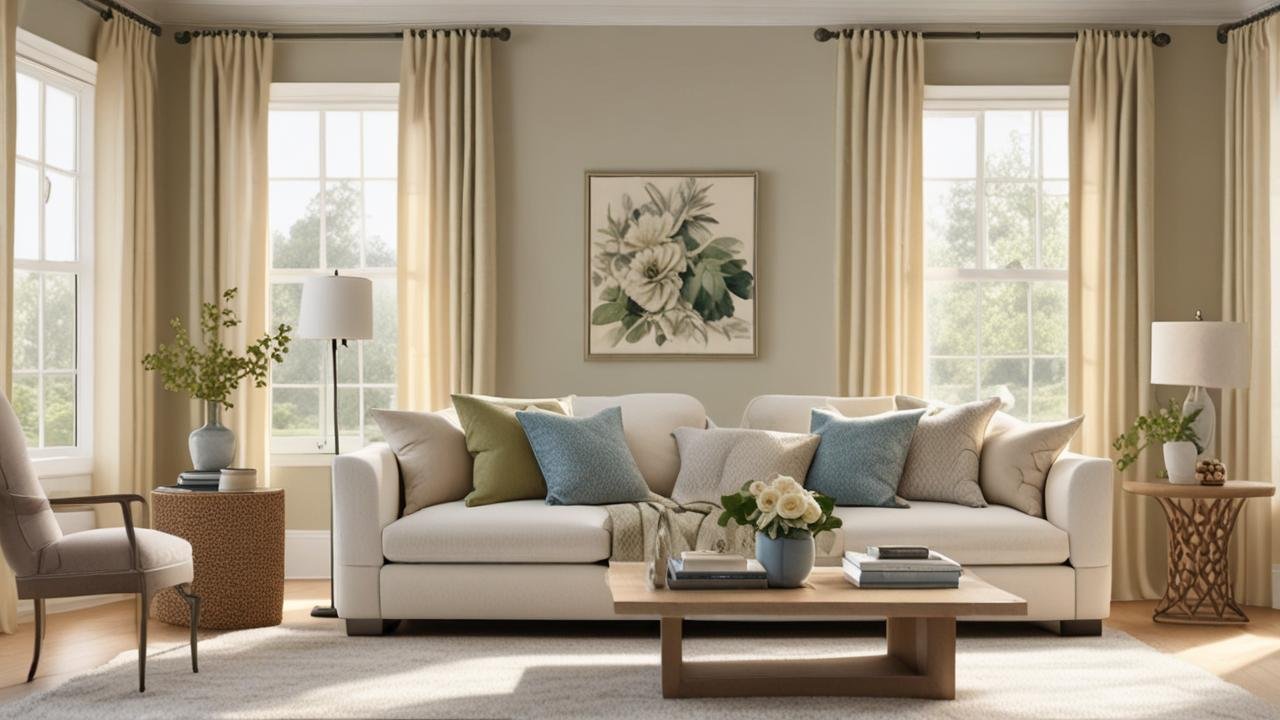
Neutral colors like beige, cream, grey, and white are incredibly versatile and a safe bet for most living rooms. They create a calm, serene atmosphere and are easy to pair with almost any other color in your decor. Neutral curtains also tend to make a room feel more spacious and open.
These colors act as a blank canvas, allowing your furniture, artwork, and other decorative items to stand out. If you prefer a minimalist or Scandinavian style, neutral curtains are a must. They provide a clean backdrop that is always in style and easy to update with seasonal decor.
For a touch of warmth, opt for warmer neutrals like beige or cream.
- Neutrals create a calm and serene atmosphere.
- They are versatile and pair with any color.
- Neutral curtains can make a room feel larger.
- Perfect for minimalist, Scandinavian, or modern styles.
If your living room has bold furniture or a vibrant rug, neutral curtains are a fantastic choice. For instance, a living room with a bright teal sofa and a geometric patterned rug would benefit from soft, off-white linen curtains. The curtains wouldn’t compete with the existing colors but would add texture and light, allowing the bolder elements to shine.
Bold and Bright Colors
Using bold or bright colors in your curtains can add personality and energy to a living room. They can serve as a focal point, drawing the eye and making a statement. If your room feels a bit dull or you want to add a splash of fun, consider vibrant hues like yellow, blue, red, or green.
When choosing bold colors, it’s helpful to pick a shade that complements other colors in your room, perhaps pulled from an accent piece or artwork. This creates a cohesive look. Bright curtains can make a smaller room feel more vibrant and exciting, but in a very large room, they can help to ground the space and make it feel more intimate.
They are a great way to express your personal style.
- Bold colors add personality and energy.
- They can act as a focal point in the room.
- Choose a color that complements existing decor.
- Can make a space feel more vibrant or grounded.
Imagine a living room with mostly neutral furniture and walls. Introducing curtains in a sunny yellow or a rich navy blue can instantly transform the space. For example, mustard yellow curtains can bring warmth and a touch of retro charm to a contemporary living room with grey sofas and a white fi
Patterns and Prints
Patterns and prints on curtains can add visual interest and depth to a living room. Whether it’s a classic floral, a modern geometric, or a subtle stripe, patterns can help tie a room together. The scale of the pattern is important; a large pattern can make a statement in a big room, while a smaller, more subtle pattern might be better for a smaller space.
When selecting a patterned curtain, look for colors that are already present in your room’s decor. This creates a sense of harmony. For example, if you have a rug with a pattern that includes navy blue and gold, you could choose curtains that feature these colors in a complementary pattern.
This makes the room feel more thoughtfully designed. Patterns can also help hide minor imperfections or wear.
- Patterns add visual interest and depth.
- Scale of the pattern matters for different room sizes.
- Match pattern colors to existing decor for a cohesive look.
- Can help disguise minor wear and tear.
Consider a living room with a collection of patterned throw pillows. Choosing curtains with a subtle stripe or a damask pattern that echoes one of the pillow colors can be a stylish move. For example, a living room with floral pillows might look beautiful with curtains featuring a simple, small-scale floral or a complementary leaf-and-vine pattern in a similar color palette.
This ties the elements together.
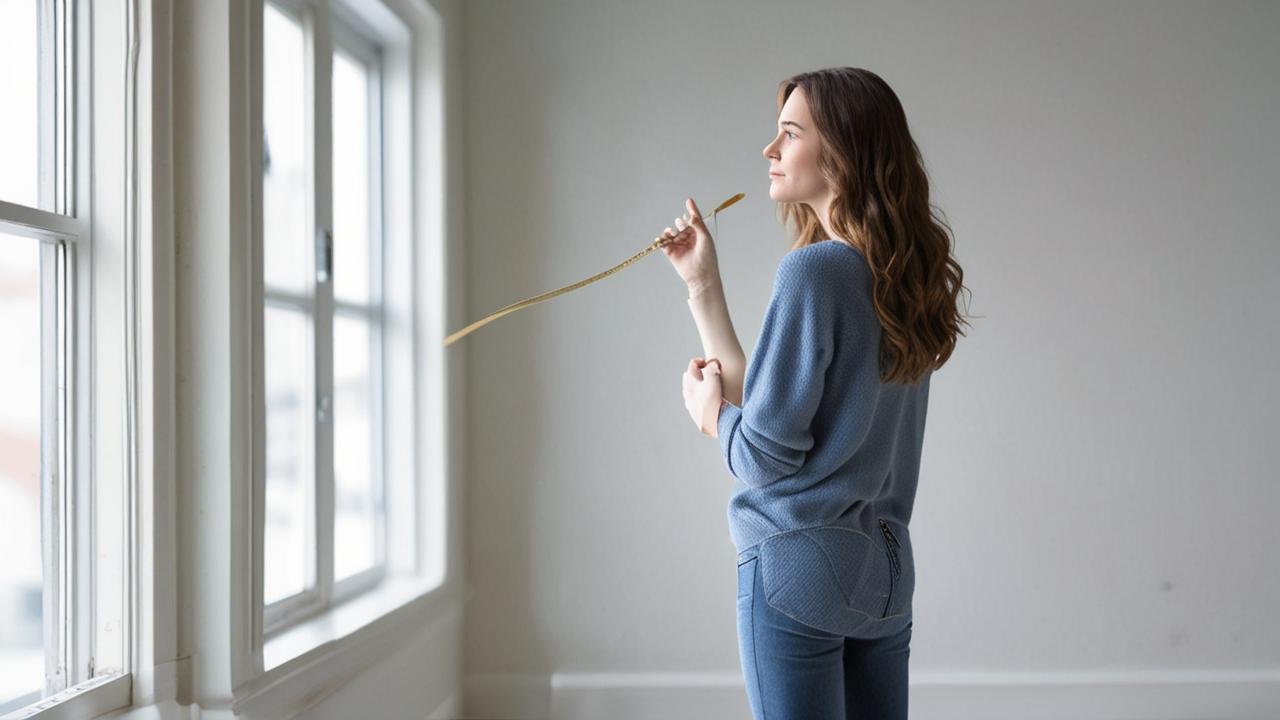
Measuring for Curtains
Getting the measurements right is one of the most important steps in choosing curtains. Incorrectly sized curtains can make a window look awkward and can even make the room feel off. Taking the time to measure accurately ensures your curtains will hang beautifully and function as you intend.
Window Width
To determine the correct width for your curtains, you need to measure the width of your window. It’s generally recommended to have curtain panels that are about 1.5 to 2 times the width of your window. This fullness makes the curtains look lush and helps them drape nicely when closed.
Measure the width of the window frame itself. Then, decide where you want the curtain rod to extend beyond the frame. A good rule of thumb is to extend the rod 4 to 8 inches on each side of the window.
Add this extra width to your window measurement before calculating how wide your panels should be. This ensures the curtains don’t look skimpy and effectively cover the window when closed.
- Measure the width of your window frame.
- Curtain panels should be 1.5 to 2 times the window width for fullness.
- Extend the curtain rod 4-8 inches beyond the window on each side.
- Add extra width for a more luxurious look.
Let’s say your living room window is 60 inches wide. If you want a full look, you’ll aim for panels that add up to about 90 to 120 inches wide (1.5 to 2 times 60). If you plan to extend your curtain rod 6 inches on each side, that’s an additional 12 inches for the rod.
You’ll then purchase panels that cover at least 90 inches when combined, mounted on this wider rod. This creates a beautiful, soft drape.
Curtain Length
The length of your curtains can dramatically affect the style and perceived height of your room. There are a few popular options for curtain length, and the best choice depends on the look you want and the height of your ceiling.
You can have curtains that just touch the floor, a style often called “puddle” curtains if they have a bit of extra fabric pooling on the floor, or curtains that end just above the floor. Curtains that just touch the floor create a clean, polished look. Puddling curtains add a sense of luxury and softness, but they can be a tripping hazard and collect dust.
Hanging curtains slightly above the floor can make a room feel taller.
Measure from where you plan to hang the curtain rod down to your desired endpoint (floor, windowsill, etc.). Always double-check your measurements and consider shrinkage if you’re washing them later. It’s often better to have curtains that are a little too long, as they can be hemmed, rather than too short.
- Decide between floor-length, puddle, or sill-length curtains.
- Floor-length creates a clean, polished look.
- Puddle curtains add luxury but require more maintenance.
- Measure from the rod to the desired end point.
For a modern and clean living room, curtains that just kiss the floor are ideal. If your living room has a more traditional or romantic feel, a slight puddle can add a beautiful, opulent touch. Measure from the rod down to about half an inch above the floor for the perfect floor-length.
For a puddle effect, add an extra 1-3 inches to that measurement.
Hanging Styles and Hardware
How your curtains are hung and the hardware you use are just as important as the curtains themselves. The right hanging style can complement your decor and make your windows a beautiful feature in your living room.
Grommet Curtains
Grommet curtains have metal rings sewn into the top edge, which then slide onto a curtain rod. This style creates large, even pleats that give a modern and clean look. They are easy to slide open and closed, making them a practical choice for living rooms where you might adjust the curtains frequently.
Grommets come in various finishes like brushed nickel, oil-rubbed bronze, or brass, so you can match them to your room’s hardware. The large, open pleats created by grommets give curtains a very full and structured appearance. This style works well with contemporary, transitional, and even some modern farmhouse designs.
- Grommets create modern, even pleats.
- Easy to slide open and closed.
- Available in various metal finishes.
- Pairs well with contemporary and modern styles.
A living room with a sleek, modern sofa and minimalist decor would look great with grommet curtains. The clean lines of the grommets and the even pleats of the fabric complement the overall aesthetic. For instance, charcoal grey grommet curtains on a brushed nickel rod would create a sophisticated look that is both stylish and functional.
Rod Pocket Curtains
Rod pocket curtains have a sewn channel or pocket at the top where you slide the curtain rod through. This creates a gathered, ruffled look at the top of the curtain. It’s a more traditional style that can add a soft, romantic feel to a room.
One thing to note with rod pocket curtains is that they can be a bit harder to open and close because the fabric rubs directly against the rod. Also, the rod pocket width determines how much the curtain will gather, so it’s important to get the right size rod and curtain for the best look. This style works well in more traditional, country, or shabby chic living rooms.
- Rod pocket creates a gathered, ruffled look.
- Offers a soft, traditional, or romantic feel.
- Can be harder to open and close.
- Best suited for traditional or country decor.
Consider a cozy living room with a fi
Curtain Rings with Clips
Using curtain rings with clips offers great flexibility. The clips attach directly to the top hem of the curtain, and the rings then hook onto your curtain rod. This method allows you to use almost any type of fabric or curtain heading, and you can easily adjust the fullness and spacing of the curtains.
This style is also very easy to hang and adjust. It can give a more informal or casual look. The clips are visible, so you might want to choose rings and clips that match your rod or decor.
This is a good option if you want to hang curtains that don’t have a pre-made heading like a rod pocket or grommets.
- Offers flexibility with different curtain types.
- Easy to attach and adjust.
- Can create a casual or informal look.
- Visible clips can be a decorative element.
If you have curtains with a simple flat top or a tab-top heading, using rings with clips is a great choice. For a bohemian-inspired living room, you might choose decorative rings with ornate clips to hang textured, artisanal curtains. This adds a unique touch that reflects personal style.
Curtain Rods and Finials
The curtain rod itself is a key part of the hardware. They come in many materials, such as metal, wood, and even glass. The finials, which are the decorative caps at the end of the rod, can add a significant design element to your window treatment.
Simple ball finials, ornate scrollwork, or geometric shapes can all change the overall look.
When choosing a rod, consider its diameter. A thicker rod might be better for heavier curtains, while a thinner rod can look more delicate. The finish of the rod and finials should complement other hardware in your room, like door handles or light fixtures.
For example, a brushed nickel rod with simple ball finials suits a contemporary living room, while an oil-rubbed bronze rod with intricate scroll finials works well in a more traditional setting.
- Rods come in various materials and diameters.
- Finials add a decorative touch.
- Match rod finish and style to room decor.
- Diameter of the rod should suit curtain weight.
In a living room aiming for an industrial chic style, a black metal curtain rod with simple, clean-lined finials would be a perfect choice. It’s functional, durable, and adds to the room’s edgy aesthetic without being overly fussy. The black metal ties in with other industrial elements like exposed brick or metal furniture.
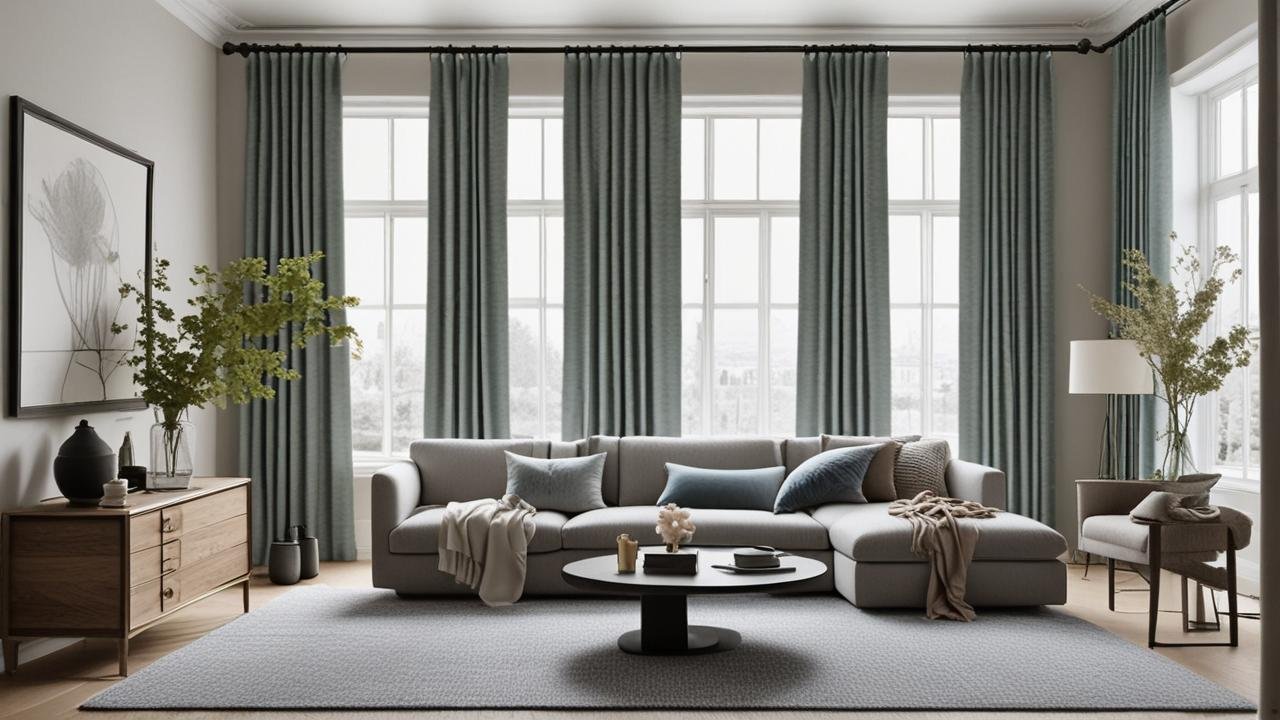
Light Control and Privacy
When picking curtains for your living room, think about how much light you want to let in and how much privacy you need. Curtains can be used to create different moods and levels of comfort in your space, depending on their material and lining.
Sheer Curtains
Sheer curtains are made of lightweight, translucent fabric. They are designed to diffuse sunlight, softening its intensity while still allowing a good amount of natural light to enter the room. They provide minimal privacy, mostly offering a gentle screen during the day that makes it hard for people outside to see clearly in, especially when it’s brighter outside than inside.
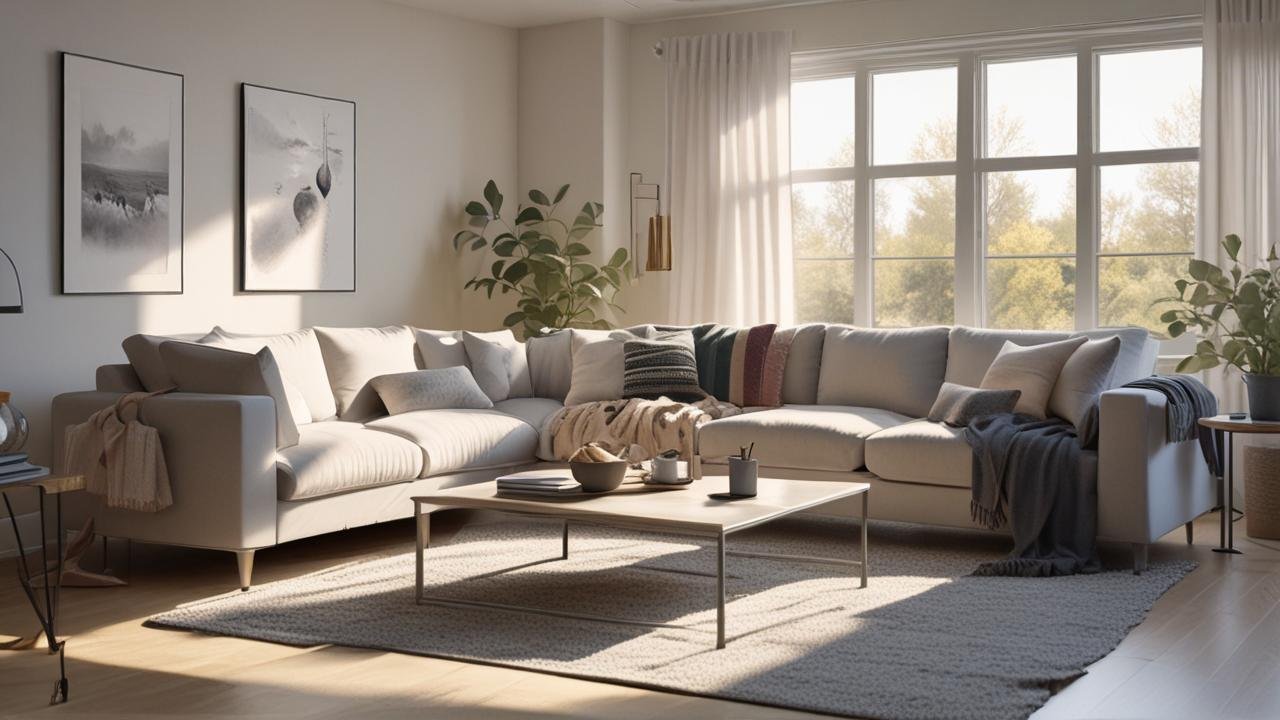
Sheer curtains are excellent for creating an airy, open feel in a living room. They can be used on their own for a delicate look or layered with heavier drapes for added style and light control. They are perfect for rooms where you want to enjoy natural light without harsh glare or the feeling of being completely exposed.
They add a soft touch and can make a room feel larger.
- Sheer curtains let in diffused natural light.
- They offer minimal privacy.
- Create an airy and open feel.
- Ideal for softening sunlight and adding a delicate touch.
A living room with beautiful natural light but perhaps a view that isn’t particularly appealing might benefit from sheer curtains. For example, if your living room windows face a busy street, sheer white linen curtains can allow the light in but obscure the direct view of passersby, offering a sense of calm while keeping the room bright.
Light-Filtering Curtains
Light-filtering curtains offer a good balance between letting in natural light and providing privacy. Made from fabrics that are not fully opaque, they allow sunlight to pass through but block direct sun rays, preventing harsh glare. They can also obscure the view from outside, offering more privacy than sheers but still allowing some light to brighten the room.
These curtains are a popular choice for living rooms because they allow you to enjoy daylight without completely sacrificing privacy. They come in a variety of fabrics, from cotton blends to polyester, and can be unlined or lightly lined. This type of curtain is versatile and can suit many decor styles, providing a comfortable ambiance for everyday living.
- Balance light and privacy effectively.
- Block direct sun rays and reduce glare.
- Offer moderate privacy from outside views.
- Versatile for various decor styles.
Imagine a living room where you want to read or watch TV during the day without being bothered by direct sun. Light-filtering curtains in a medium-weight cotton would be perfect. For instance, in a room with south-facing windows, beige light-filtering curtains can soften the midday sun, making it comfortable to relax without making the room dark.
Blackout Curtains
Blackout curtains are designed to block out almost all light. They are often made with a special dense weave or a blackout lining that prevents light from passing through. This makes them ideal for bedrooms, but they can also be useful in a living room, especially if you want to create a home theater experience or protect furniture from sun damage.
While they are excellent for light control, blackout curtains can sometimes make a room feel darker and smaller, especially if used in a room that relies heavily on natural light. However, they also offer great insulation, helping to keep the room cooler in summer and warmer in winter. They provide complete privacy.
- Block nearly all external light.
- Excellent for creating a dark environment.
- Offer superior insulation for temperature control.
- Provide complete privacy.
If your living room also serves as a space for movie nights or you have a TV that gets a lot of glare, blackout curtains can be a great addition. For example, dark blue or deep grey blackout curtains can enhance the cinematic feel of a living room dedicated to entertainment. When closed, they completely block out any distracting light, ensuring a better viewing experience.
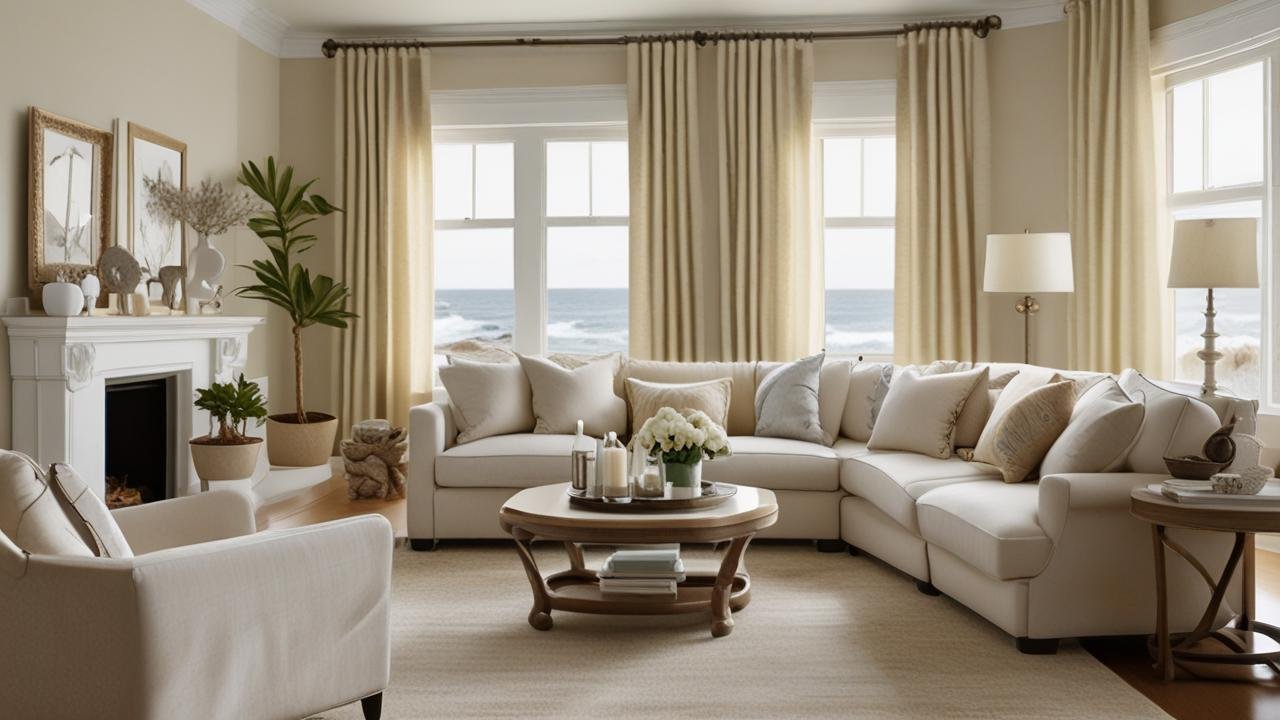
Matching Curtains to Your Living Room Style
Your living room curtains should feel like they belong. They should complement your furniture, wall color, and overall decor style. Thinking about the existing elements in your room will help you choose curtains that enhance, rather than clash with, your design.
Modern and Contemporary
For a modern or contemporary living room, clean lines and simple designs are key. Think about solid colors, geometric patterns, or subtle textures. Fabrics like linen, cotton blends, or even textured synthetics work well.
The hanging style often favors grommets or simple rod pockets with minimal fuss.
The goal is to create a sleek, uncluttered look. Neutral colors like grey, white, black, and beige are popular, but a bold, solid accent color can also work if it complements other elements. Avoid fussy details, elaborate prints, or heavy embellishments.
The curtains should add to the room’s sophisticated simplicity.
- Emphasize clean lines and simple designs.
- Solid colors, geometric patterns, or subtle textures are ideal.
- Grommets or simple rod pockets are common hanging styles.
- Neutral colors or a single bold accent color work best.
A living room with a sleek sofa, glass coffee table, and abstract art would suit modern curtains perfectly. For example, floor-to-ceiling grey linen curtains hung on a minimalist metal rod would provide a sophisticated finish. The curtains’ simplicity would enhance the room’s clean aesthetic without drawing too much attention.
Traditional and Classic
Traditional and classic living rooms often feature richer fabrics, more detailed patterns, and ornate hardware. Think about velvet, damask, brocade, or floral prints. Curtains might be fuller, with pleats or gathers, and often have decorative tie-backs.
Rod pocket or pinch-pleated curtains are common in traditional styles. The colors might be deeper, like burgundy, navy, or forest green, or softer, like cream or gold. The hardware can include detailed finials and sturdy rods.
The overall feel is one of elegance, comfort, and timelessness.
- Favor richer fabrics and detailed patterns.
- Velvet, damask, and floral prints are popular.
- Fuller drapes with pleats or gathers are common.
- Ornate hardware enhances the classic look.
A living room with antique furniture, a fi
Bohemian and Eclectic
Bohemian and eclectic styles are all about personal expression and mixing different elements. Curtains in this style can be very varied. You might find natural fabrics like cotton or linen, perhaps with artisanal prints, macrame details, or vibrant, mixed patterns.
Layering different curtains can also be a feature.
The key is to embrace individuality and avoid rigid rules. Curtains might be handmade, vintage, or feature global-inspired designs. The hanging style can be more relaxed, perhaps using clips or even a simple rod.
It’s about creating a space that feels unique, comfortable, and full of personality.
- Embrace personal expression and mix styles.
- Natural fabrics with artisanal prints or global designs are common.
- Layering different curtains can be used.
- The look is relaxed and full of personality.
For a bohemian living room with layered rugs, varied textures, and colorful cushions, the curtains should add to the eclectic feel. For example, a mix of sheer patterned curtains layered with solid, brightly colored cotton panels on the same rod would create a vibrant and unique look. This playful approach is characteristic of bohemian style.
Frequently Asked Questions
Question: What is the best fabric for living room curtains if I want a cozy feel?
Answer: For a cozy feel, consider heavier fabrics like velvet or thick cotton. These materials add warmth and can help insulate the room, making it feel more inviting and comfortable, especially during cooler months.
Question: How do I make my living room look bigger with curtains?
Answer: To make your living room look bigger, hang curtains higher and wider than the window. Using lighter colors and sheer or light-filtering fabrics also helps to create an illusion of more space and light.
Question: Should my curtains match my sofa exactly?
Answer: Not necessarily. Curtains don’t need to match your sofa exactly. It’s often better if they complement your sofa and the rest of the room’s color scheme.
You can pick a color from your sofa or other decor items to use in your curtains for a cohesive look.
Question: How often should I clean my living room curtains?
Answer: The cleaning frequency depends on the fabric and your living environment. Generally, most living room curtains can be cleaned every few months, or when they appear dusty or show signs of wear. Always check the care label for specific instructions.
Question: Can I use different types of curtains on the same window?
Answer: Yes, layering curtains is a popular design choice. You can layer sheer curtains underneath heavier drapes to control light and privacy, or mix patterns and textures for a more decorative effect. This adds depth and versatility to your window treatments.
📌 Check our Pinterest Profile for more inspiration
View on PinterestConclusion
Choosing curtains for your living room is about finding the right balance of style, function, and personal preference. We’ve covered fabrics, colors, patterns, measurements, and hanging styles. You now have the tools to select curtains that will make your living room look and feel just right.
Pick what you love, and enjoy your beautifully dressed windows!