Many people wonder How to Choose Decor for a Minimalist Living Room. It can seem tricky to get that clean, simple look without it feeling empty. You might worry about making the wrong choices or ending up with too much stuff.
Don’t worry! We’ll show you a simple way to pick out just the right things. We’ll cover everything you need to know to create a calm and stylish space that you’ll love.
Key Takeaways
- You will learn the main ideas behind minimalist decor.
- Discover how to pick furniture that is both useful and looks good.
- Find out which colors work best for a minimalist room.
- Understand how to use lighting to make your space feel inviting.
- Learn the best ways to add decorative items without clutter.
What is Minimalist Decor?
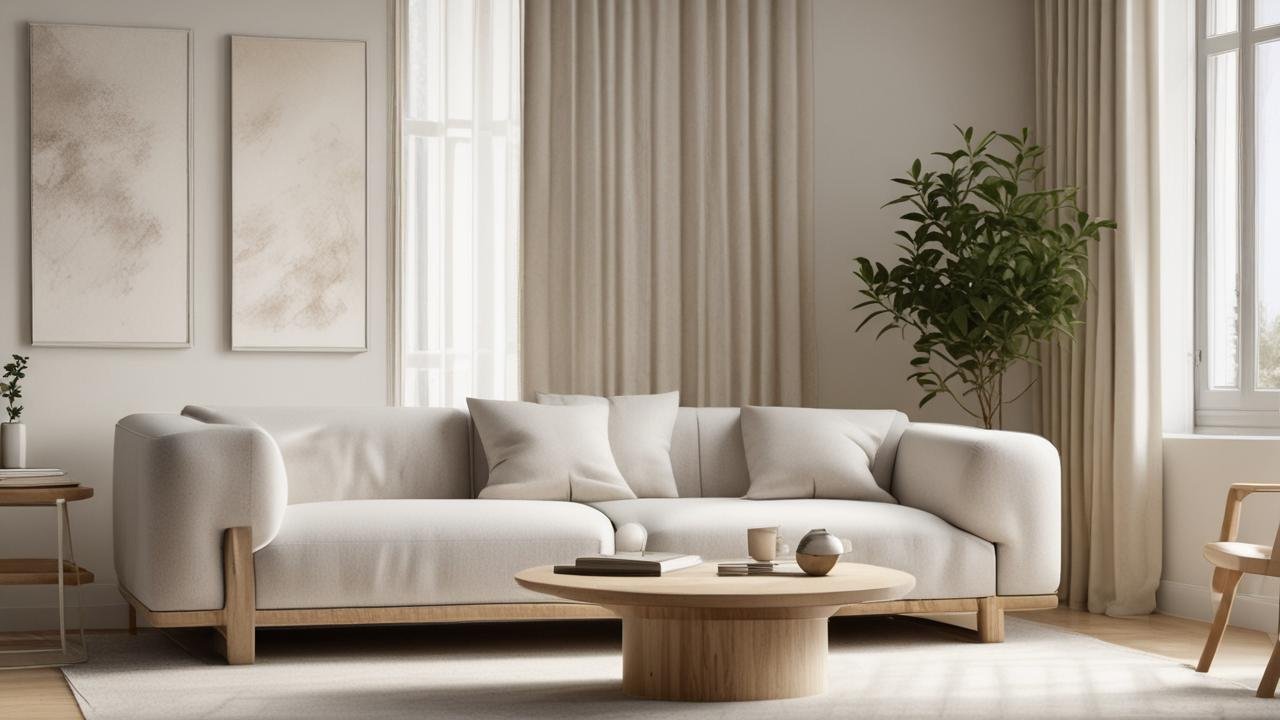
Minimalist decor is all about keeping things simple and clean. It focuses on having only the essentials and making sure everything has a purpose. The goal is to create a calm and uncluttered space that feels peaceful.
Think of it as “less is more.” Every item in the room should add value, whether it’s for function or beauty. This style helps reduce stress and makes a room feel bigger and more open.
Core Principles of Minimalism
The heart of minimalist design lies in a few key ideas. First, it’s about intentionality. This means choosing each item carefully.
You ask yourself if you truly need it or if it brings you joy. Second, functionality is very important. Furniture and decor should serve a practical purpose.
For example, a coffee table should hold your drinks or books, not just sit there for looks.
Another principle is the use of space. Minimalist rooms often have a lot of open space. This helps the room feel airy and less crowded.
Clutter is the enemy of minimalism. So, finding smart storage solutions is also a big part of it. Finally, quality over quantity is a guiding light.
It’s better to have one well-made, beautiful item than several cheap ones that will break or look worn out quickly.
Why Less is More
The idea of “less is more” in minimalist design isn’t just about having fewer things. It’s about making the things you do have stand out and have a greater impact. When you have fewer objects, each one gets more attention.
This makes the items you’ve chosen feel more special and valuable. It also helps to reduce visual noise. Too many items can make a room feel chaotic and overwhelming.
Having less stuff can also make cleaning easier and quicker. When there are fewer surfaces to dust and fewer items to move, your chores become simpler. This frees up your time and energy.
A clutter-free environment is also known to boost focus and creativity. It allows your mind to rest and not be distracted by too many visual stimuli.
The Feeling of a Minimalist Space
A well-designed minimalist living room feels very calm and serene. It’s a place where you can relax and unwind. The clean lines and open spaces contribute to this feeling of peace.
Natural light often plays a big role, making the room feel bright and airy. The absence of clutter helps clear your mind. You might feel more focused and less stressed when you’re in a minimalist environment.
The focus is on creating a comfortable and functional home. It’s not about being cold or uninviting. Instead, it’s about creating a space that feels intentional and well-thought-out.
This can lead to a deeper sense of comfort because everything has its place. It’s a style that promotes tranquility and a connection to the present moment.
Choosing the Right Furniture
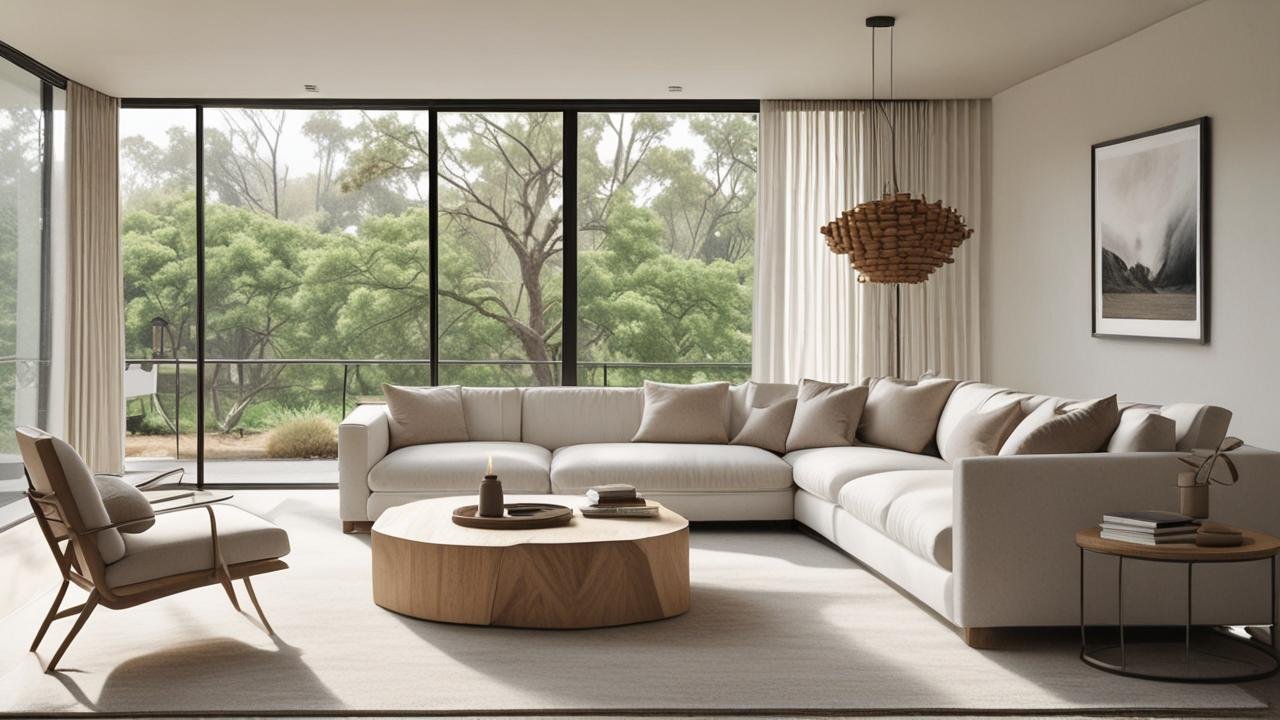
When thinking about furniture for a minimalist living room, always remember that it needs to be functional first. Each piece should have a clear purpose and add to the room’s usability. Look for items with clean lines and simple shapes.
Avoid furniture with too many ornate details or busy patterns. Think about comfort and how the furniture will be used daily.
Selecting Functional Pieces
The most important aspect of minimalist furniture is its function. Every sofa, chair, or table should serve a practical role. For instance, a sofa should be comfortable for sitting and relaxing.
A coffee table should provide a surface for drinks, books, or a remote. If you have a side table, it should hold a lamp or a drink.
Multipurpose furniture is also a great choice for minimalism. Think about ottomans that have storage inside, or sofa beds that can offer an extra sleeping space. This helps reduce the number of items you need.
Smart storage solutions are key. Built-in shelves or cabinets can hide away clutter.
Furniture Styles and Shapes
Minimalist furniture often features simple, geometric shapes. Think clean, straight lines or gentle curves. Avoid anything that looks overly bulky or decorative.
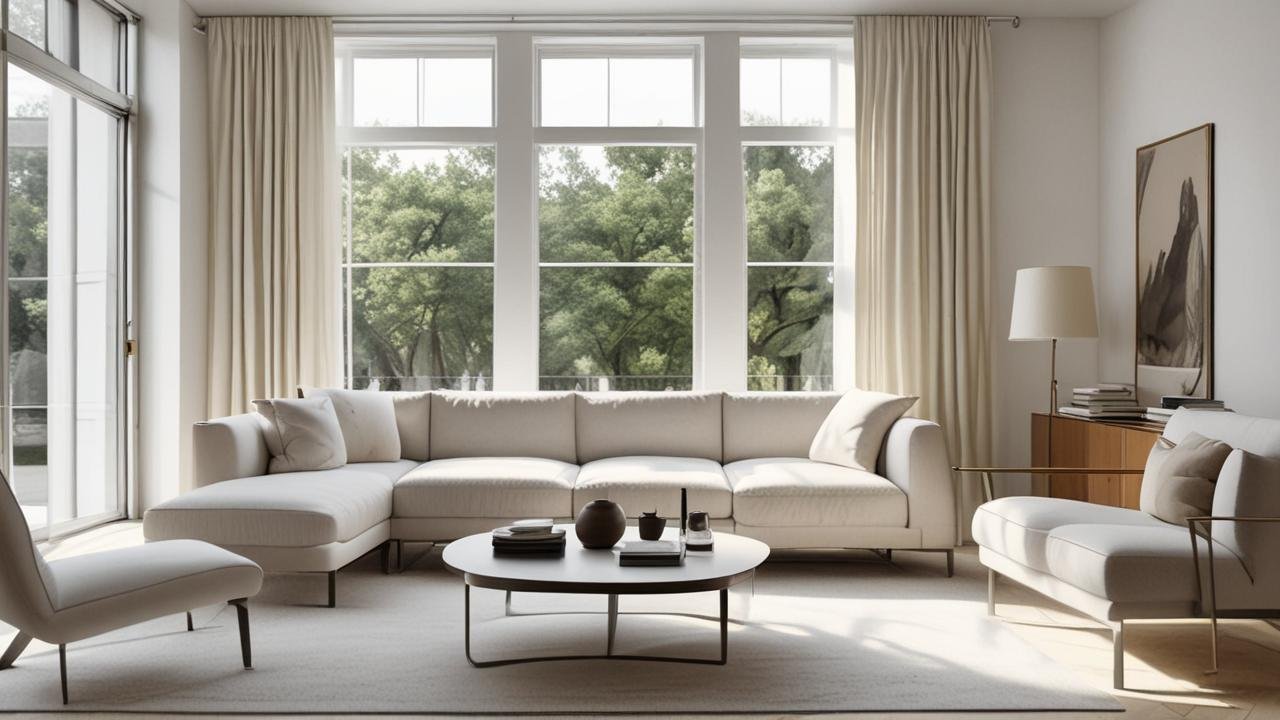
Furniture with a low profile can make a room feel more spacious. This includes sofas with slim arms and legs, and coffee tables that are not too tall.
The overall silhouette of the furniture should be sleek. Materials often used include wood, metal, and simple fabrics. The focus is on quality and a smooth finish.
For example, a solid wood coffee table with a matte finish looks very clean. A sofa with a simple, tailored upholstery fits perfectly.
Consider furniture that can be easily moved or reconfigured if needed. This adds to the flexibility of your living space. It allows you to adapt the room for different activities or moods.
The goal is to have furniture that complements the space without dominating it.
Storage Solutions
Smart storage is crucial in a minimalist living room. You want to keep things tidy and out of sight. Built-in shelving units can look seamless and provide ample space for books or decorative items.
Floating shelves offer a clean look while still providing display or storage areas.
Ottomans with hidden storage are also fantastic. They can be used as extra seating or a footrest, and they can hide blankets, magazines, or toys. Media consoles with drawers or doors help conceal electronics and cables.
The key is to choose storage that blends in with the room’s design, rather than standing out as an addition.
For example, imagine a sleek, white media console with handleless drawers. It would look like part of the wall. This hides the TV, the sound system, and all the messy wires.
Another idea is a slim bookshelf with just a few well-chosen items on each shelf. This keeps the look open and uncluttered.
Color Palettes for Minimalism
Color plays a vital role in creating a minimalist atmosphere. Minimalist spaces often use a neutral color palette. This helps create a calm and soothing environment.
These colors are also versatile and make it easy to add pops of color if desired. The right colors can make a room feel larger and brighter.
Neutral Base Colors
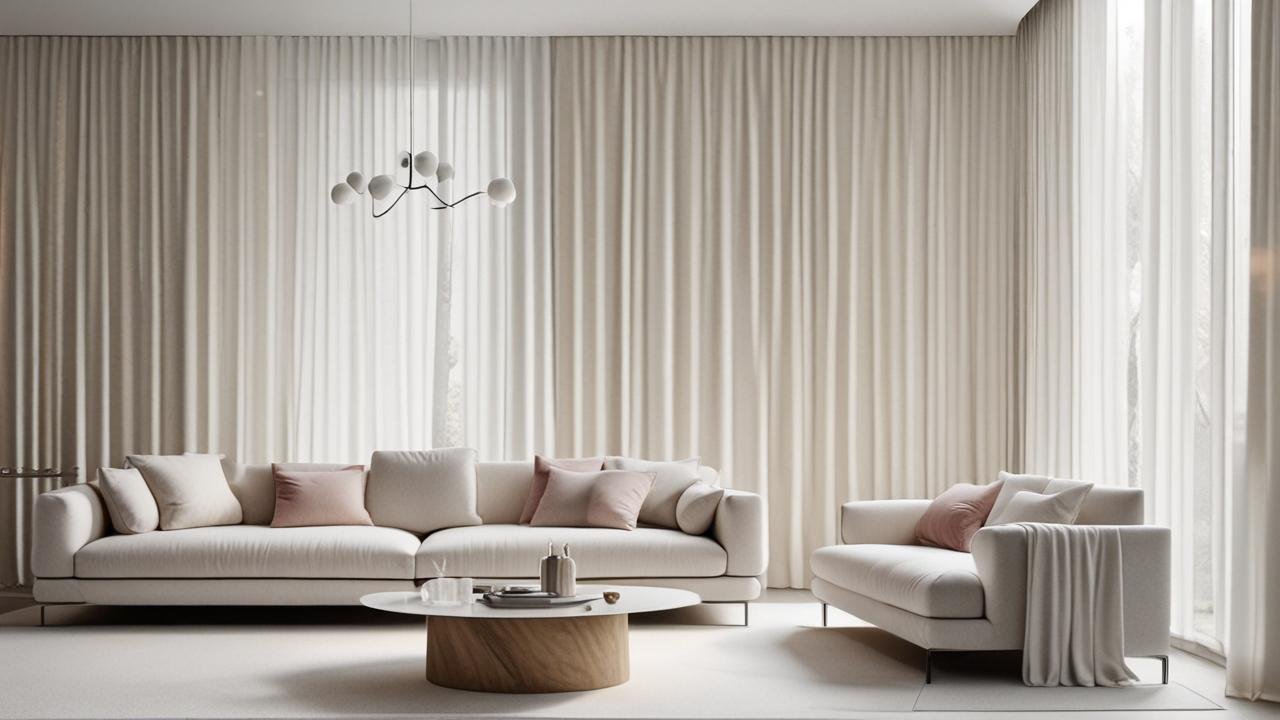
Neutral colors are the foundation of a minimalist color scheme. Whites, creams, grays, and beiges are excellent choices. These colors are calming and provide a clean backdrop.
They also make it easy for other elements in the room, like textures and natural materials, to stand out.
For example, a living room painted in a soft white can feel very airy and spacious. Adding furniture in light gray or beige creates layers of subtle color. This approach avoids overwhelming the senses.
It allows the architecture of the room and the shape of the furniture to take center stage.
These neutral tones also reflect light well. This is especially beneficial in rooms that don’t get a lot of natural sunlight. A lighter palette can make a small room feel much bigger.
It creates an illusion of more space and an open, welcoming feel.
Adding Accent Colors
While neutrals are dominant, you can introduce accent colors. These should be used sparingly to add personality and interest without creating clutter. Think of a single throw pillow in a deep blue, or a piece of art with a touch of emerald green.
These small touches can make a big difference.
The key is to choose accent colors that complement your neutral base. A deep forest green or a muted terracotta can add warmth. A soft blue or a gentle lavender can add a sense of calm.
These colors should feel intentional, like a carefully placed jewel. They are not meant to overpower the space but to enhance it.
One good strategy is to pick one or two accent colors and use them consistently. For instance, if you choose a soft blush pink, you might have a few decorative objects in that color. You could have a small vase or a candle.
This creates a subtle visual thread throughout the room.
Understanding Color Psychology
Colors have a big impact on our feelings and moods. Neutral colors like white and gray are often associated with calmness and order. They can help reduce stress and promote a sense of peace.
This is perfect for a minimalist living room, which aims to be a sanctuary.
Warmer neutrals, like beige and cream, can add a cozy feel without making the room feel busy. They bring a sense of comfort and warmth. If you introduce accent colors, consider their effect.
Blues and greens can be very calming. Reds and oranges can be energizing but should be used in small doses to avoid making the space feel too intense.
Choosing colors that align with the feeling you want to create is important. If you want a space for relaxation, stick to cooler, softer tones. If you want a room that feels a bit more lively but still calm, consider a warm neutral with a subtle, muted accent color.
Lighting and Decor Elements
Lighting is a crucial part of any room, and in a minimalist space, it plays an even more significant role. It can transform the mood and highlight the chosen decor. Decorative elements should be carefully selected to enhance the simplicity, not detract from it.
Every item should have a purpose or bring significant aesthetic value.
Strategic Use of Light
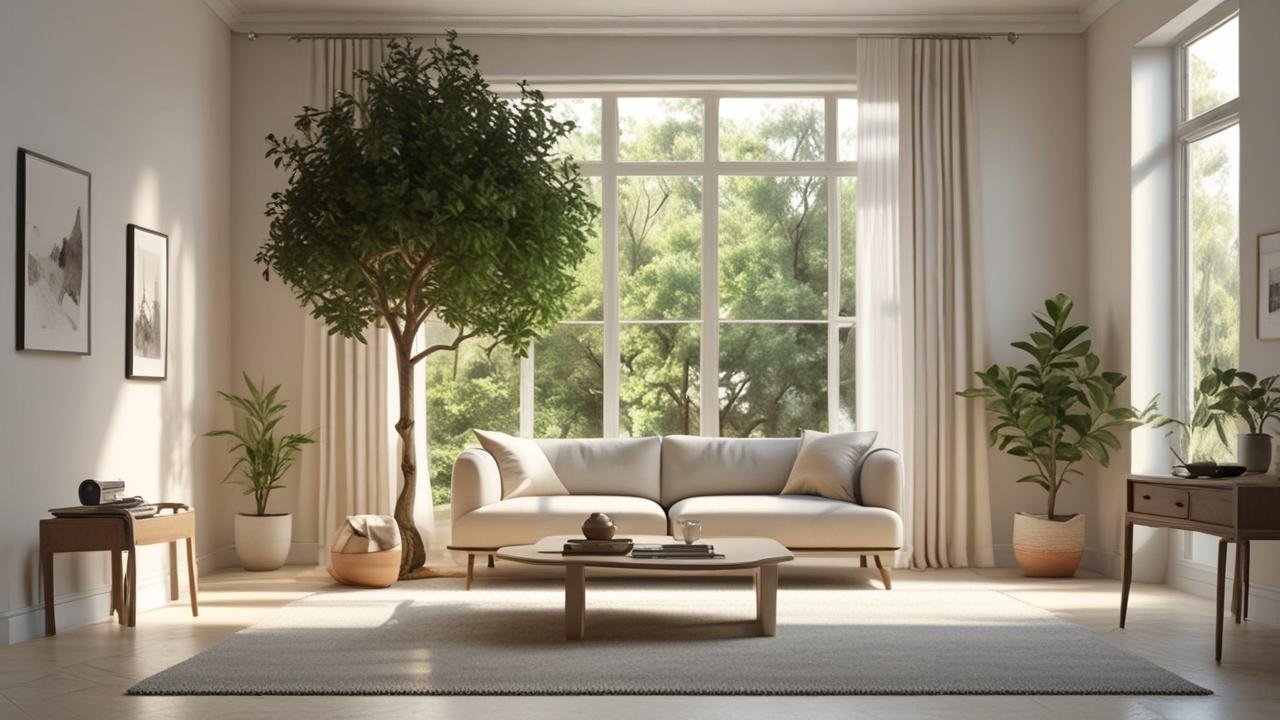
Natural light is a minimalist’s best friend. Maximize it by keeping window treatments simple and light. Think sheer curtains or blinds that can be easily adjusted.
Natural light makes a room feel more open and vibrant. It reduces the need for artificial lighting during the day.
Artificial lighting should be layered. This means having different sources of light at various levels. Ambient lighting provides overall illumination, like ceiling fixtures.
Task lighting offers focused light for activities, such as reading lamps. Accent lighting can highlight artwork or architectural features.
For example, a sleek floor lamp beside a reading chair provides task lighting. A simple pendant light over a coffee table can provide ambient light and a decorative touch. Dimmers are also a great addition.
They allow you to adjust the intensity of the light to create different moods.
Choosing Decorative Items
In minimalism, “decor” doesn’t mean clutter. It means thoughtfully chosen items that add beauty and personality. Focus on quality over quantity.
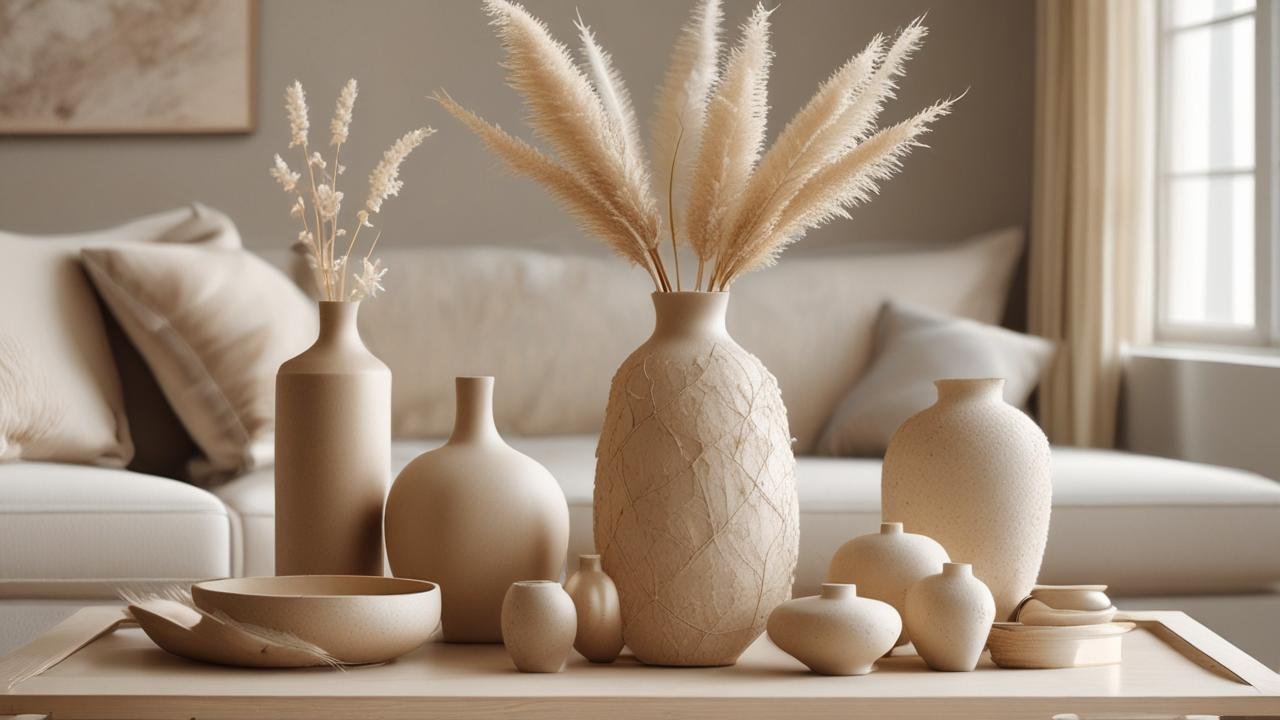
A single, well-crafted ceramic vase can be more impactful than a collection of small trinkets.
Consider items that have interesting textures. A chunky knit throw blanket, a woven basket, or a piece of natural wood can add warmth and depth to a room. These elements provide sensory interest without adding visual noise.
They connect the space to natural materials.
Artwork is another great way to add personality. Choose one or two pieces that you love. They can be paintings, prints, or photographs.
Simple frames often work best. The art should complement your color scheme and the overall feel of the room.
Incorporating Natural Elements
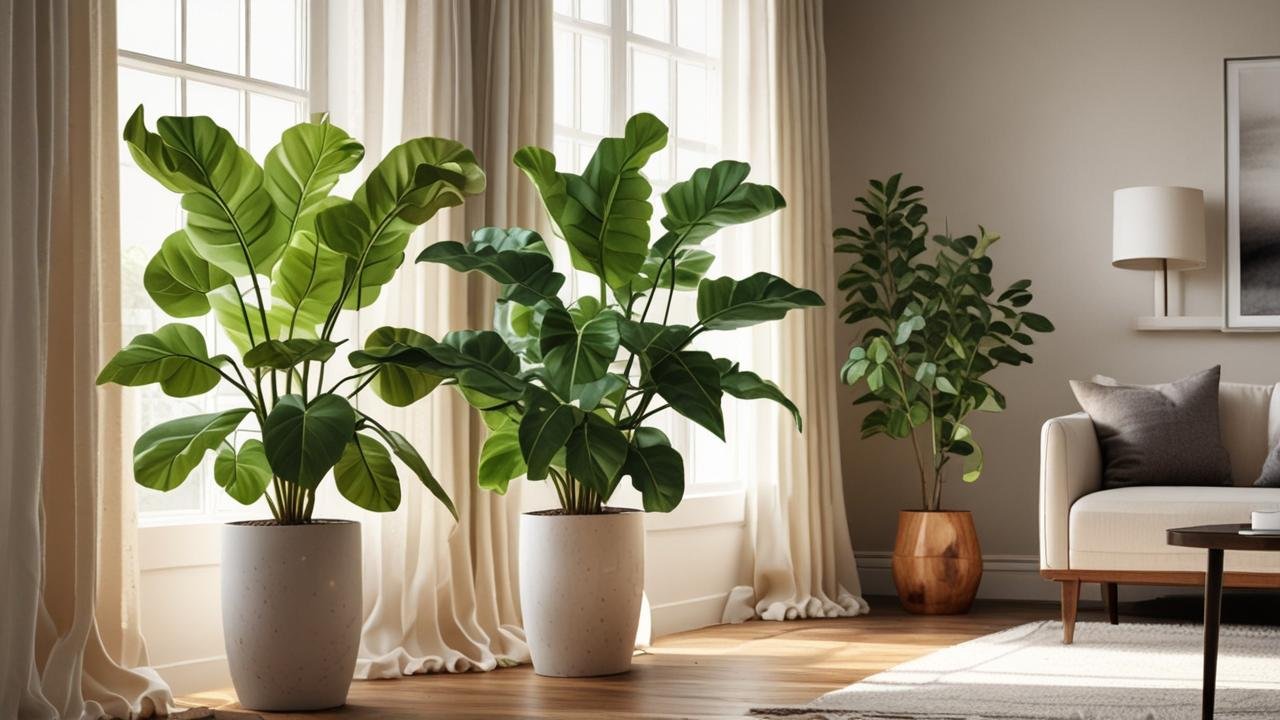
Bringing nature indoors is a wonderful way to add life and calm to a minimalist living room. Plants are a fantastic choice. They add color, texture, and a sense of freshness.
Choose plants that are easy to care for and suit the light conditions of your room.
Consider simple potted plants in minimalist planters. A tall plant in a corner can add a vertical element. Smaller plants on a shelf can add a touch of green.
The leaves themselves become a form of decor.
Other natural elements include wood, stone, and natural fibers. A wooden bowl on a coffee table, or a decorative stone accent, can add a touch of the organic. These materials have inherent beauty and texture that fit perfectly with the minimalist aesthetic.
The Role of Texture
Texture is a key element in adding warmth and depth to a minimalist space. Without it, a room can sometimes feel cold or stark. Think about materials like soft wool, linen, smooth wood, rough stone, or woven baskets.
These different textures create visual and tactile interest.
For example, a plush rug on a wooden floor adds softness and warmth underfoot. A linen sofa with a chunky knit throw blanket offers a contrast in textures. Even smooth, matte surfaces can have a subtle texture.
The interplay of different textures makes the room feel richer and more inviting.
You can introduce texture through soft furnishings like cushions and throws. Also, consider decorative objects like ceramic pots or wooden sculptures. These elements add depth and character without adding clutter.
They help make the space feel lived-in and comfortable.
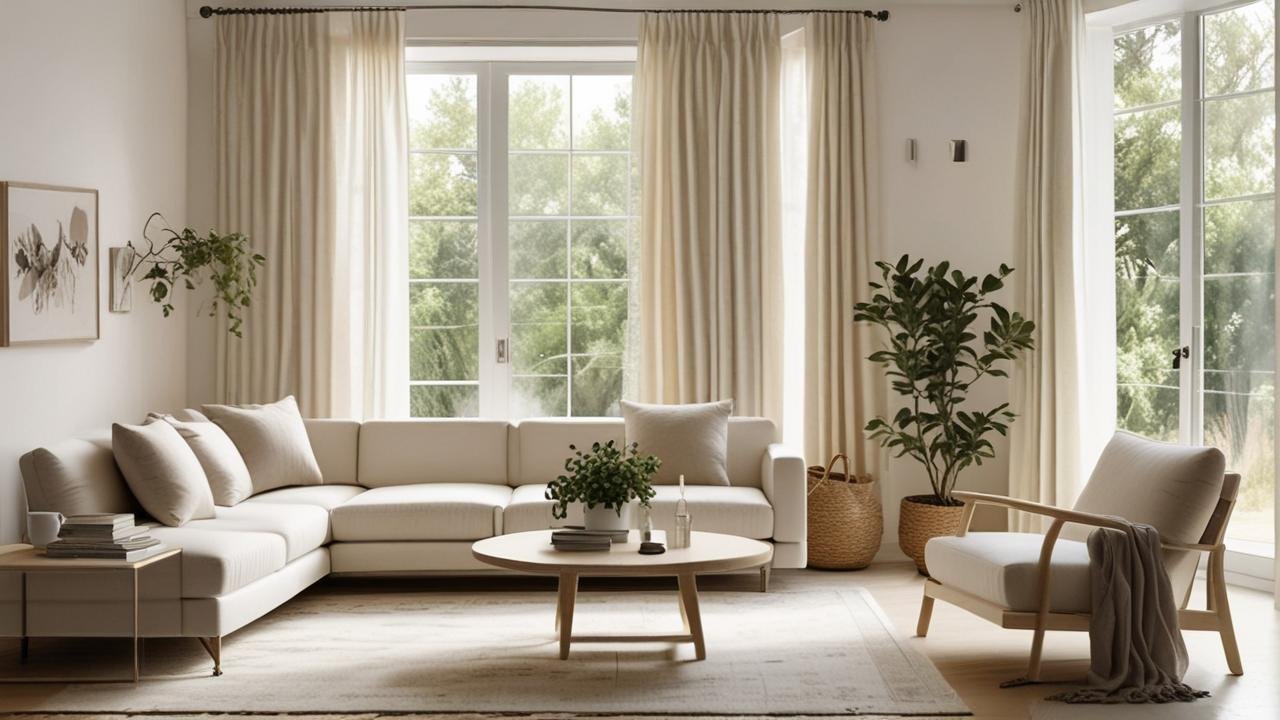
Putting it All Together: Practical Steps
Now that you have an idea of the principles, let’s talk about how to actually do it. It’s about taking it one step at a time and being thoughtful about each choice. You don’t have to do everything at once.
Start with the basics and build from there.
Decluttering Your Space First
Before you buy anything new, the most important step is to declutter what you already have. Go through your living room and remove anything that you don’t use, need, or love. Be honest with yourself.
If something is just taking up space and doesn’t serve a purpose, it’s time for it to go.
This process can be very freeing. It clears not only physical space but also mental space. Consider donating items to charity, selling them, or recycling them.
The goal is to create a clean slate. This makes it much easier to then choose the right decor.
A good way to approach decluttering is by category. Tackle books, then decorative items, then electronics, and so on. Or, work room by room.
For the living room, start with surfaces like coffee tables and shelves. Then move to larger items.
Creating a Mood Board
A mood board can be a very helpful tool. It’s a collection of images, colors, and textures that represent the look and feel you want for your living room. You can create a physical board with magazine cutouts or a digital one using apps or websites.
Include pictures of furniture you like, color palettes, lighting ideas, and decorative objects. This visual representation helps you see if your ideas are coming together. It also helps you identify any elements that don’t fit.
It’s a great way to solidify your vision before making purchases.
When creating your mood board, think about the overall atmosphere. Do you want it to be cozy and warm, or light and airy? Do you prefer modern or slightly more traditional minimalist styles?
Your mood board should reflect your personal taste and the feeling you want to create in your home.
Making Smart Purchases
Once you have decluttered and have a clear vision, you can start making thoughtful purchases. Focus on buying a few high-quality items rather than many cheap ones. This ensures your decor will last and look good for a long time.
Think about versatility. Can a piece of furniture serve multiple purposes? Can a decorative item be used in different ways or in different rooms?
This is where multifunctionality comes in. For example, a simple, elegant bench can be used for seating or as a display surface.
Before buying, measure your space carefully. Make sure the new items will fit well and won’t make the room feel crowded. Consider the scale of the furniture in relation to the room size.
A too-large sofa can overwhelm a small living room, while a too-small one can get lost in a large space.
Sample Scenario 1: A Small Apartment Living Room
Let’s imagine a small apartment living room. The goal is to make it feel open and inviting.
- Declutter: Remove excess books, knick-knacks, and an old rug. Keep only essential furniture.
- Color: Paint the walls a soft, warm white. Use a light gray sofa and a cream-colored rug.
- Furniture: Choose a slim-profile sofa with clean lines. Add a round coffee table with a natural wood top and metal legs. A narrow, floating shelf for a few books and a plant.
- Lighting: Use a floor lamp with an adjustable arm for reading. A simple pendant light above the coffee table.
- Decor: One large abstract artwork with muted blues and greens on one wall. A small, leafy green plant in a simple ceramic pot. A textured throw pillow on the sofa.
This scenario creates a functional and stylish space that feels much larger than it is. The limited color palette and intentional decor prevent it from feeling cramped.
Sample Scenario 2: A Larger Family Living Room
Consider a larger living room that needs to be both comfortable for family and aesthetically pleasing.
- Declutter: Clear out any unused toys, stacks of magazines, and decorative items that don’t add value.
- Color: Use a palette of soft gray walls, a charcoal gray sofa, and accent chairs in a muted teal. A large, natural fiber rug grounds the space.
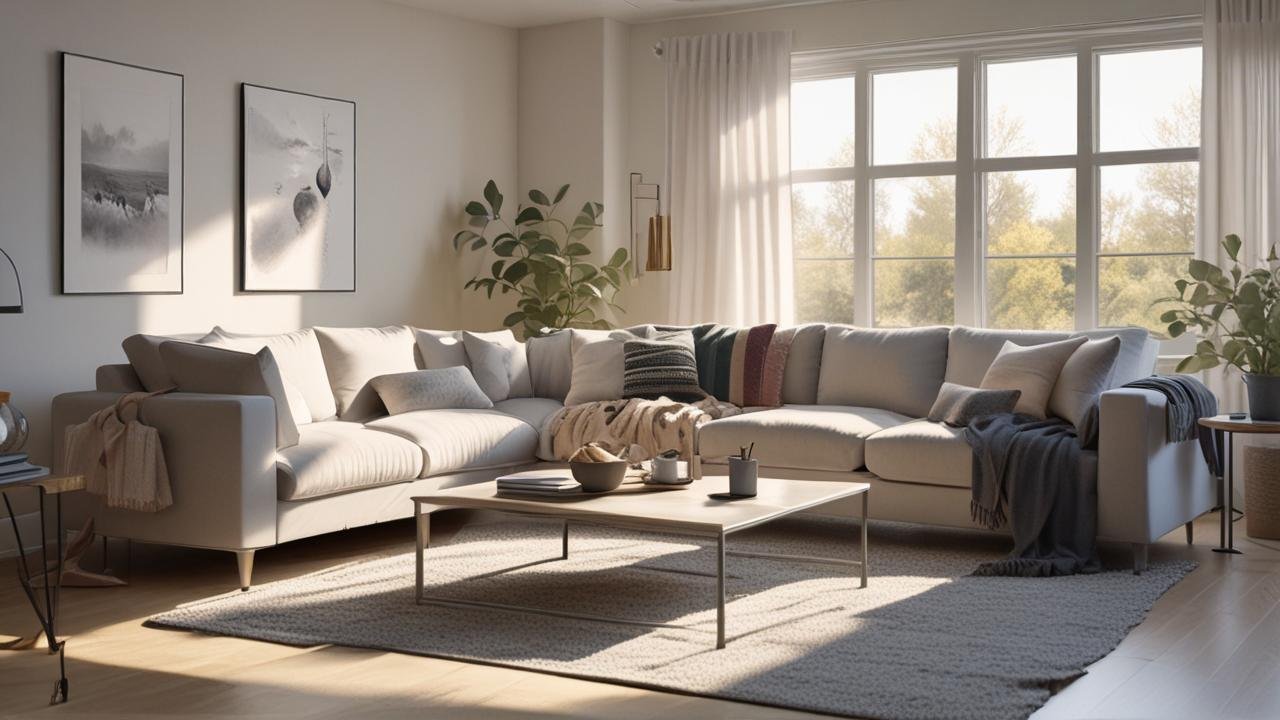
- Furniture: A comfortable, deep sectional sofa. A large, rectangular coffee table with built-in storage for games and blankets. A sleek media console with doors to hide electronics.
- Lighting: Recessed ceiling lights on a dimmer. A stylish floor lamp for reading. Table lamps on side tables for ambient light.
- Decor: A large gallery wall with a few carefully chosen framed photos and art pieces. A textured basket for extra throws. A tall potted plant in a corner.
This approach balances the need for family-friendly comfort with minimalist design principles. The storage solutions keep clutter at bay, and the limited color palette maintains a sense of calm. The larger scale of the decor items suits the room size.
Frequently Asked Questions
Question: How do I make sure my minimalist living room doesn’t look boring?
Answer: Add interest with textures, subtle accent colors, and one or two carefully chosen pieces of art or plants. Quality over quantity is key; one striking item is better than many small ones.
Question: What kind of materials should I use in a minimalist living room?
Answer: Natural materials like wood, stone, linen, and cotton work well. Metal accents can also add a sleek touch. Focus on quality and simple finishes.
Question: Is it okay to have a TV in a minimalist living room?
Answer: Yes, absolutely. The key is to integrate it seamlessly. Use a sleek media console with doors to hide wires and the TV when not in use, or consider a TV that blends into artwork when off.
Question: How often should I declutter my minimalist living room?
Answer: Regular decluttering, even just a quick tidy-up weekly, helps maintain the minimalist feel. A more thorough decluttering session can be done seasonally or as needed.
Question: Can I use patterns in a minimalist living room?
Answer: Sparingly. Subtle patterns on a rug, throw pillow, or a single piece of artwork can add visual interest. Avoid busy, overwhelming patterns.
📌 Check our Pinterest Profile for more inspiration
View on PinterestWrap Up
Choosing decor for a minimalist living room is about creating a calm, functional space. Focus on simple, quality items. Use a neutral color palette with subtle accents.
Thoughtful lighting and natural elements add warmth. You’ve learned how to select furniture, colors, and decor that work together. You can now create a beautiful, uncluttered room you’ll love.