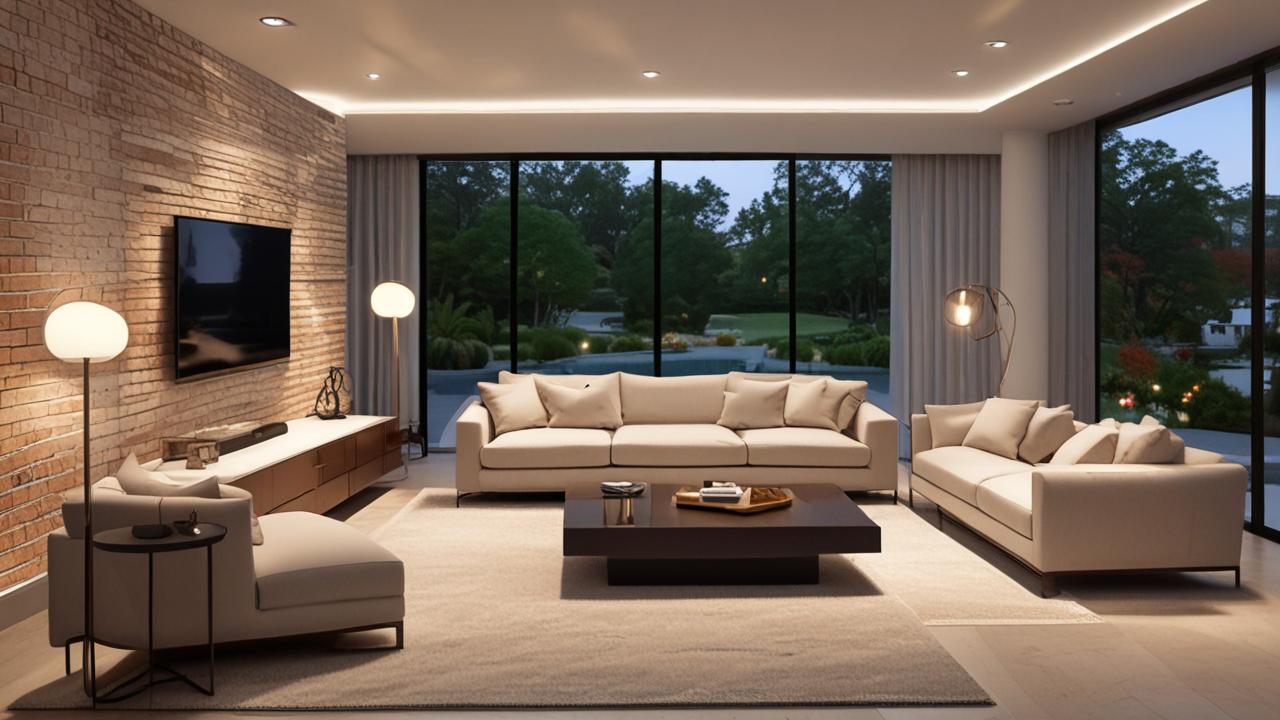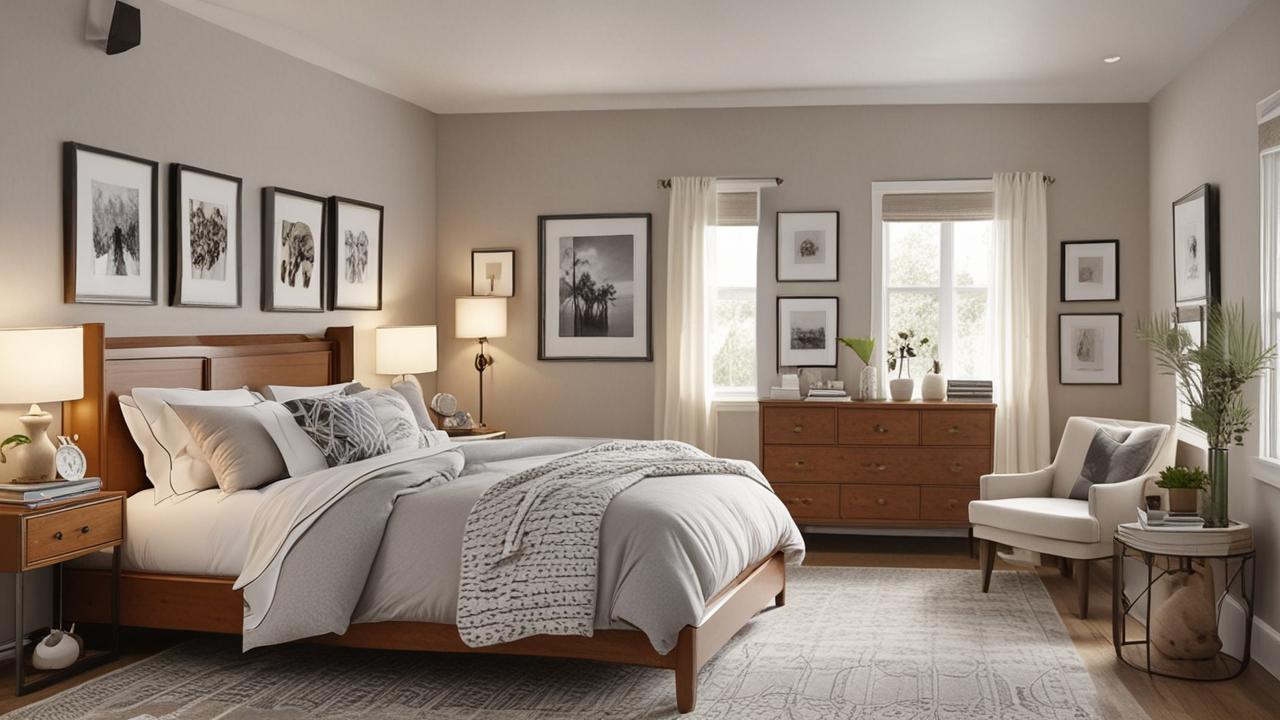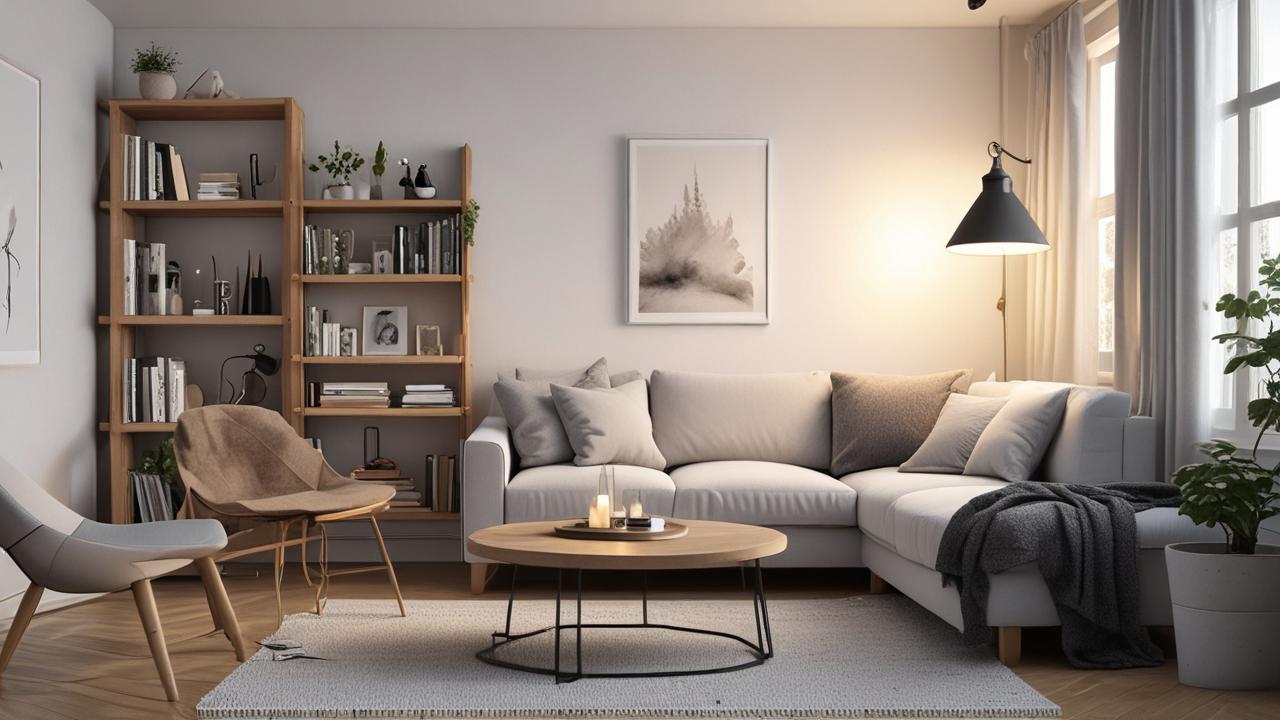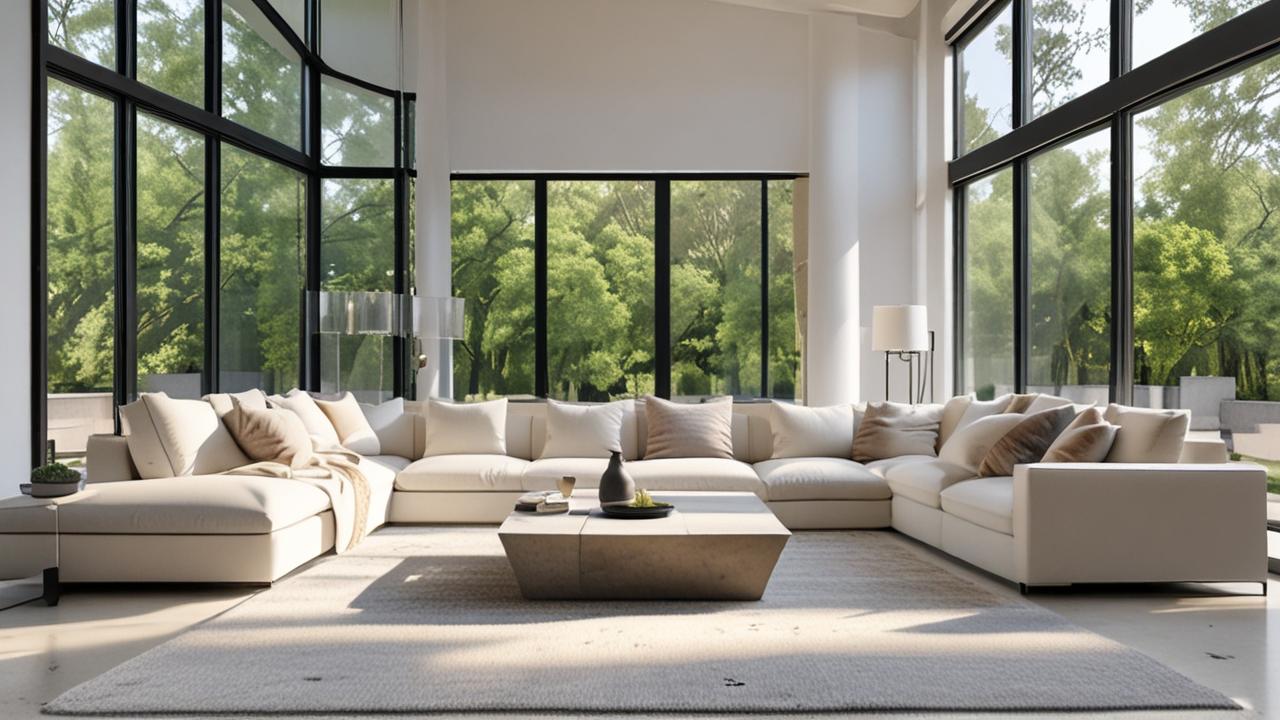
Picking out furniture and decorations for a modern living room can feel a bit tricky for folks new to decorating. You want things to look nice and match, but it’s not always clear where to start. Don’t worry!
We’ll walk you through it step-by-step. We’ll show you simple ways to make your living room look super stylish and feel just right for you. Get ready to learn some easy tips that will make decorating fun.
Key Takeaways
- You’ll learn the main ideas behind modern living room style.
- We will show you how to pick colors and materials that fit the look.
- You’ll find out which furniture shapes work best for modern rooms.
- We’ll give tips on adding art and other decor items.
- You’ll discover how to arrange your furniture for a great flow.
- Learn how to make your modern space feel cozy and inviting.
What is Modern Living Room Decor?
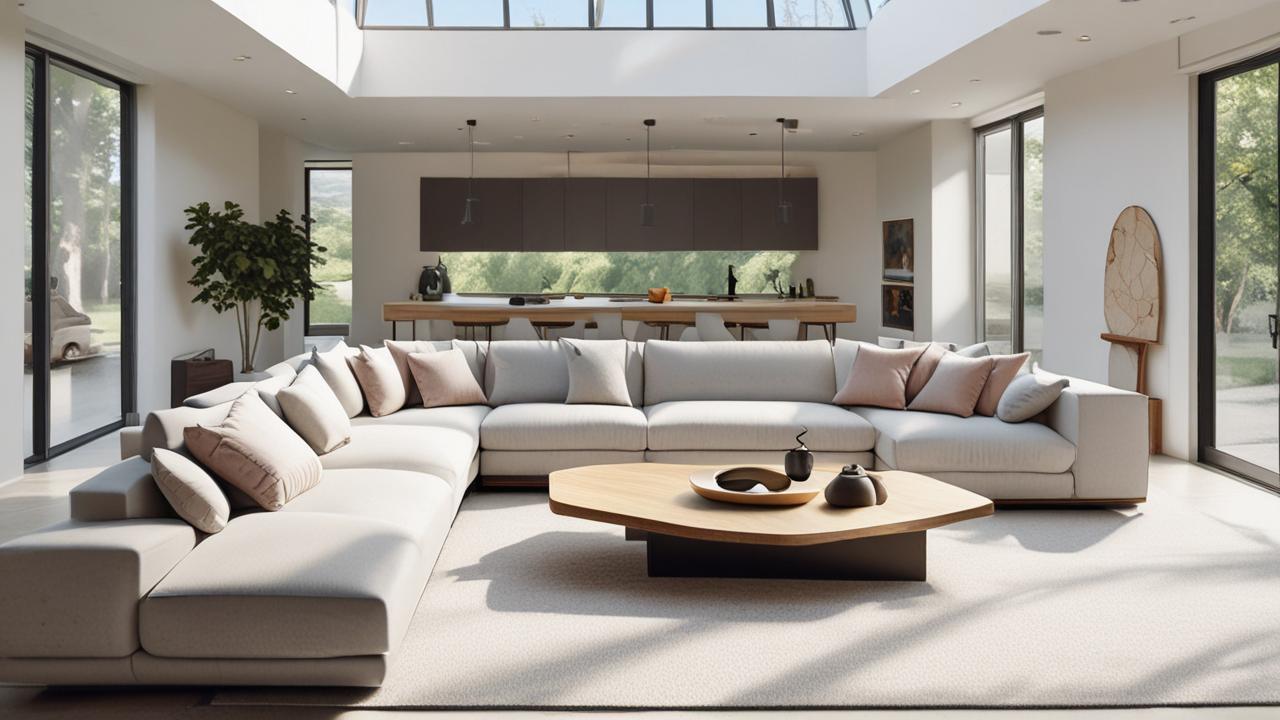
Modern living room decor is all about clean lines, simple shapes, and uncluttered spaces. Think of it as elegant and functional. It often uses neutral colors mixed with pops of bright shades.
The goal is to create a calm and stylish area. This style is popular because it looks good in almost any home. It’s also easy to live with.
We will explore the core ideas that make a living room feel truly modern.
The Look of Modern Style
Modern design didn’t just appear overnight. It grew out of earlier movements that wanted to break away from fussy, ornate styles. People wanted furniture and buildings that were simpler and more useful.
They started using new materials like steel and glass. This led to designs that were clean and open. The focus shifted to how things worked and how they made people feel.
This desire for simplicity and function is what defines modern decor today. It’s not about having a lot of stuff. It’s about choosing the right things that look good and do their job well.
This approach makes spaces feel peaceful and organized.
- Focus on Function: Every item should have a purpose. If it doesn’t do something useful or add to the beauty of the room, it’s probably not a good fit for a modern space.
- Simple Forms: Furniture and decor tend to have straight lines or gentle curves. Think geometric shapes rather than overly fancy or carved designs.
- Open Space: A modern room doesn’t feel crowded. There’s enough space between furniture so you can move around easily. This creates a feeling of airiness.
This emphasis on function and simple forms makes a modern living room a comfortable place. It’s a space that feels put together without looking like you tried too hard. It’s all about smart choices.
Materials Used in Modern Design
Modern decor often uses a mix of natural and manufactured materials. This mix adds texture and visual interest. You’ll see wood, metal, glass, and sometimes stone.
These materials are chosen for their clean look and durability.
For example, a sleek coffee table might have a glass top and metal legs. A sofa could be upholstered in a natural linen or a smooth synthetic fabric. These choices help create the modern aesthetic we aim for.
- Wood: Often seen in lighter finishes like oak or walnut, or sometimes painted white or black. It adds warmth to the clean lines.
- Metal: Chrome, stainless steel, and brushed nickel are common. They add a sleek, industrial feel.
- Glass: Used for tabletops, shelves, or decorative items. It makes spaces feel lighter and more open.
- Leather and Fabric: Smooth leather or textured fabrics like linen and cotton are popular for upholstery. They add comfort and a touch of luxury.
The way these materials are combined is key. A room might have a warm wooden floor, a cool metal lamp, and a soft fabric sofa. This mix creates a balanced and inviting space.
Choosing Your Color Palette
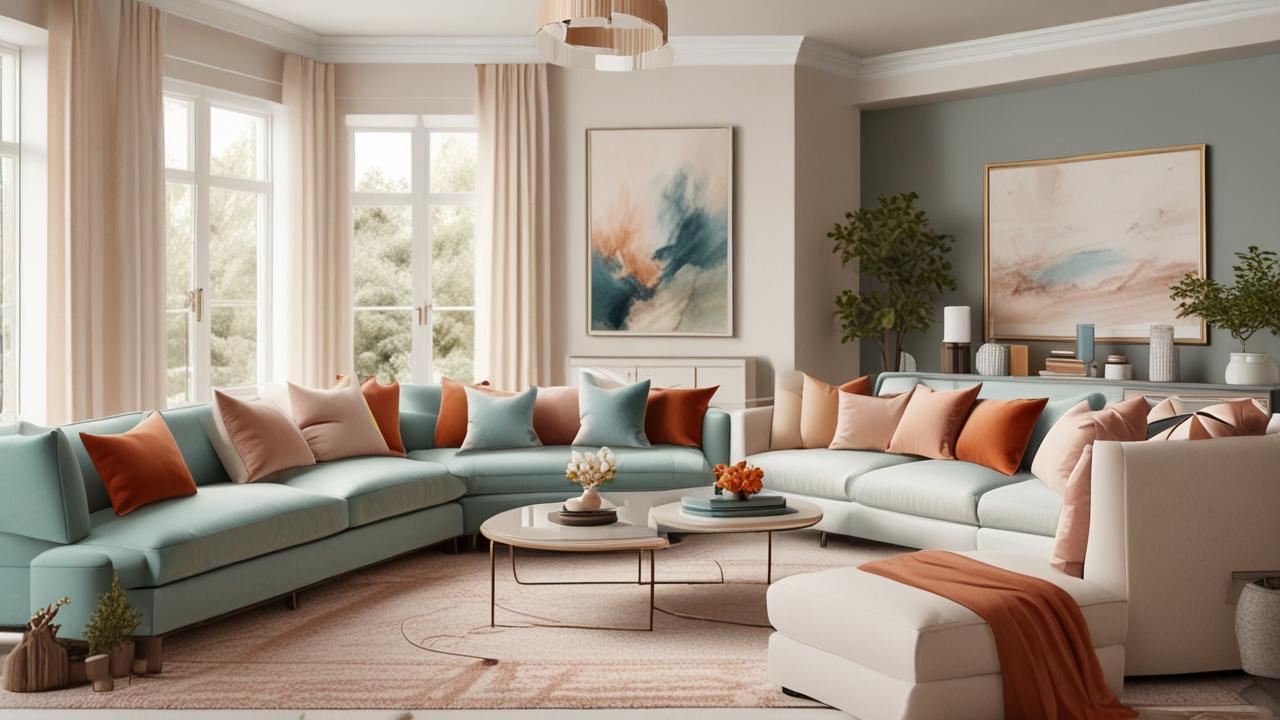
Colors play a big role in setting the mood for a modern living room. The most common approach is to use neutral colors as a base. This makes the room feel calm and sophisticated.
Think white, gray, beige, and black. These colors are timeless and let other elements of the room stand out.
Once you have your neutral foundation, you can add pops of color. These can be vibrant or subtle, depending on your taste. This keeps the room from feeling too plain.
It adds personality.
Neutral Base Colors
Starting with a neutral color palette is a hallmark of modern design. Whites can make a room feel bright and airy. Grays offer a sophisticated and grounding feel.
Beige and cream add warmth and softness.
These colors are versatile. They act like a blank canvas. This makes it easy to change the look of your room later by just swapping out accent pieces.
Neutral walls also help highlight furniture and art.
- Whites: From crisp, bright whites to softer off-whites, these colors make a room feel expansive and clean. They are perfect for walls and large furniture pieces.
- Grays: Available in a wide range of shades, from light silver to deep charcoal. Gray is very adaptable and pairs well with almost any accent color.
- Beiges and Creams: These warmer neutrals bring a sense of comfort and coziness. They are excellent for creating a relaxing atmosphere.
- Black: Used sparingly, black can add a strong, graphic element. Think black picture frames, a lamp base, or even a black accent chair.
A well-chosen neutral palette creates a sophisticated backdrop. It allows the textures and shapes of your decor to truly shine. It’s the foundation for a stylish modern space.
Adding Accent Colors
While neutrals are great for the main parts of your room, accent colors bring it to life. These are the colors that add personality and excitement. They can be bold or soft, depending on the vibe you want.
Think of accent colors as the jewelry for your room. They draw the eye and add interest. They can be used in small doses so they don’t overpower the calm, modern feel.
- Bold Brights: Colors like bright blue, emerald green, or a vibrant yellow can make a big impact. Use them in throw pillows, artwork, or a single accent chair.
- Deep Jewel Tones: Rich colors like sapphire blue, ruby red, or amethyst purple add a touch of luxury. They work well in velvet fabrics or decorative objects.
- Earthy Tones: Muted shades of terracotta, olive green, or burnt orange can bring a natural, grounded feel. They are great for adding warmth.
The trick is to use accent colors thoughtfully. You don’t want too many different bright colors competing. Pick one or two that you love and use them consistently throughout the room.
This creates a cohesive and visually appealing look.
For instance, if you choose a vibrant blue as your accent color, you might have blue throw pillows on the sofa, a blue vase on the coffee table, and a piece of art with blue in it. This repetition makes the color feel intentional.
Selecting Modern Furniture
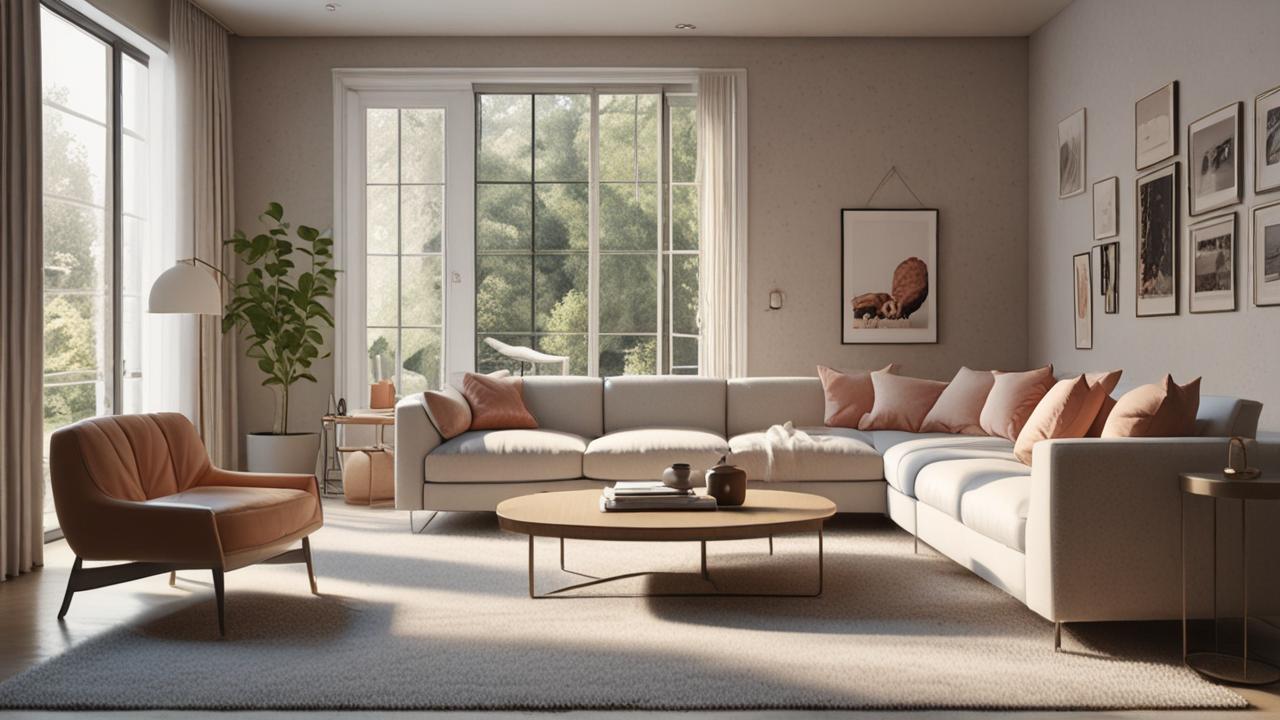
When it comes to modern living room furniture, the key words are simple, clean, and comfortable. You want pieces that have a sleek design and are built to last. The shapes are usually straightforward, without a lot of fuss or elaborate details.
Think about how you will use your living room. Do you need a big sofa for family movie nights? Or maybe more seating for when friends visit?
The furniture should work for your lifestyle while looking good.
Sofas and Seating
Sofas in modern design are often low to the ground with clean, straight lines. They might have slim arms or no arms at all. The upholstery is typically in a solid color or a subtle texture.
Avoid sofas with lots of tufting or bulky rolled arms.
You can also add accent chairs to your living room. These can introduce a different shape or color. A modern armchair might have a sculptural base or a contrasting fabric.
This adds visual interest.
- Sofa Styles: Look for sofas with simple silhouettes. Sectionals are great for larger rooms and offer flexible seating. Loveseats and smaller sofas work well in more compact spaces.
- Materials for Seating: Upholstery in linen, cotton blends, or smooth leather is common. Performance fabrics are a good choice for durability and easy cleaning.
- Accent Chairs: These can be armless, have slim arms, or feature a unique frame. They are a great way to add personality to your seating arrangement.
Consider the scale of your furniture. A huge sofa might overwhelm a small room, while tiny chairs can get lost in a large space. Measure your room and consider where the furniture will go.
Tables and Storage
Coffee tables and side tables in modern living rooms are usually simple and functional. They often have geometric shapes. You might see square, rectangular, or round tables with clean legs or a solid base.
Storage is also important. Modern design favors clean, hidden storage solutions. Think sleek media consoles or minimalist bookshelves.
This helps keep the room looking tidy.
- Coffee Tables: Materials like wood, glass, metal, or even concrete can be used. Some tables have a lower shelf for extra storage or display.
- Side Tables: These are usually smaller and placed next to sofas or chairs. They provide a surface for lamps, drinks, or decorative items.
- Media Consoles: Look for units with clean lines and minimal hardware. Many modern consoles feature doors or drawers to hide electronics and clutter.
- Bookshelves: Open shelving units can display books and decor. Closed cabinets offer more discreet storage.
When choosing tables, think about their height relative to your sofa. The coffee table should generally be about the same height or slightly lower than the sofa seat. This makes it easy to reach things.
Arranging Your Furniture
How you arrange your furniture is crucial for creating a functional and inviting modern living room. The goal is to create a layout that promotes conversation and easy movement.
Start by placing your main seating piece, usually the sofa. Then, arrange other seating around it. Leave enough space between pieces so people can walk around comfortably.
Consider the focal point of your room. This might be a fi
Here’s a sample scenario for arranging furniture in a medium-sized living room:
- Place the sofa facing the main focal point (e.g., a fireplace or TV wall).
- Position two accent chairs facing each other or at an angle to the sofa, creating a conversational grouping.
- Place a coffee table in the center, within easy reach of all seating.
- Add side tables next to the sofa and chairs for lamps and convenience.
- Ensure there is at least 18-24 inches of space between the coffee table and the sofa.
- Leave enough space to walk around the furniture without feeling cramped. Aim for at least 30 inches for main pathways.
Good furniture arrangement makes a room feel balanced and spacious. It guides how people use the space.
Decorating with Art and Accessories
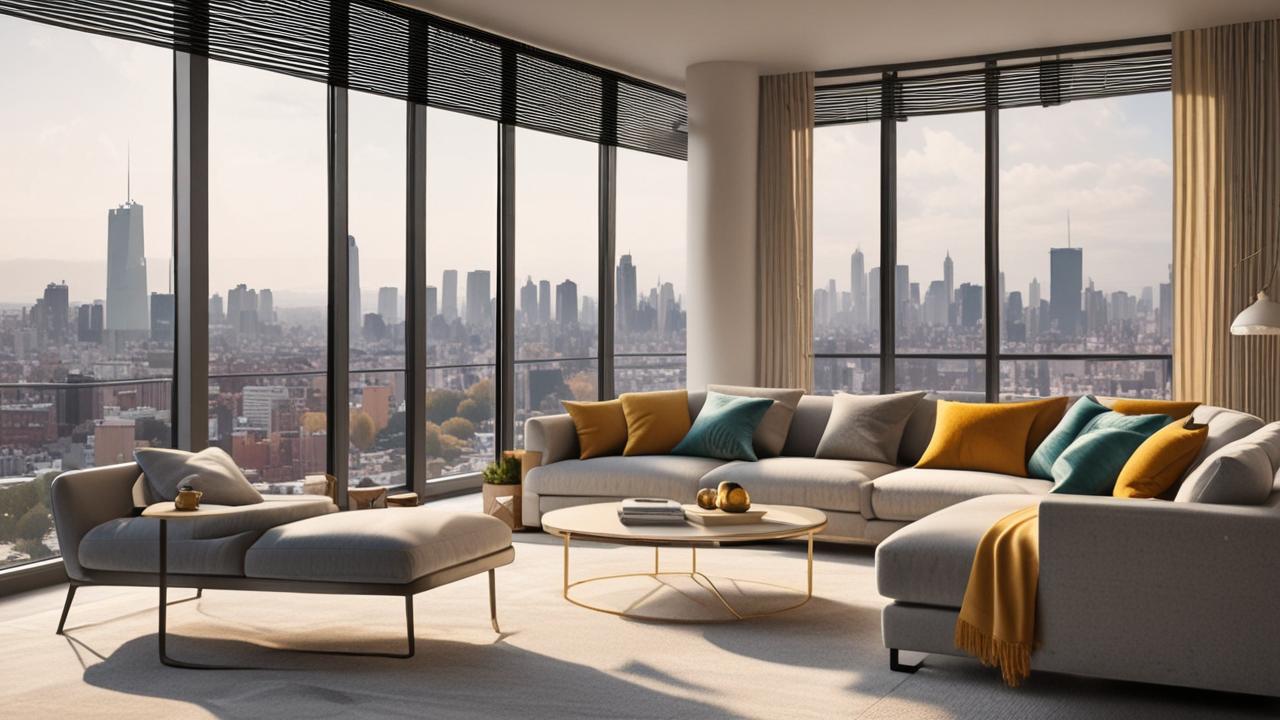
Once your furniture is in place, it’s time to add the finishing touches: art and accessories. These elements bring personality and style to your modern living room. They are where you can really express yourself.
In a modern setting, art and accessories are usually chosen to complement the clean lines and neutral palette. They can add color, texture, and a unique flair without making the room feel cluttered.
Choosing Wall Art
Wall art is a fantastic way to add a personal touch and visual interest to your modern living room. For a modern look, consider pieces with simple frames or no frames at all. Abstract art, geometric prints, and minimalist photography often work well.
The size of the artwork matters. A single large piece can make a statement. A gallery wall with several smaller pieces can also be effective, but keep the frames consistent for a unified look.
- Abstract Art: Look for pieces with bold colors or interesting shapes. These can add a vibrant focal point to a neutral wall.
- Photography: Black and white photography or modern landscapes can add a sophisticated touch.
- Geometric Prints: These often feature clean lines and repeating patterns that fit perfectly with modern design.
- Sculptural Pieces: Metal wall sculptures or textured art can add dimension and a unique artistic element.
When hanging art, consider the height. The center of the artwork should generally be at eye level, around 57-60 inches from the floor. This ensures it’s at a comfortable viewing height.
A common mistake is hanging art too high. This can make the room feel unbalanced. Always measure and consider the scale of the wall space you are filling.
Adding Decorative Objects
Decorative objects are the small details that make a house feel like a home. In a modern living room, these items should be chosen with care. They should add to the overall aesthetic without creating clutter.
Think about balance and arrangement. Grouping items together on a tray or shelf can look more organized than scattering them around.
- Vases and Sculptures: Simple ceramic vases, modern metal sculptures, or interesting glass objects can be placed on coffee tables, shelves, or consoles.
- Pillows and Throws: These are essential for comfort and adding color or texture. Choose pillows in solid colors, subtle patterns, or interesting textures like velvet or faux fur.
- Rugs: A rug can define a seating area and add warmth. Modern rugs often feature geometric patterns, abstract designs, or simple textures.
- Plants: Greenery brings life and freshness to a room. Opt for plants with simple, elegant forms.
When selecting decorative objects, consider their material and finish. Mixing different textures, like a smooth ceramic vase with a chunky knit throw, can add depth and interest. Avoid too many small, fussy items.
Instead, choose a few well-selected pieces that make a statement.
For example, on your coffee table, you might have a stylish tray holding a small plant, a decorative bowl, and a stack of art books. This arrangement looks intentional and appealing.
Lighting for Ambiance
Good lighting is essential for creating a warm and inviting atmosphere in your modern living room. It’s not just about having a bright room; it’s about layering light to create different moods.
You’ll want a mix of ambient, task, and accent lighting. This provides both general illumination and specific lighting for activities like reading.
- Ambient Lighting: This is the main source of light in the room. Think ceiling lights or stylish floor lamps that cast a soft glow. Dimmers are a great addition.
- Task Lighting: This is for specific activities. A reading lamp next to your favorite chair is a good example.
- Accent Lighting: This highlights certain features, like artwork or a decorative object. Small track lights or spotlights can be used for this.
- Decorative Fixtures: Modern chandeliers or pendant lights can be a statement piece. Choose designs with clean lines and interesting materials.
The type of bulbs you use also affects the mood. Warm white bulbs create a cozier feel, while cool white bulbs are brighter and more energizing. For a modern living room, warm white is usually preferred for creating a relaxed atmosphere.
Consider the overall design of your light fixtures. They should match the clean, simple aesthetic of the room. Metal finishes like brushed nickel or matte black are popular choices.
Avoid ornate or fussy designs.
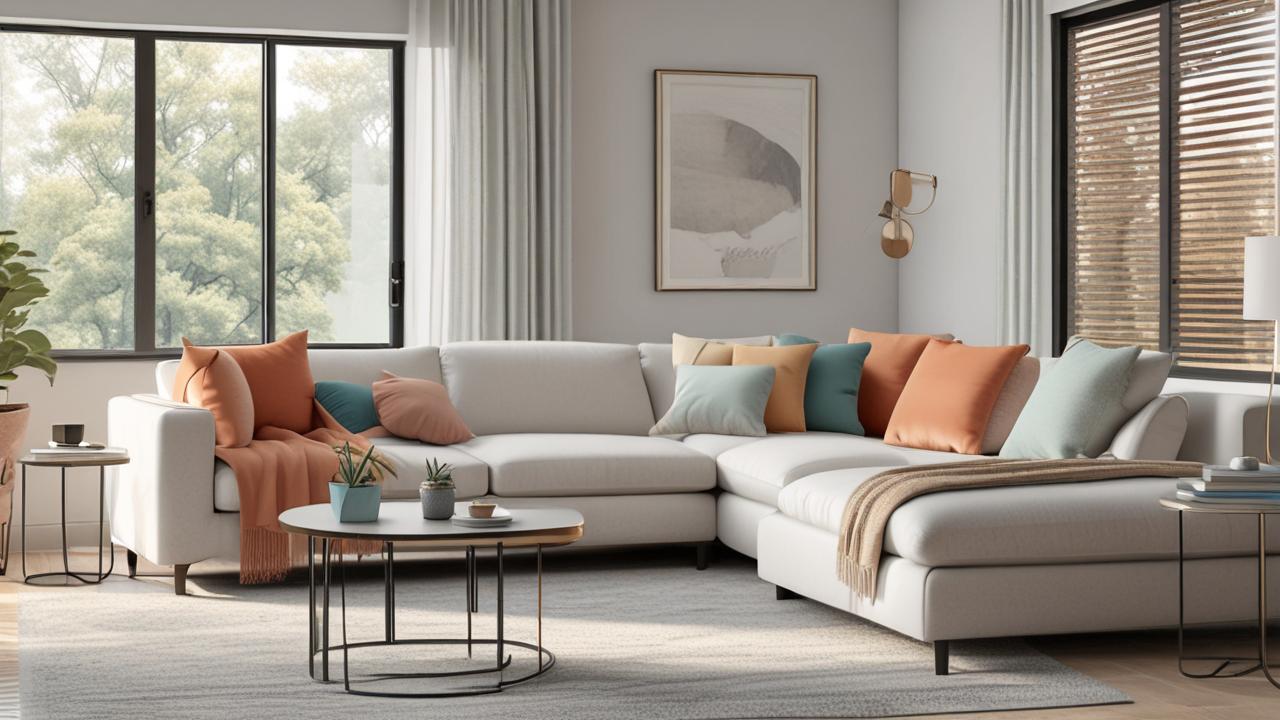
Bringing It All Together: A Step-by-Step Guide
Now that we’ve explored the different elements of modern living room decor, let’s put it all into practice. Following a simple plan can make the process feel much less overwhelming. We will guide you through each step.
Start with the basics and gradually add the details. This approach ensures that everything flows together and creates a cohesive look.
Step 1: Define Your Style and Needs
Before you buy anything, take a moment to think about what you really want from your living room. What’s its main purpose? Is it for relaxing, entertaining, or a bit of both?
Also, consider your personal style preferences. Do you like bold colors, or do you prefer a more subdued look?
Look at magazines or online inspiration sites. Save pictures of living rooms you love. What do they have in common?
This will help you identify the key features you want to bring into your own space. Think about your favorite colors and textures.
- Purpose: How do you plan to use the room most often?
- Color Preferences: What colors make you feel happy and relaxed?
- Inspiration: What images or styles are you drawn to?
- Budget: Set a realistic budget for your decorating project.
Knowing these things upfront will save you time and money. It will help you make smarter choices when shopping.
Step 2: Choose Your Color Palette and Layout
Based on your style definition, pick your main colors. Start with a neutral base for your walls and large furniture. Then, select one or two accent colors to add personality.
Remember our discussion on neutral and accent colors earlier.
Next, think about your room’s layout. Measure your space carefully. Sketch out a floor plan if it helps.
Decide where your main pieces of furniture will go. Consider traffic flow and how you want people to move through the room.
Here’s a quick check for your layout:
- Can you easily walk from the entrance to the seating area?
- Is there enough space between furniture for comfort?
- Does the furniture arrangement make sense for the room’s purpose?
A well-planned layout is the foundation of a functional and beautiful room.
Step 3: Select Key Furniture Pieces
Now it’s time to shop for your furniture. Start with the biggest pieces, like your sofa. Choose something with clean lines and comfortable upholstery that fits your color scheme.
Then, select accent chairs, a coffee table, and side tables.
Think about the materials and finishes. Do they match the modern aesthetic? Are they durable and functional?
Don’t rush this step. Buying quality pieces that you love will make a big difference in the long run.
Consider these furniture shopping tips:
- Measure Everything: Make sure furniture will fit through doorways and into your space.
- Test for Comfort: If possible, sit on sofas and chairs to ensure they are comfortable.
- Check Materials: Look for durable fabrics and sturdy construction.
- Style Consistency: Ensure new pieces complement existing furniture.
Your furniture is the backbone of your modern living room. Choose wisely!
Step 4: Add Decor and Accessories
With your furniture in place, you can start adding the decorative elements. This is where you bring your personality to life. Choose artwork, rugs, throw pillows, curtains, and decorative objects.
Remember to keep it simple and curated. A few well-chosen items will have more impact than many small, scattered ones. Use your accent colors here to tie everything together.
Think about:
- Artwork: Select pieces that enhance your color palette and style.
- Textiles: Add warmth and texture with rugs, pillows, and throws.
- Lighting: Layer ambient, task, and accent lighting for a cozy atmosphere.
- Greenery: Plants add life and freshness.
These details are what make the room feel complete and inviting. They transform a house into a home.
Frequently Asked Questions
Question: What are the most important features of modern living room decor?
Answer: Modern living room decor focuses on clean lines, simple shapes, uncluttered spaces, and functionality. It often uses neutral color palettes with pops of accent colors. Materials like wood, metal, and glass are common, and furniture has straightforward designs.
Question: How do I choose colors for a modern living room if I prefer brighter shades?
Answer: You can definitely use brighter shades. Start with a neutral base for your walls and larger furniture. Then, introduce your favorite bright colors through accent pieces like throw pillows, artwork, or a single accent chair.
This adds personality without overwhelming the space.
Question: What kind of rug is best for a modern living room?
Answer: A rug with a simple pattern, geometric design, or a solid texture often works well. You can also choose abstract designs or a rug in a solid neutral color. The key is that it complements the clean aesthetic of the room and helps define the seating area.
Question: Should I use a lot of decorative items in a modern living room?
Answer: No, moderation is key. Modern decor favors a less-is-more approach. Choose a few well-selected decorative items that add interest and personality, rather than cluttering the space with too many small objects.
Grouping items on trays or shelves can help create a more organized look.
Question: How do I make a modern living room feel cozy?
Answer: To make a modern living room feel cozy, incorporate soft textures like plush rugs, comfortable throw pillows, and warm blankets. Use warm lighting from lamps with soft bulbs. Add plants for a touch of nature.
A well-chosen accent color can also add warmth and depth.
📌 Check our Pinterest Profile for more inspiration
View on PinterestWrap Up
Learning how to choose decor for a modern living room is about creating a stylish, functional, and comfortable space. By focusing on clean lines, thoughtful color choices, and practical furniture, you can achieve a beautiful look. Add personal touches with art and accessories to make it feel like your own.