Picking out throw pillows for your sofa might seem simple, but for many people, it can be a little tricky. You want your couch to look nice, but where do you even start? It’s easy to get lost with so many colors, sizes, and shapes.
But don’t worry! This guide will make how to choose decorative pillows for a couch easy. We’ll walk you through it step-by-step so you can make your living space look just right.
Key Takeaways
- You will learn how to pick colors that work well together for your pillows.
- We will show you different pillow sizes and shapes and how to use them.
- You’ll discover how to mix and match different textures to add interest.
- We will explain how to think about the style of your room when choosing pillows.
- You will get tips on how many pillows are just right for your couch.
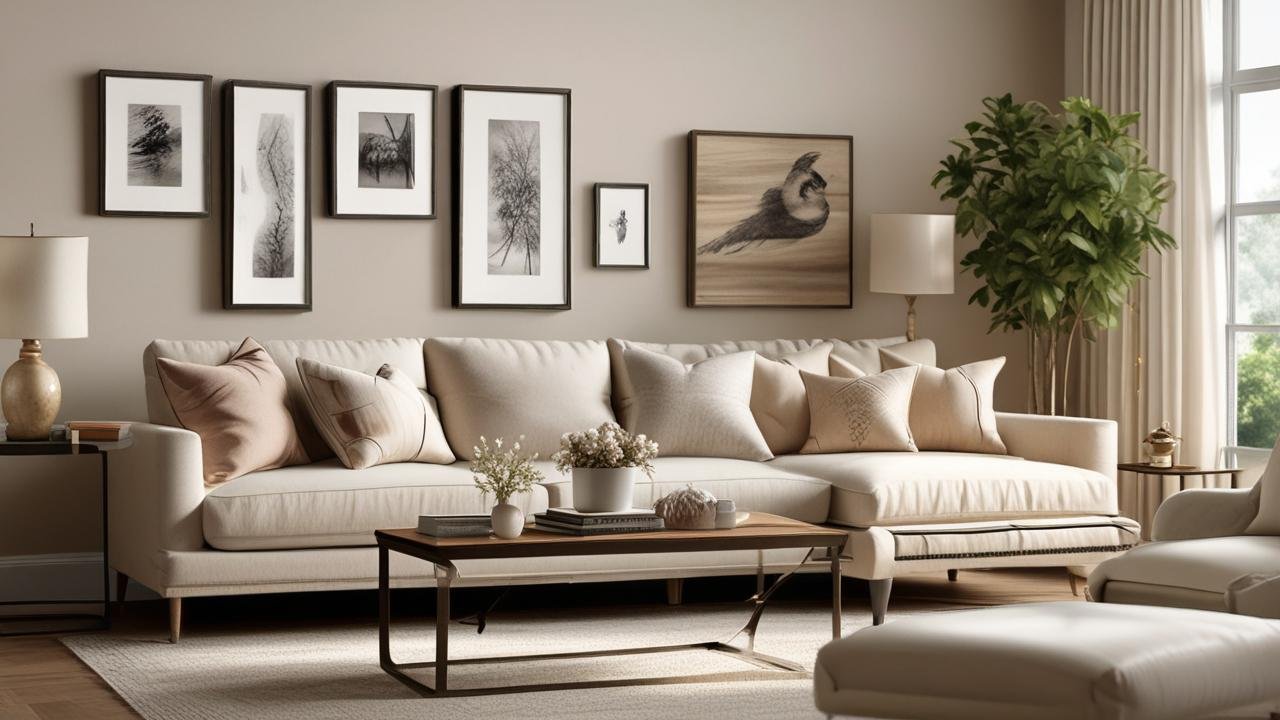
Making Your Couch Cozy and Stylish
Choosing the right decorative pillows can really change the feel of your living room. They are like the finishing touches that make a sofa look inviting and complete. But when you stand in front of a wall of pillows, it can be hard to know what will look good.
You want pillows that match your couch, your rug, and the rest of your decor. You also want them to be comfy when you want to lean on them. This section will help you start thinking about what you like and what will work best for your space.
Color Choices for Pillows
Color is a big part of making your couch look good. You can use pillows to add a pop of color or to blend in with what you already have. Think about the main colors in your room.
Do you have a neutral couch and want to add some bright colors? Or do you have a colorful couch and want pillows that calm things down?
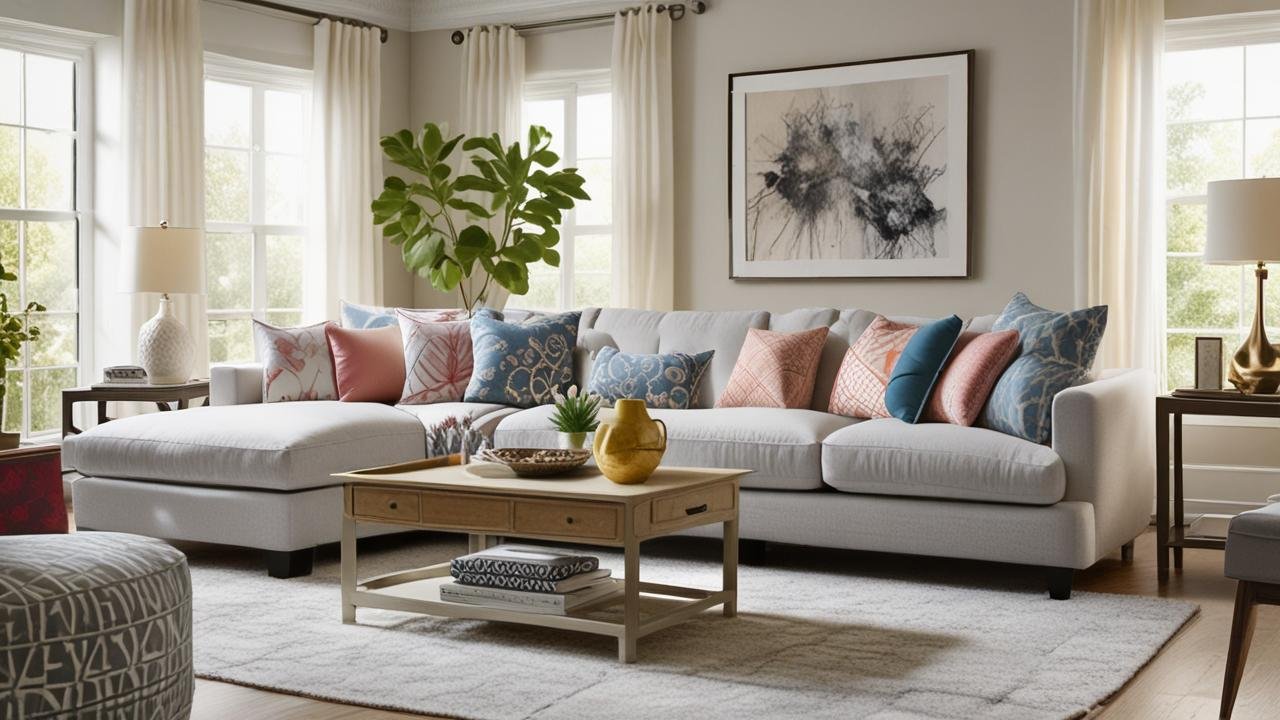
One simple way to pick colors is to look at your rug or curtains. If you have a rug with a few different colors in it, you can pick pillow colors from those. This helps tie everything in your room together.
You could also pick a color that is already somewhere else in the room, like on a piece of art or a throw blanket.
Another idea is to use a color scheme. A color scheme uses a few colors that go well together. You could have a main color, a secondary color, and an accent color.
For example, if your couch is gray, you could use navy blue as your main pillow color, white as a secondary color, and maybe a touch of yellow as an accent.
Here are some common color pairings that work well:
- Blue and Orange: These colors are opposites on the color wheel, so they make each other stand out.
- Green and Pink: A softer pairing, good for a cozy feel.
- Yellow and Gray: This combination can feel modern and bright.
- Red and Cream: A classic and warm mix.
When you pick pillow colors, it’s good to have a mix. You don’t want all your pillows to be the exact same shade. Having a few different shades of the same color, or colors that are close to each other on the color wheel, can create a layered look.
Understanding Color Psychology
Colors can affect how you feel. Knowing a little about color psychology can help you choose pillows that create the mood you want in your living room. Warm colors like red, orange, and yellow can make a space feel cozy and energetic.
Cool colors like blue, green, and purple can make a room feel calm and relaxing. Neutral colors like white, gray, and beige are versatile and can make a space feel clean and simple.
For example, if you want your living room to be a place where you can unwind after a long day, you might choose pillows in shades of blue or green. If you want to create a lively space for entertaining friends, pops of red or orange could be a good choice. It’s also important to think about how the colors will look with your current furniture and wall color.
A bright red pillow might look great on a gray couch, but it might be too much on a red couch.
It’s helpful to think about the overall feeling you want for your room. Do you want it to feel peaceful and serene, or energetic and fun? Your pillow colors can play a big role in setting that tone.
Pattern Play
Patterns on pillows can add a lot of personality to your couch. There are many kinds of patterns, like stripes, florals, geometric shapes, and abstract designs. The key is to mix patterns in a way that looks good, not messy.
A good rule of thumb is to mix patterns of different sizes. If you have a pillow with a large, bold pattern, pair it with a pillow that has a smaller, more subtle pattern. This way, one pattern doesn’t overpower the other.
Also, try to choose patterns that share at least one color with each other. This helps them look like they belong together.
For instance, imagine you have a couch with a subtle floral pattern pillow. You could add another pillow with thin stripes in a similar color to the floral pillow. A third pillow could be a solid color that is found in either the floral or stripe pattern.
This creates a layered look that is interesting but not too busy.
When you’re starting out, it’s okay to stick to simpler patterns. Stripes and dots are usually easy to mix and match. As you get more comfortable, you can try more complex patterns.
Mixing Textures
Texture refers to how a fabric feels and looks. Mixing different textures can make your couch more inviting and interesting. Think about velvet, linen, knit, faux fur, and woven fabrics.
Each one brings a different feel to your space.
A velvet pillow can add a touch of luxury and depth. A linen pillow feels light and airy, great for a more casual look. A chunky knit pillow brings warmth and coziness.
Faux fur pillows add a soft, inviting touch.
Try to pick pillows with textures that complement each other. For example, you could pair a smooth velvet pillow with a rougher, woven pillow. Or a soft faux fur pillow with a crisp linen pillow.
This creates a tactile experience that is pleasing to the senses.
A sofa that has only one type of texture can look a bit flat. By mixing textures, you add visual and physical interest. It makes people want to reach out and touch the pillows, and it makes your couch look more comfortable and lived-in.
You can even use a plain, solid color pillow but choose one made of an interesting texture, like a heavily embroidered or a crinkled linen.
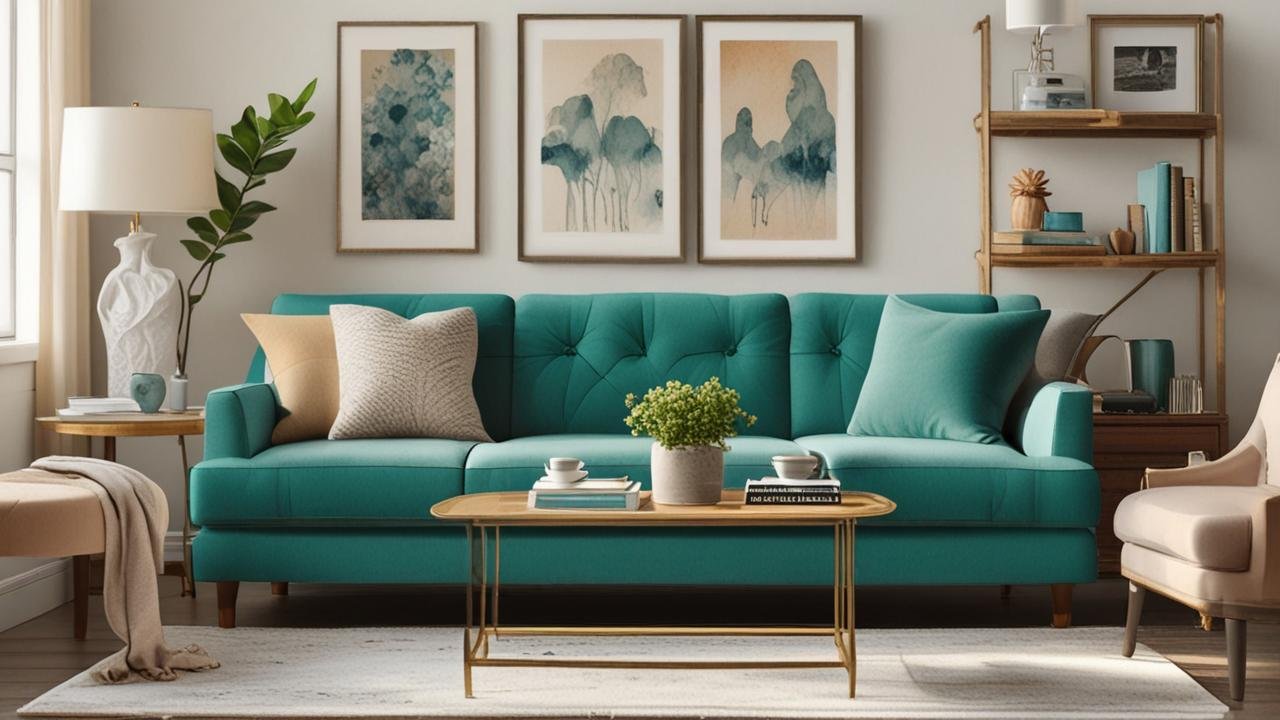
Pillow Sizes and Shapes
The size and shape of your decorative pillows matter a lot. They affect how many pillows you can fit on your couch and how they will look. Different sizes and shapes can be used in different ways to create balance and visual appeal.
Understanding Standard Pillow Sizes
Pillows come in many standard sizes. The most common ones are square, rectangular, and bolster. Square pillows are often around 18×18 inches or 20×20 inches.
Rectangular pillows, sometimes called lumbar pillows, are typically smaller and longer, like 12×20 inches or 14×36 inches. Bolster pillows are cylindrical and can add a unique touch.
The size of the pillow should match the size of your couch. A large sectional sofa can handle bigger pillows, like 20×20 inches or even 22×22 inches. A smaller loveseat or apartment sofa might look best with 16×16 or 18×18 inch pillows.
Too many large pillows on a small couch can make it feel crowded.
Lumbar pillows are great for back support and can be placed in front of larger square pillows. They add a nice layered look and are also functional. Bolster pillows can be placed in corners or used as armrests.
They add a different shape that breaks up the typical square or rectangle.
When you’re deciding on sizes, think about how you use your couch. Do you like to lean back and have lots of support? Then bigger pillows might be better.
Do you want pillows just for decoration? Then smaller or more uniquely shaped ones might work.
The Role of Pillow Shapes
Shapes of pillows add variety and interest. While square pillows are the most common, don’t be afraid to mix in other shapes. Rectangular or lumbar pillows are very popular because they add a different dimension.
They are often used in the front of a grouping of square pillows.
Bolster pillows, with their long, rounded shape, can add a sophisticated touch. They can be placed on the ends of a sofa or tucked into the corners. Round pillows can also add a playful and soft element.
They can break up the straight lines of a sofa.
Using a mix of shapes helps create a more dynamic and visually appealing arrangement. For example, you could have two large square pillows on the ends of your couch, a lumbar pillow in the middle, and maybe a smaller round pillow on one of the square ones. This layering of shapes and sizes makes the arrangement look more thoughtful and inviting.
Consider the overall style of your room. Modern rooms might look good with clean, geometric shapes. More traditional rooms might benefit from softer shapes like lumbar or bolster pillows.
The key is to choose shapes that feel balanced and harmonious with your furniture.
How to Arrange Your Pillows
Arranging pillows is like art. There’s no single right way, but some arrangements look better than others. A good starting point is to think about balance and layers.
For a standard three-seat sofa, a common arrangement is to put two larger square pillows on the ends. Then, in front of those, place one or two smaller pillows. These could be lumbar pillows or smaller square pillows in a different pattern or texture.
This creates a layered effect that is visually pleasing.
Another approach is to use only lumbar pillows. You could place two or three lumbar pillows across the back of the couch. This can create a neat and tidy look.
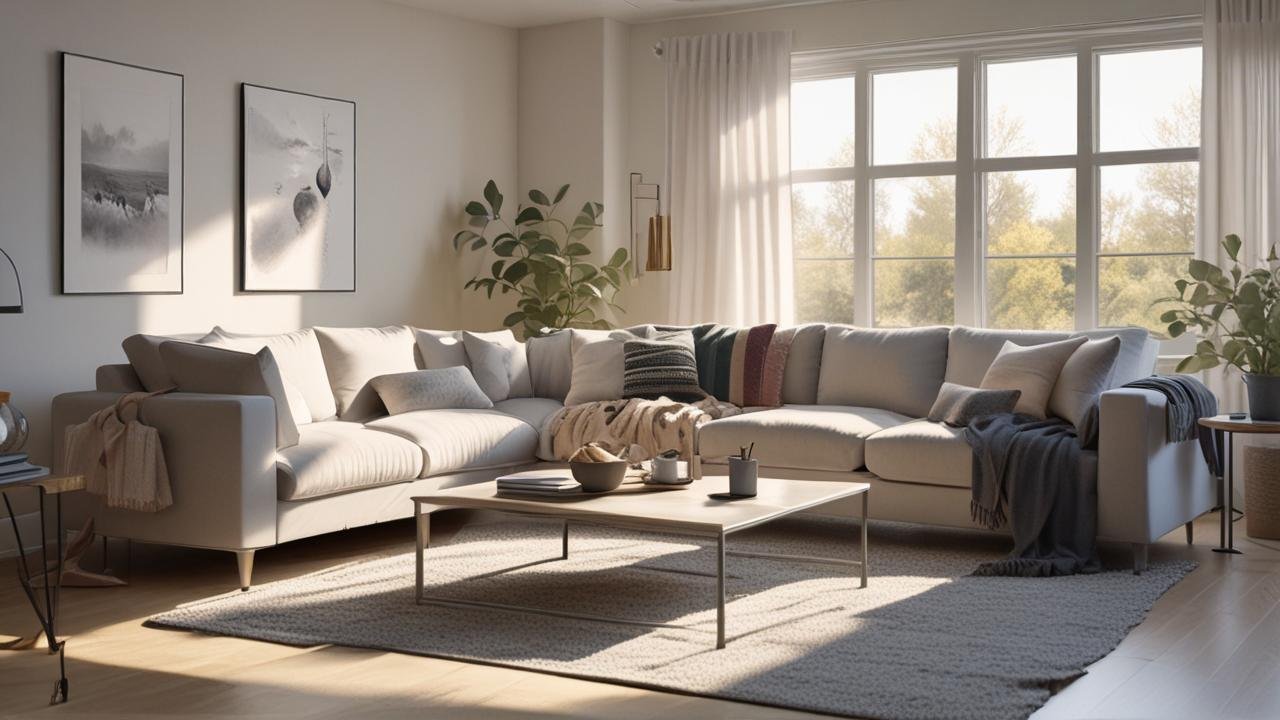
If you have a sectional sofa, you can repeat arrangements on each section or create a more sprawling look. For a large sectional, you might use several large square pillows along the back and then add a mix of smaller pillows and lumbar pillows in the corners or middle sections.
Don’t be afraid to experiment. Move the pillows around until they feel right. Consider how much space you need to sit comfortably.
You don’t want so many pillows that there’s no room to actually use the couch.
A little tip: sometimes, slightly leaning a pillow against another one can create a more casual and inviting look, rather than having them all perfectly straight.
Pillow Inserts vs. Covers
When you buy decorative pillows, you often have a choice between buying a pillow with an insert and a cover, or just buying the cover. Understanding the difference can help you make the best choice for your needs and budget.
A pillow insert is the part that fills the cover, giving the pillow its shape and softness. Common insert materials include down, down-alternative (like polyester fill), and foam. Down inserts are soft and moldable, but they can be more expensive and require more fluffing.
Down-alternative inserts are a good middle ground, offering softness at a lower price and often being hypoallergenic. Foam inserts are firmer and hold their shape well, but they can be less comfortable for leaning.
Pillow covers are the outer fabric part of the pillow. They come in endless fabrics, colors, and patterns. Buying covers separately is a great way to update your decor without buying whole new pillows.
You can easily swap out covers for different seasons or holidays.
If you’re starting from scratch, buying pillows with inserts and covers already together is the easiest option. However, if you already have some plain pillow inserts, or if you want more flexibility in changing your look, buying just covers is a smart move. You can also buy high-quality inserts and then change out the covers as your style evolves.
This can be a more cost-effective way to keep your decor fresh over time.
When choosing an insert, consider the size of the cover. For a plump and luxurious look, it’s often recommended to get an insert that is one to two inches larger than the cover. For example, for an 18×18 inch cover, a 20×20 inch insert can create a fuller pillow.
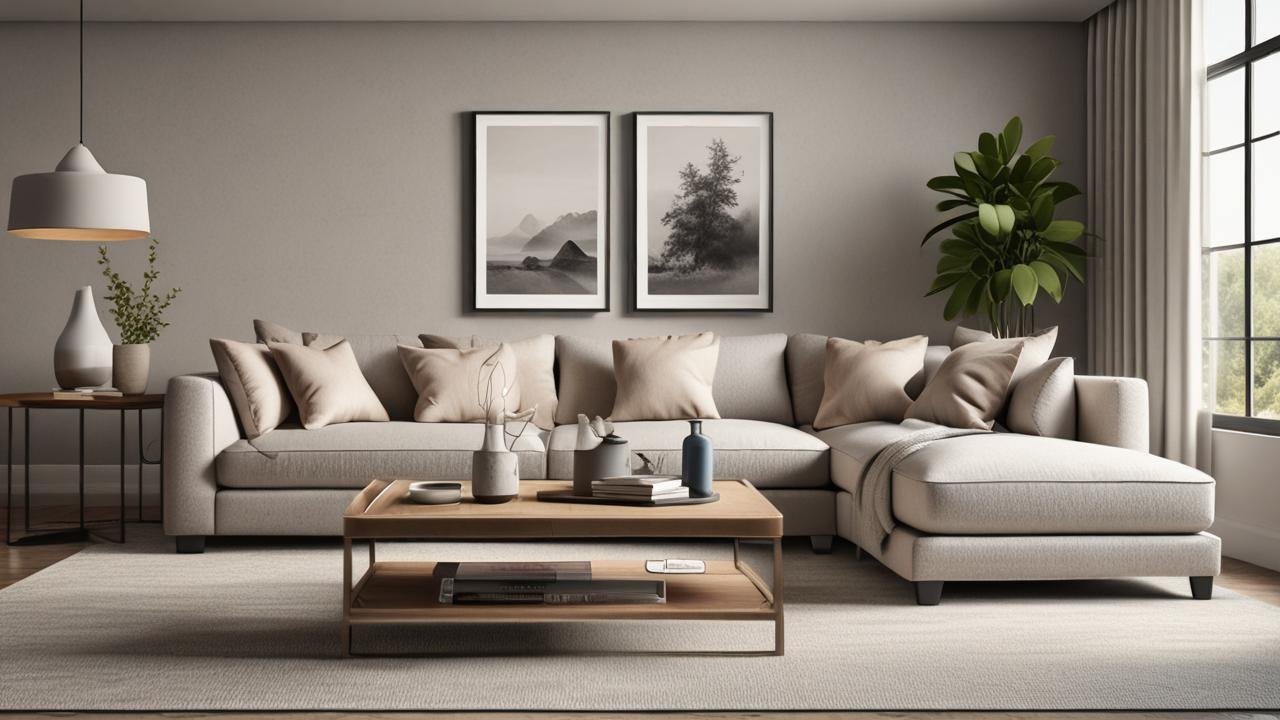
Styling Your Couch with Decorative Pillows
Styling your couch with decorative pillows is where you get to have fun and show off your personal style. It’s about more than just placing them; it’s about creating a cohesive and inviting look that fits your room’s theme.
Matching Your Room’s Style
The style of your pillows should match the overall style of your living room. For a modern living room, you might choose pillows with clean lines, geometric patterns, and solid colors. Think sleek fabrics like linen or a smooth cotton.
Colors like gray, white, black, or navy blue often work well.
For a more bohemian style, you could mix and match patterns and textures. Pillows with tassels, embroidery, or natural fabrics like jute or cotton can add to the look. Earthy tones or vibrant colors can both fit this style.
If your room is traditional, you might opt for classic patterns like damask or floral prints. Rich fabrics like velvet or brocade can also add a touch of elegance. Colors that are warm and inviting, such as deep reds, blues, or greens, often suit this style.
Consider your furniture too. A leather couch might look great with pillows in soft textures like faux fur or chunky knits to soften the look. A fabric couch can handle a wider variety of textures and patterns.
Here’s a quick look at pillow styles for different room aesthetics:
| Room Style | Pillow Suggestions |
|---|---|
| Modern | Geometric patterns, solid colors, clean lines, smooth fabrics (linen, cotton). |
| Bohemian | Mixed patterns, tassels, embroidery, natural textures (jute, cotton), earthy or vibrant colors. |
| Traditional | Floral prints, damask, classic patterns, rich fabrics (velvet, brocade), warm colors. |
| Farmhouse | Plaid, stripes, neutral colors, natural fabrics (cotton, burlap), textured weaves. |
| Coastal | Stripes (especially navy and white), solid blues and greens, natural fibers, shell or anchor motifs. |
The goal is for the pillows to enhance your room’s style, not clash with it. If your room is very minimalist, too many busy pillows can look out of place. Conversely, if your room is already quite decorated, very simple pillows might not add enough impact.
The “Rule of Three” (and Other Guides)
Many decorators talk about the “rule of three” when it comes to arranging pillows. This suggests using an odd number of pillows, often three, for a balanced and visually pleasing look. For example, on a standard sofa, you might have one larger pillow in the center and two smaller pillows on either side.
However, this rule is more of a guideline. Sometimes, using four pillows can look great, especially on a longer sofa or sectional. The key is to create symmetry or a pleasing asymmetry.
Another approach is to use pillows in varying sizes and textures to create layers. Start with the largest pillows at the back, then add medium-sized pillows in front, and finish with a small accent pillow. This adds depth and visual interest.
For instance, on a sofa, you could place two 20×20 inch pillows at the back corners. Then, in front of those, place two 14×20 inch lumbar pillows. You could even add a small round pillow on top of one of the square ones for an extra touch.
Think about how you sit on the couch. If you like to curl up with lots of pillows, you’ll want more. If you prefer a more minimalist look, fewer pillows might be better.
The most important thing is that the arrangement feels comfortable and looks good to you.
Seasonal Pillow Updates
Decorative pillows are a fantastic and easy way to update your decor for different seasons or holidays. You don’t need to buy all new furniture; just swap out your pillow covers!
For spring and summer, you can bring in lighter colors and fabrics. Think pastels, bright blues and greens, and floral or botanical prints. Linen and cotton covers are perfect for these warmer months.
You might choose pillows with images of flowers, seashells, or even summery fruits.
As fall approaches, you can transition to warmer colors and richer textures. Pillows in shades of orange, red, brown, or deep green can create a cozy autumn feel. Chunky knits, faux suede, or velvet covers are great choices.
Patterns like plaid or those featuring leaves or pumpkins can add a seasonal touch.
For winter and the holidays, think about deep jewel tones, metallic accents, or classic Christmas colors like red, green, and gold. Faux fur, velvet, or even sequined covers can add a festive sparkle. You might choose patterns with snowflakes, reindeer, or holiday sentiments.
Updating your pillows seasonally is a simple way to keep your home feeling fresh and in tune with the time of year. It’s a relatively inexpensive way to make a big impact on your living room’s ambiance. Just remember to store your off-season covers properly so they stay in good condition.
Pillow Quantity Guide
Deciding how many pillows to put on your couch can be tricky. There’s no strict rule, but here are some common guidelines that help create a balanced look:
- For a standard 3-seater sofa: Try 2-4 pillows. A common setup is two larger pillows on the ends and one or two smaller ones in front.
- For a loveseat: 1-3 pillows are usually enough. Two smaller pillows or one larger one might be perfect.
- For a sectional sofa: You can use more pillows, perhaps 4-6 or even more, depending on the size. Repeat arrangements on different sections or create a more relaxed, spread-out look.
- For a very small couch or accent chair: One or two pillows are often plenty.
The number of pillows should also depend on how you use your couch. If you like to really snuggle and lean back, you might want fewer decorative pillows and more functional ones for support. If your couch is more for show, you can load it up with stylish pillows.
Consider the visual weight of the pillows. Large, bold pillows take up more visual space than small, simple ones. You want the pillows to complement your furniture, not overwhelm it.
Also, think about leaving enough open space on the couch so it doesn’t look too cluttered.
When in doubt, start with a smaller number and add more if it feels like it needs something. It’s easier to add a pillow than to take one away if you’ve overdone it.
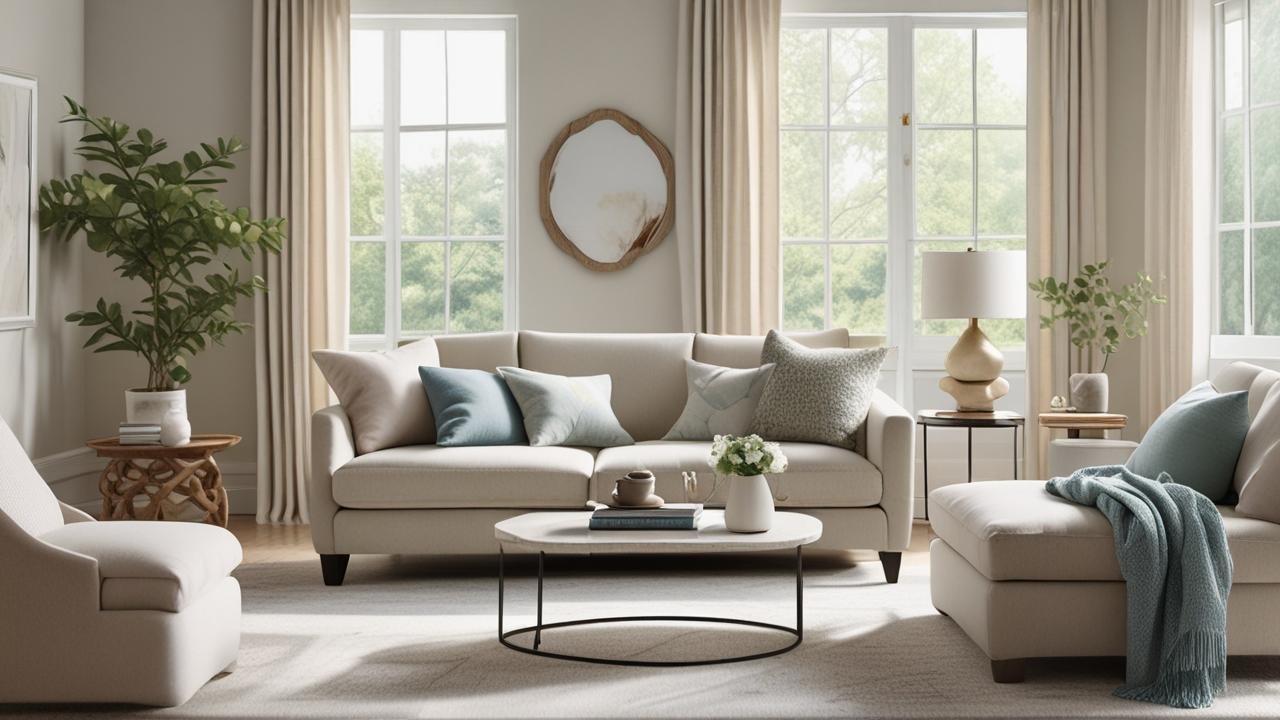
Practical Considerations for Pillow Selection
Beyond looks, there are practical things to think about when choosing decorative pillows. These ensure your pillows are not just pretty but also functional and easy to care for.
Durability and Fabric Care
When you choose decorative pillows, think about how much use they will get. If your couch is in a high-traffic area or you have pets and kids, you’ll want durable fabrics that can withstand wear and tear. Fabrics like cotton blends, certain linens, and performance fabrics are good choices for durability.
Also, consider how easy the fabric is to clean. Spills happen, especially in living rooms. Look for covers that are machine washable or can be spot cleaned easily.
Some pillow covers have zippers, which makes removing them for washing much simpler. Always check the care label on the pillow or its cover.
For example, a velvet pillow might look luxurious, but velvet can be delicate and may require dry cleaning or special care. A faux fur pillow might shed or be difficult to clean if it gets dirty. Natural fibers like cotton or linen can be more forgiving and easier to maintain.
Performance fabrics are specially designed to resist stains and fading. They are often made from synthetic materials but can mimic the look and feel of natural fibers. These are an excellent choice if you have active children or pets and want pillows that will last and stay looking good.
When buying pillows, especially online, read product descriptions carefully. They will usually tell you about the fabric content and recommended cleaning methods. This information can save you a lot of trouble down the line.
Comfort and Support
While decorative pillows are often for looks, they can also add comfort and support. If you like to lean back or prop yourself up on the couch, the firmness and fill of the pillow become important.
Down or down-alternative inserts tend to be softer and more moldable. They are great for resting your head or leaning against. However, they can require frequent fluffing to maintain their shape.
Polyester fill inserts are common and offer a good balance of softness and support. They tend to hold their shape better than down but might not feel as luxurious. Foam inserts are usually the firmest and provide the most support, often used in outdoor furniture or for very structured pillows.
Consider the size and shape of the pillow in relation to its comfort. Lumbar pillows are specifically designed to provide back support. A pillow that is too stiff or too soft might not be comfortable to use.
Think about how you actually use your couch.
If you plan to sleep on the couch or use the pillows for extended periods of lounging, prioritize comfort. If the pillows are purely decorative, then fabric feel and appearance might be more important than how soft they are. It’s a balance to strike based on your lifestyle.
A pillow that feels good to the touch and offers just the right amount of give can make your couch a much cozier place to be. Don’t overlook the importance of the insert material.
Budgeting for Pillows
Decorative pillows can range in price from very affordable to quite expensive. Setting a budget beforehand can help you make smart choices and avoid overspending.
Basic pillows from large home goods stores can be quite inexpensive, often costing $15-$30 each. These are great for experimenting with colors and patterns without a big investment. You can often find them on sale.
Mid-range pillows might cost $30-$60 each. These often feature higher-quality fabrics, more interesting designs, or better construction. You might find these at slightly more specialized home decor stores or online retailers.
High-end designer pillows or custom-made pillows can cost $75-$200 or even more. These are typically made with premium materials, unique embellishments, or from well-known designers. They can be a statement piece in your decor.
Remember to factor in the cost of pillow inserts if you are buying covers separately. A good quality insert can cost $10-$30 or more, depending on the size and fill material.
A smart way to save money is to buy plain, inexpensive inserts and then purchase decorative covers. This way, you can change your look frequently by just swapping out the covers. You can also often find great deals on pillows during holiday sales or clearance events.
Consider the total cost. If you want four pillows, and each is $40, that’s $160. If you can find similar-looking pillows for $25 each, that’s $100, saving you $60.
Always compare prices and look for sales.
Where to Buy Decorative Pillows
You can find decorative pillows in a wide variety of places. Knowing where to look can help you find exactly what you need for your style and budget.
- Big Box Home Stores: Stores like Target, Walmart, and HomeGoods offer a vast selection of pillows at many different price points. They are great for finding trendy items and basic essentials.
- Specialty Home Decor Stores: Stores like Pottery Barn, West Elm, Crate & Barrel, and Anthropologie offer more curated selections with higher quality fabrics and unique designs. Prices here are generally higher.
- Online Retailers: Websites like Amazon, Wayfair, Overstock, and Etsy have an enormous range of pillows from countless brands and independent sellers. You can find almost anything online, but it’s important to read reviews and check dimensions carefully.
- Discount Stores: Stores like TJ Maxx and Marshalls often have designer pillow covers and brand-name pillows at significantly reduced prices. You have to check often, as their stock changes frequently.
- Fabric Stores: If you are crafty, you can buy fabric from a local store and make your own pillow covers. This is a great way to get exactly the fabric and size you want.
When buying online, always check the return policy. Many online stores have generous return policies, which can be helpful if the pillow doesn’t look exactly as you expected it to in person. Reading customer reviews can also give you a good idea of the pillow’s true color, texture, and quality.
Frequently Asked Questions
Question: What is the best way to mix patterns on decorative pillows?
Answer: To mix patterns, try using a combination of large, medium, and small scale patterns. Make sure at least one color from each pattern is present in the other patterns. Using solids or textures as a break between patterns also helps them work together harmoniously.
Question: How many pillows should I put on a standard sofa?
Answer: For a standard 3-seater sofa, 2 to 4 decorative pillows usually look best. You could use two larger pillows on the ends and one or two smaller ones in front. The goal is balance without making the sofa look too crowded.
Question: Can I use outdoor pillows on an indoor couch?
Answer: Yes, you can. Outdoor pillows are often very durable and resistant to stains and fading, which can be a plus. However, they may have a different texture or feel that might not be as comfortable for lounging indoors compared to indoor-specific pillows.
Question: What is a lumbar pillow used for?
Answer: A lumbar pillow is a rectangular pillow that is typically placed in front of larger square pillows on a sofa. It is designed to provide lower back support, making it more comfortable to sit for longer periods.
Question: How do I keep my decorative pillows looking fresh?
Answer: Regularly fluff your pillows to keep them from looking flat. If the covers are removable and machine washable, follow the care instructions for washing. For non-washable covers, spot cleaning is often recommended.
Vacuuming your pillows can also help remove dust and debris.
📌 Check our Pinterest Profile for more inspiration
View on PinterestFinal Thoughts
Choosing decorative pillows for your couch doesn’t have to be hard. By thinking about color, size, shape, texture, and your room’s style, you can easily find pillows that look great. Mix and match to add personality and comfort to your living space.