Many people want the beauty of plants without the upkeep. But when you’re new to buying fake plants, it can be tricky to find ones that look like the real thing. You might worry they’ll look cheap or out of place.
Don’t worry, picking out great fake plants is easier than you think! We’ll walk you through it step-by-step, so you can fill your home with lovely greenery that everyone will think is alive. Let’s get started so you can see how simple How to Choose Fake Plants That Look Real can be.
Key Takeaways
- You’ll learn how to spot fake plants that look like they just came from a garden center.
- We’ll cover the best materials to look for to get that realistic touch.
- You’ll discover how color and texture play a big role in making fake plants believable.
- We’ll share tips on where to look for high-quality artificial greenery.
- You’ll find out how to check the details, like stems and leaves, for that natural look.
- This guide will help you avoid common mistakes beginners make when buying fake plants.
Realistic Materials for Lifelike Fake Plants
The secret to making fake plants look real is all about the materials they are made from. When you touch a real plant, you feel its texture, its slight give, and sometimes even a bit of weight. High-quality fake plants try to copy this.
They use things like silk, plastic, and fabric that feel and look like real leaves and stems. Good materials help the plant keep its shape and color, so it doesn’t fade or get weirdly stiff.
The Importance of Silk and High-Quality Plastics
Silk has long been a go-to for realistic artificial flowers and plants. It can be dyed to match natural colors perfectly and has a soft, pliable feel. This allows the leaves to drape and bend in a way that mimics real plant growth.
When silk is used for leaves, it often has a slight sheen that reflects light naturally, just like real foliage. This is key for avoiding that overly plastic, shiny look that screams “fake.”
Modern plastics have also gotten much better. Look for plastics that have a matte finish rather than a glossy one. Some higher-end fake plants use a blend of plastics and fabrics to achieve a more lifelike feel.
These materials are often more durable and easier to clean, which is a bonus. The best plastics can even have slight imperfections, like tiny veins or natural-looking edges, that make them seem more authentic.
- Silk: Offers a soft feel and natural drape. It’s excellent for mimicking the delicate nature of real leaves and petals.
- High-Quality Plastic: Look for matte finishes that don’t reflect light too brightly. These are often durable and can be molded into realistic shapes.
- Fabric Blends: Combining different materials can give a plant a richer texture and more believable appearance.
These materials work together to create a plant that fools the eye. When you can’t tell if it’s real just by looking, the materials have done their job. This is the first big step in How to Choose Fake Plants That Look Real.
Evaluating Leaf Texture and Feel
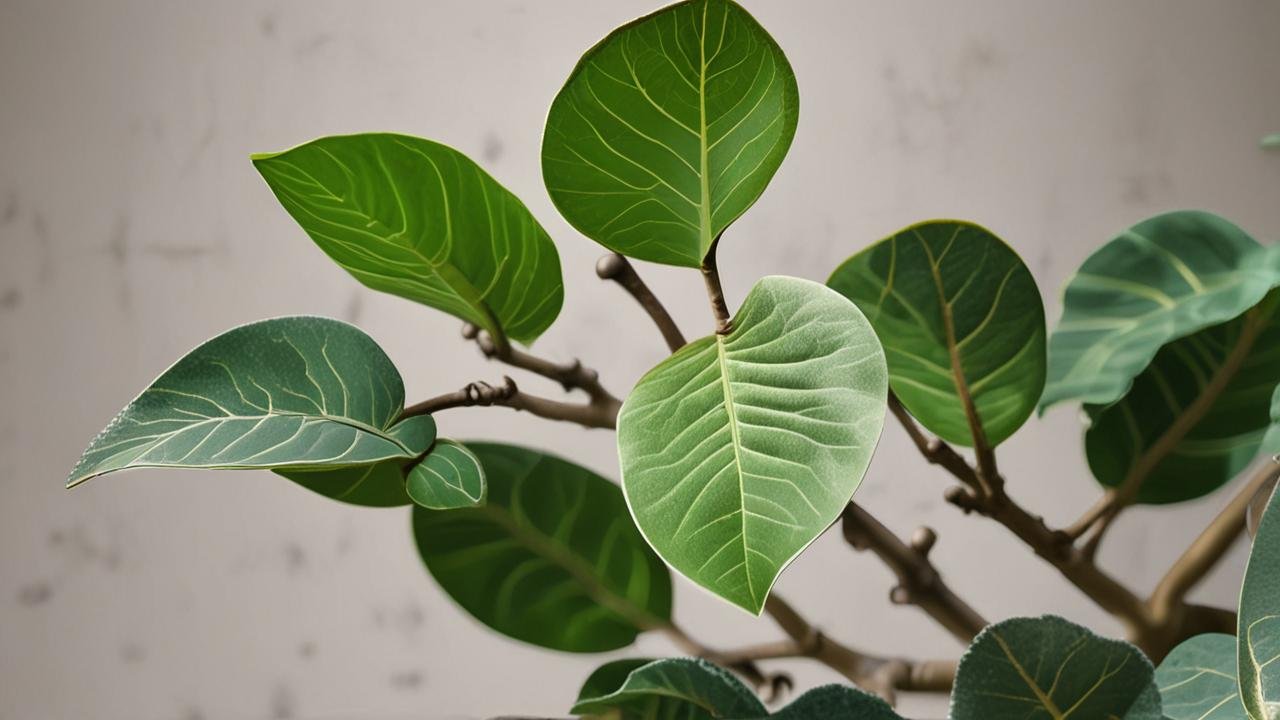
When you’re looking at fake plants, pick one up if you can. How does the leaf feel? Real leaves are usually a bit waxy or have a subtle texture.
They aren’t perfectly smooth and hard like cheap plastic toys. If a fake leaf feels too slick, too stiff, or too thin, it’s probably not going to look real.
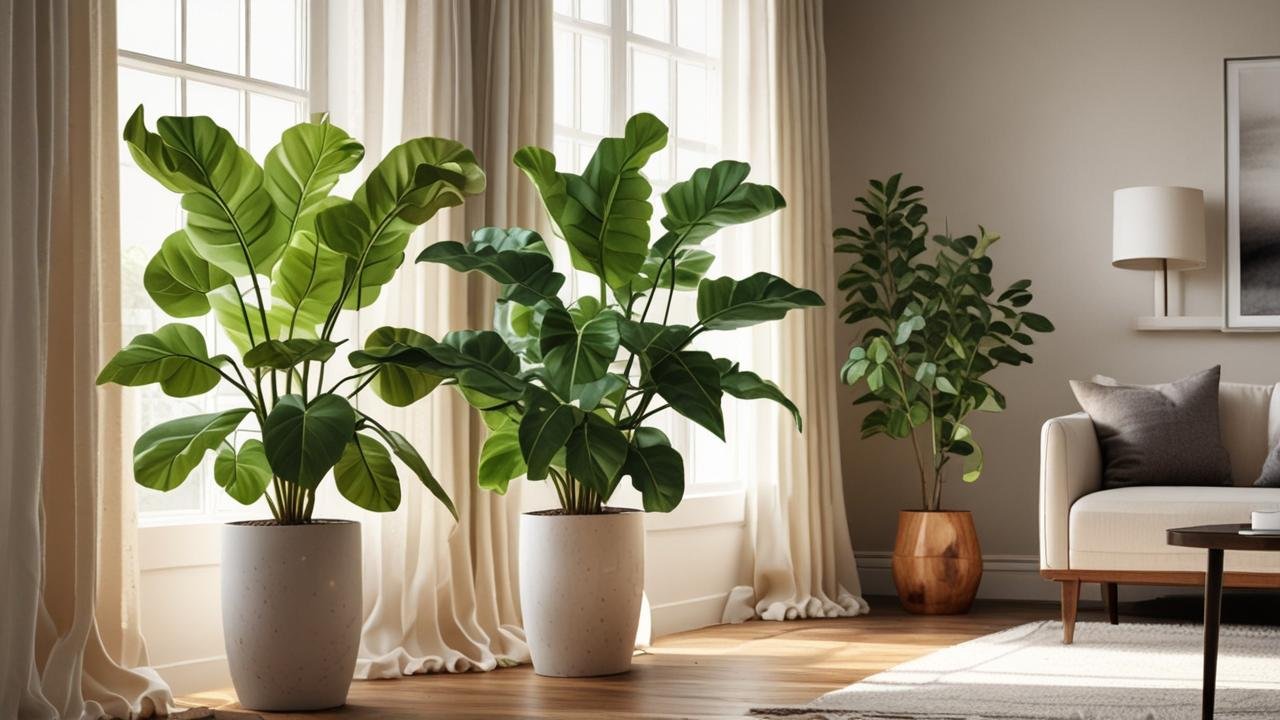
Think about plants you see outside or in a florist’s shop. Some have smooth, glossy leaves, like a Fiddle Leaf Fig. Others have a matte, velvety texture, like a Pothos.
The best fake plants will try to copy these specific textures. You might feel a slight roughness or a soft fuzz on some types of leaves. This attention to detail in the texture makes a huge difference in how convincing the plant appears in your home.
A good fake plant will also have leaves that bend and flex a bit, not snap or feel brittle. This flexibility allows them to move slightly, just like real plants do when there’s a gentle breeze. This adds a dynamic element that makes them appear more alive.
Color and Natural Imperfections: Key to Realism
Even the most expensive fake plants can look fake if the colors are off. Real plants aren’t just one solid shade of green. They have variation, depth, and sometimes even hints of other colors.
Learning to spot these subtle differences is important when you’re figuring out How to Choose Fake Plants That Look Real.
Click Here to Check Our Pinterest Profile for More Inspiration
Shades of Green and Subtle Tones
No real plant is a single, uniform color. Look closely at a real leaf, and you’ll see lighter greens near the stem, darker greens on the edges, or even hints of yellow or brown. The best fake plants replicate this variation.
They might have leaves that are slightly lighter on the underside or have subtle color gradients that mimic natural growth patterns. If a fake plant is just one flat, bright green color all over, it’s an immediate giveaway.
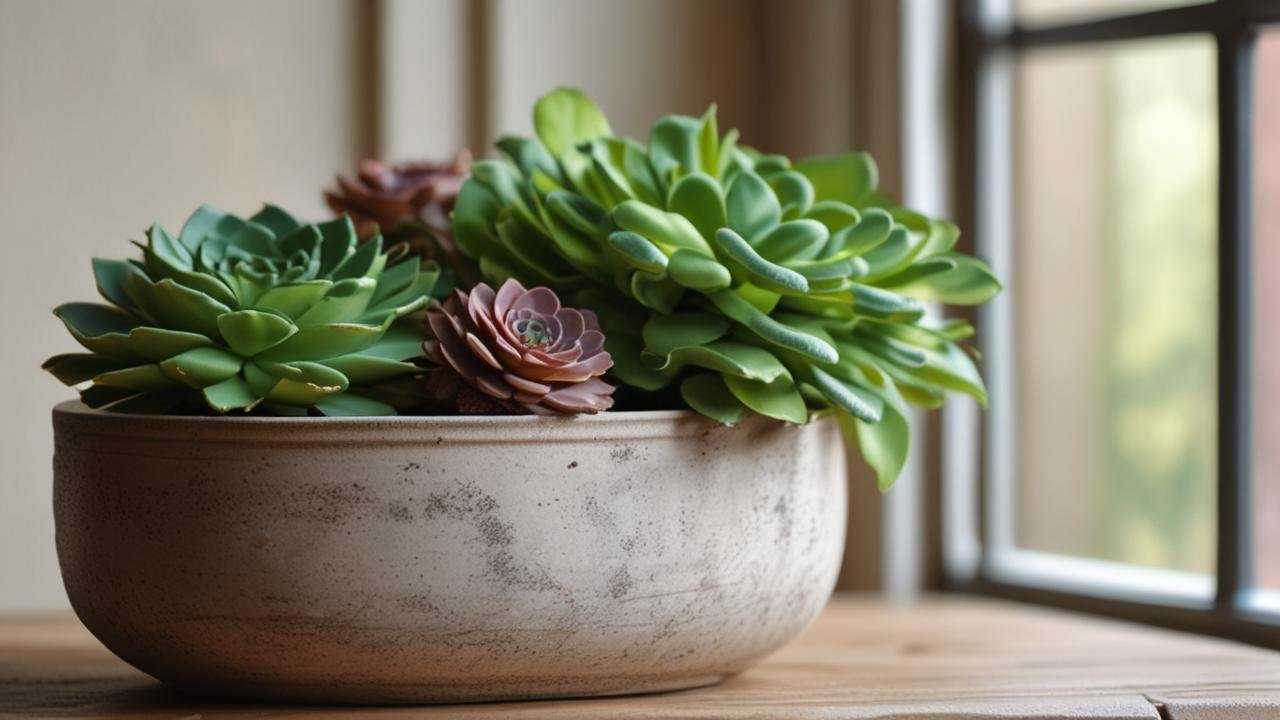
Think about succulents; they often have pink or reddish tips. Some ferns might have a purplish hue on new growth. The more these natural color variations are present, the more believable the plant becomes.
You want to see depth in the color, not just a surface coating. This can mean using different shades of green on the same leaf or even introducing small, realistic blemishes.
The Beauty of Imperfections
Real plants are not perfect. They have occasional yellowing leaves, small tears, or maybe even a spot or two. These aren’t signs of decay; they’re signs of life!
Fake plants that try to look real often incorporate these small “imperfections.” You might see a leaf that’s slightly bent, a stem that has a tiny break, or even a few leaves that are a slightly different shade of green, suggesting new growth or natural aging.
These tiny details prevent the plant from looking too uniform and manufactured. A plant where every single leaf is perfectly placed and identical can look sterile. Adding a few realistic imperfections makes it seem like the plant has grown and lived.
It gives it character. This is a sophisticated way to make artificial plants look like they belong in your living space.
For example, a faux fern might have a few fronds that are a lighter, almost golden color, just like a real fern would when it’s just starting to unfurl. Or, a fake snake plant might have a small brown tip on one of its leaves. These are the kinds of details that make a big difference.
They show that the maker paid attention to nature’s nuances.
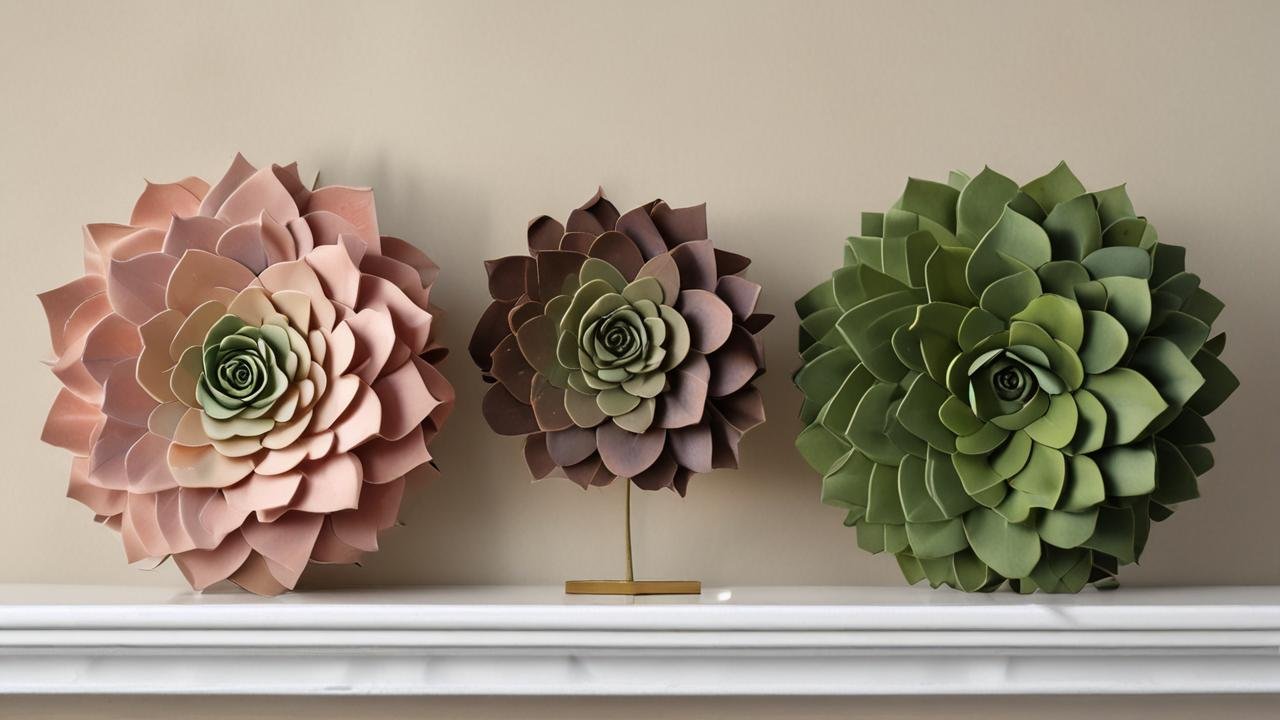
Examining Structure and Construction
Beyond the material and color, the way a fake plant is put together matters a lot. This includes how the leaves are attached, the flexibility of the stems, and the overall shape of the plant. A well-constructed fake plant will look natural and hold its form well, contributing significantly to How to Choose Fake Plants That Look Real.
Leaf Attachment and Stem Flexibility
Look at how the leaves are connected to the stems. In good quality fake plants, leaves are often wired into the stem individually or in small clusters. This allows you to bend and shape them into a more natural position.
If the leaves are simply glued on in a rigid pattern, they will likely look awkward and artificial.
The stems themselves should also have some flexibility. Real plants have stems that bend and curve. If the stems of a fake plant are too stiff, they will look unnatural and make the plant appear stiff and uninviting.
You should be able to gently adjust the stems and leaves to create a fuller, more realistic look. Some stems even have a wire core, allowing for easy shaping and repositioning. This is crucial for making the plant look like it’s growing and thriving.
Overall Shape and Natural Flow
Consider the overall silhouette of the plant. Does it look like a real plant would grow? Some fake plants are too symmetrical or too dense.
Real plants often have a more organic, asymmetrical shape, with leaves and branches spreading out in different directions. A good fake plant will mimic this natural growth habit.
You should also be able to arrange the leaves and branches to create a pleasing and natural appearance. If the plant looks like a stiff, unchanging sculpture, it won’t fool anyone. The ability to fluff and shape the plant is key.
This includes spreading out the leaves so you can’t see the underlying structure easily, and positioning branches to create a balanced yet natural look. It’s about making the plant appear to have its own unique personality.
For instance, a fake monstera plant should have leaves that are varied in size and positioned at different angles, some even showing natural splits or holes that are characteristic of the real plant. This attention to the plant’s overall form is what elevates it from a simple decoration to a piece that adds life to a room.
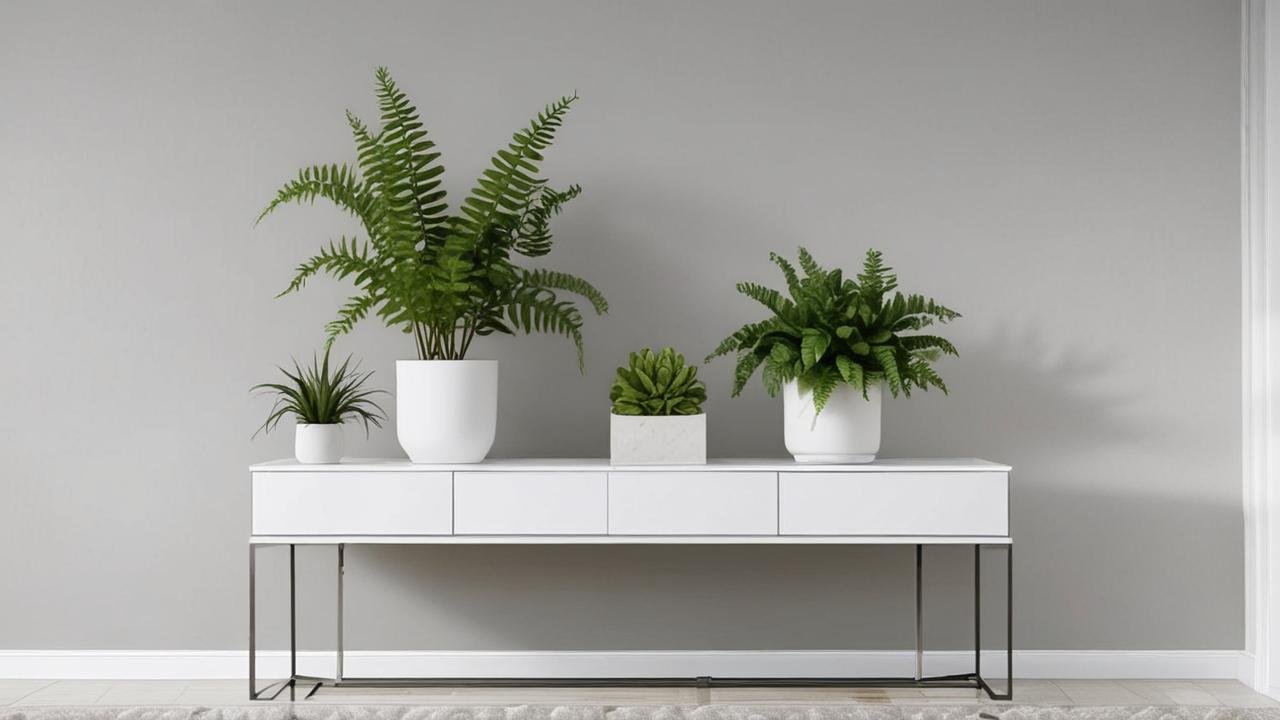
Where to Find Quality Artificial Greenery
Knowing what to look for is one thing, but knowing where to shop is another. The place you buy your fake plants can make a big difference in the quality and realism you find. This part of How to Choose Fake Plants That Look Real focuses on smart shopping.
Online Retailers vs. In-Store Shopping
Online retailers often have a wider selection of artificial plants, which can be great for finding unique varieties. You can compare prices and read reviews from other buyers. However, it can be hard to judge the material and quality from pictures alone.
You might need to rely on detailed descriptions and customer photos.
Shopping in a physical store allows you to touch and feel the plants before you buy them. You can see the colors up close and check the flexibility of the stems and leaves. This is often the best way to ensure you’re getting a high-quality product that looks and feels real.
Many garden centers and home décor stores have dedicated sections for artificial plants.
Specialty Shops and Home Decor Stores
Dedicated artificial plant shops, whether online or physical, often carry the most realistic options. These businesses focus on providing high-quality, lifelike greenery. While they might be a bit more expensive, the investment is usually worth it for the superior look and feel.
Home décor stores and larger department stores also carry artificial plants, but the quality can vary greatly. You’ll need to be more selective and apply the tips we’ve discussed to find the best options. Sometimes, you can find surprisingly good deals at these places, but it requires a keen eye.
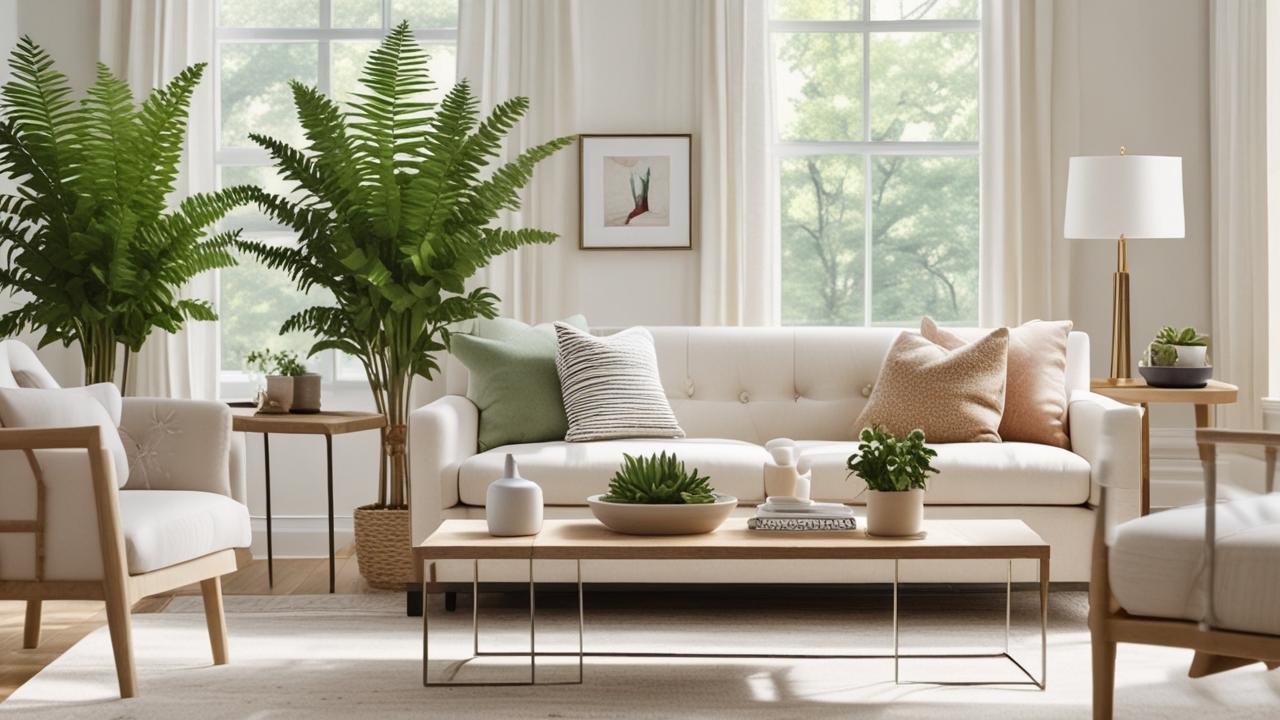
Tips for Placement and Care
Once you’ve chosen your perfect fake plants, where you put them and how you care for them can also make them look more real. It’s not just about the purchase; it’s about presentation.
Strategic Placement in Your Home
Think about where real plants would thrive. Place your fake plants in areas that might not get enough light for real plants, like a dark corner or a windowless bathroom. This is one of the advantages of using fake plants.
Avoid placing them where they might get direct, intense sunlight for long periods, as even high-quality fake plants can fade over time. Consider grouping plants together to create a more natural, lush display. A single fake plant can sometimes look out of place, but a collection can appear like a beautiful, cultivated garden corner.
Keeping Them Looking Fresh
Dust is the enemy of all home décor, including fake plants. Gently wipe down the leaves and stems with a soft, damp cloth every so often. You can also use a feather duster or a can of compressed air to remove dust.
For more stubborn dust, a very mild soap solution on a damp cloth can be used, followed by a rinse with a clean, damp cloth.
Occasionally, you might want to re-shape the leaves and stems to keep them looking their best. Gently bend and adjust them to mimic natural growth and fullness. If a leaf becomes misshapen, gently bend it back into place.
This small bit of maintenance will keep your fake plants looking vibrant and real for years to come.
Frequently Asked Questions
Question: How do I know if a fake plant is too shiny?
Answer: If the leaves reflect light very brightly, almost like plastic wrap, they are likely too shiny. Look for a matte finish or a subtle sheen that mimics real plant surfaces.
Question: Can I put fake plants in my bathroom?
Answer: Yes, fake plants are great for bathrooms since they don’t need light or humidity. Just be sure to keep them out of direct shower spray.
Question: What’s the best way to clean fake plants?
Answer: Gently wipe them with a damp cloth to remove dust. For tougher dirt, use a mild soap and water solution, then wipe with a clean damp cloth.
Question: How can I make fake plants look more natural in a pot?
Answer: Use real soil or decorative pebbles on top of the planter to cover the base where the plant is secured. This adds a realistic touch.
Question: Are there any fake plants that are actually bad investments?
Answer: Cheaply made plants with stiff leaves, fake-looking colors, and poor construction are usually not worth it. They quickly look obviously fake and can make your decor look less appealing.
📌 Check our Pinterest Profile for more inspiration
View on PinterestWrap Up
Choosing fake plants that look real is all about paying attention to materials, colors, and the small details. By focusing on lifelike textures, natural color variations, and flexible stems, you can easily find beautiful greenery for your home. Now you have the tools to make smart choices and enjoy the beauty of plants without the fuss.