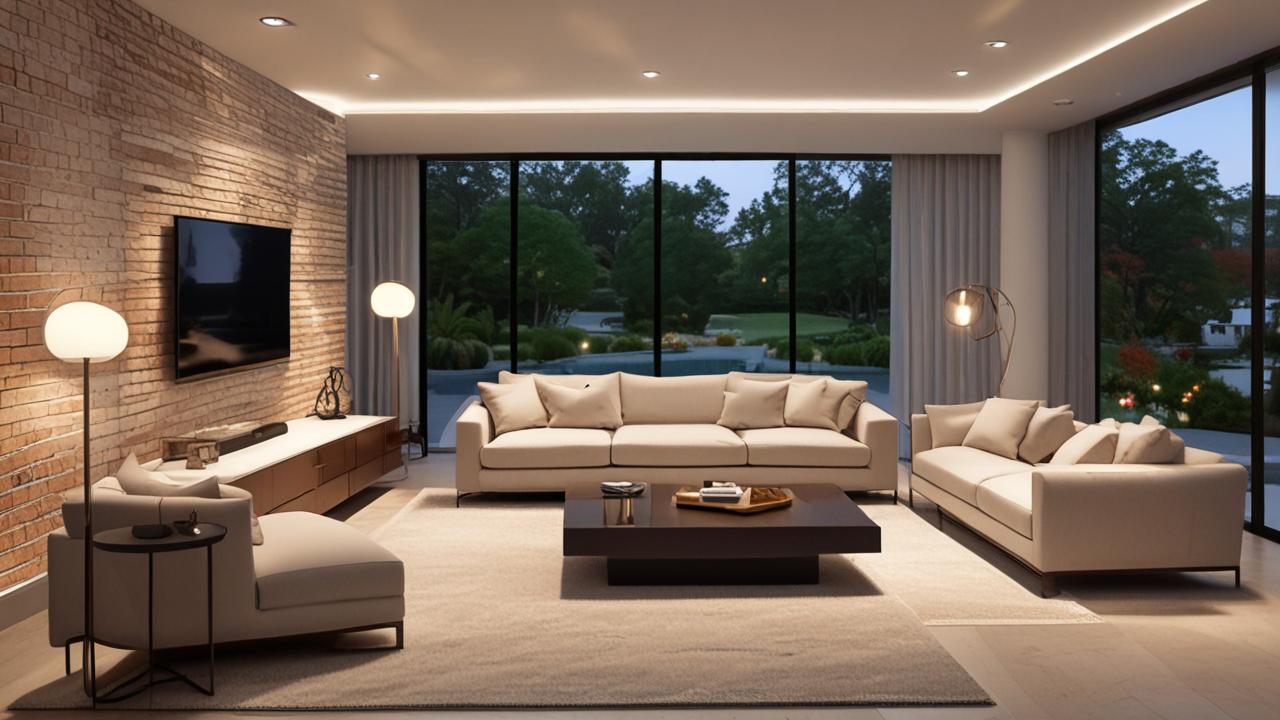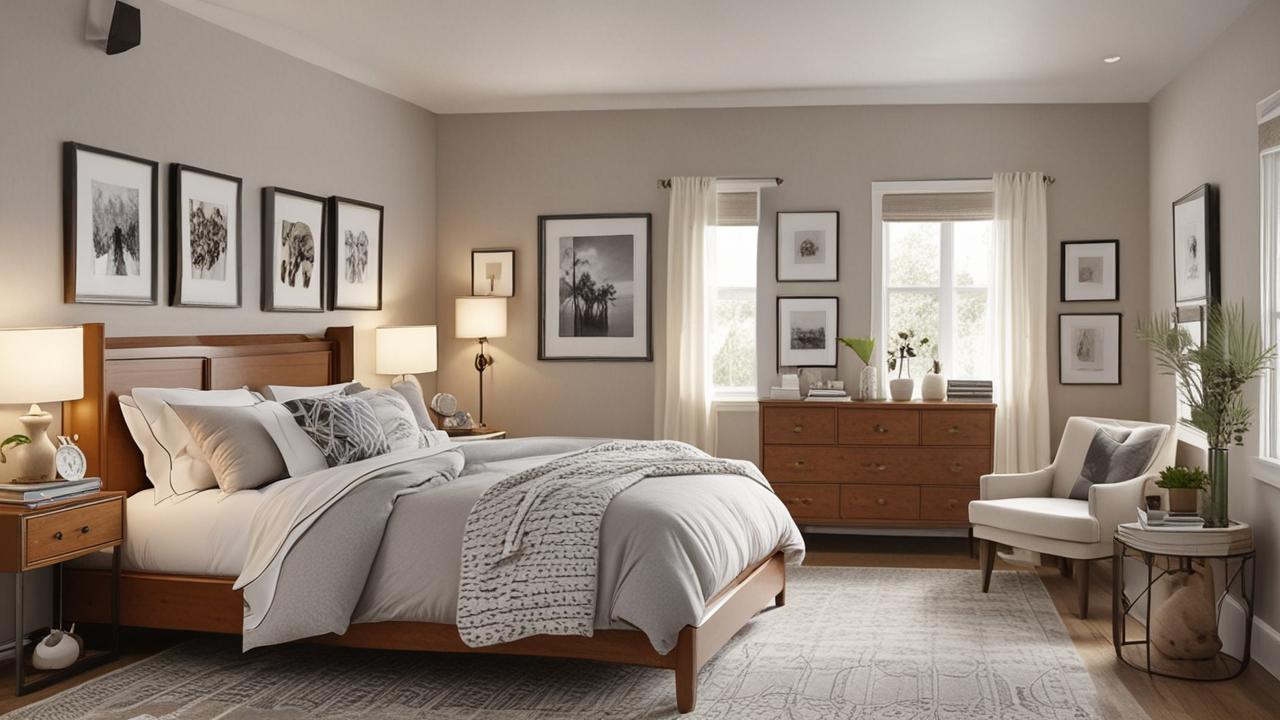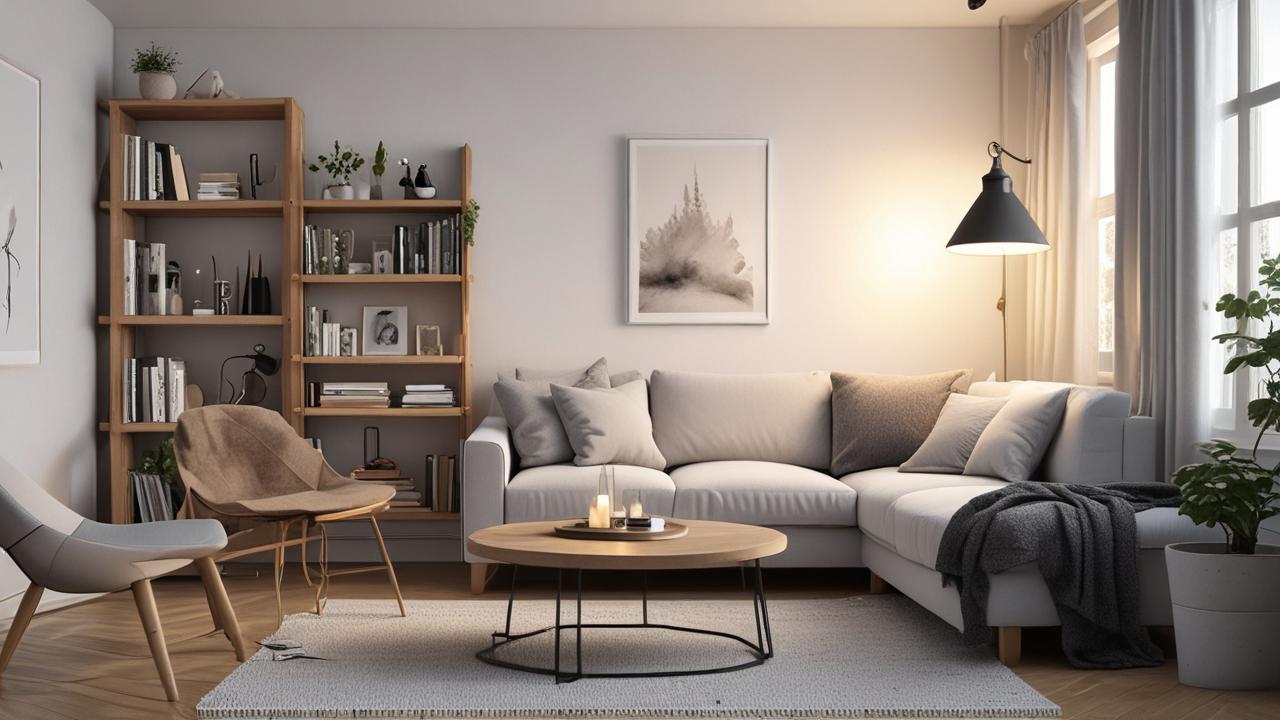
Figuring out the best lights for a small living room can feel tricky, right? It’s common for beginners to wonder how to make a tiny space feel bright and cozy without making it feel cramped. You want your room to look good and be comfy, and lighting is a big part of that.
Don’t worry! We’ll walk you through it step-by-step. After this, you’ll know exactly what to do.
Key Takeaways
- You’ll learn how different types of lights can make a small room look bigger.
- We’ll show you how to layer lights for the perfect mood.
- You’ll discover smart ways to use lighting to highlight your favorite things.
- We’ll cover how to pick lights that save energy and money.
- You’ll get ideas for easy-to-do lighting upgrades.
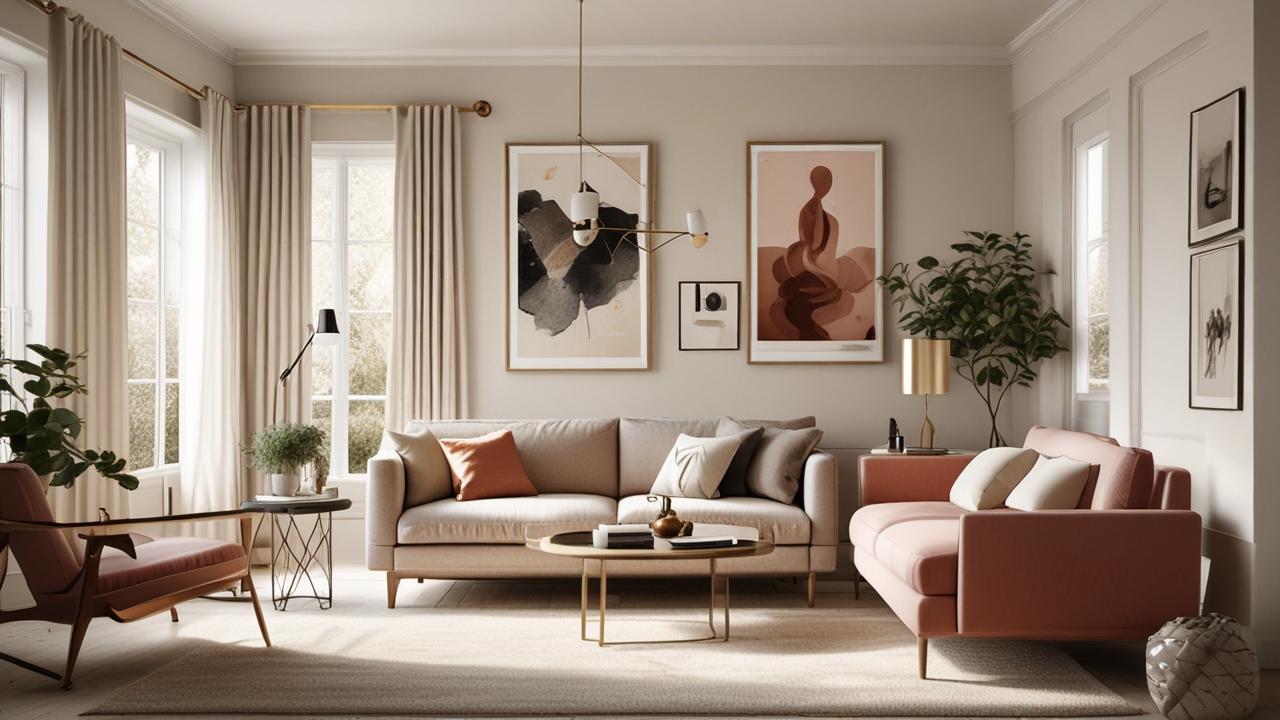
Lighting for Small Living Rooms: Making it Work
When you have a small living room, choosing the right lighting is super important. It’s not just about making the room bright enough to see; it’s about making the space feel more open, cozy, and inviting. Bad lighting can make a small room feel even smaller and dingy.
Good lighting, on the other hand, can trick the eye, create zones for different activities, and highlight your room’s best features. It’s a powerful tool to transform your living space.
The Importance of Layered Lighting
Layered lighting means using different kinds of lights together. Think of it like painting a picture; you use different colors and strokes to create depth and interest. In a room, this means combining ambient, task, and accent lighting.
Each type plays a special role. Ambient light is the main light, like a ceiling fixture. Task light is for activities, like a reading lamp.
Accent light highlights art or plants.
For small living rooms, layering is key because it gives you flexibility. You can adjust the light for movie nights, reading, or when you have guests over. This way, the room feels right for whatever you’re doing.
It also adds visual interest, preventing the room from feeling flat.
- Ambient Lighting: This is the general light in the room. It’s the foundation for your lighting plan. For small spaces, avoiding one harsh overhead light is best. Instead, consider diffused ceiling lights or multiple smaller lamps to spread light evenly. This prevents dark corners and makes the room feel more open. Think about how the light spreads. A dimmer switch is also a great addition here, allowing you to control the mood.
- Task Lighting: This light is for specific activities like reading, crafting, or working. A floor lamp next to a favorite armchair or a small desk lamp on a side table are great examples. It provides focused light where you need it most, so you don’t strain your eyes. This type of lighting is very practical for a living room that doubles as a workspace or reading nook.
- Accent Lighting: This light is used to draw attention to specific features in your room, like artwork, plants, or architectural details. Wall sconces or small spotlights can be used for this. It adds depth and drama to the room. In a small living room, accent lighting can make the space feel more sophisticated and interesting. It helps guide the eye around the room.
How to Choose Lighting for a Small Living Room: Best Practices
When you’re trying to figure out How to Choose Lighting for a Small Living Room, remember that balance is everything. You need enough light to see, but not so much that it feels overwhelming. Think about the size of your room and how you use it.
What activities do you do most often in your living room? Answering these questions will help you select the right types and amounts of light. Also, consider the color temperature of your bulbs, which we’ll discuss more later.
For small spaces, it’s often better to have several smaller light sources rather than one big, bright one. This creates a softer, more welcoming glow. It also allows you to create different moods for different times of day or occasions.
A well-lit small room can feel much more spacious and airy than a poorly lit one.
Ambient Lighting Ideas for Small Spaces
Ambient light sets the tone for the whole room. In a small living room, the goal is to create an even, comfortable light without shadows. A single, bright overhead fixture can sometimes make a small room feel smaller by creating a stark contrast between light and dark areas.
Instead, try using multiple light sources to distribute light more softly.
Recessed lighting can be good, but avoid placing them too close together. A good rule of thumb is to space them about half the height of the ceiling apart. Alternatively, a flush-mount ceiling light with a diffuser can spread light nicely.
If you have a central ceiling fixture, consider one that offers a diffused glow rather than direct, harsh light.
- Track Lighting: This offers flexibility. You can aim the individual lights in different directions to cover the room evenly or highlight specific areas. Adjustable track lights are great because you can change their focus as your needs or room layout change. This makes them a versatile choice for small living rooms where you might rearrange furniture.
- Flush-Mount or Semi-Flush-Mount Fixtures: These hang close to the ceiling. Choose ones with frosted glass or fabric shades to soften the light. They provide good general illumination without taking up much visual space. Look for designs that spread light upwards and outwards to make the ceiling feel higher.
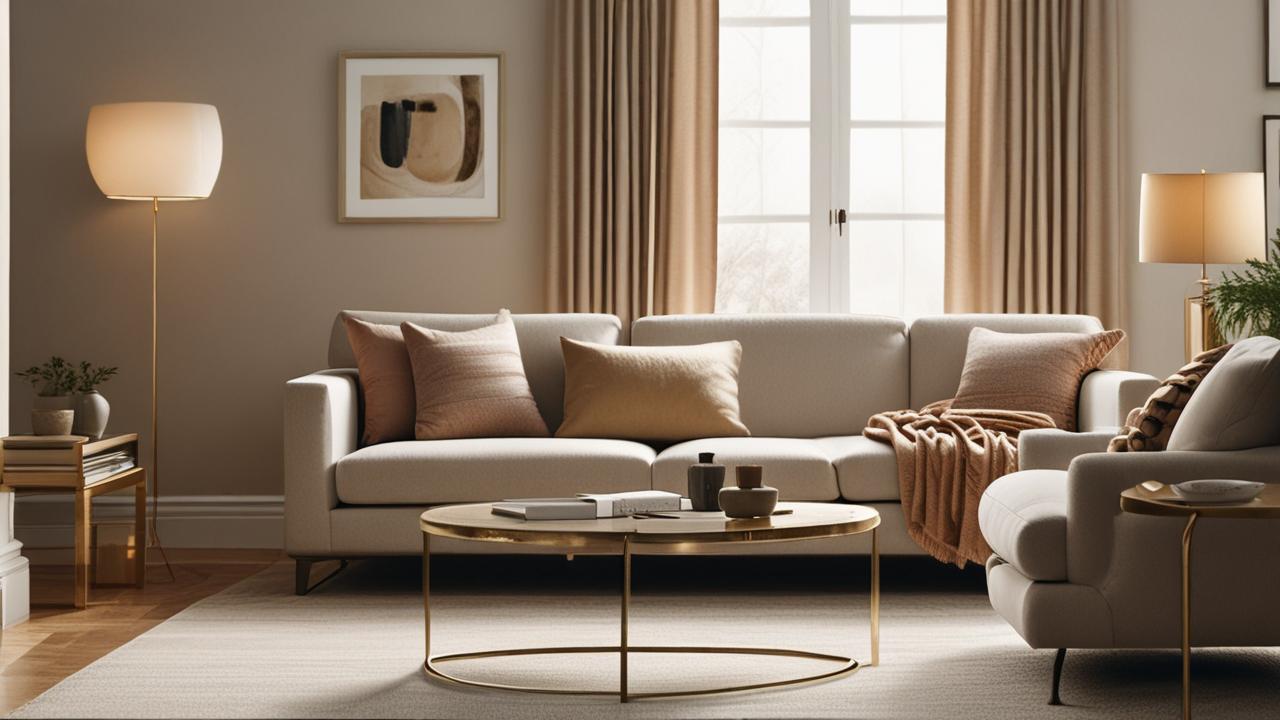
- Multiple Floor and Table Lamps: This is often the most effective way to achieve layered ambient light in a small room. Place lamps in corners, behind furniture, or on side tables. Use shades that diffuse light well. Having several smaller lamps scattered around the room creates a warm, inviting atmosphere and avoids harsh shadows.
Task Lighting Essentials
Task lighting is all about functionality. It’s the light you need for specific actions, like reading a book, doing a crossword puzzle, or working on a laptop. Without proper task lighting, you might find yourself squinting or straining your eyes, which can be tiring.
In a small living room, it’s important to integrate task lighting without making the room feel cluttered or overly bright.
Consider where you typically perform these tasks. If you have a comfy armchair where you love to read, a floor lamp placed beside it is essential. If you sometimes use a small side table for work, a stylish desk lamp can be a perfect addition.
The goal is to provide directed light exactly where you need it.
- Adjustable Floor Lamps: These are fantastic for living rooms. You can move them around to provide light for reading on the sofa or in an armchair. Many have flexible arms, allowing you to direct the light precisely where you want it. Some modern designs are quite slim, so they don’t take up much floor space.
- Table Lamps: Place these on side tables or consoles. They are great for ambient light but also serve as task lighting when positioned correctly for reading or other close-up activities. Choose lamps with shades that direct light downwards or have a diffused glow that’s comfortable on the eyes.
- Wall Sconces: While often used for accent lighting, some wall sconces can provide good task lighting, especially if they are adjustable or positioned near a seating area. They save floor and table space, which is a big win in a small living room.
Accent Lighting for Impact
Accent lighting is the jewelry of your lighting design. It’s used to draw attention to particular objects or features. This could be a piece of art, a beautiful plant, a textured wall, or even a collection of photos.
In a small living room, accent lighting can make the space feel more dynamic and visually interesting. It helps create focal points and adds depth, making the room feel less like a simple box.
The key with accent lighting is not to overdo it. You want to highlight a few key things, not illuminate the entire room. This type of lighting adds a touch of sophistication and personality.
It can also help to make a room feel larger by guiding the eye around the space and creating interesting contrasts.
- Picture Lights: These are specifically designed to shine light directly onto artwork. They come in various styles and sizes. Choosing the right size ensures the artwork is well-lit without glare. This makes your art stand out and become a focal point in the room.
- Uplights and Downlights: Small spotlights or directional lights can be placed on the floor to shine upwards, highlighting plants or textured walls. Conversely, they can be placed on shelves or cabinets to shine downwards, illuminating objects below or creating interesting shadows.
- LED Strip Lights: These can be hidden under shelves, behind furniture, or along the edges of the ceiling. They provide a soft, subtle glow that can highlight architectural features or add a modern touch. They are also energy-efficient.
Color Temperature and Bulb Choices
The color of light, known as color temperature, has a big impact on how a room feels. It’s measured in Kelvin (K). Lower Kelvin numbers mean warmer, more yellow light, like an old incandescent bulb.
Higher Kelvin numbers mean cooler, bluer light, like daylight. For a cozy living room, warmer tones are usually best.
When choosing bulbs, look at the packaging for the Kelvin rating. For living rooms, a range of 2700K to 3000K is typically recommended for a warm, inviting feel. This is often labeled as “warm white” or “soft white.” Avoid bulbs above 4000K in living areas, as they can feel too harsh and clinical.
Also, consider the brightness, measured in lumens. You don’t need the brightest bulbs for every fixture.
Understanding Lumens and Watts
Lumens tell you how bright a light bulb is. Watts tell you how much energy it uses. It’s important to know the difference, especially when switching to LED bulbs.
LEDs use much less energy (watts) to produce the same amount of light (lumens) as old incandescent bulbs.
For example, a 60-watt incandescent bulb might produce around 800 lumens. An LED bulb that produces 800 lumens might only use 9-10 watts. When buying bulbs, focus on the lumen output for brightness and the wattage for energy efficiency.
For general ambient lighting in a small living room, you might aim for around 800-1500 lumens per fixture, depending on the size of the room and the fixture type. Task lighting might require more focused lumens.
| Bulb Type | Typical Lumen Output (for equivalent 60W incandescent) | Typical Wattage | Color Temperature Range | Best Use in Living Room |
|---|---|---|---|---|
| Incandescent | 800 lumens | 60W | 2700K (Warm White) | Warm, cozy feel (less energy efficient) |
| Halogen | 800 lumens | ~53W | 2800K (Slightly warmer than incandescent) | Good for accent lighting, true colors (hotter) |
| CFL (Compact Fluorescent) | 800 lumens | ~13-15W | 2700K-6500K | General lighting (can have warm or cool tones, some have color consistency issues) |
| LED (Light Emitting Diode) | 800 lumens | ~8-10W | 2200K-6500K | Versatile, energy-efficient, various color temps (most recommended) |
Choosing the Right Bulb Types
LED bulbs are the best choice for most applications today. They are highly energy-efficient, last a very long time, and come in a wide range of color temperatures and brightness levels. This makes them perfect for creating the specific atmosphere you want in your small living room.
When buying LEDs, look for “dimmable” if you want to use them with a dimmer switch. This allows you to adjust the light level for different moods and activities. Also, check the CRI (Color Rendering Index) if you want colors in your room to look their most vibrant.
A CRI of 90 or higher is excellent.
- LED A19 Bulbs: These are standard-shaped bulbs that fit most common lamps and fixtures. They are a great all-around choice for ambient and task lighting.
- LED BR30/BR40 Bulbs: These have a wider beam angle and are often used in recessed ceiling lights or track lighting. They can provide broader illumination for ambient light.
- LED MR16 Bulbs: These are smaller, spotlight-style bulbs often used in track lighting or accent fixtures to highlight specific objects.
Smart Lighting Solutions for Small Spaces
Smart lighting offers a lot of convenience and control, which can be especially useful in a small living room. You can control your lights with your voice, a smartphone app, or set schedules for them to turn on and off automatically. This is not only convenient but can also help with energy savings.
Think about how you might use smart lighting. You could have a “movie night” scene that dims the lights to a warm glow. Or a “reading” scene that brightens a specific lamp.
This level of control allows you to easily adapt the lighting to your needs without getting up.
Voice Control and Apps
Many smart bulbs and systems connect to voice assistants like Amazon Alexa, Google Assistant, or Apple HomeKit. This means you can simply say, “Turn on living room lights” or “Dim the lights to 30%.” This hands-free control is fantastic when you’re comfortable on the couch.
The companion apps for these systems also offer a wealth of features. You can create custom lighting scenes, set timers, and even control your lights when you’re away from home. This is great for security, as you can make it look like someone is home even when you’re out.
For small spaces, this remote control capability can make a big difference in comfort and ease of use.
Scheduling and Automation
Setting schedules for your lights can automate your living room’s ambiance. For instance, you can have the lights gently turn on in the morning, or dim down in the evening as bedtime approaches. This creates a natural rhythm in your home.
Automation goes a step further. You can set lights to turn on when you arrive home (geofencing) or to respond to other smart home devices. For example, your lights could dim automatically when your smart TV turns on.
This creates a seamless and integrated experience.
Maximizing Light and Space
In a small living room, every design choice counts. Lighting is a powerful tool to make the space feel larger and more inviting. By using light strategically, you can open up the room and create a sense of spaciousness that belies its actual size.
Think about how light bounces around a room. Using lighter colors on walls and ceilings, combined with well-placed lights, can make a big difference. Mirrors also play a role in reflecting light and making a room feel bigger.
Combining these elements with smart lighting choices is a winning strategy.
- Use Mirrors Strategically: Place mirrors opposite windows or light sources. This will reflect light and make the room feel brighter and more expansive. A well-placed mirror can act like another window, doubling the light in a corner.
- Light-Colored Walls and Ceilings: Lighter colors reflect more light than darker colors. Painting your walls and ceiling in shades of white, cream, or pale pastels will help to maximize the light you have. This will make the room feel more open and airy.
- Vertical Lighting: Use floor lamps that extend upwards or wall sconces placed higher on the wall. This draws the eye upward, making the ceiling feel higher and the room feel taller. Verticality is key to making small spaces feel grander.
Lighting Examples for a Small Living Room
Let’s look at a few scenarios to see how these lighting principles can be applied in a real small living room.
- Scenario 1: The Cozy Reading Nook. Imagine a small living room with a comfortable armchair in one corner. To create a perfect reading spot, place an adjustable floor lamp next to the armchair. This provides focused task lighting. Then, add a warm table lamp on a nearby side table for ambient light. A small wall sconce above a piece of art can add accent lighting.
- Scenario 2: The Entertaining Space. For a small living room where you often have guests, focus on creating a welcoming ambiance. Use a dimmable flush-mount ceiling fixture for overall ambient light. Place two table lamps on console tables behind the sofa for softer, layered lighting. Add a couple of small uplights behind plants to create depth and interest.
- Scenario 3: The Multi-Purpose Room. If your small living room also serves as a home office, you’ll need versatile lighting. Start with good ambient light from a ceiling fixture or scattered lamps. Add a sleek desk lamp for your workspace. Consider accent lighting to highlight bookshelves or decorative items. Smart bulbs would be excellent here, allowing you to change settings easily between work and relaxation modes.
Energy Efficiency and Bulb Lifespan
When choosing lighting, especially for a space you use often like a living room, energy efficiency is a big consideration. It not only saves you money on your electricity bills but also reduces your environmental impact. The good news is that modern lighting technology offers fantastic options.
LED bulbs are the clear winners when it comes to energy efficiency and lifespan. They consume significantly less power than older incandescent or even CFL bulbs. This means they pay for themselves over time through energy savings and by needing replacement much less frequently.
- LEDs vs. Incandescent Bulbs: An LED bulb can use up to 80% less energy than an incandescent bulb and last up to 25 times longer. This is a massive difference. While the upfront cost of LEDs might be slightly higher, the long-term savings are substantial.
- Long Lifespan: A typical LED bulb can last 25,000 hours or more. This means you might not have to change bulbs for 10-20 years, depending on usage. This reduces waste and the hassle of frequent replacements.
- Dimmer Compatibility: Many LED bulbs are now designed to be dimmable. When paired with compatible dimmer switches, they allow you to control brightness and further save energy. Ensure you buy “dimmable” LEDs to avoid flickering or damage.
A study from the U.S. Department of Energy found that widespread adoption of LED lighting could result in significant energy savings across the country. In 2015, it was estimated that LEDs saved enough energy to power 34 million homes for a year.
This highlights the power of choosing efficient lighting.
Frequently Asked Questions
Question: What is the best type of light for a small living room?
Answer: The best approach for a small living room is layered lighting using a mix of ambient, task, and accent lights. LED bulbs are recommended for their energy efficiency and versatility. Aim for warm white (around 2700K-3000K) for a cozy feel.
Question: How many lights do I need in a small living room?
Answer: It’s not about the exact number, but about how the light is distributed. You’ll likely need at least one ambient light source (like a ceiling fixture or several lamps), one or two task lights for reading, and possibly one or two accent lights for art or decor.
Question: Can I use a bright overhead light in a small living room?
Answer: A single, very bright overhead light can sometimes make a small room feel smaller. It’s better to use a diffused overhead light or opt for multiple smaller lamps to create a softer, more even illumination and avoid harsh shadows.
Question: How do I make my small living room look bigger with lighting?
Answer: Use lighting to draw the eye upwards with floor lamps or wall sconces. Reflect light with mirrors placed opposite light sources. Light up corners to make the space feel more open.
Avoid dark, shadowy areas.
Question: What color temperature is best for a living room?
Answer: For a cozy and inviting atmosphere in a living room, warm white light is generally best. Look for bulbs with a color temperature between 2700K and 3000K. This mimics the warm glow of traditional incandescent bulbs.
📌 Check our Pinterest Profile for more inspiration
View on PinterestFinal Thoughts
Choosing lighting for a small living room is about creating warmth, coziness, and making the space feel bigger. Layering different types of lights—ambient, task, and accent—is your key strategy. Opt for energy-efficient LED bulbs in warm tones.
With these simple steps, you can easily transform your small living room into a perfectly lit, inviting space.