Picking out a rug for your hardwood floors can feel a bit tricky, especially if you’re new to decorating. You want something that looks great, stays put, and doesn’t scratch your beautiful wood. It can be a puzzle to figure out what works best.
But don’t worry! We’ll walk through it step-by-step to make choosing the perfect rug simple and easy. Get ready to learn all about How to Choose the Right Rug for Hardwood Floors and discover how to make your home even cozier.
Key Takeaways
- You will learn about different rug materials that are safe for hardwood floors.
- We will cover rug sizes and shapes that complement your room.
- You will understand how to select rug backing to prevent slipping.
- We will discuss how rug colors and patterns can enhance your hardwood.
- You will get tips on protecting your hardwood floors from rug wear.
Choosing Safe Materials for Hardwood
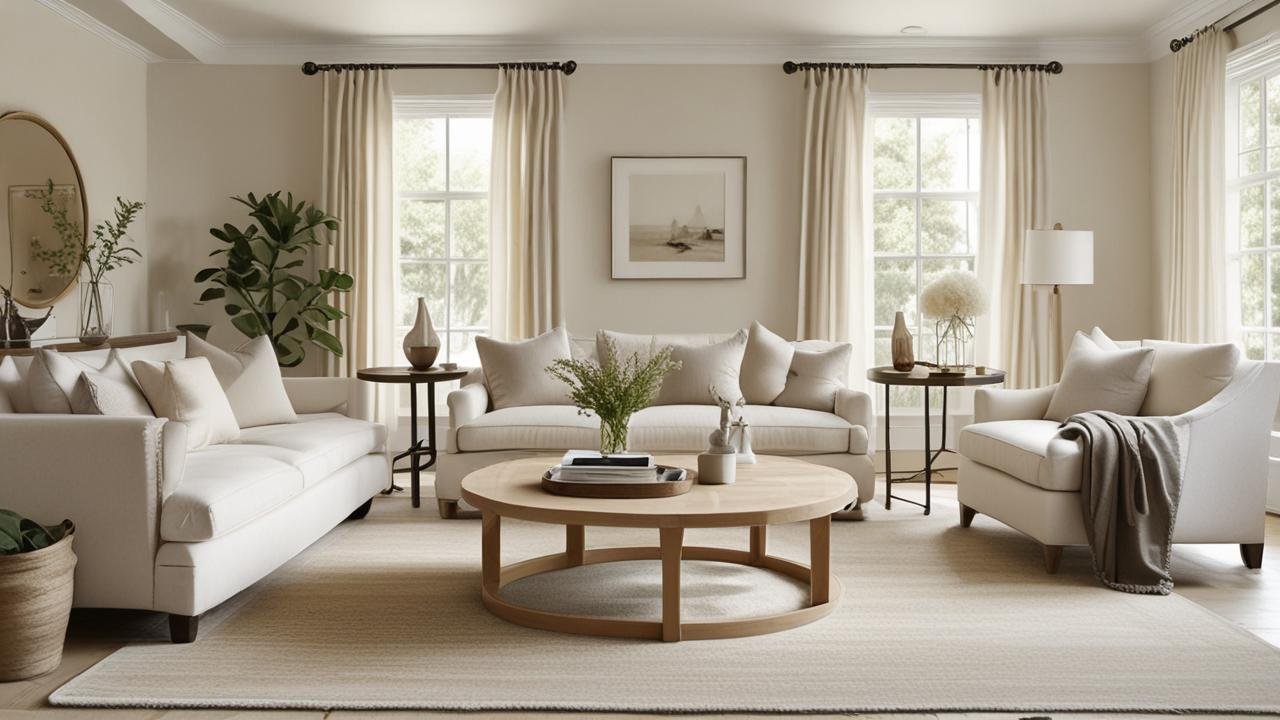
When you’re looking for a rug to put on hardwood floors, the material it’s made from is super important. You don’t want anything rough or stiff that could scratch or dull the finish of your wood. Natural fibers like wool, cotton, and jute are often good choices.
They tend to be softer and less likely to cause damage. Synthetic materials like nylon and polyester can also work well, but it’s smart to check their texture and backing. The goal is to find something that feels nice underfoot and is gentle on your floors.
We’ll break down the pros and cons of each type so you can make a smart choice.
Wool Rugs
Wool is a fantastic material for rugs, especially when you have hardwood floors. It’s known for being soft, durable, and naturally resistant to stains and wear. This means a wool rug can last a long time and still look great.
Wool fibers are also a bit springy, which helps them bounce back from pressure, like from furniture. This can help prevent dents in your floors. Plus, wool has natural flame-retardant qualities, adding a layer of safety to your home.
It feels luxurious and warm, making any room feel more inviting.
When selecting a wool rug, look for tightly woven options. These are less likely to shed and can offer better protection. The density of the weave can also affect how it interacts with your floor.
A denser weave might offer a smoother surface. Some wool rugs might need a rug pad underneath, even on hardwood, to add extra cushioning and grip. This also helps to prevent any slight movement.
The natural oils in wool can also provide a little bit of protection. It’s a classic choice for a reason, offering both style and practicality for hardwood.
Cotton Rugs
Cotton rugs are another popular choice for homes with hardwood. They are typically softer than jute and can feel very comfortable. Cotton is also a breathable material, which is nice for airflow.
Many cotton rugs are washable, which is a big plus if you have pets or kids. This makes cleaning up spills much easier. However, cotton can be more prone to staining if not treated, and it might fade over time if placed in direct sunlight.
It’s a good option for areas with less foot traffic or if easy cleaning is your top priority.
When considering cotton, think about its weave. Flatweave cotton rugs are very thin and lie close to the floor, making them less likely to cause tripping hazards or get caught under doors. They also tend to be lighter, which can be good for moving around.
Heavier cotton rugs might offer more cushioning. It’s always a good idea to check if the dye in a cotton rug is colorfast. This means the color won’t bleed onto your hardwood floors, especially if it gets wet.
Looking for rugs specifically designed for hardwood is a smart move.
Jute and Natural Fiber Rugs
Rugs made from jute, sisal, seagrass, and bamboo fall into the natural fiber category. These materials offer a beautiful, earthy texture that can add a lot of warmth and character to a room. They are often eco-friendly and can be quite durable.
However, natural fibers can be more sensitive to moisture. Spills can sometimes stain them permanently, and too much humidity can cause them to expand or even rot. They also tend to be more textured, so you’ll want to make sure the weave isn’t too coarse to scratch your floors.
For hardwood floors, it’s best to opt for natural fiber rugs with a smoother weave. Think about a jute rug with a tighter, flatter weave rather than a shaggier, looser one. These are less likely to snag or scratch.
You might also consider using a rug pad underneath to create a softer barrier between the rug and the floor. This adds comfort and helps protect both. Because of their sensitivity to moisture, these rugs are best placed in areas that don’t get a lot of spills or dampness.
They are perfect for living rooms or bedrooms where the focus is on natural beauty.
Synthetic Rugs (Nylon, Polyester, Polypropylene)
Synthetic rugs, like those made from nylon, polyester, or polypropylene, are often very practical. They are known for their durability, stain resistance, and affordability. These materials are designed to withstand heavy foot traffic and are generally easy to clean.
Polypropylene, also known as olefin, is particularly popular because it’s highly resistant to moisture and fading. Nylon is very strong and resilient, making it a good choice for high-traffic areas. Polyester can offer a softer feel and vibrant colors.
When choosing synthetic rugs for hardwood, pay attention to the backing. Some synthetic rugs come with a rubber or latex backing already attached. This can be great for preventing slips, but you need to be careful.
Older latex backings can sometimes degrade over time and stick to or damage certain types of hardwood finishes. It’s wise to look for synthetic rugs with a woven or fabric backing, or to use a separate, high-quality rug pad that is safe for hardwood. This ensures your floors stay protected and the rug stays in place.
Understanding Rug Sizes and Shapes
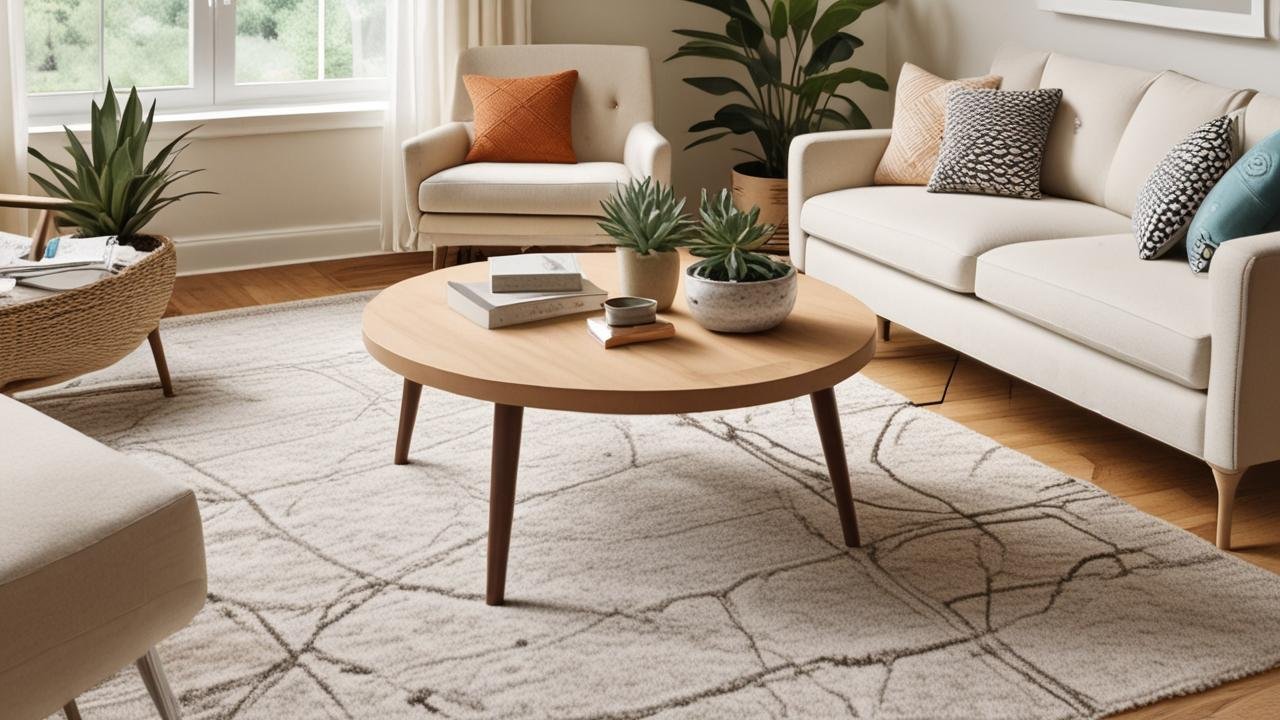
The size and shape of your rug play a big role in how it looks and functions with hardwood floors. A rug that’s too small can make a room feel choppy and disconnected. Too large, and it can overwhelm the space.
For hardwood floors, getting the right scale is key to making the room feel cohesive and stylish. We’ll explore the most common rug sizes and how to pick the best shape for your furniture and room layout.
Living Room Rug Placement
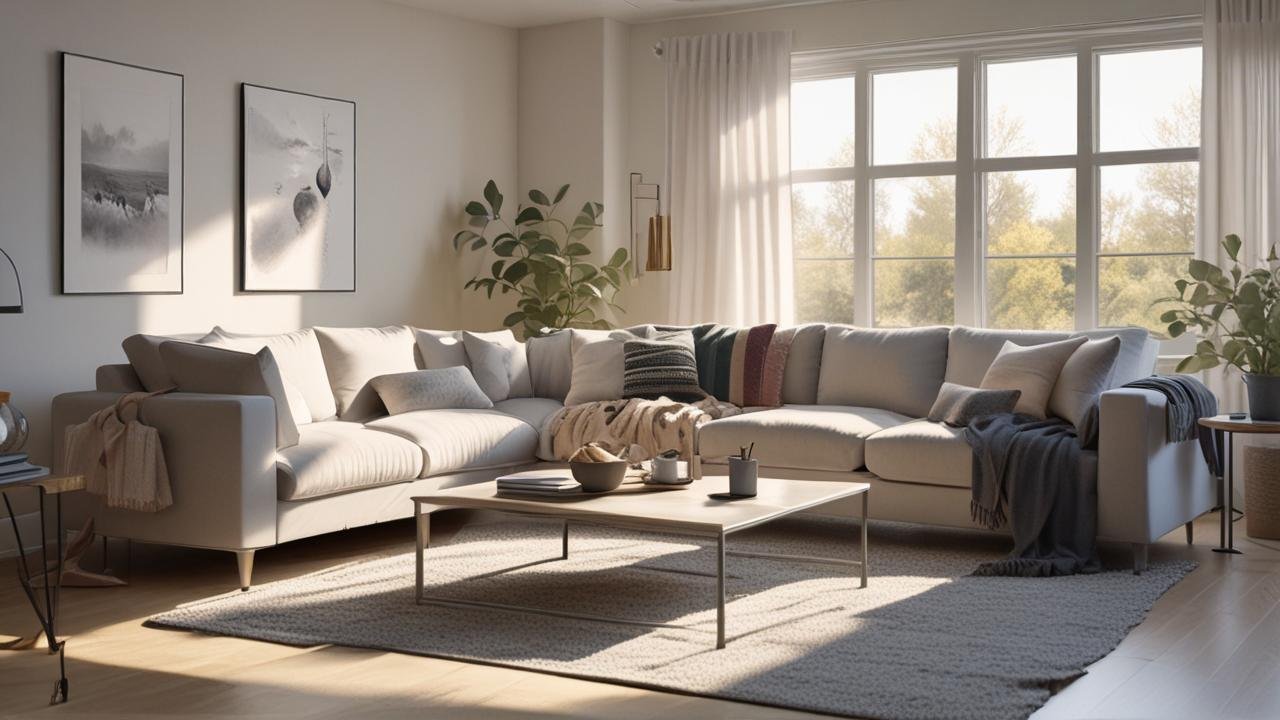
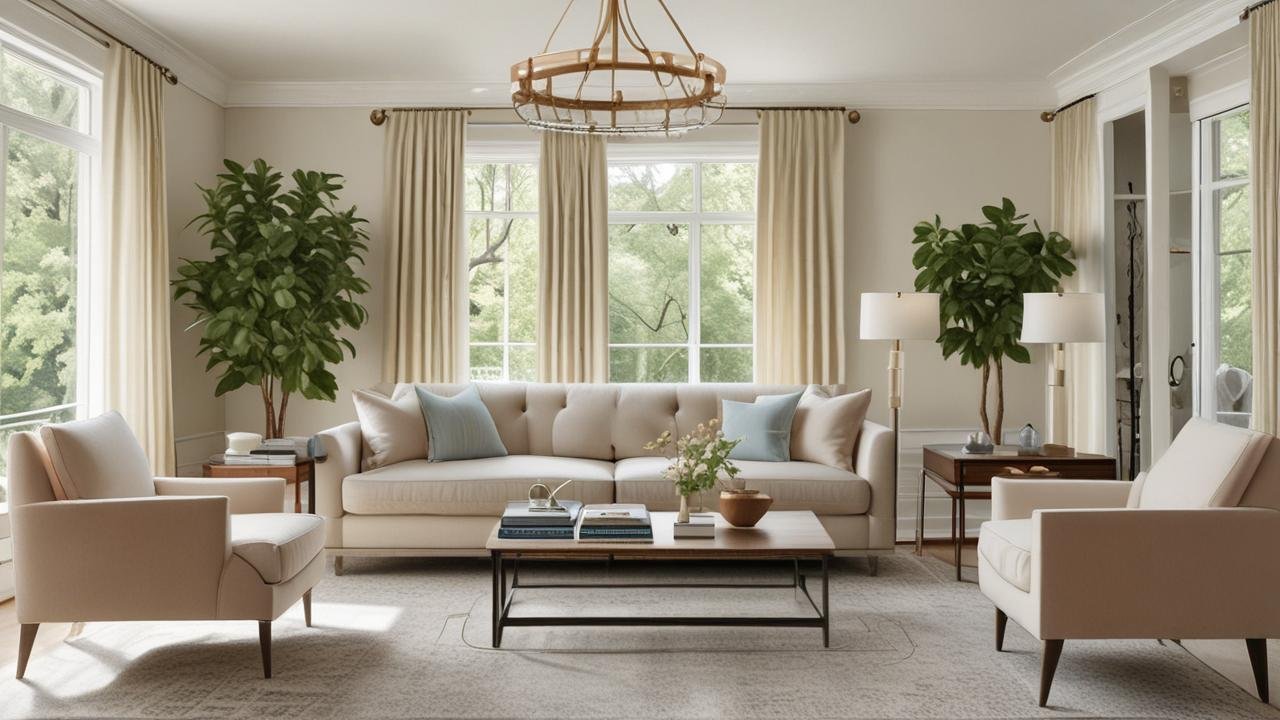
In a living room, the goal is often to anchor the furniture and create a cozy conversation area. A common mistake is picking a rug that’s too small. Ideally, a living room rug should be large enough for at least the front legs of your main furniture pieces (sofa, chairs) to rest on it.
This visually ties the seating area together and makes the space feel more grounded. If that’s not possible due to budget or room size, choose a rug that at least has the coffee table sitting entirely on it, with a bit of space around it.
For a standard living room, an 8×10 or 9×12 foot rug is often a good starting point. If you have a larger room, you might even consider a 10×14 foot rug. The key is that the rug should define the seating area.
If your sofa and chairs are floating in the middle of the room, the rug should extend past them on all sides. If your furniture is against a wall, ensure the rug extends a good foot or two beyond the furniture. This creates a visually appealing border and prevents the hardwood from looking too exposed.
Bedroom Rug Placement
Bedrooms are all about comfort, and a rug on hardwood floors can add a lot of warmth and softness. For a king or queen-size bed, an 8×10 or 9×12 foot rug is usually a good choice. You want the rug to extend at least 18 to 24 inches beyond the sides and foot of the bed.
This way, when you step out of bed, your feet land on something soft and warm. The rug should be wide enough to reach the nightstands, or at least come close to them. This creates a continuous, inviting feel.
Another popular option for bedrooms is to use two smaller rugs, one on each side of the bed. These are often called “runners” or “accent rugs.” They should be long enough to extend a bit beyond the bed and wide enough to provide a comfortable landing spot for your feet. These smaller rugs can be a more budget-friendly option and offer flexibility in placement.
Just make sure they are securely in place with a good rug pad to prevent slips on the hardwood.
Dining Room Rugs
When placing a rug in a dining room, the main consideration is practicality. You want a rug that is large enough so that all the chairs can be pulled out and still remain on the rug. This prevents the chair legs from scratching the hardwood.
A general rule of thumb is to measure the dining table and add about 30 inches on all sides. This measurement gives you the minimum rug size you’ll need.
For instance, if your dining table is 3×5 feet, you’ll want a rug that is at least 6×8 feet (3+30 inches and 5+30 inches). A larger rug can make the dining area feel more grand and defined. However, if the rug is too large, it can make the room feel cramped.
It’s also important that the rug material can withstand the rolling of chair legs. Denser weaves are often better here, and a good rug pad is essential for added grip and floor protection. Avoid shag or very thick pile rugs in dining rooms, as they can make it difficult to move chairs and collect crumbs.
Runner Rugs for Hallways and Entryways
Hallways and entryways are high-traffic areas that can benefit greatly from runner rugs. These long, narrow rugs help protect your hardwood floors from wear and tear caused by constant foot traffic. They also add a touch of style and warmth to what can sometimes be overlooked spaces.
When choosing a runner, make sure it’s not so wide that it leaves very little hardwood visible on the sides. You want a balance that protects the floor while still showcasing its beauty.
In hallways, a good rule is to leave about 6 to 12 inches of hardwood visible on each side of the runner. This creates a nice border and prevents the hallway from looking like a tunnel. For entryways, choose a rug that is large enough to welcome guests and catch dirt from shoes, but not so large that it impedes the opening of the door.
Runners often come in widths of 2 to 3 feet and lengths that can vary greatly, so measure your space carefully. A non-slip backing is crucial for runners, as they are prone to shifting.
Preventing Slips: Rug Backing Matters
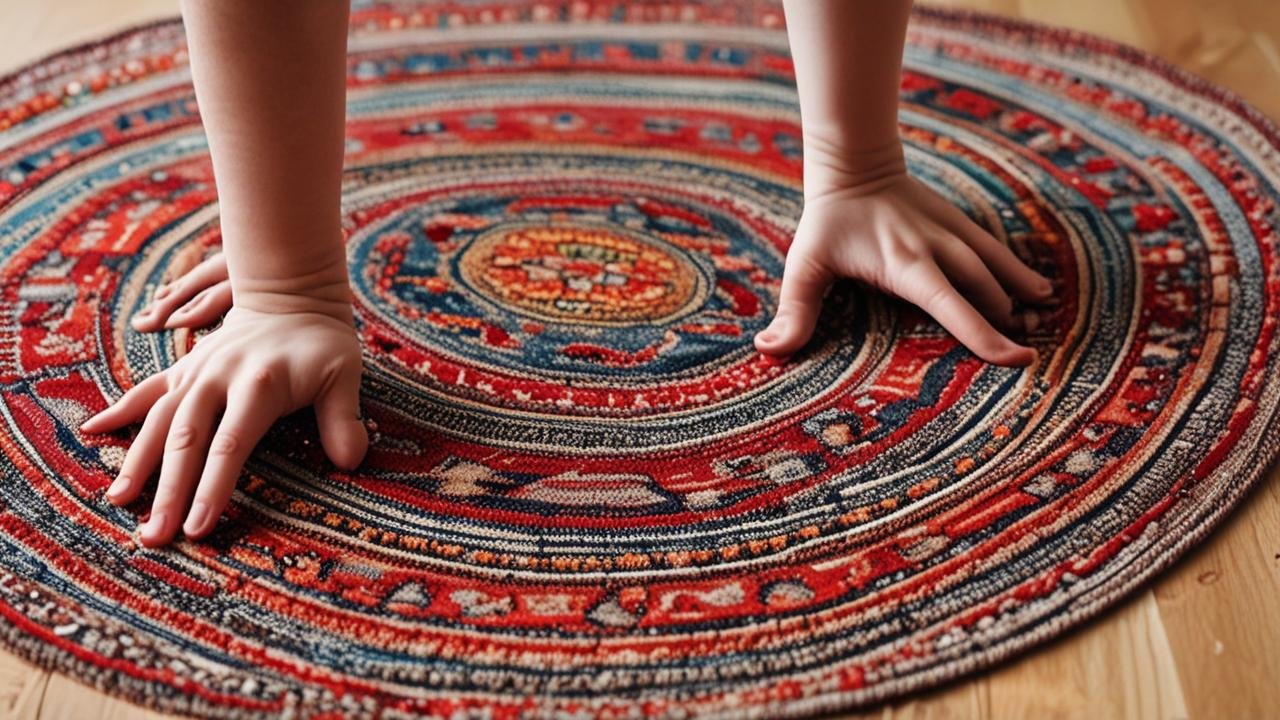
One of the biggest concerns with placing rugs on hardwood floors is preventing them from sliding around. A slippery rug is not only an eyesore but also a serious safety hazard. The type of backing a rug has, or the use of a separate rug pad, is critical for keeping it in place.
We’ll look at different backing options and why a good rug pad is often the best solution.
Types of Rug Backing
Many rugs come with built-in backing. Some common types include:
- Latex Backing: This is a rubber-like material applied to the back of a rug. It offers good grip, especially on smooth surfaces like hardwood. However, older latex backings can sometimes degrade, become brittle, and even stick to or damage certain hardwood finishes, particularly if the finish is soft or has been oiled. It’s also a concern for those with latex allergies.
- PVC Backing: Polyvinyl chloride (PVC) is another plastic used for rug backing. It can offer good grip, but some people prefer to avoid PVC due to environmental concerns. Like latex, it’s important to ensure it doesn’t react negatively with your floor’s finish.
- Canvas or Jute Backing: Some rugs have a woven backing, often made of cotton canvas or jute. These are generally safe for hardwood floors as they don’t degrade in the same way as rubber or plastic. However, they offer less inherent grip and almost always require a separate rug pad for safety and to prevent slipping.
- No Backing: Many natural fiber rugs, like jute or sisal, come with no backing. These are excellent candidates for hardwood, but they absolutely need a rug pad.
The Importance of a Rug Pad
A high-quality rug pad is often the best way to ensure your rug stays put on hardwood floors and provides extra benefits. A good rug pad does more than just prevent slipping. It adds a layer of cushioning underfoot, making your rug feel more luxurious.
It can also help to absorb sound, which is great for apartments or multi-story homes. Furthermore, a rug pad acts as a protective barrier between the rug and the hardwood, preventing scratches from rug fibers or potential damage from the rug’s backing.
When choosing a rug pad for hardwood, look for options made from natural rubber or a dense felt material. Natural rubber provides excellent grip without the risk of degradation that some synthetic latex backings have. Felt pads offer great cushioning and a good amount of grip, especially when they are dense.
Avoid rug pads that are too thin or made of cheap, sticky materials. Always check the manufacturer’s recommendations for both your rug and your floor finish to ensure compatibility. A well-chosen rug pad is an investment in the longevity and safety of both your rug and your hardwood floors.
Here are some key benefits of using a rug pad:
- Slip Prevention: This is the most critical benefit for hardwood floors. A good rug pad creates friction, holding the rug securely in place and preventing dangerous sliding.
- Floor Protection: It acts as a buffer, protecting your hardwood from scratches caused by rug fibers, grit, and general wear and tear. It can also prevent discoloration from the rug backing over time.
- Comfort: It adds a plush feel underfoot, making your rug more comfortable and luxurious.
- Extends Rug Life: By reducing friction and preventing excessive stretching or shifting, a rug pad can help your rug last longer.
- Noise Reduction: It absorbs sound, making your room quieter and reducing noise transmission to other floors.
Color, Pattern, and Style Considerations
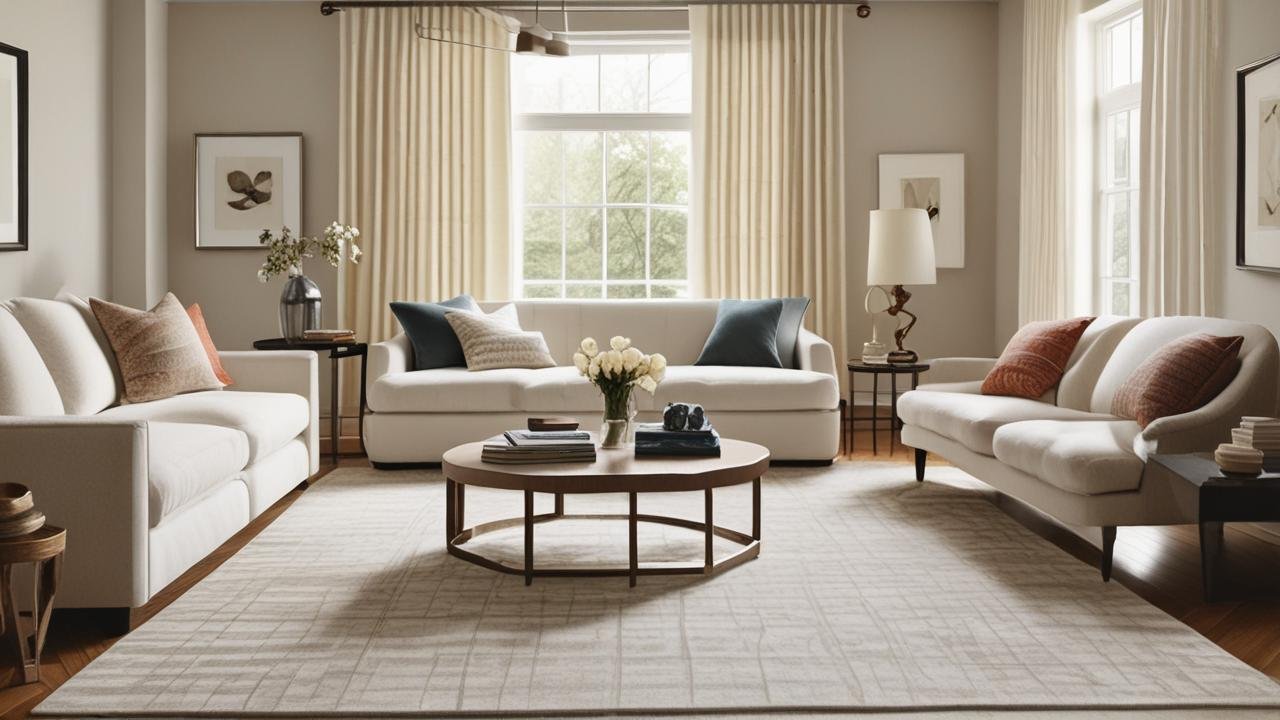
Once you’ve considered the material and size, it’s time to think about how the rug’s color and pattern will fit into your room’s style. The right rug can be a focal point, or it can blend seamlessly to enhance the existing decor. Hardwood floors offer a warm, natural base, and a rug can either complement or contrast with them beautifully.
Let’s explore how to pick the perfect visual elements.
Light vs. Dark Rugs
The color of your rug can significantly impact the look and feel of a room with hardwood floors. Light-colored rugs can make a space feel brighter, more open, and airy. They work wonderfully with darker hardwood floors, creating a lovely contrast.
A light neutral rug, like cream, beige, or light gray, can brighten up a darker room and make it feel more spacious. However, light rugs can show dirt and stains more easily, so they might not be the best choice for very high-traffic areas or homes with pets and young children unless they are made of a very stain-resistant material.
Darker rugs, on the other hand, can make a room feel cozier and more intimate. They are often more forgiving when it comes to hiding dirt and stains, making them a practical choice for busy households. Darker hardwood floors paired with a dark rug can create a sophisticated, grounded look.
However, if you have very dark hardwood floors and choose a very dark rug, the space might start to feel a bit too dark or heavy. It’s often good to have some contrast, so a medium-toned wood floor with a dark rug, or a dark wood floor with a charcoal or deep blue rug, can be very effective. Consider the natural light in your room when making this choice.
Patterned Rugs and Hardwood
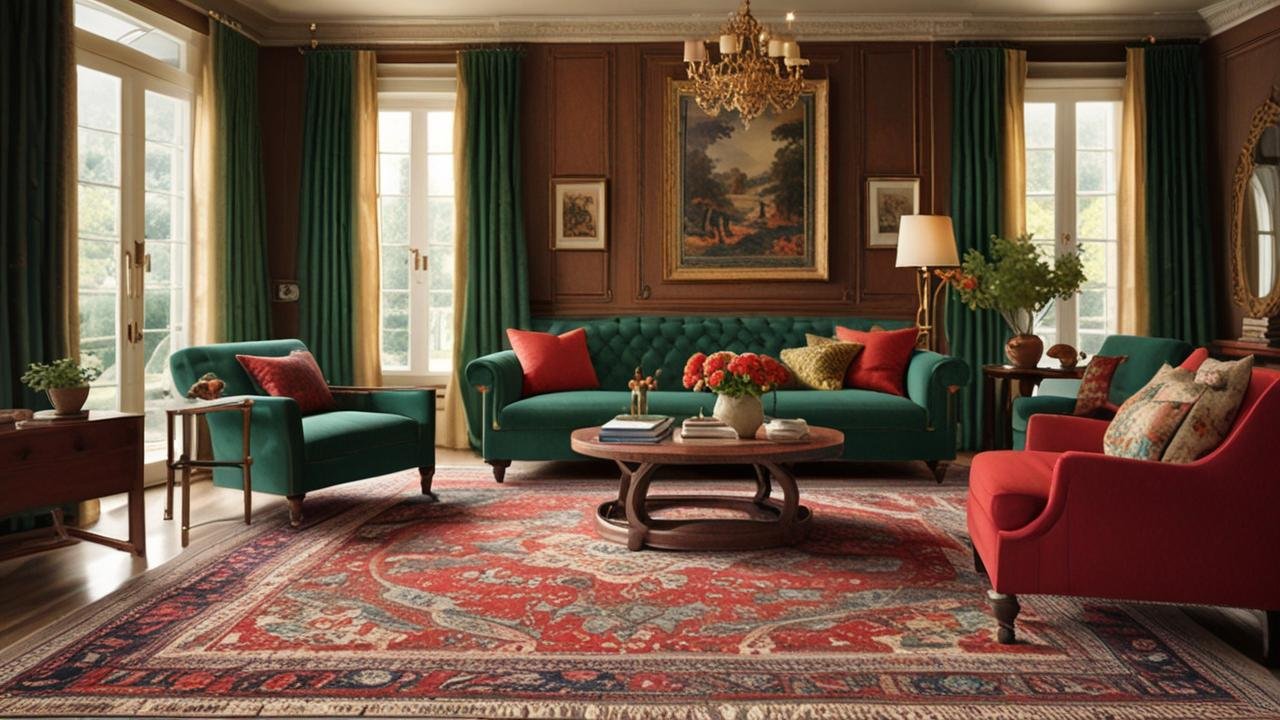
Patterned rugs can add a lot of personality and visual interest to a room with hardwood floors. A busy pattern can help to camouflage minor spills or wear and tear, which is a great benefit for practicality. Geometric patterns, traditional Persian designs, or abstract prints can all work well, depending on your desired style.
If your hardwood floors have a strong grain or a lot of variation, a simpler pattern might be best to avoid visual clutter. Conversely, if your room has a lot of solid colors, a patterned rug can be the perfect way to introduce some dynamic flair.
When choosing a pattern, think about the scale. A large-scale pattern can make a room feel grander, while a smaller, more intricate pattern can add subtle detail. Consider the colors within the pattern.
Do they complement your wall color, furniture, and other decor? You can use the rug’s colors to pull together different elements in the room. For example, if your sofa has a blue accent and your curtains have a touch of yellow, find a rug that incorporates these colors to create a cohesive look.
A patterned rug can really tie a space together.
Matching Rugs to Your Decor Style
Your rug should harmonize with your overall interior design style. For a modern look, consider rugs with clean lines, geometric patterns, or solid, muted colors. A minimalist approach might favor a simple, textured rug in a neutral tone.
For a more traditional or classic aesthetic, Persian or Oriental-style rugs with intricate patterns and rich colors are excellent choices. Bohemian styles often incorporate colorful, globally inspired patterns and natural textures like jute or rattan.
If you have a farmhouse or rustic style, consider natural fiber rugs or those with subtle, earthy tones and simple patterns like stripes or checks. The key is consistency. Look at your furniture, wall art, and other accessories.
What is the dominant color palette? What is the overall mood you want to create? Your rug is a significant element, so it should contribute to that mood rather than clash with it.
Don’t be afraid to mix and match textures and patterns, but do so thoughtfully. A well-chosen rug can elevate your entire room’s design.
Maintaining Your Rug and Hardwood Floors
Once you’ve found the perfect rug, taking care of it and your hardwood floors is essential for longevity. Regular cleaning and a few preventative measures can keep both looking their best for years to come. We’ll cover how to keep your rug clean and protect your valuable hardwood.
Regular Cleaning and Vacuuming
Vacuuming your rug regularly is the most important step in keeping it clean and extending its life. For most rugs on hardwood, a vacuum cleaner with adjustable height settings is ideal. Set the vacuum to a higher setting or turn off the beater bar if it has one.
The beater bar can snag or damage rug fibers, and it can also scratch the hardwood if the rug shifts or is too thin. Vacuuming at least once a week is recommended, and more often in high-traffic areas.
For spills, blot the area immediately with a clean, white cloth. Avoid rubbing, as this can spread the stain and push it deeper into the fibers. For general cleaning, follow the rug manufacturer’s care instructions.
Wool rugs may benefit from gentle cleaning with a wool-safe cleaner, while synthetic rugs are often more robust. Periodically, it’s a good idea to take your rug outside and give it a good shake to remove embedded dirt and debris. This is especially effective for smaller rugs.
Protecting Against Sun Damage and Wear
Direct sunlight can cause hardwood floors and some rug colors to fade over time. If your rug is placed in a sunny spot, consider using curtains or blinds to filter the light. Rotating your rug every six months to a year can also help ensure even wear and prevent fading in specific areas.
This is particularly important for rugs in rooms with windows that receive a lot of direct sun.
To prevent excessive wear, especially in high-traffic areas like hallways or entryways, consider using a rug with a dense weave and a good rug pad. You might also want to choose a darker color or a pattern that is more forgiving of wear and tear. For furniture placed on the rug, such as the legs of a sofa or table, consider using furniture coasters or pads.
These can help distribute the weight and prevent deep indentations or scratches on both the rug and the hardwood floor beneath.
Dealing with Pet Accidents
Pets can be wonderful companions, but their accidents can be a challenge for rugs and hardwood floors. If a pet accident occurs, act quickly. Blot up as much of the liquid as possible with paper towels or a clean cloth.
For urine, it’s important to neutralize the odor to prevent your pet from returning to the same spot. There are many pet stain and odor removers available, but always test them on an inconspicuous area of the rug first to ensure they don’t cause discoloration.
Some rug materials are more resistant to pet accidents than others. Synthetic fibers like polypropylene are generally easier to clean and more resistant to staining than natural fibers like wool or jute. If you have pets, prioritizing a durable, stain-resistant rug with a good cleaning record is a wise choice.
For hardwood floors, it’s crucial that any liquid from an accident doesn’t seep through the rug and pad to the wood. Prompt cleanup is the best defense.
Frequently Asked Questions
Question: What is the best type of rug for hardwood floors to prevent slipping?
Answer: The best way to prevent a rug from slipping on hardwood floors is to use a high-quality rug pad. Natural rubber or dense felt rug pads offer excellent grip and protection for your hardwood.
Question: Can I use a rug with a rubber backing on my hardwood floors?
Answer: Be cautious with rubber-backed rugs. Older latex or rubber backings can sometimes degrade and damage certain hardwood finishes. It’s safer to use a rug pad that you know is safe for hardwood, or choose a rug with a woven backing.
Question: Will my hardwood floors get scratched by a jute rug?
Answer: Jute rugs can sometimes have a coarser texture. To prevent scratches, opt for jute rugs with a tighter, smoother weave and always use a rug pad underneath to create a soft barrier.
Question: How do I know what size rug to get for my living room?
Answer: For a living room, the ideal rug should be large enough for the front legs of your sofa and chairs to sit on it. This anchors the furniture and makes the space feel cohesive. Measure your seating area and choose a rug that fits the scale.
Question: Can I put any color rug on my hardwood floors?
Answer: You can use any color rug. Light colors can make a space feel brighter and larger, while dark colors can make it feel cozier. Consider the amount of natural light in the room and the overall decor style when choosing a color.
📌 Check our Pinterest Profile for more inspiration
View on PinterestFinal Thoughts
Choosing the right rug for your hardwood floors is all about balancing beauty, safety, and practicality. Focus on soft materials, the right size, and a reliable rug pad. By keeping these simple tips in mind, you can find a rug that enhances your home and protects your beautiful floors for years to come.