Picking out the perfect piece of art for your walls can feel like a puzzle, especially when you’re just starting. You see something you love, but then comes the big question: will it fit just right? Don’t worry, knowing How to Choose the Right Size Wall Art isn’t as tricky as it seems.
We’ll walk through it step by step to make it super simple. Get ready to learn how to make your walls look amazing!
Key Takeaways
- You’ll learn how to measure your wall space for art.
- Discover rules of thumb for balancing art size with furniture.
- Understand how different room sizes affect art choices.
- Find out how to use a gallery wall to fill a large space.
- Learn how to consider ceiling height when picking art size.
Finding the Perfect Wall Art Fit
Choosing the right size for your wall art is really important. It can make a big difference in how a room feels. Too small, and it might look lost.
Too big, and it can feel overwhelming. This section will guide you through the simple ways to figure out what works best.
Measuring Your Space
First things first, let’s talk about measuring. You need to know how much space you actually have on your wall. This is the most basic step, but it’s super important.
Think about the wall where you want to hang your art. Grab a tape measure. Measure the width and height of the empty space.
For example, if you have a wall that’s 8 feet wide and 10 feet tall, that’s your starting point. Knowing these numbers helps you avoid buying art that’s way too big or too small.
It’s also a good idea to measure around any furniture that will be near the art. You don’t want a large painting to cover up a lamp or look squished between a sofa and a table. Measure the space from the top of your sofa to the ceiling, or from the edge of a cabinet to a corner.
These measurements give you boundaries.
- Measure the total width of the wall.
- Measure the total height of the wall.
- Measure the space above furniture like sofas or beds.
- Measure the distance between other wall decor.
Measuring is your first step to success. It ensures you have a clear idea of the canvas you’re working with. Without these numbers, you’re just guessing, and guessing can lead to art that doesn’t quite hit the mark.
Art Size Versus Furniture
Another key part of picking the right size art is thinking about the furniture in the room. The art should look like it belongs with your couch, bed, or dining table. It’s like making sure your outfit matches your shoes!
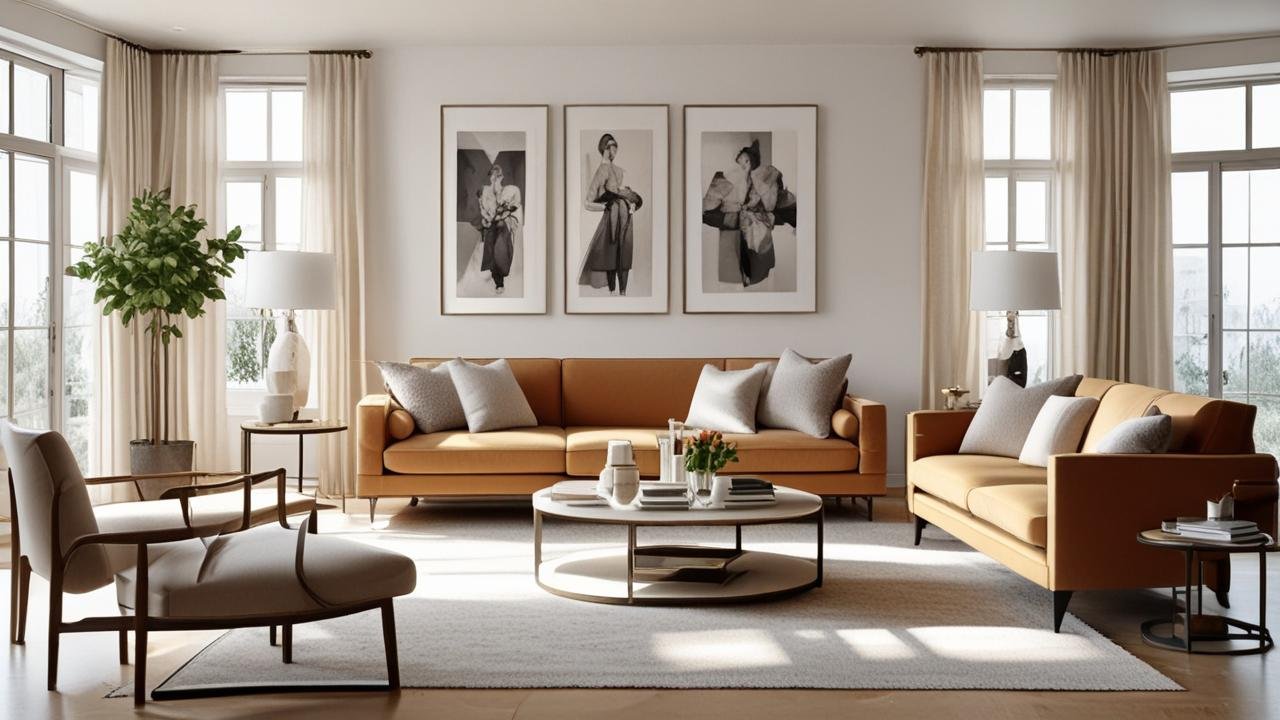
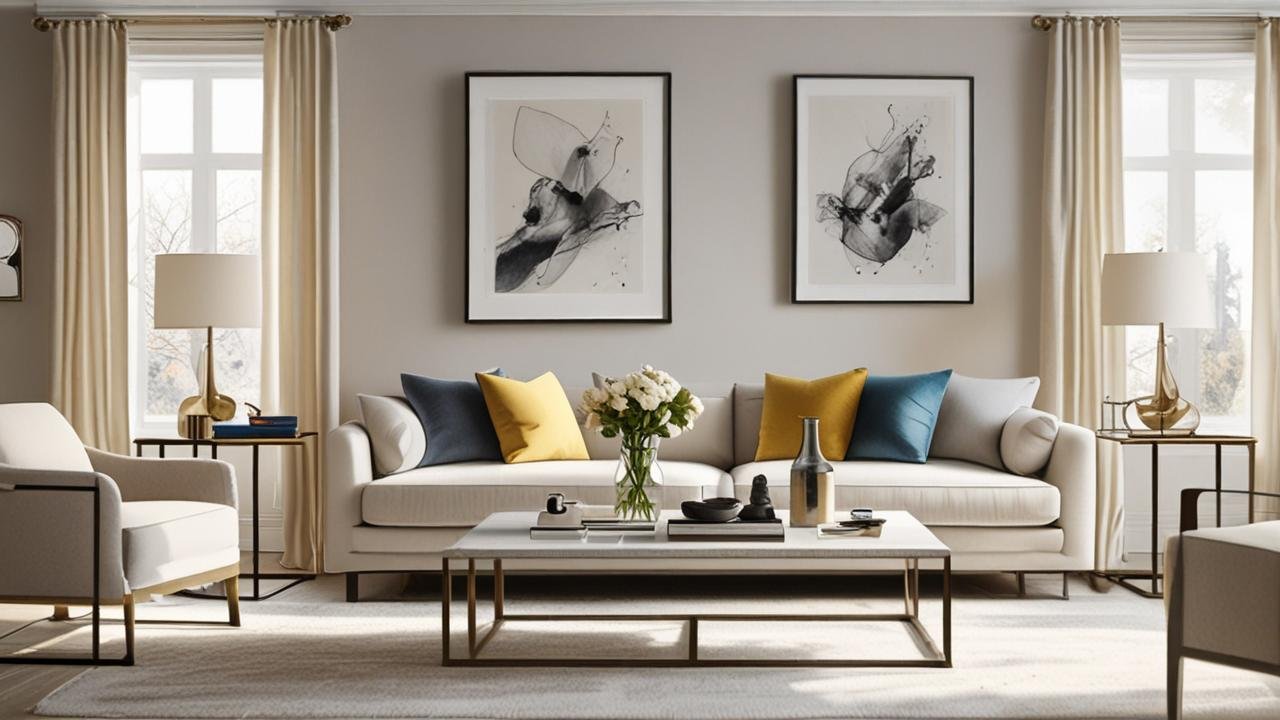
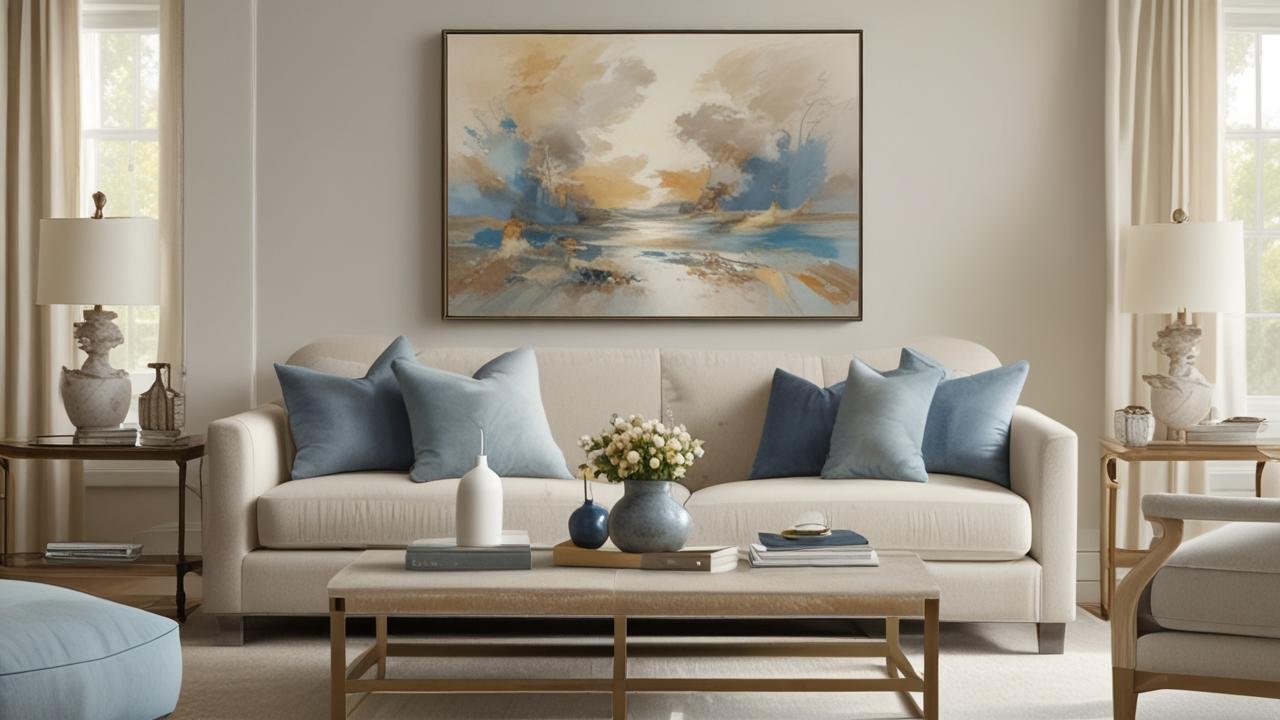
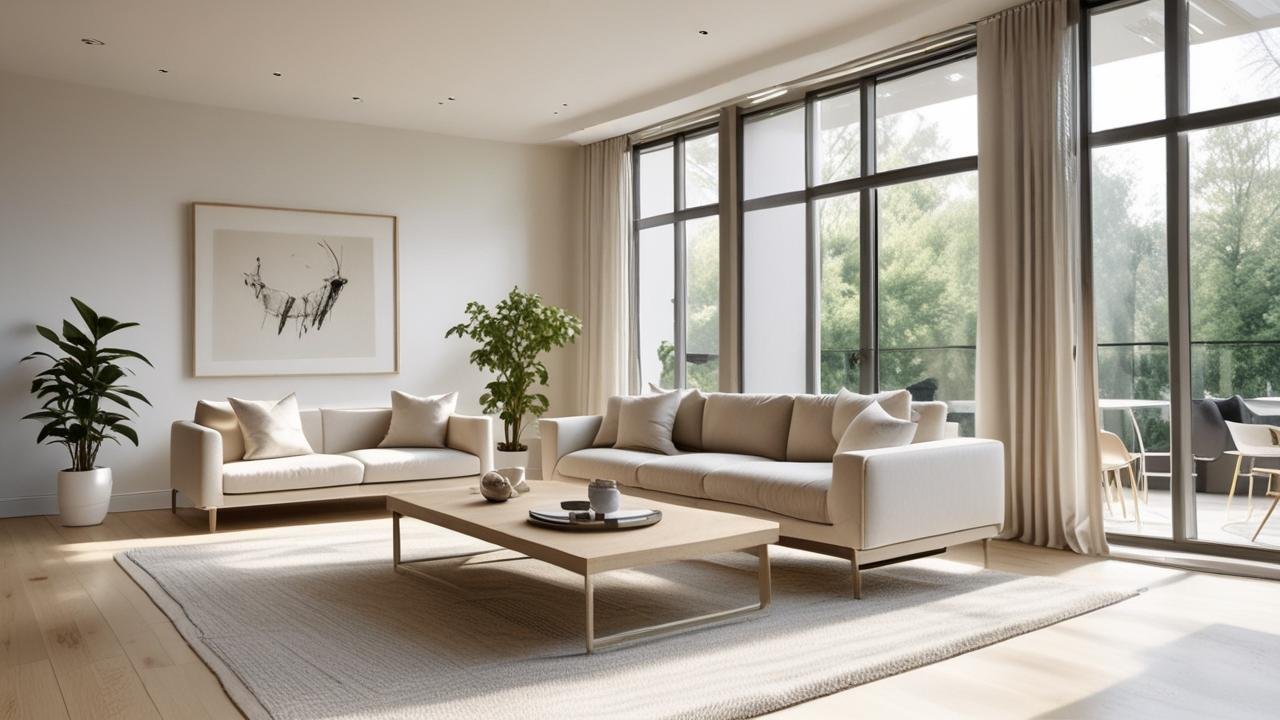
A common suggestion is to have your art be about two-thirds the width of the furniture it’s hanging over. So, if you have a sofa that’s 6 feet (72 inches) wide, aim for art that’s around 4 feet (48 inches) wide. This creates a nice balance.
The art should feel connected to the furniture, not like a separate item floating on the wall.
When hanging art above a sofa, leave some space between the bottom of the art and the top of the sofa. About 6 to 8 inches is usually a good spot. This makes it look intentional and well-placed.
If the art is too high, it can feel disconnected from the living space. If it’s too low, it might look like it’s about to fall or crowd the sofa.
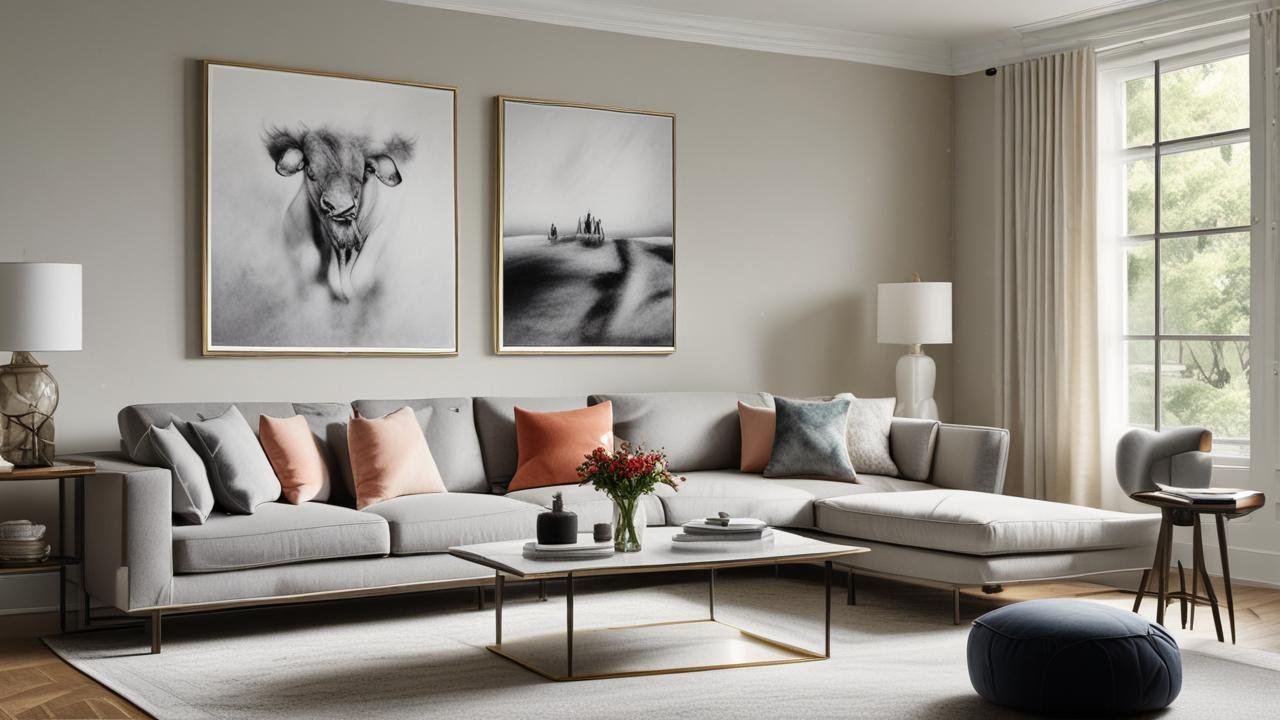
Consider the scale of your furniture too. A giant, bold piece of art might be perfect over a large sectional sofa. But over a small armchair, it might feel too dominant.
Smaller pieces or a collection of smaller pieces might work better there.
- Aim for art that’s about 2/3 the width of your sofa or bed.
- Leave 6-8 inches between the bottom of the art and the top of the furniture.
- Match the art’s visual weight to the furniture’s size.
- Think about how art relates to other items in the room.
This connection between art and furniture makes your room feel cohesive and well-designed. It’s all about creating a pleasing visual relationship.
Understanding Room Dimensions and Art
The size of your room itself plays a big role in deciding on wall art. A small room needs art that complements its size, while a large room can handle bigger statements. Let’s explore how room dimensions affect your art choices.
Small Rooms and Art
In a small room, like a cozy den or a compact bedroom, you want your art to enhance the space without making it feel cramped. Overly large pieces can overwhelm a small area. They can make the room feel smaller than it is.
For smaller rooms, consider art that is proportionate to the wall space. Instead of one massive painting, you might opt for a collection of smaller pieces, known as a gallery wall. This can fill a wall effectively without a single piece dominating the room.
Another good option is a medium-sized piece that leaves plenty of negative space around it. This “breathing room” makes the art stand out and keeps the walls from feeling crowded.
Think about the height of your walls too. If you have low ceilings, a very tall piece of art might make the ceiling feel even lower. In this case, wider, shorter pieces might be a better choice.
It can help visually expand the room. The goal is to create a sense of harmony, not to make the room feel smaller.
- Use a few smaller pieces instead of one large one.
- Ensure there’s space around the art to avoid a cluttered look.
- Consider art dimensions relative to ceiling height.
- Let the art complement the room, not overpower it.
By being mindful of the room’s scale, you can select art that makes your small space feel more inviting and stylish.
Large Rooms and Art
Big rooms, with high ceilings and plenty of wall space, offer a fantastic opportunity to make a statement with your art. Here, you can often get away with much larger pieces or create impressive gallery walls that fill the expanse. The key is to ensure the art feels appropriately scaled to the large environment.
A common mistake in large rooms is using art that’s too small. This can make the art look insignificant and the room feel unfinished. Imagine a huge living room with a tiny picture above the fireplace – it just doesn’t look right.
You want your art to command attention and fill the space visually.
For very large walls, consider a single, oversized piece of art. This can become a focal point for the entire room. Another approach is to group several pieces together to create a substantial display.
This could be a series of matching frames or a curated collection of different sizes and styles arranged thoughtfully. When hanging art in a large room, especially with high ceilings, you can hang the art a bit higher than you might in a smaller room. However, always keep the art at a comfortable viewing level.
Here’s a tip: imagine a rectangle representing the art. This rectangle should ideally cover a good portion of the wall space you want to fill. For instance, if you have a large blank wall, you might aim for art that covers about 50-75% of the usable wall area to make a strong impact.
- Don’t be afraid to go big with art in large rooms.
- Oversized art can become a stunning focal point.
- A curated gallery wall can effectively fill large wall spaces.
- Ensure the art’s scale matches the room’s grandeur.
- Consider hanging art slightly higher in rooms with high ceilings.
The right size art can transform a vast space into a warm, engaging, and personalized home. It’s about making sure the art has the presence it deserves.
Creating Impact with Art Placement
Where you place your art is just as important as its size. The right placement can draw the eye, create balance, and complete the look of your room. Let’s look at some smart ways to position your artwork.
Focal Points in a Room
Every room usually has a natural focal point, or you can create one. This is the first place your eyes are drawn to when you enter a room. Often, this is a fi
If you have a fireplace, the wall above it is a classic spot for art. The size of the art should relate to the size and height of the fireplace. A piece that’s too small can get lost.
A piece that’s too large can overwhelm the fireplace. Aim for art that is roughly two-thirds the width of the fireplace opening or mantelpiece. This creates a harmonious relationship.
If there isn’t a natural focal point, you can create one with art. A large, striking piece of art on a main wall can easily become the room’s star. Position it where it can be easily seen and appreciated.
Consider the flow of the room. Where do people naturally look? Place your art there.
- Identify your room’s natural focal points.
- Use art to create a focal point if none exists.
- Ensure art size complements the fireplace or other features.
- Consider the natural lines of sight in the room.
- Allow the art to be easily seen and enjoyed.
Strategic placement ensures your art isn’t just decoration; it’s an integral part of your room’s design.
Hanging Art in Groups (Gallery Walls)
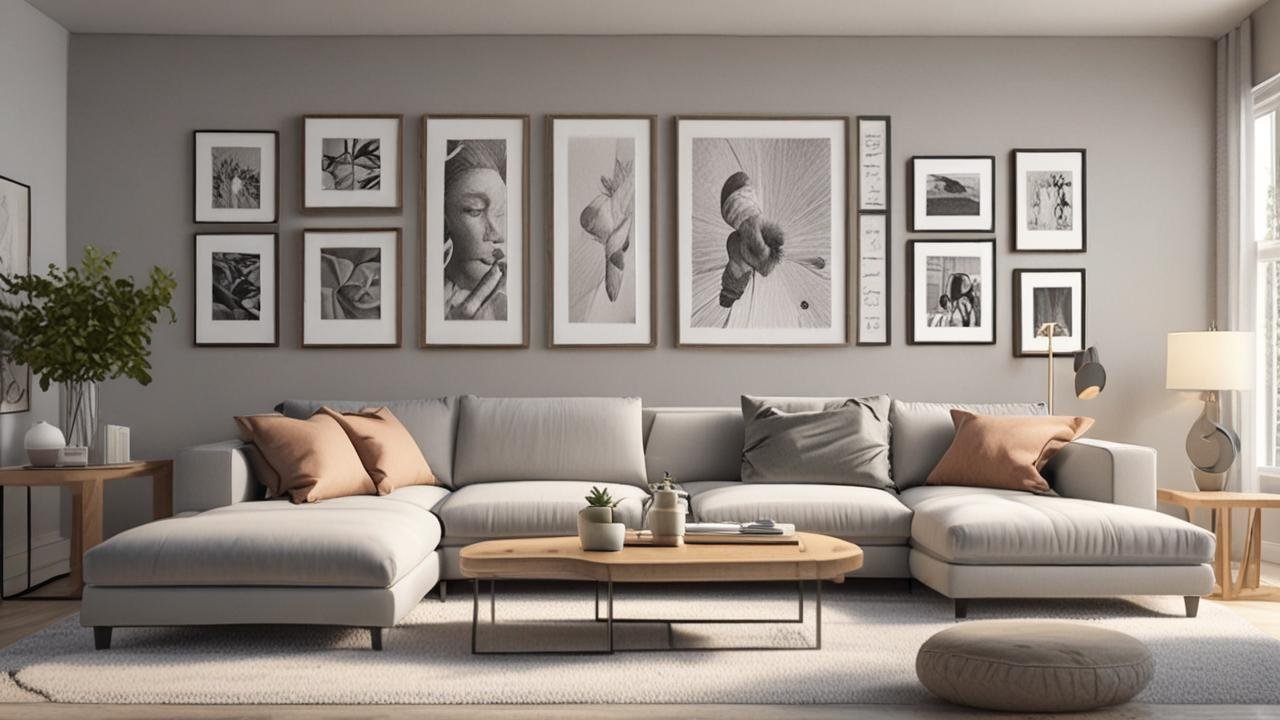
Gallery walls are a wonderful way to fill a large wall or create visual interest. They are collections of framed art, photos, or other decorative items hung together. This approach offers a lot of flexibility, especially when you have multiple smaller pieces you want to display.
When planning a gallery wall, start by laying out your pieces on the floor. This lets you experiment with arrangements before making any holes in the wall. You can try different shapes, like a symmetrical grid or an asymmetrical, organic flow.
Step back often to see how it looks from a distance.
Maintain consistent spacing between the items in your gallery wall. About 2 to 4 inches is typical. This consistency makes the collection look cohesive, even if the art styles or frame types are different.
Think of the entire arrangement as one large piece of art. The overall shape and size should fit the wall space well.
For example, imagine you have a large blank wall in your hallway. You could create a gallery wall that starts above a console table and extends upwards, filling a significant portion of the wall. The bottom of the lowest pieces could be about 5-6 inches above the table, and the collection could span 4-5 feet in width.
This makes the wall feel intentionally decorated and vibrant.
- Plan your layout on the floor first.
- Maintain consistent spacing between items.
- Consider the overall shape of the gallery wall.
- Treat the entire collection as one unified artwork.
- Experiment with different arrangements to find the best fit.
A well-executed gallery wall can be a stunning feature, adding personality and depth to any room.
Practical Tips for Measuring and Hanging
Beyond the general rules, there are a few practical tips that make the process of choosing and hanging art much smoother. These tips focus on making the job easier and ensuring great results.
Using Painter’s Tape
A simple but effective trick is using painter’s tape. Before you buy any art, or if you’re considering different sizes, you can mock up the dimensions on your wall. Cut pieces of painter’s tape to the size of the art you’re considering.
Stick them on the wall where you think the art will go.
This visual cue helps you see exactly how much space the art will take up. You can step back and look at it from different angles and distances. It really helps to get a feel for the scale.
You can try different sizes and see what looks best before committing to a purchase. This is especially helpful for large pieces or if you’re unsure.
For instance, if you’re looking at a 30×40 inch print, you’d cut two strips of tape 30 inches long and two strips 40 inches long. Arrange them into a rectangle on your wall. Then, live with it for a day or two.
See how it feels in the light. This simple step can prevent costly mistakes and ensure you’re happy with your final choice.
- Cut tape to the dimensions of the art you’re considering.
- Place the tape on the wall to visualize the size.
- Live with the taped dimensions for a day or two.
- This helps gauge scale and impact without making holes.
- It’s a low-cost way to make a confident decision.
This method is a game-changer for visualizing art size in your actual space.
Hanging Height Considerations
The height at which you hang art is crucial for comfortable viewing. The general rule of thumb is to hang art at “gallery height.” This means the center of the artwork should be at eye level.
What is eye level? For most adults, this is around 57 to 60 inches from the floor. This height is measured to the middle of the artwork, not the top or bottom.
So, if you have a piece that’s 30 inches tall, the hook on the wall should be placed so that the middle of that 30 inches falls at your 57-60 inch mark.
However, this can vary. If you are hanging art in a room with very high ceilings, you can hang it a bit higher, maybe centering it at 62-65 inches. If you are hanging art above furniture, remember the 6-8 inch rule from the top of the furniture to the bottom of the art.
In this case, you’d adjust the hanging height so the art is at the correct distance from the furniture and still at a comfortable viewing level.
It’s also worth noting that if you have a very long hallway or a very large, open space, you might adjust the height slightly to create a more dynamic flow. But sticking to the eye-level rule is a safe and effective bet for most situations.
- Center artwork at eye level (57-60 inches from the floor).
- This measurement is to the middle of the art piece.
- Adjust slightly higher for rooms with very high ceilings.
- Ensure comfortable viewing from a seated or standing position.
- When hanging above furniture, maintain a 6-8 inch gap.
Getting the height right ensures your art is seen and appreciated as intended.
The Impact of Light and Room Style
The way light hits your art and the overall style of your room can also influence your size choices. These factors help make the art look its best and fit seamlessly into your decor.
Natural and Artificial Light
The amount and type of light in a room affect how art looks and its perceived size. Bright, natural light can make colors pop and make art feel more dynamic. In a room with lots of windows, you might be able to get away with slightly larger or more detailed pieces.
However, direct sunlight can fade artwork over time. So, it’s often best to position art away from direct sunbeams. If your art is in a room that gets strong light, consider using UV-protective glass or acrylic for framing.
This helps preserve the art.
Artificial lighting is also key. Track lighting can highlight a specific piece, making it a focal point. Ambient lighting, like lamps and overhead fixtures, provides a general glow.
When choosing art size, think about how the lighting will fall on it. A larger piece might need more focused lighting to be appreciated fully. Smaller pieces can often work well with ambient light.
Consider the overall mood you want to create. Bright, cool lighting might suit modern art, while warmer, softer lighting could be better for traditional pieces. The light helps define the art’s presence and its scale within the room.
- Bright light can enhance art, but avoid direct sun.
- Use track lighting to highlight specific pieces.
- Ambient lighting works well for smaller art or groups.
- Consider how light affects the art’s perceived size and color.
- Protective framing can prevent sun damage.
Thoughtful lighting can make your chosen art size shine.
Matching Art Size to Room Style
The style of your room is a major guide when deciding on art size. A minimalist room might benefit from a single, large statement piece. This keeps the clean lines and uncluttered feel of the space.
On the other hand, a bohemian or eclectic room can handle a more complex arrangement. This might involve a mix of sizes, shapes, and styles in a gallery wall. The “more is more” approach can work well here, filling the walls with a rich tapestry of images.
For traditional rooms, art often plays a more formal role. A well-proportioned landscape or portrait above a mantelpiece or sofa is common. The size here should complement the architectural features of the room and the scale of the furniture, aiming for a sense of classic balance.
Think about the visual weight. A room filled with heavy, dark furniture might need larger, bolder art to balance it out. Conversely, a room with light, airy furniture might look best with more delicate or medium-sized pieces.
The art should feel like it belongs to the room’s existing aesthetic.
- Minimalist rooms suit single, large statement pieces.
- Eclectic rooms can accommodate varied art sizes and styles.
- Traditional rooms often feature well-proportioned, balanced art.
- Match the art’s visual weight to the room’s furniture.
- Ensure art enhances, rather than competes with, the room’s style.
The right art size helps tie your room’s style together, creating a harmonious and appealing environment.
Frequently Asked Questions
Question: How do I know if art is too big for my wall?
Answer: If the art overwhelms the wall or surrounding furniture, or if you can’t comfortably place it without it feeling too dominant, it’s likely too big. It’s helpful to measure the wall space and compare it to the art’s dimensions, or use the painter’s tape trick mentioned earlier.
Question: Can I hang art lower than eye level?
Answer: Yes, you can hang art lower than the standard eye level, especially if you’re hanging it above furniture. The key is to maintain a comfortable viewing distance and ensure it relates well to what’s below it. For example, above a sofa, the art should be 6-8 inches from the top of the sofa.
Question: What if I have a really long wall?
Answer: For long walls, you have a few options. You can use a very long, panoramic piece of art. Alternatively, you can create a gallery wall that stretches across the length of the wall, or group several medium-sized pieces at regular intervals.
The goal is to break up the expanse effectively.
Question: Should all the art in a gallery wall be the same size?
Answer: Not at all! A common technique is to mix different sizes and shapes within a gallery wall. This adds visual interest.
The key to making it work is consistent spacing between the pieces and often using similar frame styles or a cohesive color palette.
Question: How much space should be between pieces in a gallery wall?
Answer: A general guideline is to keep about 2 to 4 inches of space between each item in a gallery wall. This consistent spacing helps the entire arrangement look like one unified piece, even if the individual items vary in size or style.
📌 Check our Pinterest Profile for more inspiration
View on PinterestConclusion
Choosing the right art size feels much simpler now. Measure your space, consider your furniture, and think about your room’s style. Using tricks like painter’s tape and hanging art at eye level makes a big difference.
You’ve got this!