Figuring out How to Choose Throw Blankets for a Sofa might seem a little tricky at first, especially when you want your living room to look just right. There are so many colors, textures, and sizes to think about! But don’t worry, it’s simpler than you might think.
We’ll walk you through it step-by-step, making it easy to pick the perfect ones. After this, you’ll know exactly what to look for when shopping, so your sofa will feel cozy and look stylish in no time.
Key Takeaways
- You will learn the main factors to consider when selecting throw blankets.
- Discover different materials and their benefits for throw blankets.
- Understand how color and pattern choices can enhance your sofa’s look.
- Get tips on choosing the right size and weight for your needs.
- Learn how to care for your throw blankets to keep them looking great.
Picking the Right Material for Your Throw Blankets
Choosing the Best Material for Your Throw Blankets
The material of your throw blanket makes a big difference in how it feels and looks. It’s important to think about what you want from your blanket. Do you want something super soft and warm, or maybe something light and breathable?
The fabric choice will guide you toward the perfect feel for cozy evenings. We’ll explore the most common options and what makes each one special for your sofa.
Natural Fibers: Cotton, Wool, and Linen
Natural fibers are often a top choice because they breathe well and feel great against your skin. Cotton is a popular pick because it’s soft, washable, and good for all seasons. It’s also hypoallergenic, which is a plus for many people.
You can find cotton throws in many different weaves, from a light knit to a more textured waffle weave. They add a casual, comfortable vibe to any room.
Wool is known for its warmth and durability. It’s a fantastic insulator, perfect for colder months. Wool blankets can also wick away moisture, keeping you comfortable.
However, some wool can feel a bit scratchy, so look for softer types like merino or lambswool if you’re sensitive. Wool throws often have a classic, rich look that adds texture and depth to a sofa.
Linen is a wonderful choice for warmer climates or for a lighter feel. It’s very breathable, which helps regulate body temperature. Linen gets softer with every wash and has a natural, relaxed drape.
It can lend a slightly more sophisticated, casual elegance to your decor. Linen blankets often have a beautiful, subtle texture that catches the light.
- Cotton: Soft, washable, hypoallergenic, and breathable, making it a versatile choice for any season. It’s easy to care for and comes in various textures.
- Wool: Offers excellent warmth and insulation, ideal for cooler weather. It’s durable and can have a luxurious feel, though some types might require careful washing.
- Linen: Highly breathable and gets softer over time. It provides a light, airy feel and adds a touch of relaxed elegance, perfect for warmer settings.
Synthetic Fibers: Polyester, Fleece, and Acrylic
Synthetic fibers are often chosen for their practicality and affordability. Polyester is a common material that is very durable and resistant to wrinkles and shrinking. It can be made to mimic the feel of natural fibers, like soft fleece or even a plush faux fur.
Polyester throws are usually easy to clean and dry quickly.
Fleece blankets are a go-to for extreme coziness. They are incredibly soft, lightweight, and offer good warmth without being too heavy. Fleece is also a budget-friendly option, making it easy to have a few different colors for your sofa.
They are great for snuggling up on the couch for a movie night.
Acrylic is another synthetic that can feel similar to wool but is usually more affordable and easier to wash. It’s also quite durable and resistant to fading. Acrylic throws can be a good choice if you want the look of wool but need something low-maintenance.
They offer a good balance of warmth and practicality.
While synthetics can be a great value, it’s worth noting that some people prefer natural fibers for environmental reasons. However, many manufacturers are now using recycled polyester, which is a more sustainable option.
- Polyester: Durable, wrinkle-resistant, and can be made to feel very soft. It’s a practical and affordable option for everyday use.
- Fleece: Exceptionally soft, lightweight, and warm. It’s a budget-friendly choice that provides ultimate comfort for lounging.
- Acrylic: Mimics the feel of wool but is often more affordable and easier to care for. It’s durable and resists fading, offering good warmth.
Blended Materials: The Best of Both Worlds
Sometimes, the best option is a blend of natural and synthetic fibers. These blends aim to combine the desirable qualities of different materials. For example, a cotton-polyester blend can offer the softness and breathability of cotton with the durability and easy-care features of polyester.
This can make the blanket more resilient to wear and tear.
A wool-acrylic blend might give you some of the warmth and texture of wool but with added softness and easier washing. These combinations can lead to blankets that are not only comfortable but also very practical for busy households. They often provide a good balance of performance and price.
When looking at blends, check the percentage of each fiber. This will give you a clue about which qualities will be more dominant. A higher percentage of a natural fiber will generally mean it feels more like that natural material.
- Cotton-Polyester Blends: Offer a balance of softness, breathability, durability, and easy care. They are a practical choice for everyday use.
- Wool-Acrylic Blends: Combine the warmth of wool with the softness and washability of acrylic, providing a comfortable and low-maintenance option.
Understanding the Impact of Color and Pattern on Your Sofa
How Color and Pattern Affect Your Sofa’s Look
The color and pattern of a throw blanket can dramatically change the mood and style of your sofa and living room. It’s not just about adding warmth; it’s about making a design statement. Choosing the right hues and designs can either blend seamlessly with your existing decor or act as a vibrant focal point.
Let’s explore how to use color and pattern to your advantage.
Solid Colors: Simple Elegance and Versatility
Solid color throw blankets are incredibly versatile. They are a safe bet if you’re unsure about patterns or want something that will last through changing decor trends. A solid color can either complement your sofa’s color or provide a gentle contrast.
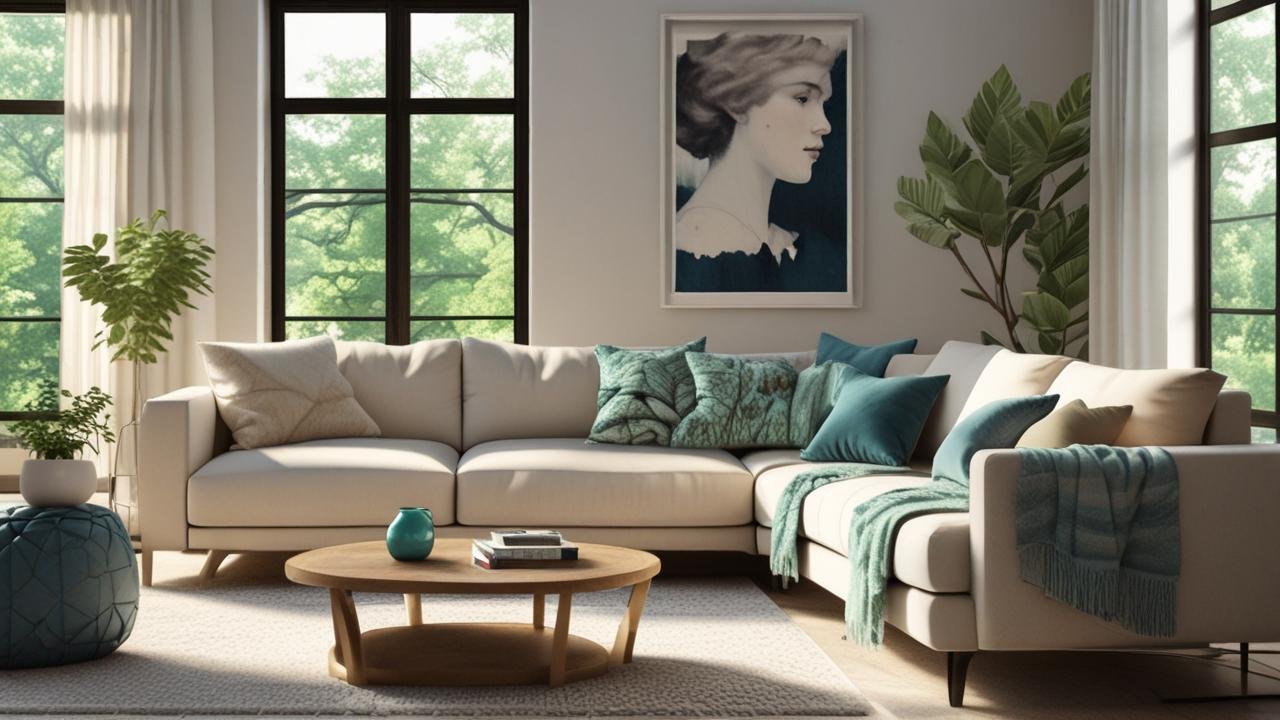
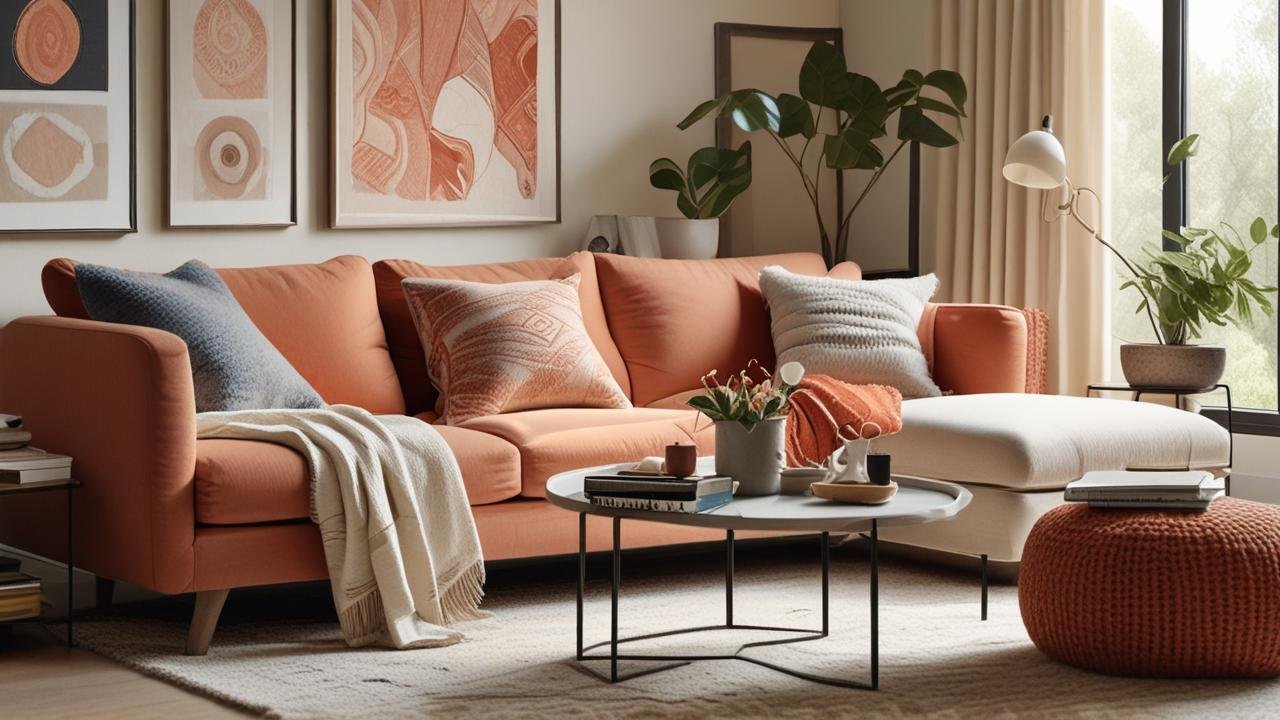
If your sofa is neutral, like beige, gray, or white, a solid throw in a deep jewel tone (like emerald green or sapphire blue) can add a pop of color. Conversely, if your sofa is already a bold color, a neutral throw in a cream, gray, or black can help tone it down and create a more balanced look. This is a great way to introduce color without overwhelming the space.
Consider the texture of the fabric when choosing a solid color. A chunky knit in a solid color will have more visual interest than a smooth knit, even without a pattern. The way light hits the texture can add depth to the hue.
Here are some ideas for solid color pairings:
- Neutral Sofa (e.g., Gray): Pair with a deep teal, mustard yellow, or terracotta for a warm accent.
- Bold Sofa (e.g., Navy Blue): Complement with a cream, light gray, or even a soft blush pink for a sophisticated contrast.
- Patterned Sofa: A solid throw in a color pulled from the sofa’s pattern can tie the look together.
Patterns: Adding Personality and Depth
Patterns on throw blankets can inject personality and visual interest into your living space. They can be subtle or bold, depending on the look you want to achieve. When selecting a pattern, think about the existing patterns in your room.
You don’t want to clash, but you can layer patterns if done thoughtfully.
For a cohesive look, choose a throw blanket pattern that incorporates colors already present in your sofa or other decor items. For instance, if your sofa has subtle blue undertones, a throw with a blue and white geometric pattern can look very intentional. This creates a visual connection between different elements in the room.
Consider the scale of the pattern. A large-scale pattern can make a statement and become a focal point. A smaller, more intricate pattern can add texture and subtle detail without being too overpowering.
If you have a heavily patterned sofa, opt for a throw with a very simple or no pattern to avoid a visual overload.
Here are some popular pattern types and how they can work:
- Geometric Patterns: Stripes, chevrons, and diamonds offer a modern and clean look. They can be grounding or energizing depending on the colors used.
- Floral Patterns: Can range from delicate, vintage-inspired blooms to bold, contemporary designs. They add a touch of softness or a vibrant artistic flair.
- Abstract Patterns: Offer artistic freedom and can create a unique, modern feel. They are excellent for adding unexpected color and movement.
- Animal Prints: Like leopard or faux cowhide, these can add a touch of exotic flair and texture. Use sparingly for a chic accent.
Texture as a Pattern
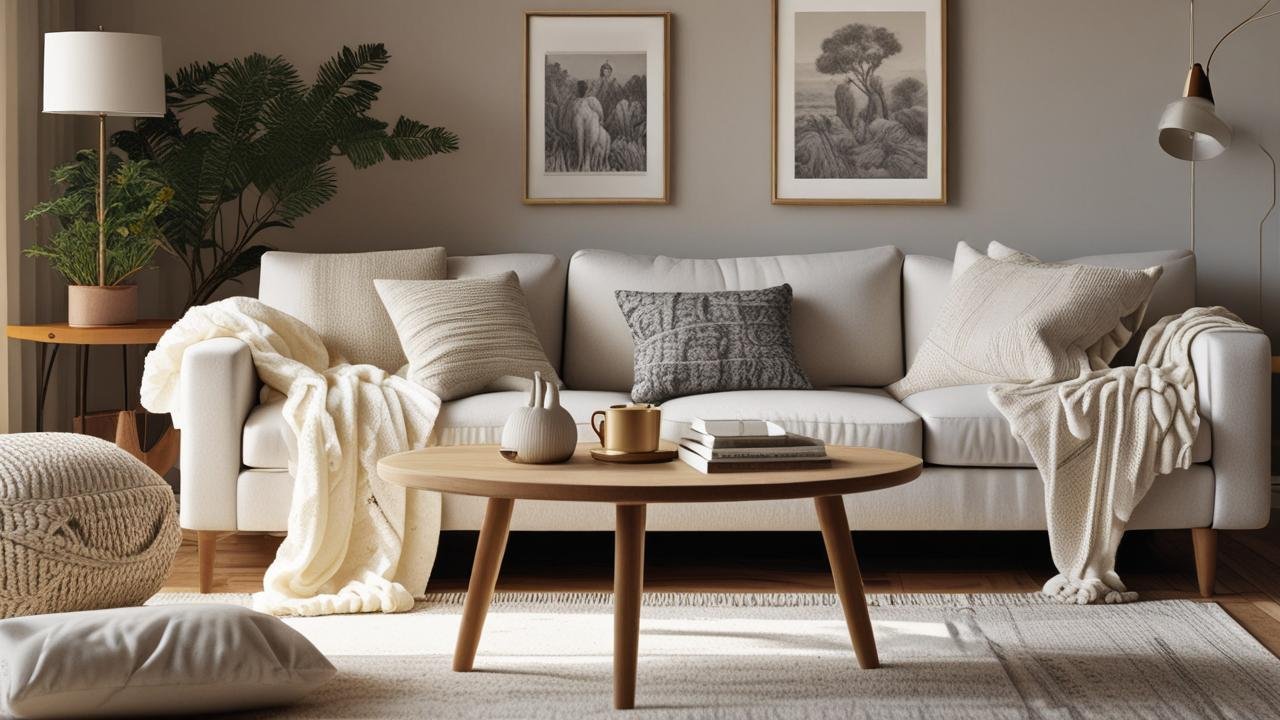
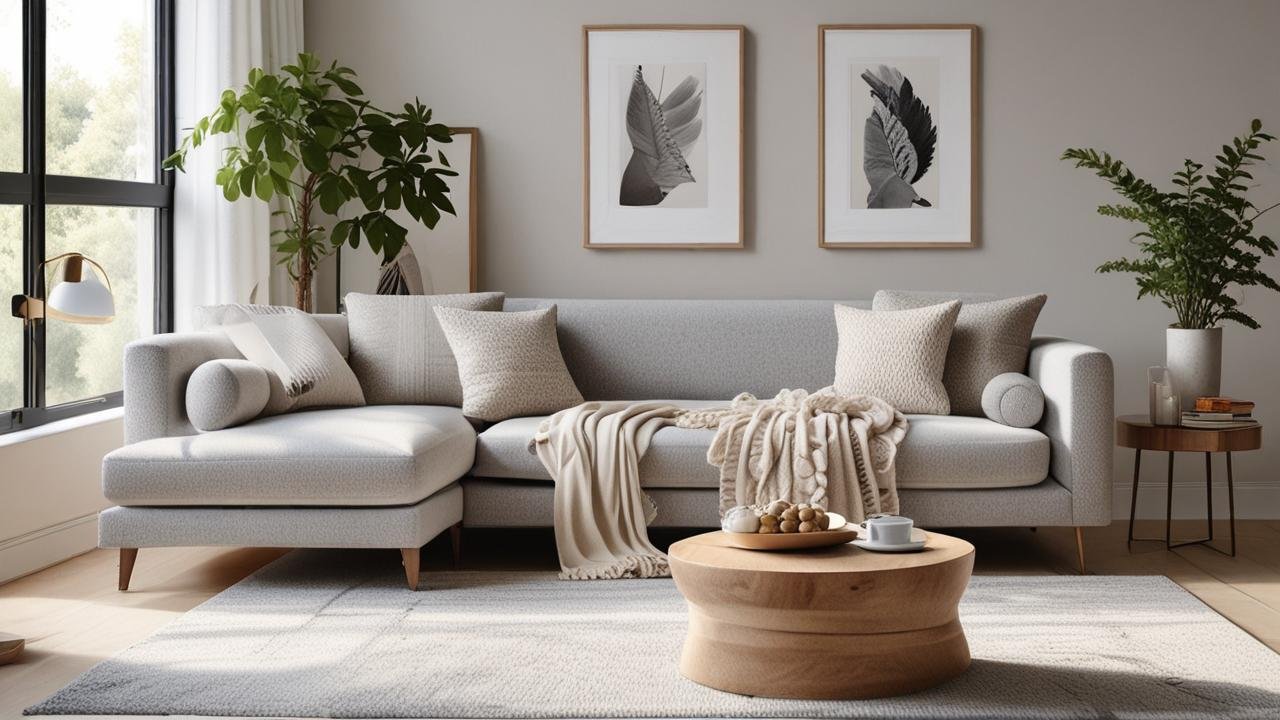
Even without a printed design, texture itself can act as a form of pattern. A chunky knit, a cable knit, a faux fur, or a waffle weave all create visual interest through their physical structure. These textured throws can add a cozy, tactile dimension to your sofa.
A cable knit throw in a neutral color can look as interesting as a patterned blanket. The way the light plays on the raised stitches adds depth and character. Faux fur throws offer a luxurious sheen and softness that can be a statement on their own.
These textural elements can be particularly effective on solid-colored sofas, adding a layer of sophistication.
- Chunky Knits: Provide a rustic, cozy feel and add significant visual texture.
- Faux Fur: Offers a luxurious, soft, and visually rich element, adding glamour.
- Waffle Weave: Creates a subtle, repeating pattern of squares, adding visual interest without being overwhelming.
Size and Weight: Finding the Perfect Fit
Choosing the Right Size and Weight for Your Needs
The size and weight of a throw blanket are crucial for both its function and how it drapes on your sofa. A blanket that’s too small might look awkward, while one that’s too heavy might be uncomfortable. Getting this right ensures your throw is both practical and aesthetically pleasing.
We’ll look at how size and weight play a role in the overall look and feel.
Common Throw Blanket Sizes
Throw blankets come in various sizes, and the typical dimensions can vary slightly between manufacturers. However, most throws are designed to be large enough to cover a person comfortably, but not so large that they overwhelm a sofa. A common size range is around 50 inches by 60 inches.
A 50×60 inch throw is a standard size that works well for draping over the back or arm of a sofa. It’s also large enough for one person to snuggle under. If you have a larger sectional sofa or want a blanket that can easily be shared, you might consider a larger throw, perhaps around 60×80 inches.
These larger throws can provide more coverage and a more substantial presence on the furniture.
When thinking about size, consider the proportions of your sofa. A very large sofa might look a bit lost with a tiny throw, and a small throw on a massive sectional can look out of place. Aim for a size that feels balanced with the furniture.
A good rule of thumb is that the throw should be at least a third of the length of the sofa’s seating area.
Here’s a quick guide to common sizes:
- Standard Throw (approx. 50×60 inches): Ideal for individual use or draping decoratively over a standard sofa or chair.
- Large Throw (approx. 60×80 inches): Suitable for larger sofas, sectionals, or when more generous coverage is desired.
- Extra-Large Throw/Lapghan (approx. 30×40 inches): Often called a lapghan, this smaller size is perfect for covering legs while sitting, or for smaller accent chairs.
Weight and Warmth Considerations
The weight of a throw blanket often correlates with its warmth and the thickness of the material. A lighter weight blanket made of cotton or linen is perfect for warmer weather or for those who tend to overheat. These lighter throws can still add a layer of comfort and style without making you feel too hot.
Mid-weight blankets, often found in fleece or acrylic, offer a good balance of warmth and comfort. They are versatile enough for most seasons and provide a cozy feel for lounging. These are probably the most common type of throw blanket you’ll find.
Heavier weight blankets, such as those made from thick wool or plush materials, are designed for maximum warmth and coziness. These are ideal for colder climates or for creating a truly snuggly experience. A heavy blanket can also add a sense of luxury and substantiality to your sofa.
Think about where you live and how you use your sofa. If you live in a warm place, you’ll want lighter options. If you love to curl up with a hot drink during winter, a heavier blanket will be your best friend.
Some blankets are also “weighted,” meaning they have extra filling or structure to provide a calming, comforting pressure, similar to a weighted blanket.
Consider these weight factors:
- Lightweight: Ideal for summer, mild climates, or for those who prefer less warmth. Provides comfort without overheating.
- Medium-Weight: A versatile option suitable for most seasons, offering a good balance of comfort and warmth for everyday use.
- Heavy-Weight: Provides maximum warmth and coziness, perfect for winter, cold climates, or creating a snug sanctuary.
Draping and Styling
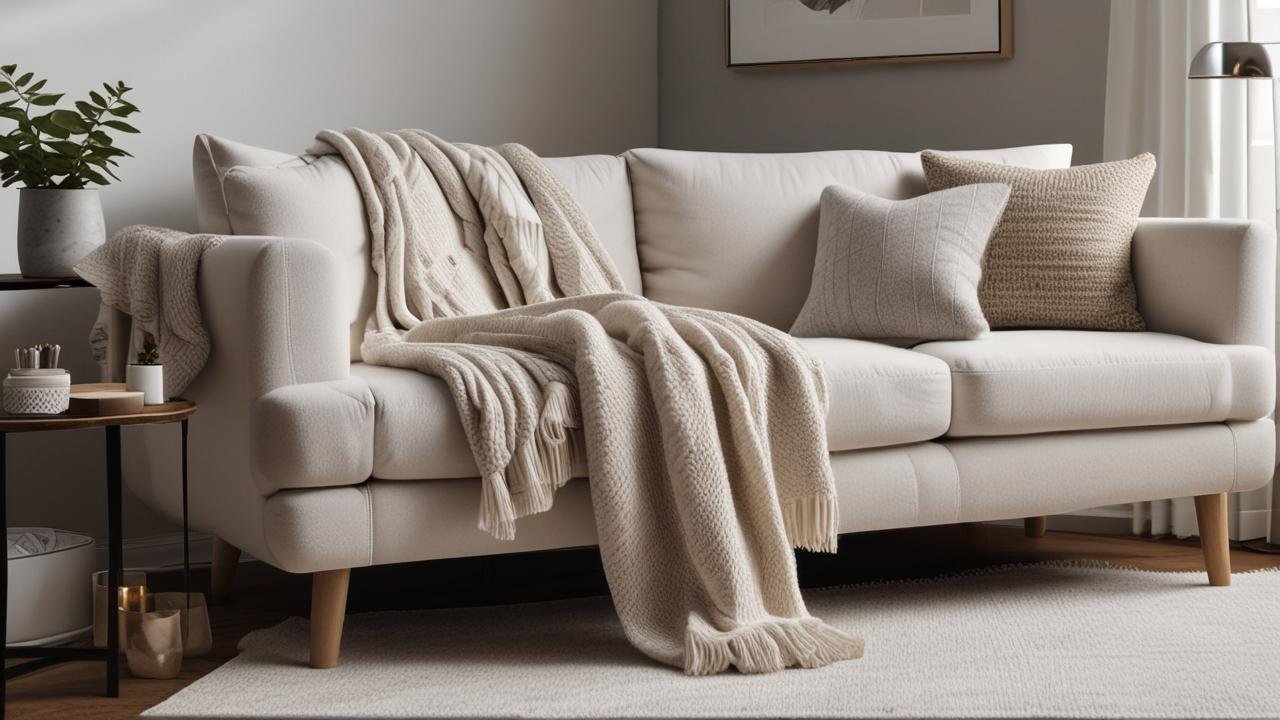
How a throw drapes on your sofa also depends on its weight and material. Lighter materials like linen or thin cotton will have a more fluid drape, falling softly over the furniture. Heavier materials like thick wool or plush synthetics will hold their shape more, creating more structured folds.
You can fold a throw neatly, drape it casually over an arm or the back, or even bunch it up slightly for a more relaxed feel. The way you style it can significantly impact the overall look of your room. Experiment with different folds and positions to see what best suits your sofa and your personal style.
A well-placed throw can make a sofa look more inviting and lived-in.
- A neatly folded throw can add a touch of formality and organization.
- A casually draped throw can create a relaxed and inviting atmosphere.
- A bunched-up throw adds a sense of comfort and ease.
Caring for Your Throw Blankets
Keeping Your Throw Blankets Looking Their Best
To ensure your throw blankets stay soft, vibrant, and in good condition, proper care is essential. Different materials require different cleaning methods, and a little attention can go a long way. Following the care instructions will help your blankets last longer and continue to be a cozy addition to your home.
Reading and Following Care Labels
The most important step in caring for any throw blanket is to read the care label. This small tag tucked away in a seam contains vital information from the manufacturer about how to wash and dry the blanket. Ignoring these instructions can lead to shrinking, stretching, fading, or damage to the fibers.
Care labels use universal symbols to indicate washing temperature, whether to use bleach, how to dry, and if ironing is recommended. For example, a symbol with a tub and water indicates washing, while a square symbol relates to drying. A line through a symbol means you should not do that action.
Always check the label before washing, especially for the first time. Some natural fibers, like wool, may require special handwashing or dry cleaning to maintain their shape and texture. Synthetic materials are often more forgiving and machine washable, but it’s still best to confirm.
- Always check the care label before washing.
- Understand the symbols used on care labels for washing and drying.
- Special care might be needed for delicate materials like wool or silk.
Washing and Drying Techniques
When machine washing, use a gentle cycle with cold water to help preserve colors and prevent shrinkage, especially for natural fibers. Using a mild detergent is also recommended. If the blanket is particularly colorful or new, consider washing it separately to avoid color bleeding onto other items.
For drying, air drying is often the best method for maintaining the integrity of the fibers and preventing excessive wear. Lay the blanket flat on a drying rack or hang it over a clothesline, away from direct sunlight, which can cause fading. Gently reshape the blanket while it’s damp.
If you must use a dryer, use the lowest heat setting possible. High heat can cause shrinkage, damage elastic fibers, or make certain materials like fleece pill more quickly. Tumble drying on a no-heat or air-fluff setting is often a safer bet if your blanket can’t be air-dried.
Here are some washing and drying tips:
- Use a gentle cycle with cold water for most blankets.
- Wash colorful blankets separately to prevent dye transfer.
- Air drying flat is ideal for preserving shape and texture.
- If using a dryer, opt for the lowest heat setting or an air-fluff cycle.
Stain Removal and Spot Cleaning
Accidents happen, and sometimes a full wash isn’t necessary. For minor stains, spot cleaning is often the best approach. Blot the stain immediately with a clean, damp cloth, working from the outside of the stain inward to prevent spreading.
Use a small amount of mild soap or a fabric-specific stain remover.
Test any cleaning solution on an inconspicuous area of the blanket first to ensure it doesn’t cause discoloration or damage. After treating the stain, rinse the area gently with a clean, damp cloth and then allow it to air dry completely. For tougher stains, you might need to repeat the process or consult a professional cleaner.
- Blot stains immediately to prevent them from setting.
- Test any cleaning solution on a hidden spot first.
- Rinse the treated area gently and allow it to air dry.
Decorating with Throw Blankets: Styling Tips
Making Your Sofa Stylish with Throw Blankets
Throw blankets are more than just cozy accessories; they are powerful styling tools that can transform the look and feel of your sofa and living room. They add color, texture, and a welcoming touch. With a few simple tricks, you can use throw blankets to enhance your decor and make your space feel more personal and inviting.
Layering for Depth and Interest
Layering throw blankets is a fantastic way to add depth and visual interest to your sofa. You can combine different textures, colors, and patterns to create a rich, inviting look. Start with a base blanket, perhaps a solid color or a subtle texture, and then layer a complementary blanket on top.
For example, you could place a soft, solid-colored knit blanket as the base, and then add a smaller, patterned throw over it, perhaps draped artfully across a corner. Or, try layering two blankets of similar colors but different textures, like a chunky knit and a smooth faux fur. This creates a luxurious, tactile appeal.
When layering, pay attention to the scale of patterns and colors. If one blanket has a bold pattern, the other should be more subdued, or vice versa. The goal is to create harmony, not chaos.
The combination should feel intentional and pleasing to the eye, drawing people in to relax.
Here’s a layering idea:
- Start with a neutral, textured blanket (e.g., a beige cable knit).
- Add a second blanket with a complementary color and a different texture (e.g., a burnt orange faux fur throw).
- Drape the second blanket casually over the first, letting the textures and colors play off each other.
Strategic Placement for Impact
Where you place your throw blankets can make a big difference. Simply draping a blanket over the back of the sofa can add a pop of color and texture. You can also fold a blanket neatly and place it on the armrest for a more polished look, or toss it casually over a corner for an effortless vibe.
Consider the design of your sofa. If it has interesting arms or a unique shape, you can use a throw to highlight those features. A blanket folded and placed on the armrest can emphasize its design.
For sofas with deep seats, a longer throw can add extra coziness and a soft landing.
Think about how the throw will be used. If it’s for everyday use, place it where it’s easily accessible for snuggling. If it’s more for decorative purposes, you might position it to draw attention to a particular area of the sofa or to balance the visual weight of other decor items in the room.
Placement options include:
- Draped over the back or seat for immediate color and comfort.
- Neatly folded on an armrest for a tidy, sophisticated look.
- Casually tossed over a corner for an inviting, relaxed feel.
- Partially tucked into the cushions for a cozy, lived-in appearance.
Mixing and Matching for Your Style
Don’t be afraid to mix and match throw blankets to suit your personal style. You can have a collection of throws in different materials, colors, and patterns, and swap them out seasonally or based on your mood. This allows you to refresh your decor without making major changes.
For a bohemian look, mix various textures and patterns, perhaps incorporating fringe or tassels. For a minimalist style, stick to neutral colors and simple, high-quality textures. A modern aesthetic might favor geometric patterns and clean lines.
The key is to choose pieces that reflect your personality and create a space you love.
Consider having one or two practical, easy-to-wash throws for everyday use and a couple of more luxurious or decorative ones for special occasions or when you want to elevate the room’s style. This provides both function and fashion.
- Swap blankets seasonally to update your decor.
- Combine different textures for a rich, inviting feel.
- Use throws to express your personal style, from minimalist to bohemian.
📌 Check our Pinterest Profile for more inspiration
View on PinterestFinal Thoughts
Choosing throw blankets for your sofa is all about balancing comfort, style, and practicality. By considering the material, color, pattern, size, and weight, you can find perfect additions that enhance your living space. Don’t be afraid to experiment and mix different options to create a look you love.
Your cozy, stylish sofa awaits!