Thinking about How to Decorate Your Home with Neutral Decor might seem tricky at first, especially if you’re new to decorating. It’s easy to feel like it might turn out a bit bland or uninspired. But don’t worry!
We’re going to walk through this together with simple, easy steps. We’ll show you how to create a beautiful, calming space that feels just right for you. Get ready to see how simple and fun it can be to make your home look amazing with neutral colors.
Key Takeaways
- You will learn how to pick the right neutral colors for different rooms.
- Discover how to add texture and layers to make neutral spaces interesting.
- Understand how to use different materials to create warmth and style.
- Find out how to pick accent colors that complement your neutral palette.
- Learn simple tricks to make small neutral spaces feel bigger.
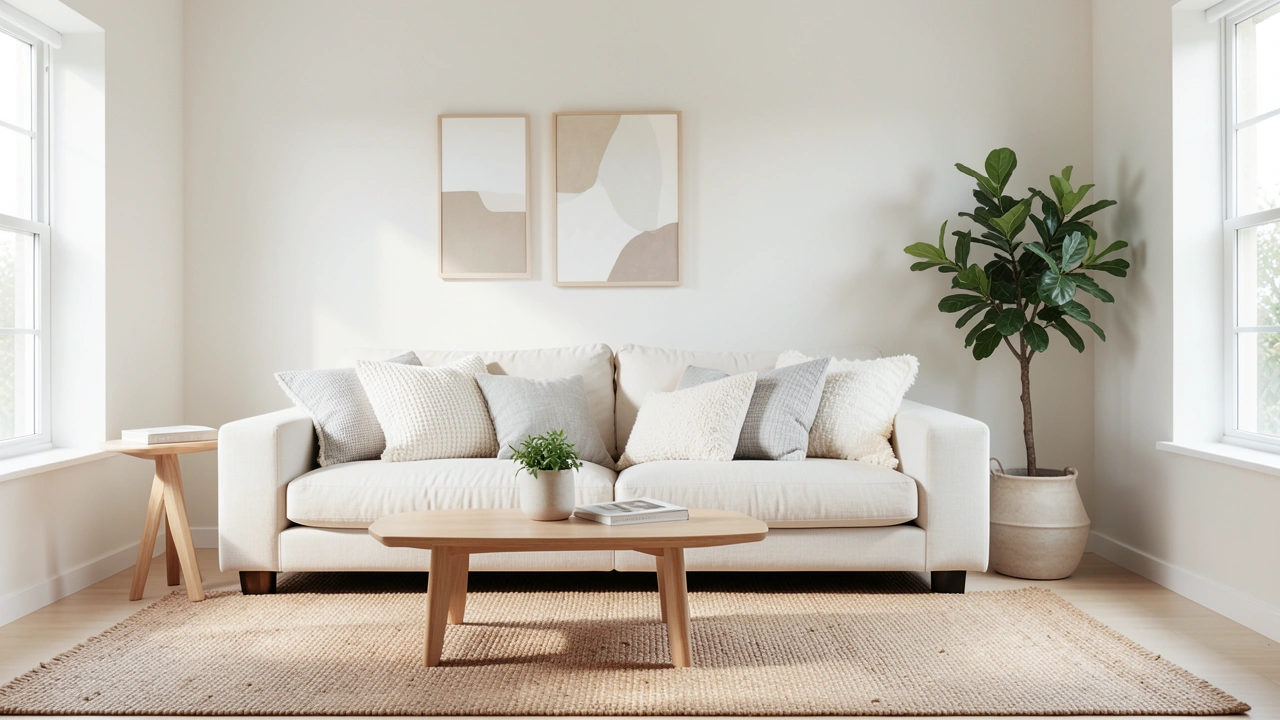
Starting with a Neutral Palette
Choosing a neutral color scheme for your home is a wonderful way to create a calm and timeless feel. Neutrals are colors like white, beige, gray, and tan. They are super versatile and can make any room feel more relaxing and sophisticated.
Many people find this part a bit confusing because there are so many shades. But picking the right ones is the first big step to making your home feel just how you want it.
Understanding Neutral Colors
Neutral colors are the building blocks of a beautiful home. They are colors that don’t really compete with each other. Think of them as a gentle backdrop for your life.
They don’t scream for attention, but they do offer a sense of peace and order. This makes them perfect for creating a restful environment.
When we talk about neutrals, we usually mean colors that fall between black and white on the color wheel. This includes a wide range of soft tones. These colors are great because they mix and match easily.
They also don’t go out of style quickly, which is a big plus.
The Different Shades of Neutrals
It’s important to know that neutrals aren’t just boring. They come in many beautiful shades. You have warm neutrals, like creamy whites and soft beiges.
Then there are cool neutrals, such as soft grays and muted taupes. Knowing the difference helps you choose what works best for the mood you want in a room. Warm tones feel cozy, while cool tones can feel more airy and modern.
For example, a room painted in a warm beige might feel more inviting and snug. A room with a cool, light gray could feel more open and spacious. Mixing these shades can create a layered and interesting look.
Don’t be afraid to play with different undertones.
Picking the Right Neutrals for Your Space
When you start decorating How to Decorate Your Home with Neutral Decor, the first thing to do is pick your main neutral colors. Think about the feeling you want in each room. Do you want a cozy living room or a bright, airy bedroom?
Look at the natural light in the room. Natural light can make colors look different.
Try to pick a few main neutrals that work well together. You can use one main color for walls, another for larger furniture, and a third for smaller accents. This creates a cohesive look.
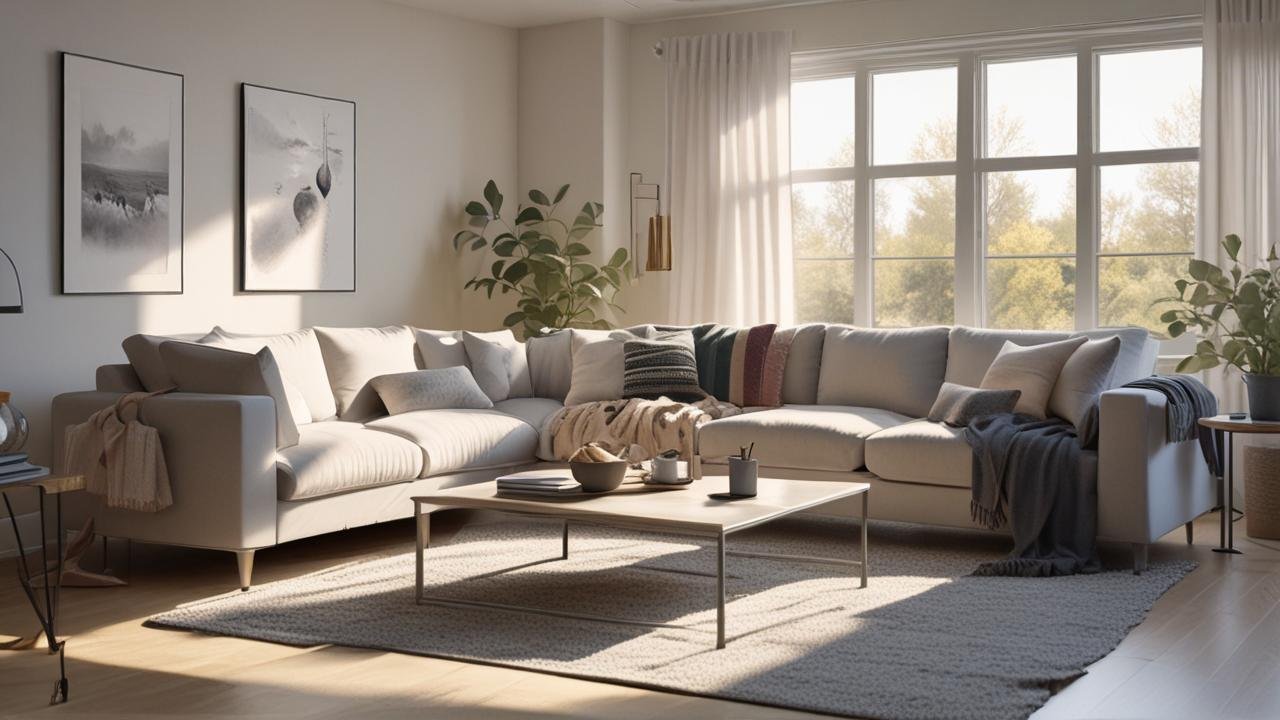
For instance, you might paint your walls a soft, light gray. Then, choose a sofa in a slightly darker charcoal gray. A cream-colored rug would then add a nice contrast.
- Warm Whites: These have yellow or pink undertones. They make spaces feel cozy and welcoming. Think of colors like ivory or eggshell.
- Cool Whites: These have blue or green undertones. They give a fresh, crisp feel. Examples include stark white or a very pale blue-white.
- Beiges and Tans: These are classic warm neutrals. They bring a natural, earthy feel. Variations range from sandy beige to deeper tan.
- Grays: Grays offer a modern and sophisticated look. They can be warm or cool. Light grays feel airy, while dark grays are dramatic.
- Greiges: This is a mix of gray and beige. It’s a very popular neutral because it has both warm and cool qualities.
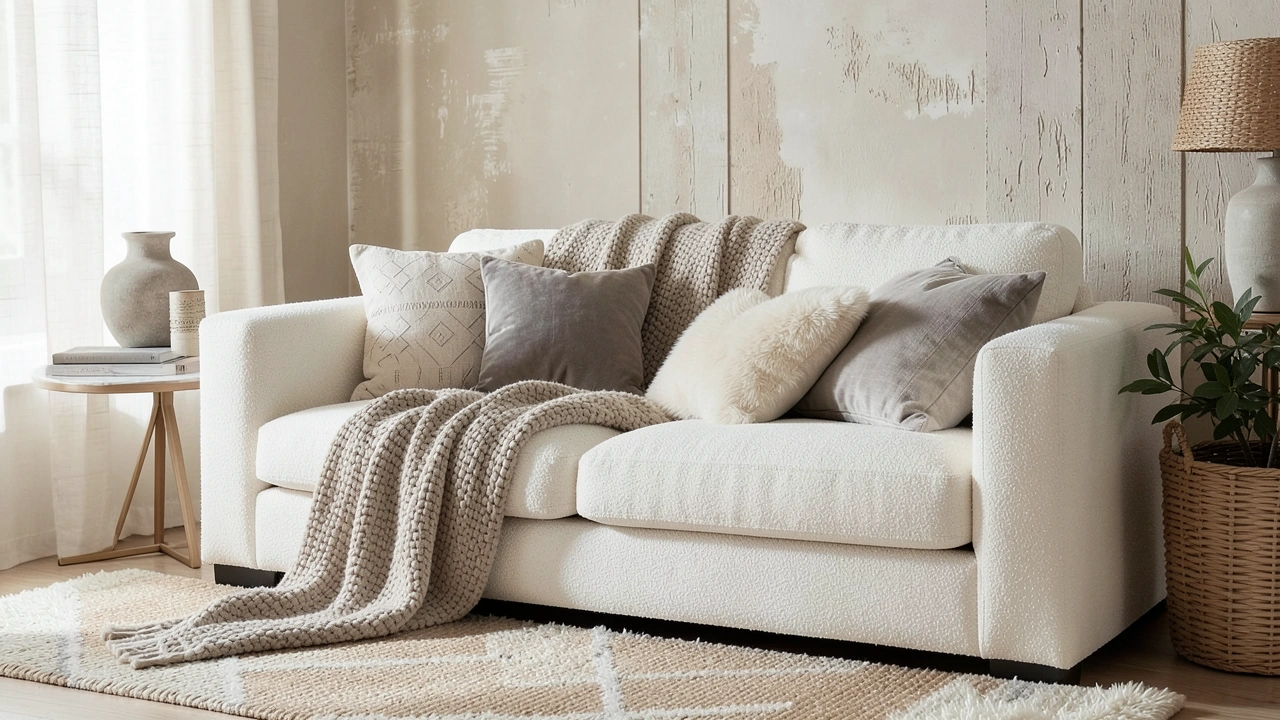
Adding Depth and Interest with Texture
One common pitfall when decorating with neutrals is making a space feel flat or boring. The key to avoiding this is to introduce different textures. Texture refers to how a surface feels or looks like it feels.
When you use various textures in a neutral room, you create visual interest and depth. This makes the space feel more inviting and luxurious. It’s like adding different flavors to a simple dish to make it exciting.
Think about how different materials interact with light. A smooth, glossy surface reflects light differently than a rough, matte surface. Combining these contrasts will make your neutral room come alive.
It’s all about engaging the senses beyond just color.
Materials That Bring Neutral Rooms to Life
Many different materials can add wonderful texture to your neutral home. Wood is a fantastic choice. It comes in many shades and grains, from smooth polished oak to rough reclaimed wood.
A chunky knit throw on a sofa, a jute rug, or velvet cushions can all add soft textures.
For a more modern feel, consider materials like concrete or metal. A concrete planter or a brushed nickel lamp can provide a cool, smooth contrast. Even the weave of your curtains or the stitching on your pillows adds a subtle layer of texture.
The goal is to mix and match these so no two surfaces feel exactly the same.
A study by the Color Marketing Group found that consumers increasingly seek comfort and calm in their homes, with neutral palettes and natural textures playing a significant role in creating these environments. This highlights the importance of texture in achieving a desirable neutral aesthetic.
Layering Textures for a Cozy Feel
Layering is a technique where you place different textured items on top of each other. Start with your largest items, like a rug and sofa. Then add smaller items like throw pillows, blankets, and decorative objects.
This creates a rich, inviting feel.
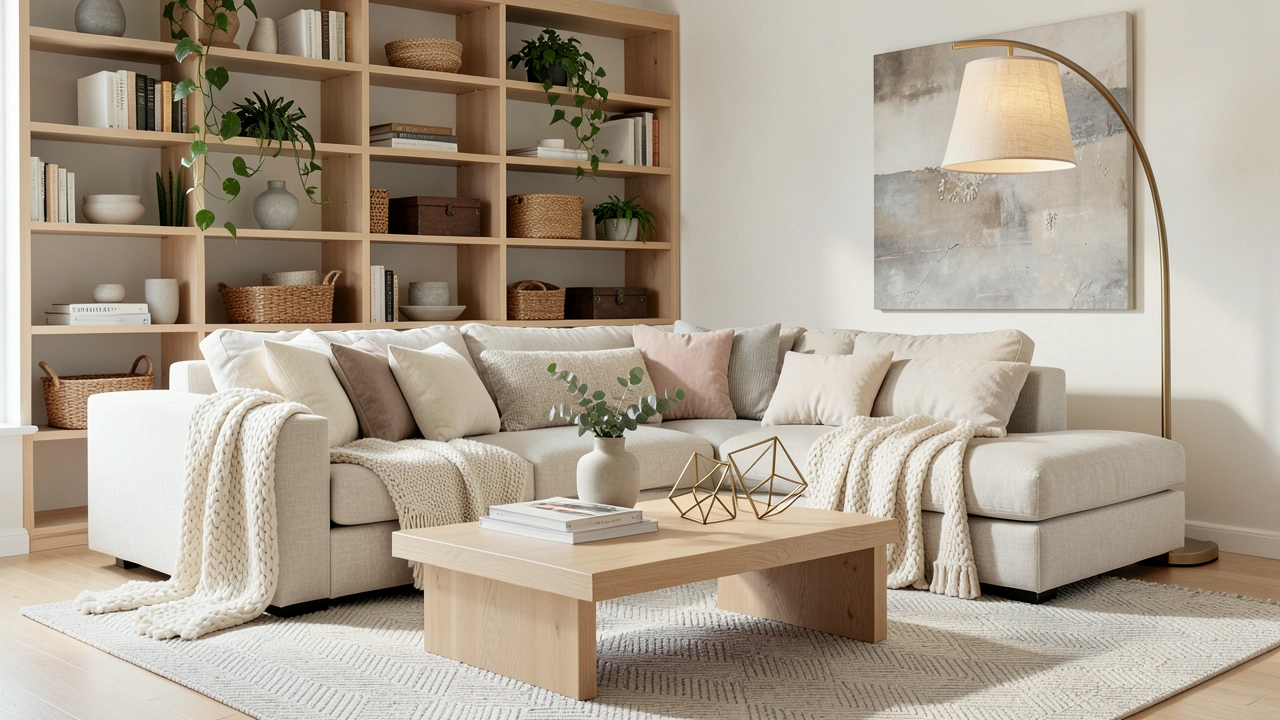
For example, in a living room with a gray sofa, you could add a cream-colored chunky knit blanket. Then, mix in a few throw pillows. Some could be velvet in a muted tone, while others might have a woven pattern.
The contrast in feel and appearance makes the sofa area a focal point.
Here’s a simple way to think about layering:
- Base Layer: This is usually your largest piece of furniture or floor covering. For example, a linen sofa or a wool rug.
- Mid Layer: This includes things like throw blankets and larger decorative pillows. Think of a faux fur throw or silk pillows.
- Top Layer: These are your smaller accent pieces. Examples include small textured objects like ceramic vases or baskets.
Using Different Finishes
The finish of a material also affects its texture and how it looks. Matte finishes absorb light and give a soft, understated look. Glossy or metallic finishes reflect light and add a touch of sparkle and sophistication.
Mixing these finishes is crucial for adding dimension to neutral spaces.
A matte painted wall can be paired with a silk cushion that has a slight sheen. A wooden coffee table with a natural, matte finish can be accessorized with a metal bowl that catches the light. This play of light and shadow makes the room feel more dynamic and interesting.
- Matte: Absorbs light, feels soft. Great for walls, large furniture pieces.
- Satin/Eggshell: Slight sheen, reflects a little light. Good for trim, doors, and some furniture.
- Semi-Gloss/Gloss: Reflects a lot of light, adds shine. Best for accent pieces, furniture with detailed work, or small decorative items.
- Natural/Textured: Like wood grain, woven fabrics, stone. Adds tactile interest and visual detail.
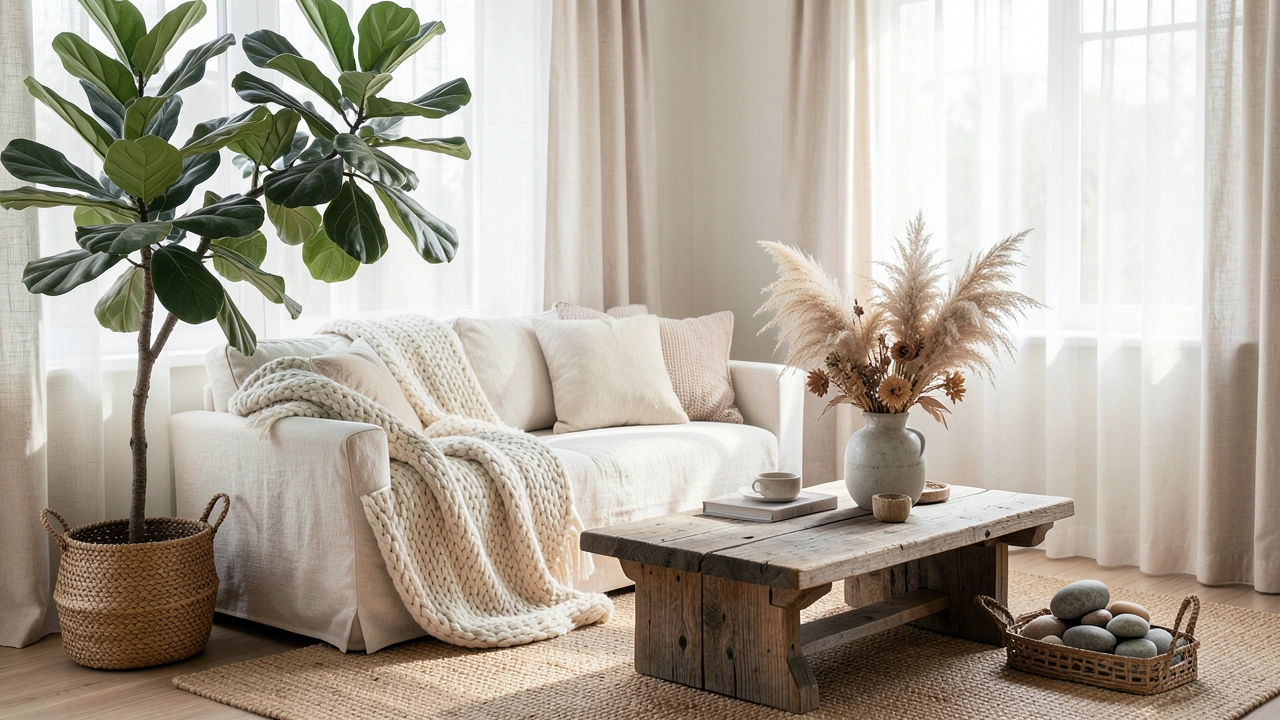
Incorporating Natural Elements and Materials
Bringing the outdoors in is a wonderful way to enhance a neutral decor scheme. Natural elements add life, color, and organic texture to your space. They also have a way of making a home feel more grounded and peaceful.
Many people find that incorporating plants or natural wood pieces makes their neutral rooms feel much more complete. This is a key step when learning How to Decorate Your Home with Neutral Decor.
These elements aren’t just decorative; they contribute to the overall atmosphere of your home. They provide a connection to nature, which can be very calming and restorative. Consider how sunlight hitting a wooden surface or the green of a plant can transform a neutral corner.
The Beauty of Wood in Neutral Design
Wood is incredibly versatile and fits perfectly into neutral palettes. It brings warmth and character. You can use wood in many ways: flooring, furniture, decorative accents, or even wall paneling.
The natural grain and color of wood add a unique touch that manufactured materials often can’t match.
Different types of wood offer different feels. Light woods like maple or birch can make a space feel airy and modern. Dark woods like walnut or mahogany add a sense of richness and tradition.
Even unfinished or reclaimed wood can bring a rustic, authentic charm.
A 2023 report on interior design trends noted a significant increase in the use of natural materials, with wood being a top choice for creating cozy and inviting living spaces, especially within minimalist and neutral design frameworks.
Adding Greenery: Plants for Every Space
Plants are one of the easiest and most effective ways to add life and color to a neutral room. They bring in shades of green that pop against muted backgrounds. Plus, they improve air quality!
You don’t need a green thumb to care for many houseplants; there are options for everyone.
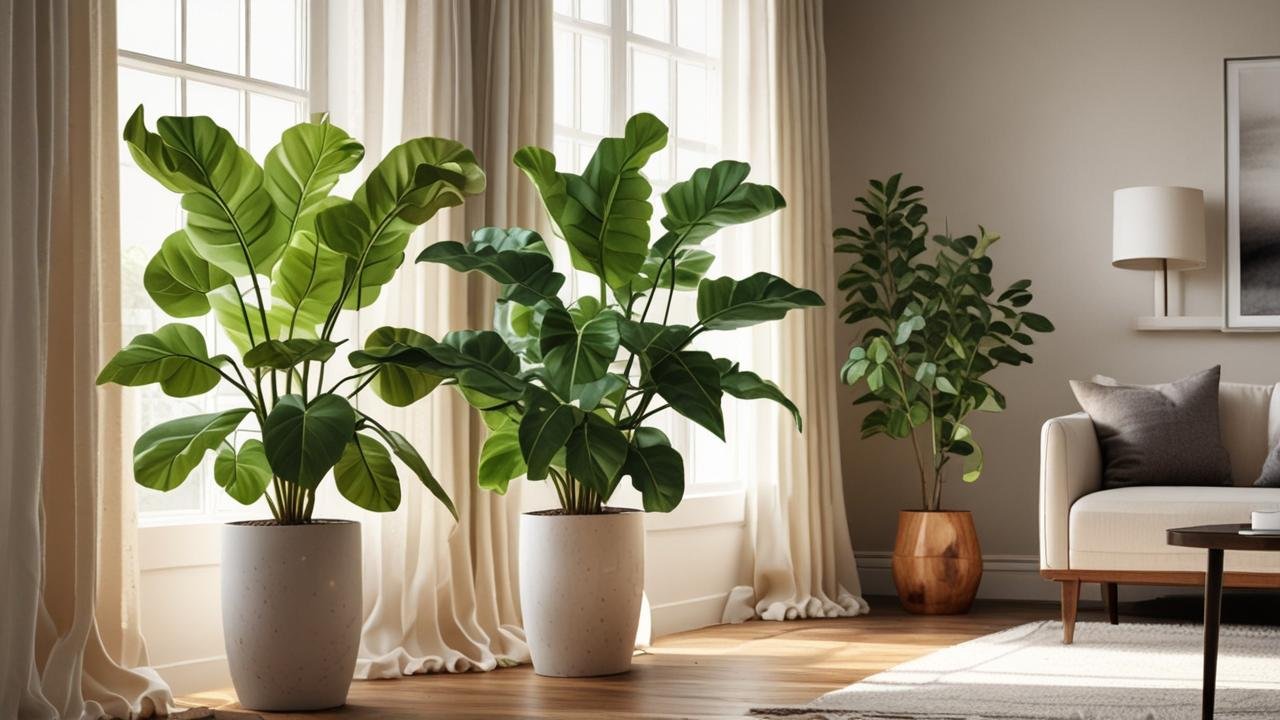
Think about the scale of the plant and the space you have. A large fiddle-leaf fig can be a stunning focal point in a living room. Smaller succulents or snake plants can add a touch of green to shelves or side tables.
Even a simple vase of dried flowers or branches can add a natural touch.
Here are some easy-care plant ideas:
- Snake Plant: Very hardy, needs little water, tolerates low light.
- ZZ Plant: Drought-tolerant, low-maintenance, looks sleek and modern.
- Spider Plant: Easy to propagate, adaptable to different light conditions.
- Pothos: Trailing vines that look great on shelves or in hanging planters.
Other Natural Materials to Consider
Beyond wood and plants, many other natural materials can enhance your neutral decor. Think about stone elements like marble or slate for countertops or decorative trays. Woven materials like rattan, wicker, or jute are excellent for baskets, lampshades, or accent chairs.
These materials add texture and an organic feel.
Even natural fibers in textiles make a difference. Cotton, linen, and wool for upholstery, curtains, and bedding add comfort and visual interest. These materials also feel good to the touch, adding another sensory dimension to your home.
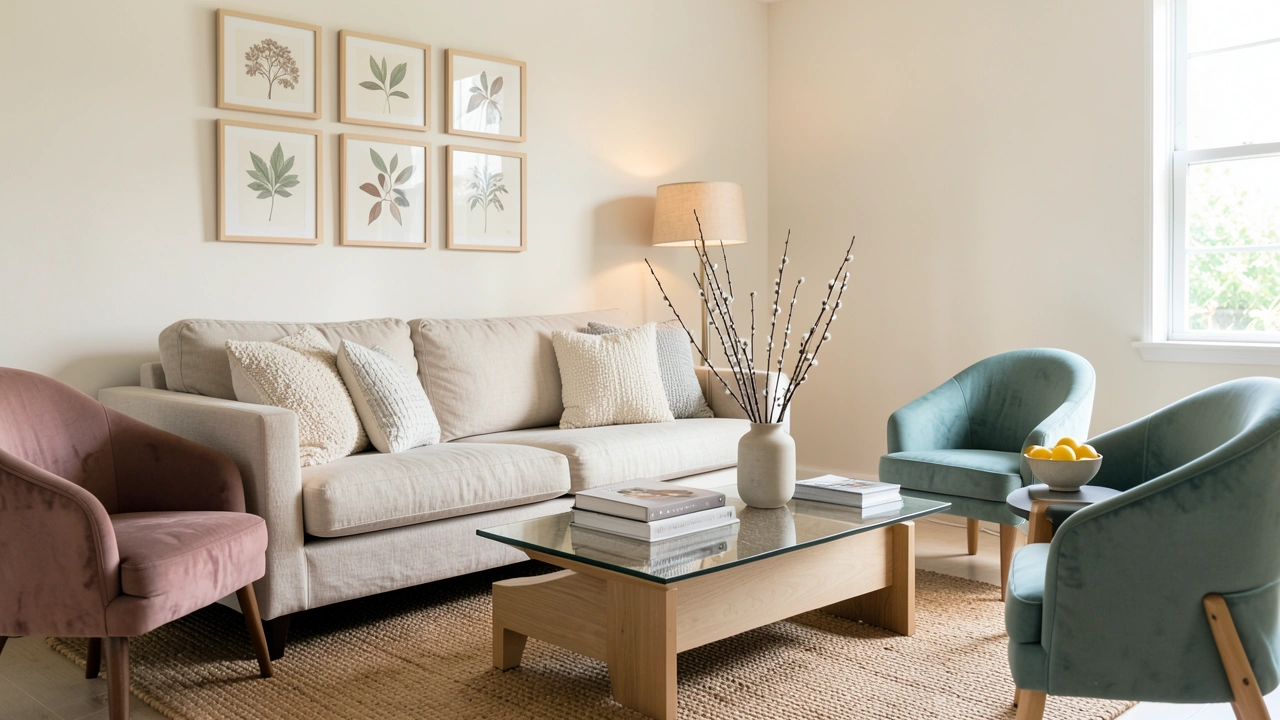
Choosing Accent Colors and Accessories
While a neutral palette is the foundation, it’s the accent colors and accessories that truly bring a room to life and express your personality. Without these touches, a neutral room can feel unfinished or sterile. The trick is to choose accent colors that complement your main neutrals without overwhelming the space.
This is where you can have fun and add your unique flair.
Accent colors can come in the form of artwork, decorative objects, or even a single piece of furniture. They are the pops of interest that draw the eye and create a sense of energy. Think of them as the finishing touches that make your neutral canvas truly shine.
Subtle Pops of Color
You don’t need bright, bold colors to make a statement. Subtle accent colors can be just as effective. Think of muted blues, soft greens, dusty rose, or even a deep terracotta.
These colors can be introduced through artwork, throw pillows, or small decorative items.
For example, if your room is filled with various shades of gray and white, adding a few pillows in a soft dusty blue can create a calming yet interesting contrast. A piece of abstract art with hints of muted green could tie the color scheme together. The key is to use these colors in smaller doses so they enhance, rather than dominate, the neutral scheme.
Artwork and Wall Decor
Artwork is a fantastic way to introduce color and personality into a neutral space. A large abstract painting with a mix of neutral tones and a hint of color can become the focal point of a room. Alternatively, a gallery wall with a collection of smaller pieces in complementary shades can add visual interest.
Don’t forget about other wall decor. Mirrors can add light and depth. Sculptural wall hangings made from natural materials can introduce interesting textures.
Even a beautifully framed photograph can serve as an accent piece. The goal is to select items that reflect your style and add character without clashing with your neutral base.
Decorative Objects and Accents
Small decorative objects are the finishing touches that can elevate your neutral decor. This includes things like vases, candle holders, sculptures, and books. Choose items with interesting shapes, textures, or subtle pops of color.
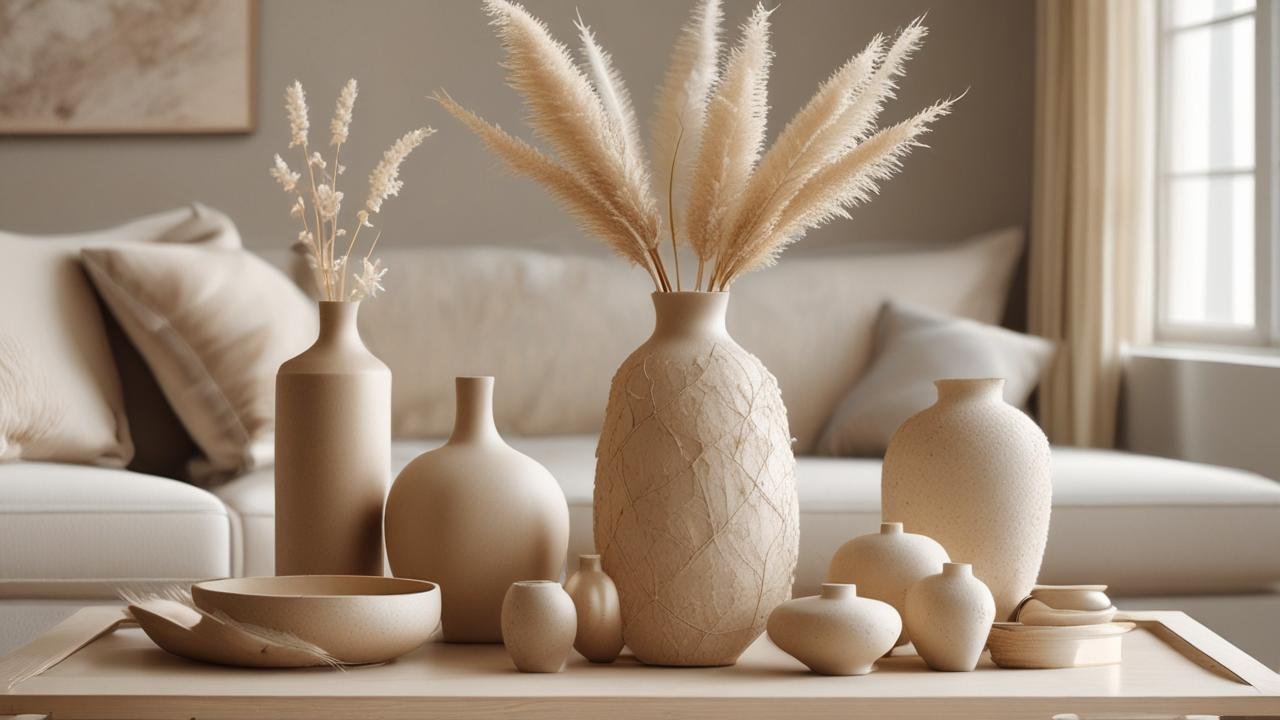
For instance, a collection of ceramic vases in varying shades of cream and beige, with one in a soft terracotta, can add visual appeal to a shelf. A stack of art books with visually interesting covers can also serve as both decor and a conversation starter. Even something as simple as a metallic tray can add a touch of shine and sophistication.
When selecting accessories, consider the rule of three. Grouping items in odd numbers, especially three, often creates a more pleasing visual arrangement. This can make your styled surfaces look more intentional and balanced.
Using Metallic Accents
Metallic accents are a wonderful way to add a touch of glamour and polish to neutral decor. Popular choices include gold, brass, silver, and black metal. These can be incorporated through light fixtures, hardware, decorative trays, picture frames, or small accent furniture.
Gold or brass accents can add warmth and a touch of luxury. Silver or chrome can offer a cooler, more modern feel. Black metal provides a strong contrast and a contemporary edge.
Mixing metals can also create a more eclectic and personal look, but it’s best to stick to one or two main metals to keep it cohesive.
A survey indicated that over 60% of homeowners are incorporating metallic finishes into their decor, with warm metallics like brass and gold being particularly popular in neutral-themed spaces to add a sense of richness.
Making Neutral Spaces Feel Larger
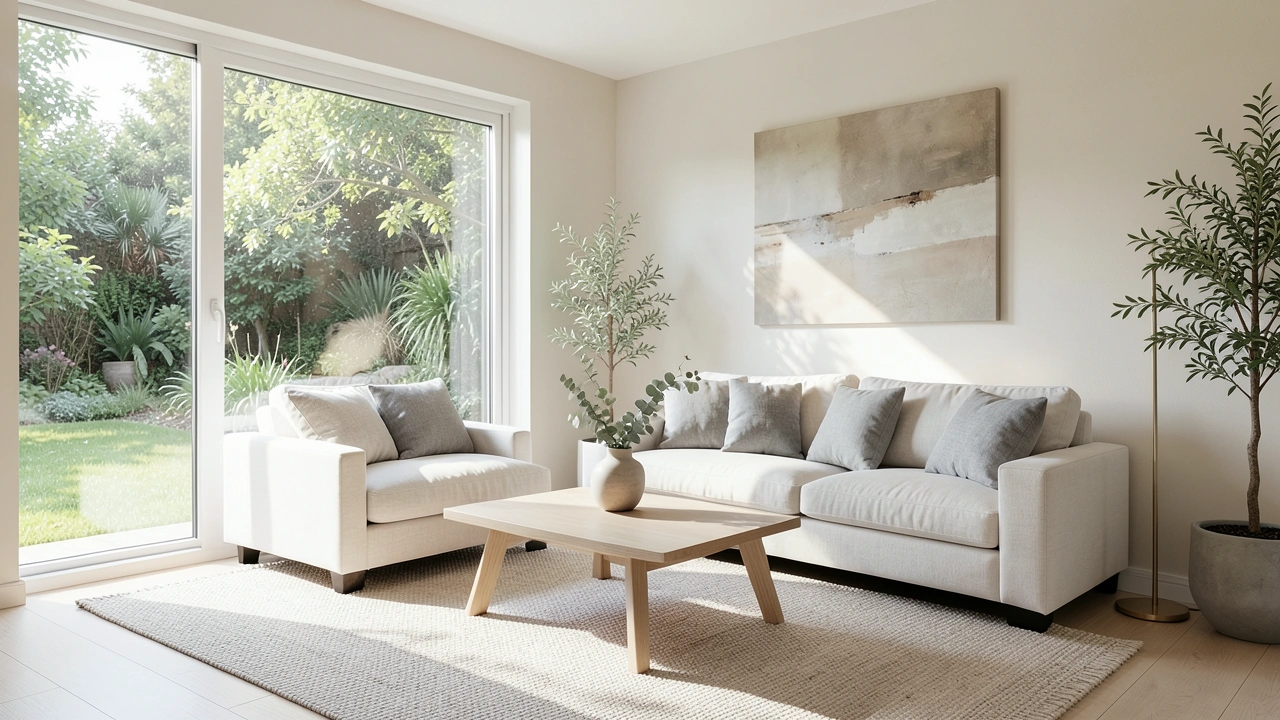
One of the great benefits of using neutral colors is their ability to make a space feel more open and expansive. This is especially helpful in smaller homes or apartments. By using light colors and smart design choices, you can create the illusion of more space.
This is a key aspect of How to Decorate Your Home with Neutral Decor successfully.
Light colors reflect light, making walls seem to recede and the room feel brighter and airier. Combined with thoughtful furniture placement and decor, you can significantly impact how spacious a room feels. It’s all about creating a seamless and uncluttered environment.
The Power of Light Colors
As mentioned, light colors are your best friend when trying to make a room feel bigger. Whites, pale grays, and soft beiges bounce light around the room, making it feel brighter and more open. Painting your walls in a light neutral color is a simple yet effective strategy.
Consider painting the ceiling a slightly lighter shade than the walls, or even pure white. This draws the eye upward, further enhancing the sense of height and space. Using the same neutral color for trim and walls can also create a seamless look, making the walls appear to extend further.
Furniture Placement and Scale
The way you arrange your furniture plays a big role in how spacious a room feels. Avoid pushing all your furniture against the walls. Instead, create functional zones and leave open pathways.
This allows for easier movement and makes the room feel less crowded.
Choose furniture that is appropriately scaled for the room. Oversized pieces can make a small room feel cramped. Opt for furniture with clean lines and perhaps legs that are visible, as this creates a sense of openness underneath.
Multi-functional furniture, like storage ottomans or sofa beds, can also save space.
Mirrors and Reflective Surfaces
Mirrors are magical for small spaces. They reflect light and create the illusion of depth, essentially doubling the visual space. Place a large mirror opposite a window to maximize natural light and the view.
Other reflective surfaces can also help. Think about glossy finishes on furniture, metallic accents, or even glass tabletops. These elements catch and bounce light, contributing to a brighter and more open atmosphere.
Even a well-placed shiny decorative object can make a difference.
Here’s a quick comparison of how different surface types affect light:
| Surface Type | Light Reflection | Effect on Space |
|---|---|---|
| Matte (e.g., flat paint, rough fabric) | Low | Absorbs light, can make space feel cozier but smaller. |
| Satin/Eggshell (e.g., silk, semi-gloss paint) | Medium | Reflects some light, adds subtle sheen and depth. |
| Glossy/Metallic (e.g., polished metal, mirrors, high-gloss paint) | High | Reflects a lot of light, makes space feel brighter and larger. |
Decluttering and Organization
Clutter is the enemy of spaciousness, especially in a neutral room. A tidy and organized space will always feel larger and more peaceful. Invest in smart storage solutions to keep items out of sight.
This includes cabinets, shelves, and decorative baskets.
Regularly decluttering your belongings is also important. The less you have, the more open your space will feel. Neutral decor often lends itself to a minimalist aesthetic, which naturally promotes organization and a sense of calm.
Frequently Asked Questions
Question: What are the best neutral colors for a small bedroom?
Answer: For a small bedroom, light and airy neutrals are best. Think soft whites, pale grays, or light beiges. These colors reflect light and make the room feel more open and peaceful.
Avoid very dark or heavy neutrals, as they can make the space feel smaller.
Question: Can I use black in a neutral decor scheme?
Answer: Yes, you can! Black can be a very effective accent color in a neutral scheme. Use it sparingly in accessories like picture frames, lamps, or small decorative objects.
It provides a strong contrast and adds a modern touch without making the room feel dark, as long as the majority of your colors are light.
Question: How do I prevent a neutral living room from looking boring?
Answer: The key is to use texture and layers. Mix different materials like wood, metal, and soft fabrics. Add throws, pillows, and rugs with varied weaves and patterns.
Incorporate plants and artwork with subtle colors to add interest. This approach adds depth and warmth.
Question: What is a good way to introduce color without using bright paint?
Answer: You can introduce color through artwork, decorative objects, and textiles. Choose throw pillows, blankets, or rugs in muted shades of blue, green, or even a deep burgundy. Artwork with subtle color palettes can also add pops of interest without being overwhelming.
Question: Should all my furniture be the same neutral color?
Answer: Not at all! It’s great to use varying shades and tones of neutrals for your furniture. For example, you could have a light gray sofa and a cream-colored armchair.
This variation creates depth and prevents the room from looking too uniform. Just make sure the colors work well together.
📌 Check our Pinterest Profile for more inspiration
View on PinterestConclusion
Decorating with neutrals offers a calm and elegant way to style your home. You’ve learned how to pick your shades, add texture, bring in natural elements, and use accents to make your space personal. By following these steps, you can easily create a beautiful, inviting home that feels just right.