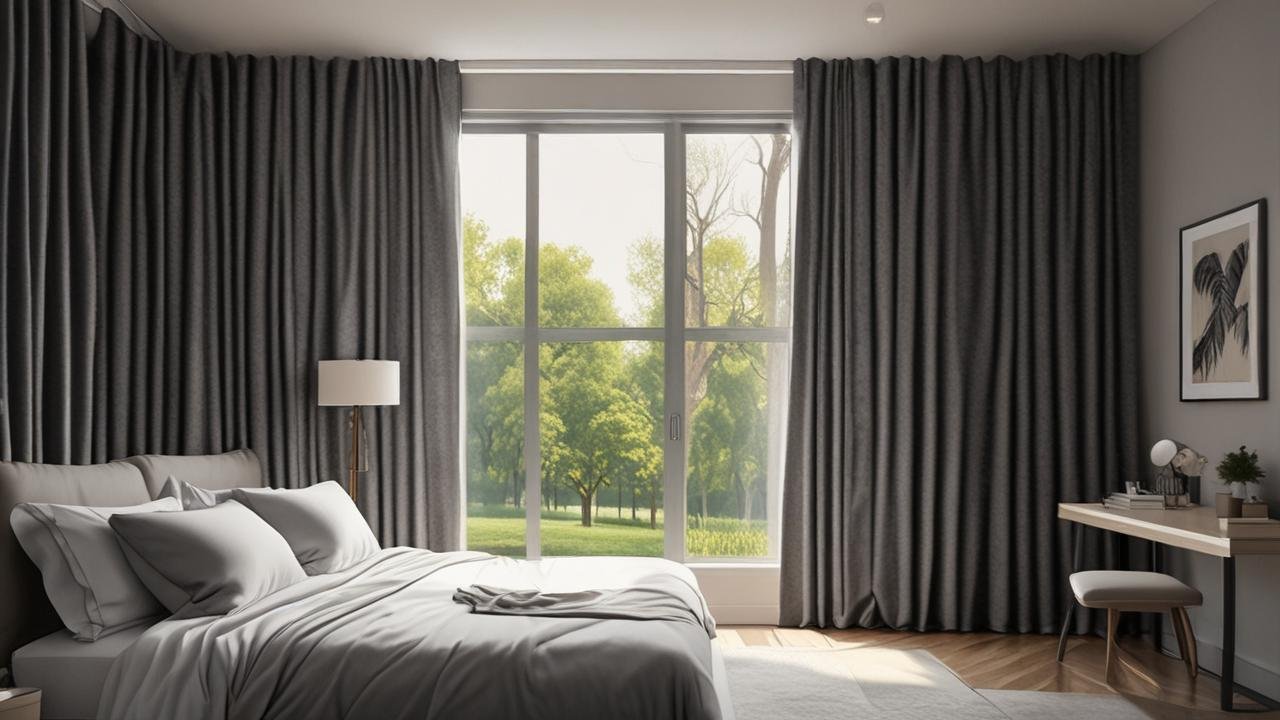
Figuring out How to Choose Curtains That Block Light and Noise can feel a little tricky when you’re starting out. You want your room to be dark and quiet, but picking the right curtains seems like a puzzle. Don’t worry, we’re here to make it super simple!
We’ll walk you through it step-by-step so you can get the peaceful, dark room you’ve been dreaming of. Get ready to learn what makes curtains good at blocking light and sound.
Key Takeaways
- You’ll learn what materials are best for blocking light.
- We’ll explain how fabric thickness helps with soundproofing.
- You’ll discover different curtain styles that work well for blocking light and noise.
- We’ll guide you on how to measure your windows correctly for the best coverage.
- You’ll find out about extra features that boost a curtain’s light and noise blocking abilities.
- We’ll show you how to care for your curtains to keep them working their best.
Choosing the Right Fabric for Blocking Light
The first big step in learning How to Choose Curtains That Block Light and Noise is picking the right fabric. Light blocking is mostly about how dense the material is and how it’s made. Some fabrics naturally let less light through than others.
Think about what you want your room to feel like – do you want it totally black, or just dimmer? The fabric choice will make a huge difference here.
Blackout Fabrics
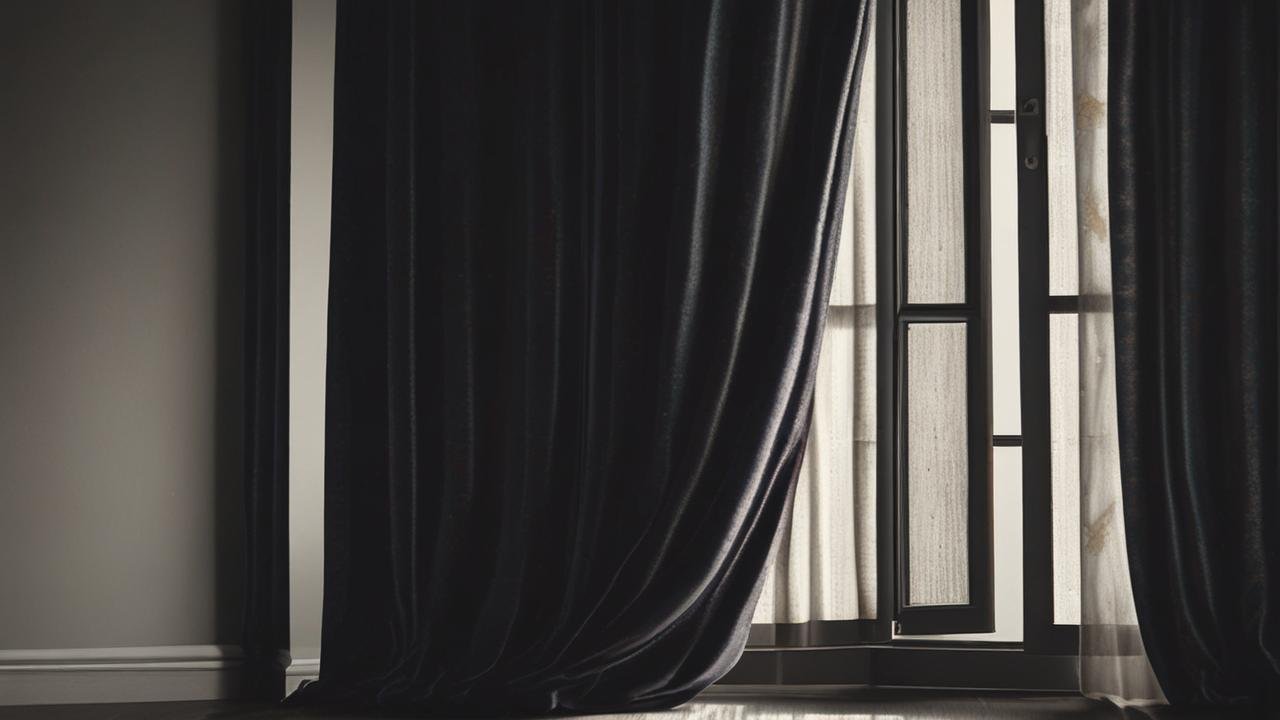
Blackout fabrics are your best friends when it comes to stopping light. These are special materials designed to be super opaque. They often have a dense weave or are made with multiple layers.
Some blackout fabrics are coated with a special material that reflects light away. This means even when the sun is shining brightly outside, hardly any light will peek through your curtains.
When you look at a blackout fabric, it often feels thicker and heavier than regular cloth. This weight is important because it helps the fabric hang nicely and seal off the window better. It also means the fabric is packed tightly, leaving fewer tiny gaps for light to slip through.
For bedrooms, nurseries, or home theaters, blackout curtains are a must-have to create a truly dark space.
Room Darkening Fabrics
Room darkening fabrics are a step down from blackout but still very effective. They block a good amount of light, enough to make a room significantly dimmer. These fabrics might be thicker weaves of cotton, linen, or polyester, or they might have a slightly less intense coating than true blackout ones.
They are great if you don’t need pitch black but want to cut down on glare and outside light.
These fabrics are often more flexible in terms of style and feel than some very rigid blackout materials. You can find them in a wide range of colors and patterns. They are a good middle ground if you want a noticeable difference in light but don’t need absolute darkness.
They can make a room feel more comfortable during the day and help you sleep better.
Thermal and Insulated Fabrics
Many curtains designed for blocking light also have a thermal or insulating quality. This is because the same dense weave or special backing that stops light also helps trap heat or cold. These fabrics often have a soft, felt-like backing or are made of thick, tightly woven fibers.
They can help keep your room cooler in the summer and warmer in the winter, which is an added bonus.
These types of fabrics are usually quite heavy. This weight is a big part of why they work so well. The bulkiness of the material helps to absorb sound waves, which we’ll talk about more later.
So, when you’re thinking about stopping light, also consider the thermal properties, as they often go hand-in-hand with better sound blocking and energy efficiency.
Fabric Weave and Density
The way a fabric is woven plays a huge role in how well it blocks light. A tight weave means the threads are packed very closely together. This leaves little room for light to pass through the tiny gaps between the threads.
Think of it like a fine-mesh sieve versus a coarse one; the fine mesh stops more things. Fabrics like dense damask, tightly woven polyester, or heavy velvet tend to be very good at blocking light.
When you’re shopping, feel the fabric. If you can easily see light through it when you hold it up, it’s probably not going to block much light. A good light-blocking fabric will feel substantial and opaque.
Sometimes, fabrics are specifically designed with a dense weave to achieve this. The color of the fabric can also matter, with darker colors sometimes absorbing more light, but the weave and density are usually more important for blocking.

Understanding How Curtains Block Noise
Blocking noise with curtains is a bit different from blocking light, but many of the same fabric qualities help. For noise, it’s mostly about the weight and thickness of the material. Heavier, denser fabrics can absorb sound waves better than thin, light ones.
Think of a thick blanket versus a thin sheet – the blanket muffles sound more effectively. Getting this right is key to the How to Choose Curtains That Block Light and Noise puzzle.
Weight and Thickness of Fabric
The heavier and thicker a curtain fabric is, the better it will be at absorbing sound. This is because the extra mass of the material can vibrate less when sound waves hit it, and it can also soak up some of that sound energy. Materials like velvet, heavy brocade, or dense, multi-layered fabrics are excellent choices for noise reduction.
These fabrics don’t just block sound; they help to dampen it.
When you’re looking at curtains, don’t be afraid of weight. A substantial curtain will often perform much better for soundproofing. You can often tell by how the fabric drapes and feels.
If it feels flimsy or light, it’s unlikely to make a big difference in noise levels. The goal is to create a barrier that absorbs and muffles sound as it comes through your windows.
Layering Curtains
Adding layers can significantly improve a curtain’s ability to block both light and noise. Think about adding a separate lining to your curtains. This lining can be a blackout liner or a sound-dampening liner.
Many curtains come with these liners already attached, which is a great feature. If yours don’t, you can often buy them separately.
Having multiple layers of fabric means sound waves have to pass through more material. Each layer can absorb some of the sound energy, reducing how much noise reaches your ears. For example, a sheer curtain with a heavy velvet curtain over it, or a standard curtain with a separate thick liner, will be much more effective than a single layer of fabric.
This layered approach is a smart way to boost performance.
Sound Absorption vs. Sound Reflection
It’s important to know that curtains mainly work by absorbing and muffling sound, rather than reflecting it. Hard surfaces like glass windows tend to reflect sound waves. Soft, thick curtain fabrics act like sponges for sound.
They soak up the sound energy, preventing it from bouncing around the room or passing through the window easily. This absorption is what creates a quieter environment.
So, when you’re choosing curtains for noise reduction, look for materials that have a soft, possibly slightly fuzzy texture. These textures are often a sign that the fabric is good at absorbing sound. Avoid very shiny or smooth fabrics that are more likely to reflect sound, as they won’t help much with dampening noise.
The goal is to create a soft barrier.
Proper Installation for Soundproofing
How you hang your curtains also matters for blocking noise. The curtains need to cover the entire window and extend slightly beyond the edges. This creates a seal that prevents sound from sneaking in through gaps.
Using a sturdy curtain rod that extends past the window frame and wide enough curtains is important. If there are big gaps around the sides or bottom, sound can still get through easily.
Think of it like sealing a drafty door. You want to close off all the potential entry points. For windows, this means making sure the curtains are wide enough to overlap the frame and long enough to reach the sill or floor.
Curtains that are too short or too narrow won’t offer much protection against sound. Getting the fit right is a simple but effective step.
Styles and Features That Enhance Light and Noise Blocking
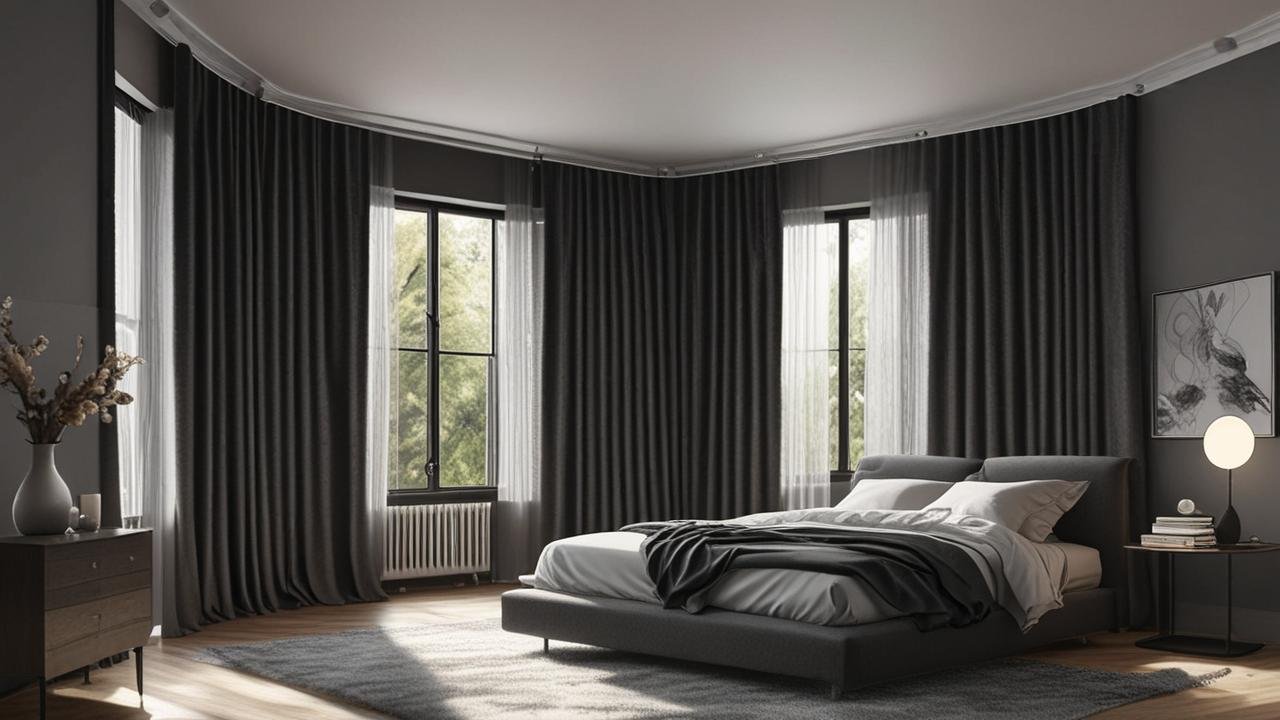
Beyond just the fabric, the style and specific features of curtains can greatly improve their ability to block light and noise. These details might seem small, but they add up to a much better performance. Learning about these extras is a key part of How to Choose Curtains That Block Light and Noise effectively.
Pleats and Folds
The way curtains are pleated or folded can affect how well they seal a window. Pleated curtains, like pinch pleats or grommet curtains, tend to hang straighter and can create a better seal against the wall. This is because the fabric is held in a more controlled way, reducing the chances of light or sound peeking through gaps.
Grommet curtains, with their metal rings, often have a very smooth drape.
When the curtains are closed, the folds of the fabric help to create a soft barrier. If the curtains are very flat and don’t have much fullness, they might leave small gaps. Curtains with more fullness and well-defined pleats generally offer better coverage.
This is especially true for blackout curtains where a tight seal is critical for complete darkness.
Curtain Linings
Curtain linings are a game-changer for performance. As mentioned, blackout linings are designed to stop light completely. They are usually a thick, white or off-white material that is attached to the back of the main curtain fabric.
This liner is the primary light-blocking component.
Some linings also offer extra insulation and sound absorption. These might be made of thicker, softer materials. When you choose curtains, check if they come with a lining.
If they don’t, consider adding one. It’s one of the most effective ways to improve both light and noise blocking capabilities. A good lining can transform a regular curtain into a high-performance one.
Rod Pocket vs. Grommet vs. Back Tab
The way curtains attach to the rod can impact their seal. Rod pocket curtains, where the rod slides through a channel at the top, can sometimes be a bit harder to close fully, leaving small gaps. Grommet curtains, with their metal rings, tend to hang very smoothly and create a good seal along the top.
Back tab curtains, where fabric loops are sewn onto the back of the curtain, also offer a neat, tight hang.
For the best light and noise blocking, grommet or back tab curtains are often preferred because they hang closer to the wall and can overlap the window frame more effectively. They also tend to move more freely along the rod, allowing for a complete closure. The key is to ensure minimal light or air can pass around the edges.
Extra Wide Curtains
Using curtains that are wider than your window can make a big difference. This is especially true if you’re trying to block out light from a wider window or reduce noise coming from all directions. When the curtains are closed, the extra width should overlap in the middle and extend beyond the window frame on the sides.
This creates a solid barrier.
For example, if your window is 60 inches wide, you might want curtains that add up to 80-100 inches in width when fully extended. This overlap ensures that no light can sneak through the center seam. Similarly, the extra fabric extending beyond the frame helps to dampen sounds that might come from the sides.
It’s about covering every possible entry point.
Measuring and Installing for Maximum Effectiveness
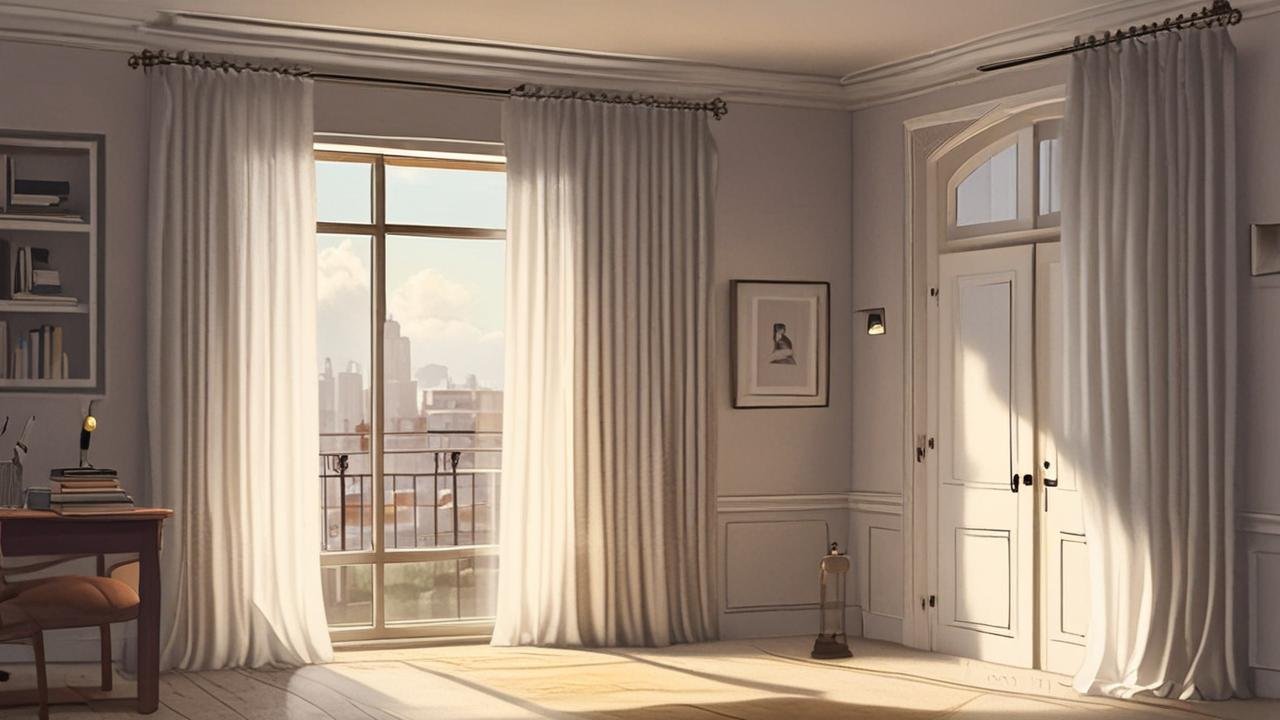
Getting the measurements right and installing your curtains properly is crucial for them to do their job of blocking light and noise. Even the best fabric won’t work well if the curtains are too short or too narrow. This part of How to Choose Curtains That Block Light and Noise is about ensuring a perfect fit for your windows.
How to Measure for Curtains
First, decide where you want your curtain rod to be. For maximum light and noise blocking, it’s best to mount the rod higher than the window frame, about 4-6 inches above, and wider than the window, extending 3-6 inches on each side. This helps to cover the entire window and prevent light or sound leaks around the edges.
Next, measure the width of the area you want the curtains to cover. You’ll want to double the width of your window for proper fullness, which means the fabric will have nice folds when closed and create a better seal. For example, if your window is 50 inches wide, aim for curtains that are about 100 inches wide in total when laid flat.
Then, measure the length. Decide where you want the curtains to end. For maximum darkness and sound dampening, floor-length curtains are often best.
Measure from the top of the curtain rod down to where you want the curtains to stop. For a clean, modern look, aim for them to just brush the floor. If you have radiators, you might want them to end a few inches above.
Curtain Rod Placement
The placement of your curtain rod is very important. Mounting the rod high and wide creates a better seal against the wall. This is because it allows the curtains to hang over the edges of the window frame, effectively covering any gaps where light and sound could enter.
A standard window frame isn’t a perfect barrier on its own.
A rod that extends beyond the frame creates a small space between the curtain and the wall when closed. This space can actually help to absorb sound waves. For maximum light blocking, ensure the rod is positioned so that the curtains can hang flush against the wall at the top and sides as much as possible.
Some rods come with decorative end caps that help to curve the curtain back towards the wall, further reducing light leakage.
Ensuring a Tight Seal
To get the best results, you need to make sure your curtains create a tight seal around your window. This means the curtains should be wide enough to overlap generously in the center, and long enough to cover the entire height of the window, ideally to the floor. The fabric should also hang as close to the wall as possible, especially at the top and sides.
If you notice light peeking through the sides, you can use Velcro strips or magnetic tape along the edges of the curtains and the window frame to create a more complete seal. This might seem like a bit of extra work, but it can significantly improve the darkness and quietness of your room. A good seal is the final step in making your curtains effective.
Dealing with Different Window Types
Different types of windows might need slightly different approaches. For large picture windows, you’ll need very wide and long curtains. Bay windows can be tricky, and you might need multiple rods and separate curtains for each section to ensure they all close properly.
Skylights often require specialized blackout blinds or very carefully fitted blackout curtains.
For oddly shaped windows, custom curtains might be the best solution. However, for standard windows, the principles of measuring high, wide, and long will usually work. Think about how much light and noise actually comes through each specific window and adjust your curtain strategy accordingly.
Sometimes, a simple pelmet or cornice above the window can also help block light from the top.
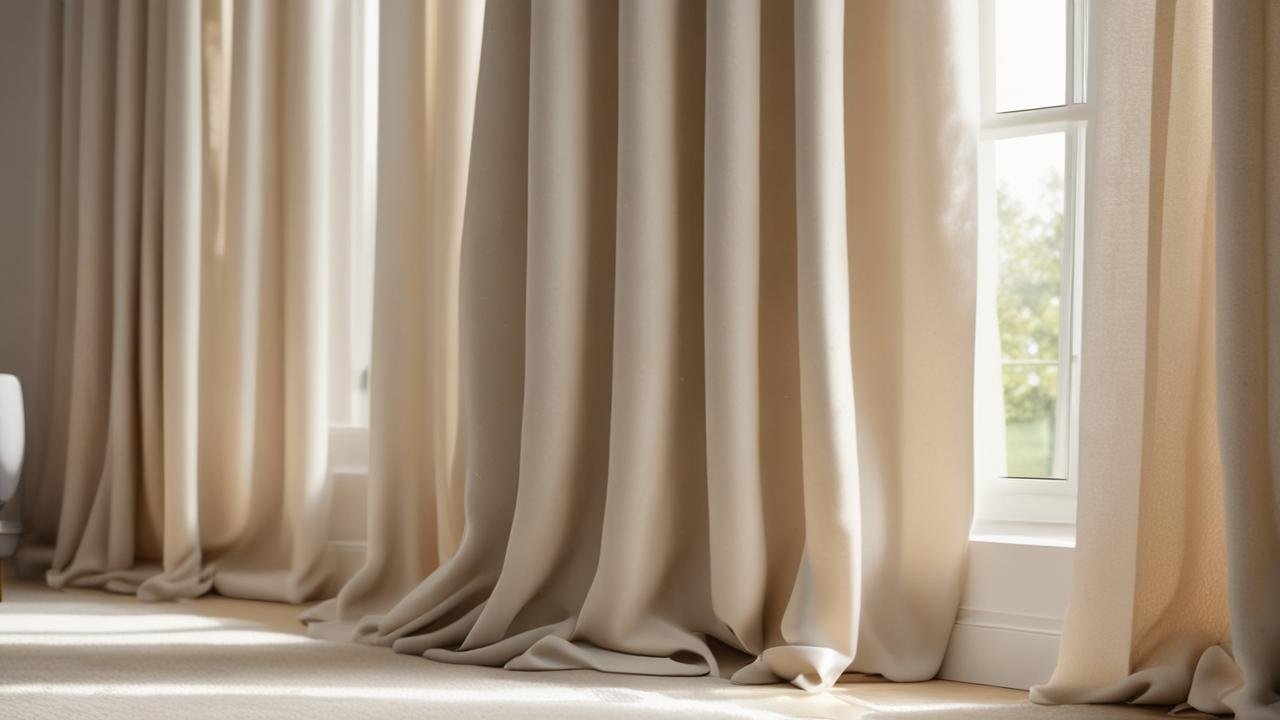
Maintenance and Care for Your Curtains
Keeping your curtains clean and in good condition will help them continue to block light and noise effectively for a long time. This is the final step in How to Choose Curtains That Block Light and Noise and keeping them working their best.
Cleaning Methods
Always check the care label on your curtains first. Many heavier fabrics, like velvet or lined curtains, are dry-clean only. This is because washing them in a machine can damage the backing or the fabric fibers, reducing their effectiveness.
If your curtains are machine washable, use a gentle cycle with cold water and a mild detergent.
For light cleaning, a vacuum cleaner with an upholstery attachment can help remove dust and pet hair. Regular dusting or vacuuming can prevent buildup that might affect the fabric’s texture and ability to absorb sound. If your curtains are very large or heavy, you might need to take them down to clean them properly.
Dealing with Fading and Wear
Sunlight can cause curtains to fade over time, especially if they are made from natural fibers. To prevent this, you can use curtains with a UV-resistant lining or choose synthetic fabrics that are more resistant to fading. Rotating your curtains seasonally, if possible, can also help distribute wear more evenly.
If the backing of your curtains starts to peel or fray, it can reduce their light-blocking capabilities. For minor damage, you might be able to repair it with fabric glue or a patch. However, significant damage to the lining might mean it’s time to replace the curtains.
The integrity of the lining is key to their performance.
When to Replace Your Curtains
Curtains don’t last forever. If you notice that your curtains are no longer effectively blocking light, or they look worn and damaged, it might be time for new ones. Fading, thinning fabric, torn linings, or holes will all reduce their performance.
Also, if your needs change, like wanting a darker room for a new baby, you might need to upgrade.
Consider the age of your curtains and the materials they are made from. Even with good care, fabrics can degrade over years of use. When you’re ready for new curtains, remember all the tips we’ve discussed to choose the best ones for light and noise blocking.
Frequently Asked Questions
Question: What is the best fabric for blocking out light completely?
Answer: The best fabric for blocking out light completely is a true blackout fabric. These are specially manufactured materials with a dense weave and often a special coating or multiple layers that prevent any light from passing through.
Question: Can curtains really block out a lot of noise?
Answer: Yes, heavy and thick curtains can significantly reduce noise levels. They work by absorbing and muffling sound waves. The denser and heavier the fabric, the more effective it will be at dampening sound.
Question: Should I get curtains that are wider than my window?
Answer: Yes, it’s highly recommended to get curtains that are wider than your window. This allows for overlap in the center and ensures the curtains extend beyond the window frame on the sides, creating a better seal to block light and noise.
Question: How do I clean blackout curtains?
Answer: Always check the care label. Many blackout curtains are dry-clean only. If they are machine washable, use a gentle cycle with cold water.
Avoid harsh detergents or excessive heat, as this can damage the blackout lining.
Question: Are thermal curtains good for blocking light and noise?
Answer: Yes, thermal and insulated curtains are often very good at blocking both light and noise. The thick, dense materials used for insulation also help to absorb sound and prevent light from passing through.
📌 Check our Pinterest Profile for more inspiration
View on PinterestConclusion
Choosing curtains that block light and noise is all about picking the right fabric, style, and making sure they fit perfectly. Heavy, dense materials like velvet or lined fabrics are your top picks. Measure your windows carefully to ensure your curtains overlap and seal well.
With the right choices, you can create a darker, quieter space.