Picking rugs for a big, open room can feel tricky at first. You want things to look just right, but it’s easy to feel a bit lost when you’re just starting out. Don’t worry, though!
We’ll make it simple and show you exactly what to do. Get ready to see how easy it is to make your space look amazing.
Key Takeaways
- You’ll learn how to section off different areas in your open space.
- We’ll show you how to pick the right size rug for each spot.
- Discover how rug shape can help define zones.
- Learn to use rug color and pattern to create a cohesive look.
- Understand how different rug materials fit different needs.
- Get tips on how to arrange rugs to guide people through your home.
Making Zones with Rugs in Open Floor Plans
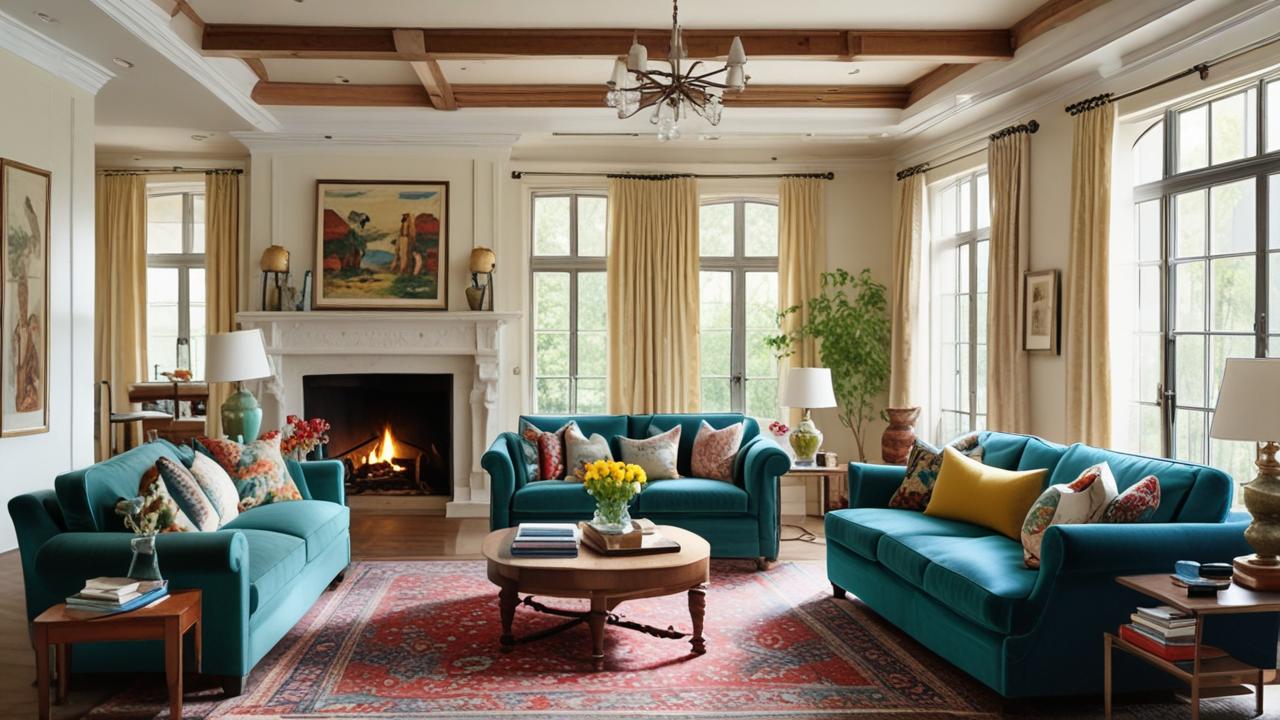
Open floor plans are popular because they feel big and airy. But sometimes, they can feel like one giant room without any definition. Rugs are a fantastic way to create separate areas, like a living room spot, a dining space, or a reading nook.
This makes the whole place feel more organized and cozy. It’s all about telling your home’s story by giving each area its own chapter with a rug.
Defining Living Areas
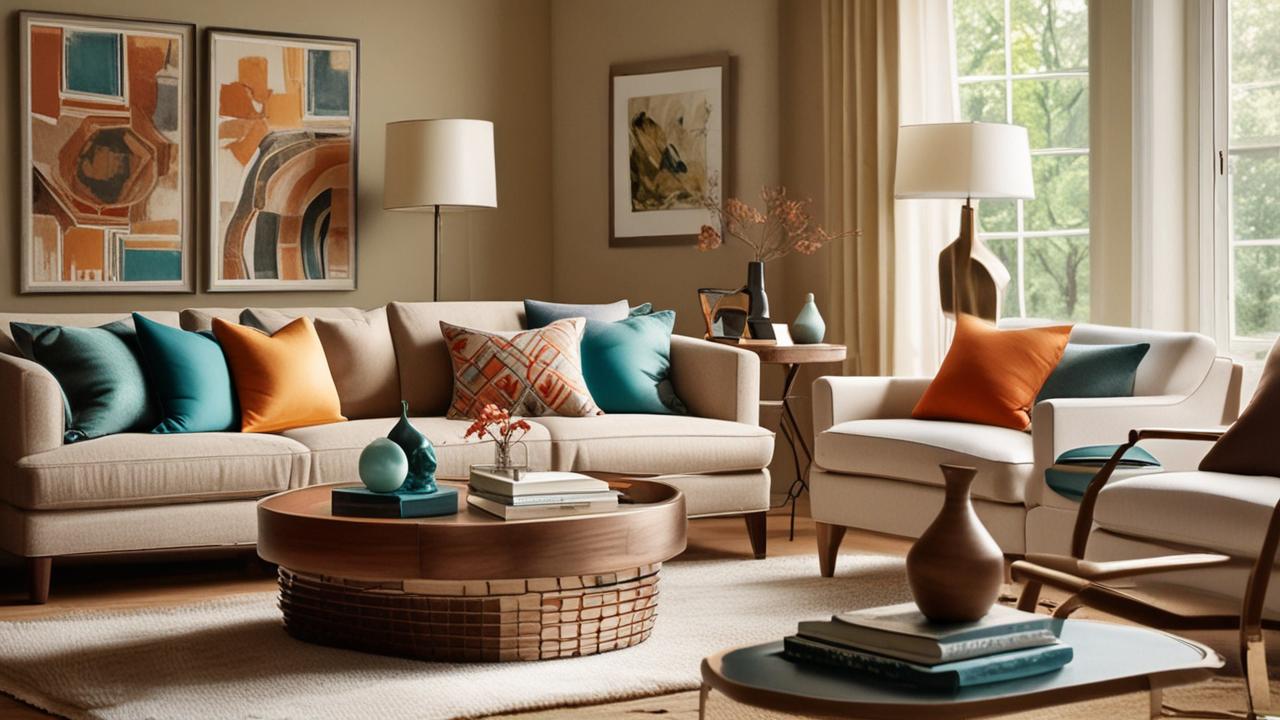
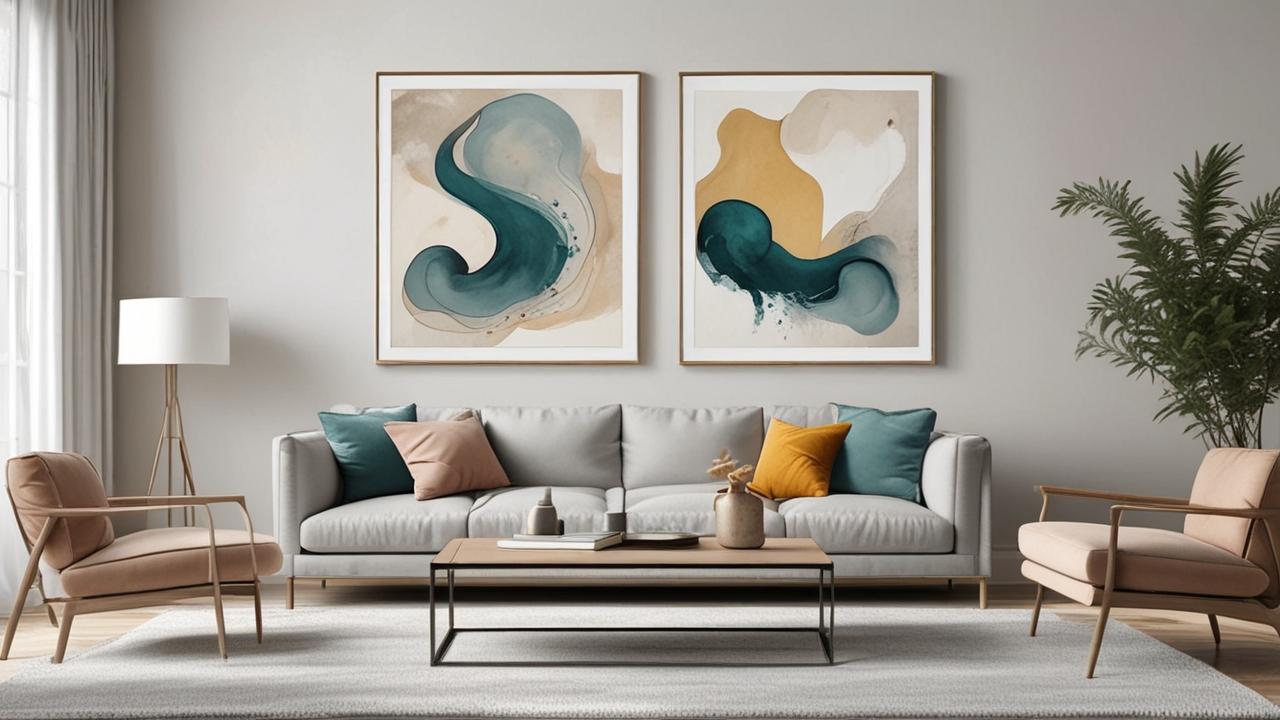
One of the best ways to use rugs in an open layout is to clearly mark your living room. You want a rug that’s big enough to hold your main furniture. This means the front legs of your sofa and chairs should sit on the rug.
It makes the area feel grounded and invites people to gather. A rug here acts like an anchor, holding all your seating together.
- Anchor Your Furniture: Place the rug so that at least the front legs of your sofa and chairs are on it. This creates a clear boundary for your seating arrangement.
When you have a large sofa, you need a rug that’s at least as wide as the sofa. For a sectional, make sure the rug covers the main part of it. A rug that’s too small will make your furniture look like it’s floating in the middle of nowhere, which defeats the purpose.
Think of the rug as a rug “island” for your seating group.
Creating Dining Nooks
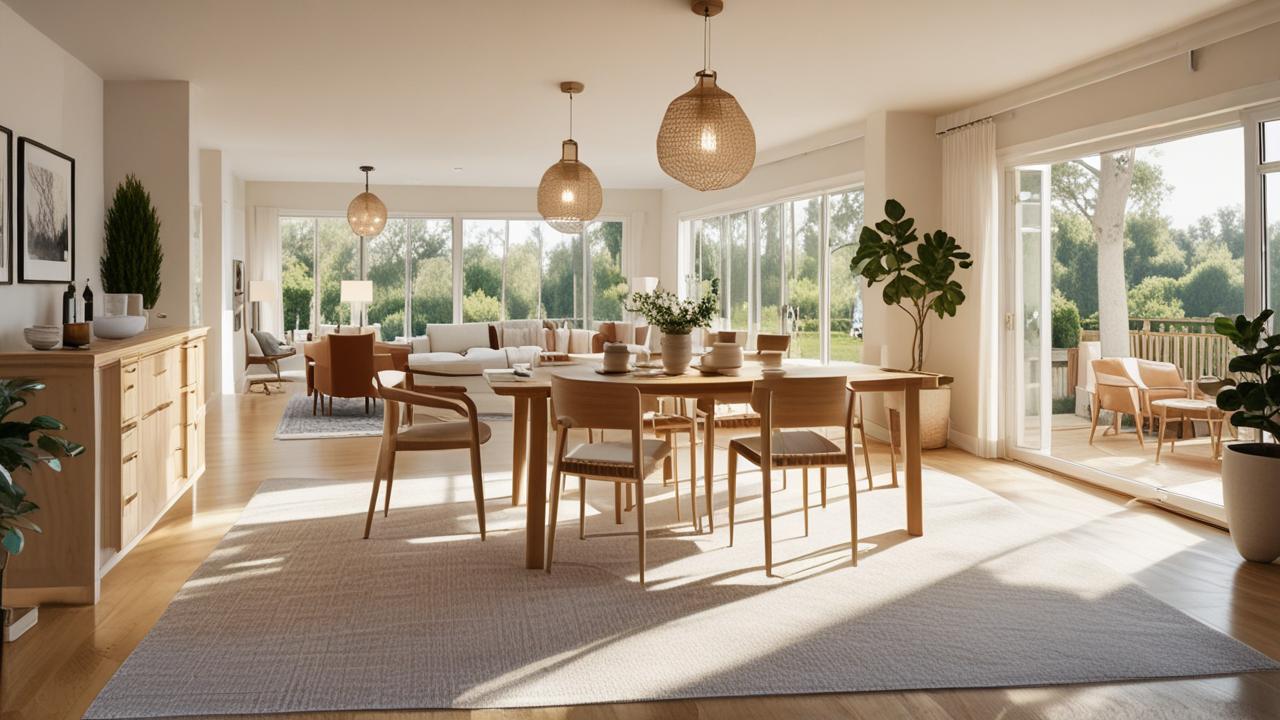
Your dining area also needs its own special rug. The goal here is to have a rug that is big enough so that all the chairs can be pulled out and still stay on the rug. This usually means the rug should be about 2 to 3 feet wider than your table in all directions.
This way, when someone pulls out a chair, it doesn’t catch on the edge of the rug and make a mess. It also makes the dining space feel separate from the living area.
- Dining Room Rule: Ensure chairs stay on the rug even when pulled out for seating. Add 2-3 feet around your table’s edge.
Choosing a rug that’s easy to clean is important for dining areas. Spills can happen, and you want a rug that can handle them. Materials like polypropylene or nylon are good choices because they are durable and resist stains.
A pattern can also help hide minor spills or dirt, making upkeep easier.
Setting Up Quiet Corners
Even small areas can get their own rug. A cozy reading chair in a corner can become a special spot with a smaller rug underneath it. This gives you a place to put your feet up and relax without feeling like you’re in the middle of everything.
It adds a touch of personal comfort and clearly marks your quiet zone.
- Small Area Definition: Use a smaller rug for a single chair or a small accent piece. This creates a mini-zone for relaxation or a specific function.
This little rug can be a great place to add some personality or a pop of color. It doesn’t need to be huge. Just big enough to cover the area around your chair and maybe a small side table.
It’s a simple way to make a cozy corner feel even more inviting.
Size Matters: Picking the Right Rug Dimensions
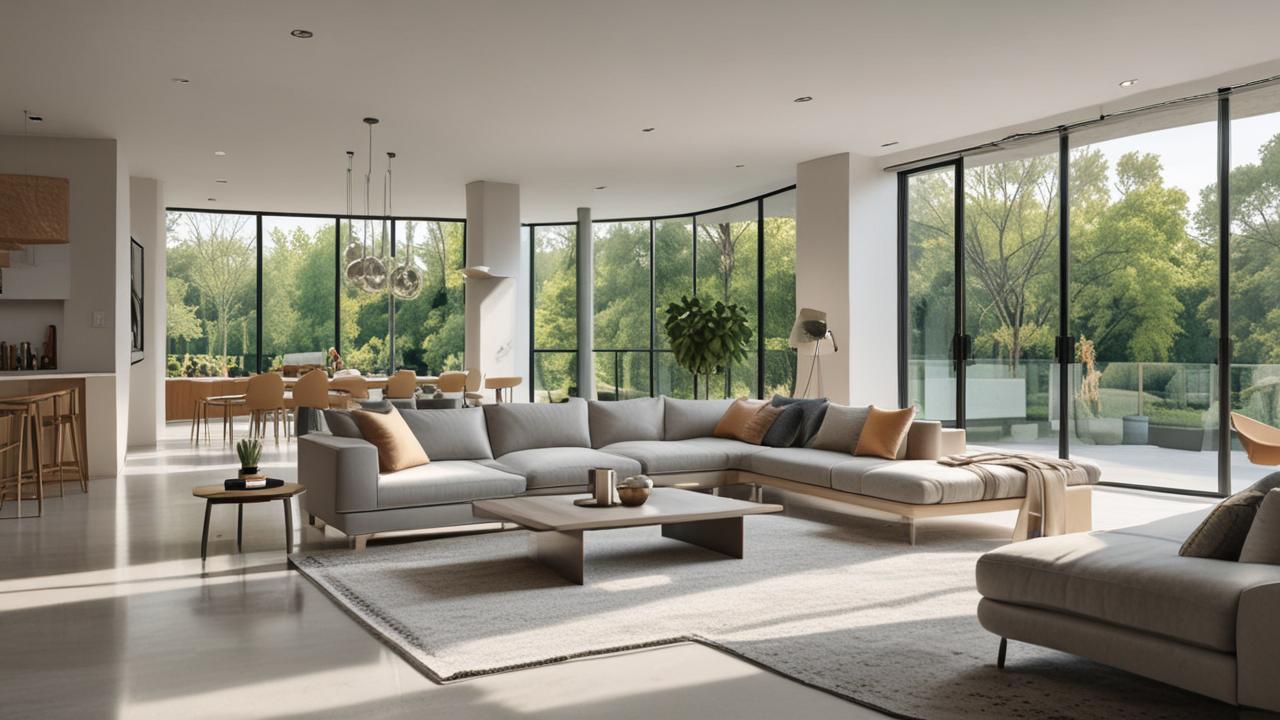
The size of your rug is super important, especially in open spaces. A rug that’s too small can make a big room feel even bigger and disconnected. On the other hand, a rug that’s too large might overwhelm the space.
The key is to use rug size to define the areas you want. For living spaces, aim for a rug that makes your furniture arrangement feel complete.
Living Room Rug Sizes
For a typical living room setup, you’ll want a rug that’s large enough to connect your seating. The most common and effective approach is to have at least the front legs of your sofa and chairs on the rug. This creates a unified conversation area.
If you have a larger sofa, consider a rug that allows all legs of the sofa and chairs to rest on it. This creates a more luxurious feel.
- Front Legs On: A minimum of the front legs of your main seating pieces should be on the rug.
- All Legs On: For a grander look, ensure all furniture legs sit on the rug.
Imagine a rug that’s 8×10 feet. This can work well for a smaller seating group. For larger spaces with more furniture, you might need a 9×12 or even a 10×14 rug.
Measure your furniture arrangement and the space around it before you shop. This prevents costly mistakes.
Dining Room Rug Sizes
The dining room rug needs to be large enough to accommodate all chairs, even when they are pulled out. A good rule of thumb is to measure your table and add 2 to 3 feet to each side. So, if your table is 4×6 feet, you’d want a rug that’s at least 7×9 feet (4+3 = 7 feet wide, 6+3 = 9 feet long).
This ensures chairs remain on the rug for comfort and style.
- Dining Freedom: Allow 2-3 feet of rug space beyond your table edges.
If you have a round table, measure the diameter and add 4 to 6 feet to find your rug size. For example, a 5-foot round table would look great with an 8 or 9-foot round rug. This makes the dining area feel complete and prevents chairs from snagging.
Hallway and Entryway Rugs
Even long hallways can benefit from runners. A runner rug can guide people through a space and add warmth. Make sure the runner is not too wide that it leaves very little floor visible on either side.
You want to leave about 6 to 12 inches of floor space on each side. This frames the runner nicely.
- Hallway Harmony: Runners should leave some floor visible on each side.
For entryways, a smaller rug can welcome guests and help keep dirt from being tracked further into the home. It should be large enough to wipe your feet on comfortably. Often, a 3×5 or 4×6 rug works well for most entry spaces.
Shape Up: How Rug Shapes Define Spaces
The shape of your rug can also play a big role in how it defines an area. While rectangular rugs are common, other shapes can add visual interest and help create specific zones. The shape you choose can complement the furniture arrangement and the overall flow of your open space.
It’s another tool to help you organize your home visually.
Rectangular Rugs
Rectangular rugs are the most versatile and popular choice. They work well for anchoring furniture groupings in living rooms and defining dining areas. Their straight lines often align with the architecture of a room, making them a safe and effective choice.
They are easy to place and fit well with most furniture layouts.
- Versatile Rectangles: Excellent for defining main living and dining zones.
You can use a large rectangular rug to cover a significant portion of your open floor. This can make a large living area feel more contained and cozy. They are also great for hallways and long rooms where they can lead the eye.
Round Rugs
Round rugs are excellent for creating a focal point. They can break up the straight lines often found in furniture and architecture. In an open plan, a round rug can be used to define a specific activity area, like a seating nook or a breakfast area.
They can make a space feel softer and more inviting.
- Circular Focus: Creates a soft focal point and can soften hard lines.
A round rug under a round coffee table can be a perfect pairing. It can also be placed under a dining table if you have a round table. The shape helps to visually separate this area from the rest of the room.
It adds a unique touch to your decor.
Square Rugs
Square rugs are less common but can be effective in certain situations. They can work well in square rooms or when you want to create a balanced feel. A square rug can define a specific seating area or a workspace.
They offer a sense of symmetry.
- Balanced Squares: Good for creating symmetry and defining square areas.
If you have a square ottoman or coffee table, a square rug can create a harmonious look. They can also be used in pairs to define two similar spaces within a larger open area, creating a sense of balance.
Other Shapes
You can also find rugs in oval, octagonal, or even irregular shapes. These can add a lot of personality and artistic flair to your space. However, they are often best used as accent pieces rather than for defining major zones in a large open plan, as they can sometimes be visually confusing if not placed carefully.
- Unique Accents: Oval or custom shapes can add personality as accent pieces.
Consider an oval rug to soften the edges of a rectangular room or to fit a particular architectural feature. The key is to ensure the shape works with your furniture and the room’s layout.
Color and Pattern: Tying Your Open Space Together
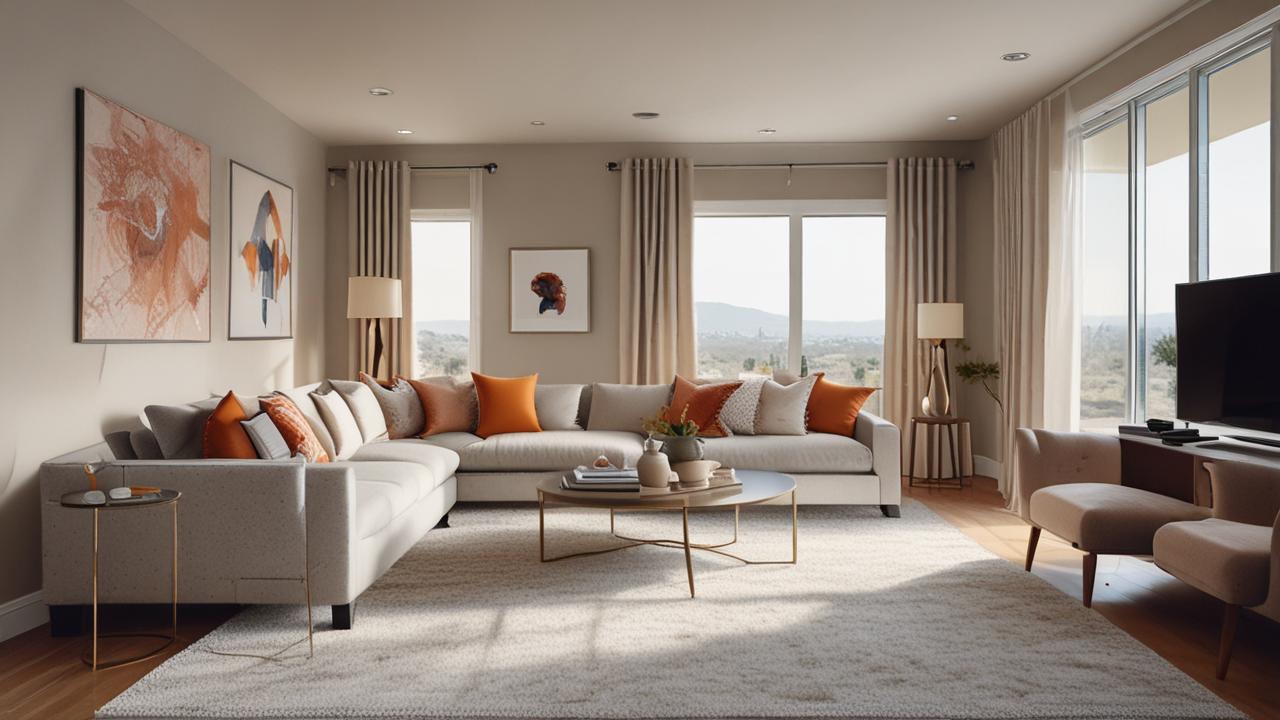
Color and pattern are powerful tools for making your open floor plan feel cohesive. A well-chosen rug can either tie different areas together or subtly differentiate them. Think about the overall color scheme of your home and how the rugs can contribute to it.
They are more than just floor coverings; they are design elements.
Choosing a Color Palette
When selecting rugs for an open plan, it’s helpful to think about a consistent color palette. You don’t need every rug to be the same color, but they should work well together. You could choose one main neutral color for most rugs and then add pops of accent colors in smaller rugs or decor.
This creates harmony.
- Unified Palette: Select rugs that share a common color scheme.
Consider the colors of your walls, furniture, and other decor. If your furniture is mostly neutral, you have more freedom to use colorful rugs to add personality. If you have a lot of color already, a more neutral rug can help to calm the space.
Using Patterns Effectively
Patterns can add visual interest and texture to your space. In an open plan, using similar patterns or patterns with a common color can link different zones. For example, you could use a large, bold pattern in your living area and a smaller, more subtle version of the same pattern in a nearby seating nook.
This creates a sense of connection.
- Pattern Harmony: Use similar patterns or colors within patterns to link zones.
If you have a lot of patterned furniture or curtains, you might opt for a more solid or subtly patterned rug to avoid overwhelming the space. Conversely, if your furniture is simple, a patterned rug can be a great way to add depth and character.
Area Rug Examples
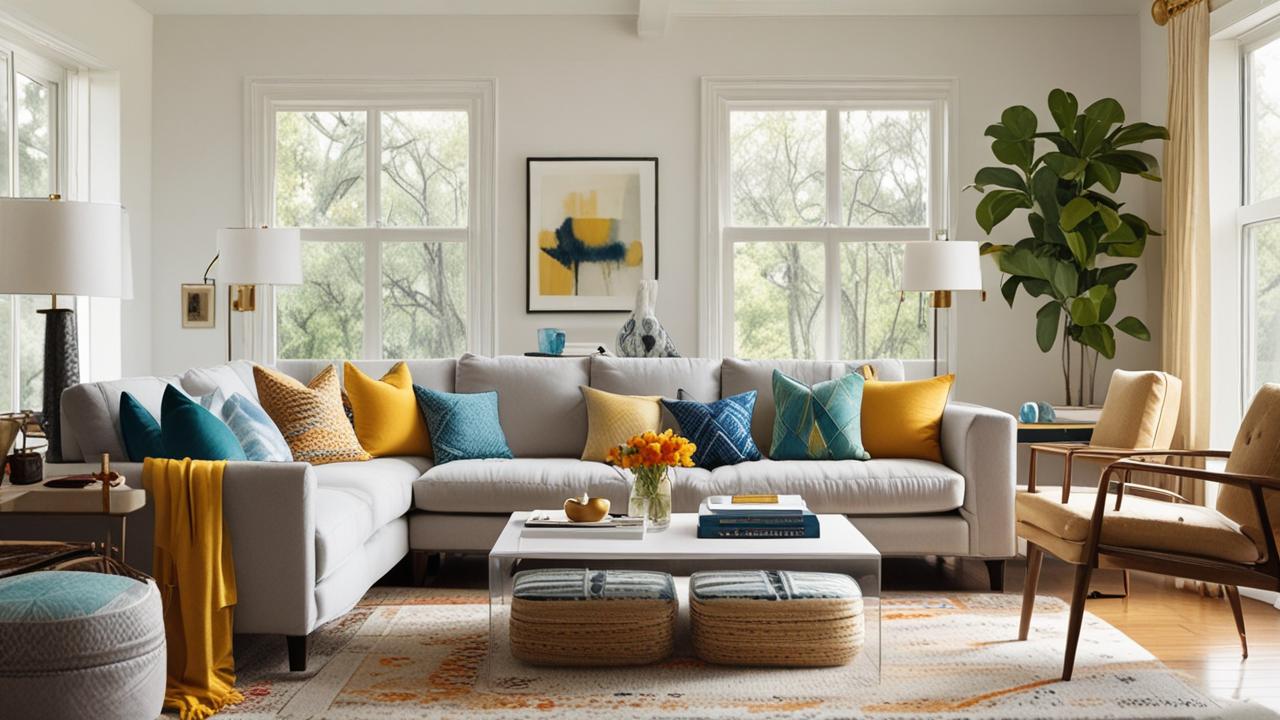
Let’s look at a couple of examples. In a large living area, a neutral beige 9×12 rug with a subtle geometric pattern could anchor a gray sofa, two accent chairs, and a coffee table. Nearby, in a dining area, a similar beige rug but a more formal 8×10 rectangle could sit under a dark wood table and chairs.
This uses the same base color and a related pattern style.
- Living Area: 9×12 neutral rug with a subtle geometric pattern. Anchors a gray sofa, two accent chairs, and coffee table.
- Dining Area: 8×10 neutral rug with a similar subtle pattern. Under a dark wood table and chairs.
Another approach could be to use a bold oriental rug in the main living area. Then, in a reading nook, a smaller solid-colored rug in one of the accent colors from the oriental rug could be used. This pulls colors from the main rug into a secondary space, making the whole area feel designed.
Material Matters: Durability and Style
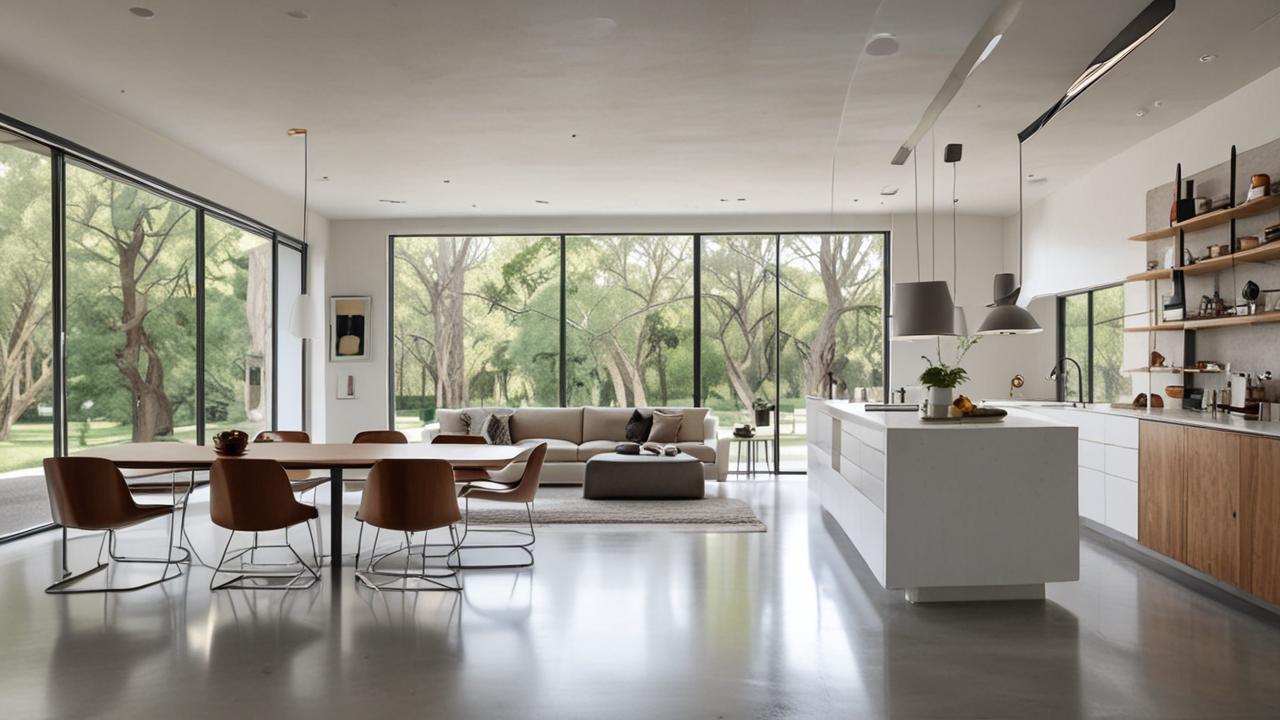
The material of your rug affects its look, feel, and how well it holds up over time. For open floor plans, where rugs might see a lot of foot traffic, durability is key. But you also want something that feels good underfoot and adds to the style of your home.
Different materials offer different benefits.
Natural Fibers
Rugs made from natural fibers like wool, jute, sisal, and cotton are popular for their beauty and eco-friendliness. Wool is soft, durable, and naturally stain-resistant, making it a great choice for high-traffic areas. Jute and sisal are more textural and casual, offering a natural, earthy feel.
Cotton is soft and breathable, but can be less durable than wool.
- Wool: Soft, durable, naturally stain-resistant. Good for living and dining areas.
- Jute/Sisal: Textural, casual, natural look. Best for lower-traffic areas or layered.
- Cotton: Soft, breathable. Can be good for bedrooms or lower-traffic zones.
These natural materials can add a lovely texture to your floors. Wool rugs are a classic choice because they are comfortable and long-lasting. Jute and sisal can add a wonderful rustic charm.
However, some natural fibers can be sensitive to moisture, so consider placement.
Synthetic Fibers
Synthetic rugs, made from materials like polypropylene (olefin), nylon, and polyester, are known for their durability and affordability. Polypropylene is highly resistant to stains and moisture, making it ideal for busy homes, kitchens, and even outdoor spaces. Nylon is very strong and resilient, good for high-traffic areas.
Polyester rugs are often soft and vibrant in color.
- Polypropylene: Stain and moisture-resistant, affordable. Great for high-traffic areas.
- Nylon: Strong, resilient. Excellent for very heavy foot traffic.
- Polyester: Soft, often vibrant colors. Can be less durable than nylon or polypropylene.
These materials are often easier to clean than natural fibers. They are also more resistant to fading from sunlight. This makes them a practical choice for open floor plans where rugs might be exposed to a lot of light and activity.
Rug Construction
The way a rug is made also impacts its performance.
- Hand-knotted: These are the most durable and highest quality, often made from wool. They are artistic and can last for generations.
- Machine-made: More affordable and readily available, they can still be very durable depending on the material and weave.
- Hand-tufted: A good balance between quality and price. They offer a nice texture and design.
For an open floor plan, a well-constructed rug, whether hand-knotted or a good quality machine-made rug, will hold up better to daily life. Consider the pile height too; a lower pile is often easier to clean and less likely to show wear.
Arrangement Tips for Flow and Function
Once you’ve chosen your rugs, how you place them is crucial. The arrangement should make it easy for people to move around your home and should enhance the purpose of each zone. Good placement makes your open space feel intentional and inviting.
It guides visitors and residents through your home seamlessly.
Creating Pathways
Make sure there are clear pathways between your defined areas. Rugs should not block doorways or create awkward obstacles. Leave enough space around rugs so people can walk comfortably between zones.
Imagine your home as a map, and the rugs are signposts guiding the way.
- Clear Paths: Ensure rugs do not block movement between areas.
If you have a long, open space, you might use a runner to create a defined pathway from one end of the room to the other. This can help visually connect different areas while still maintaining their individual identities.
Layering Rugs
Layering rugs can add depth and texture, especially in open spaces. You can place a smaller, more decorative rug on top of a larger, neutral rug. This works well for adding visual interest to a seating area or defining a specific spot within a larger zone.
It’s a great way to bring in color or pattern.
- Adding Depth: Layering small rugs on larger ones adds texture and visual interest.
For example, a large jute rug could provide a natural base, and then a smaller, colorful Persian-style rug could be placed on top in the center of the seating area. This adds warmth and character.
Using Rugs to Guide the Eye
The placement of your rugs can also direct attention. A rug with a strong pattern or vibrant color can draw the eye to a particular area, such as a fireplace or a seating nook. You can use this to highlight features in your home or to create a desired mood.
- Visual Direction: Place rugs to draw attention to specific areas or features.
Think about how you want people to experience your space. If you want to emphasize your view, position your seating and rug to face it. If you want to create a cozy reading spot, place a rug and chair in a quieter corner.
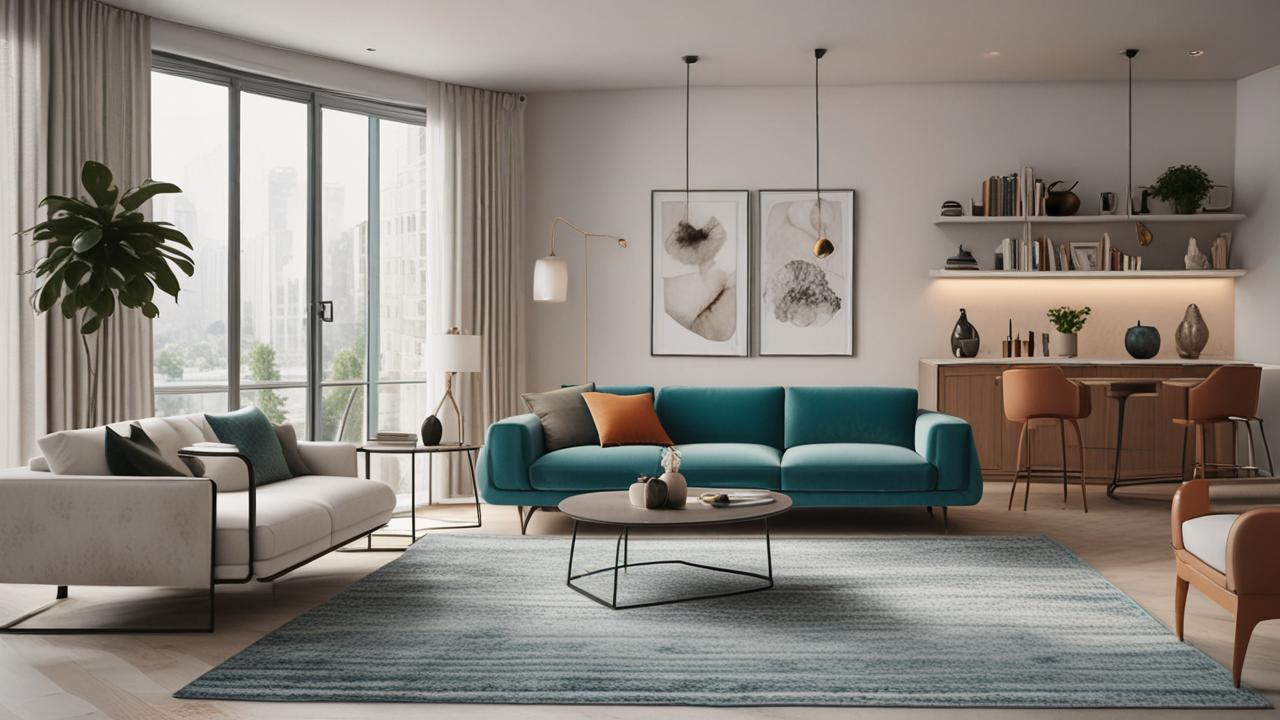
Examples of Rug Placement in Open Floor Plans
Let’s picture some scenarios to see how this all comes together. In a modern open-plan living and dining area, you might have a large rectangular rug anchoring the living room furniture. This rug could be a muted grey with a subtle diamond pattern.
- Scenario 1: Modern Open Plan
- Living Area: A 9×12 grey rug with a subtle diamond pattern sits under the sofa, two armchairs, and a coffee table. The front legs of all furniture are on the rug.
- Dining Area: A separate 8×10 rectangular rug with a similar, but slightly more pronounced, diamond pattern in a charcoal color is placed under the dining table and chairs. All chairs stay on the rug when pulled out.
- Entryway: A small, durable 3×5 doormat just inside the front door.
This example shows how using variations of the same color and pattern can tie the spaces together visually. The difference in pattern intensity and rug size helps to distinguish the areas while maintaining a cohesive feel.
Another example could be a more bohemian-inspired open space. Here, you might use different textures and colors.
- Scenario 2: Bohemian Open Plan
- Living Area: A large, natural fiber rug like jute or sisal serves as a base.
- Seating Nook: A smaller, brightly colored vintage-style rug is layered on top of the jute rug, under a plush armchair and a side table.
- Reading Corner: A soft, shag rug in a neutral cream color under a reading chair and a floor lamp.
In this case, the base rug provides a warm, textured foundation. The layered rug adds a vibrant focal point. The neutral shag rug in the reading corner offers comfort and defines that personal space without competing with the other elements.
Frequently Asked Questions
Question: How do I know what size rug to buy for my open living room?
Answer: For open living rooms, aim for a rug where at least the front legs of your sofa and chairs can rest on it. This makes the seating area feel connected. For a more luxurious feel, all furniture legs can be on the rug.
Question: Can I use different rug styles in different areas of my open plan?
Answer: Yes, you can, but it’s best if they have something in common, like a similar color palette or pattern style. This helps them look like they belong together and makes the whole space feel cohesive.
Question: What is the best material for a rug in a high-traffic open floor plan?
Answer: Synthetic materials like polypropylene or nylon are very durable and easy to clean, making them excellent choices for busy open floor plans. Wool is also a durable natural option.
Question: How much space should I leave between rugs in an open floor plan?
Answer: It’s good to leave enough space to walk comfortably between rugs, usually about 18-30 inches. This creates clear pathways and prevents the space from feeling cluttered.
Question: Should all my rugs in an open floor plan match?
Answer: No, they don’t have to match exactly. However, they should complement each other. Using a consistent color scheme or similar design elements can help create a harmonious look.
📌 Check our Pinterest Profile for more inspiration
View on PinterestWrap Up
Choosing rugs for open floor plans is about making distinct areas that feel connected. You can section off spaces with the right size and shape of rug. Using color and material that works well together ties everything in.
This makes your home feel organized, comfortable, and beautiful.