Picking the right decorative vase for your home can feel a bit tricky at first. There are so many shapes, sizes, and materials to think about! It’s easy to feel overwhelmed when you’re just starting out.
But don’t worry, we’re here to make it super simple. This guide will walk you through finding the perfect vase, step by step. Get ready to learn what to look for and how to make your space shine!
Key Takeaways
- Learn how the size of your vase relates to the space it will occupy.
- Discover different vase materials and their unique looks and uses.
- Understand how vase shape impacts its style and the flowers it holds.
- Find out how color and pattern can complement your home decor.
- Get tips on choosing a vase for a specific room or purpose.
- See how to care for different vase types to keep them looking great.
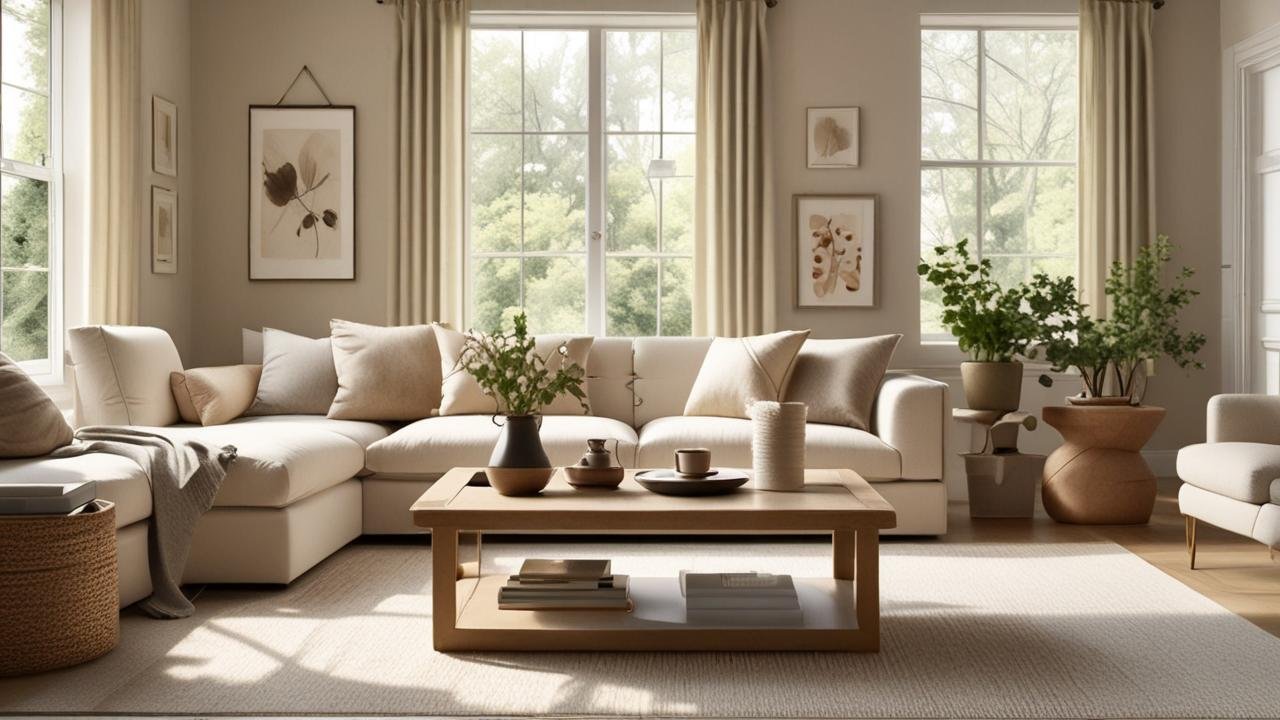
How to Choose a Decorative Vase for Your Home
Selecting a decorative vase for your home might seem straightforward, but it involves several factors that can make a big difference in how it looks and functions. It’s not just about picking something pretty; it’s about finding an item that fits your style, your space, and your needs. For beginners, the sheer variety of options can be a bit much, leading to indecision.
This section will break down the basic considerations to help you make a confident choice.
Size Matters: Matching Your Vase to Your Space
The size of your vase is one of the most important things to consider. A vase that is too big can overpower a small table, making the room feel cluttered. On the other hand, a vase that is too small might get lost on a large sideboard, looking out of place.
Think about where the vase will go. Measure the area first. You want the vase to have enough presence to be noticed but not so much that it dominates the room.
A good rule of thumb is that a vase with flowers should be about one to two times the height of the surface it sits on. For example, on a coffee table, a vase around 8-12 inches tall might be perfect. On a tall bookshelf, you might need something taller.
-
Height considerations: When choosing a vase’s height, consider the surrounding furniture and ceiling height. A tall, slender vase can add vertical interest to a room with high ceilings. Conversely, a shorter, wider vase might be more suitable for a low console table to avoid blocking views or appearing top-heavy.
For instance, imagine placing a very tall vase on a small bedside table. It would likely feel overwhelming and impractical, perhaps even tipping over easily. In contrast, a modest-sized bud vase would be just right, adding a touch of beauty without taking up too much space or hindering movement.
This shows how crucial it is to match the vase’s scale to its environment.
-
Width and proportion: The width of a vase is just as important as its height. A wide vase needs ample surface area to rest on so it doesn’t look precarious. It also needs space around it to be appreciated.
If you plan to put large, bushy arrangements in your vase, you’ll need a wider opening and a sturdier base.
Consider a large dining table. A very narrow vase with a few stems might look lost. A wider vase with more flowers, or a substantial centerpiece vase, would better fill the space and make a statement.
This balance is key to creating a pleasing visual. Think about how much visual weight the vase will carry in the room.
Material World: Exploring Vase Fabrics
Vases come in a wide range of materials, and each offers a different look, feel, and durability. The material you choose can greatly influence the overall style of your decor. Some materials are delicate and best for display, while others are sturdy and can handle everyday use.
Thinking about the material helps you understand how the vase will age, how easy it is to clean, and what kind of vibe it will bring to your home.
Glass Vases: Clear, Colored, and Textured
Glass is a very popular choice for vases. It’s versatile and comes in many forms. Clear glass is classic and allows the beauty of the flowers and any water within to be seen.
It fits with almost any decor style. Colored glass, like deep blues, greens, or amber, can add a pop of color or a subtle accent to a room. Textured glass, such as frosted, ribbed, or bubbled glass, adds visual interest and can be a statement piece even when empty.
Glass vases can be delicate, so they require careful handling. They are also relatively easy to clean, usually just needing a good wash with soap and water. However, hard water can leave spots on clear glass, so occasional polishing might be necessary.
For very intricate glasswork or antique pieces, professional cleaning might be recommended.
-
Durability: While glass can break if dropped, many glass vases are surprisingly sturdy for their delicate appearance. Hand-blown glass might be more fragile than mass-produced glass. Consider how the vase will be used.
If it’s in a high-traffic area or if you have pets or small children, a thicker, more robust glass might be a better option.
For example, a thick, emerald green glass vase with a solid base is less likely to tip over than a thin, tall, clear glass vase. This makes it a safer choice for a busy family home.
-
Aesthetic appeal: The beauty of glass lies in its ability to reflect light and its transparency. Clear glass makes flowers the star. Colored glass can act as decor on its own or complement specific color schemes.
Textured glass adds a tactile and visual element that can be very appealing.
Imagine a minimalist living room. A simple, clear glass vase with a single, elegant stem can provide a focal point without overwhelming the space. In a more vibrant room, a cobalt blue glass vase can tie together accent colors.
Ceramic and Pottery Vases: Earthy and Artistic
Ceramic and pottery vases offer a different kind of charm. They often have a more substantial, grounded feel than glass. These materials come in a vast array of finishes, from matte to glossy, and can be glazed in countless colors and patterns.
They are excellent for adding warmth and texture to a room.
Ceramics can be porous, so if you’re using them with water, ensure they are properly sealed or glazed on the inside. Un-glazed pottery can absorb water, which might not be ideal for long-term flower arrangements. They can also be heavy, so place them on stable surfaces.
-
Style versatility: Ceramic vases range from rustic, hand-thrown pieces to sleek, modern designs. A simple white ceramic vase can be very contemporary, while a patterned earthenware vase might lean more traditional or bohemian. This makes them adaptable to many interior design styles.
For a farmhouse kitchen, a rustic pottery jug with a slightly worn finish would look perfect. For a modern bedroom, a smooth, matte black ceramic cylinder vase would add sophistication.
-
Durability and maintenance: Ceramic is generally quite durable. It’s less likely to shatter than glass if dropped, though it can chip or crack. Cleaning is usually straightforward – a damp cloth is often sufficient for dust, and soap and water for spills.
Be careful with very rough textures or glazes that might scratch easily.
A dropped ceramic vase might chip its rim or crack, but it’s less likely to create shards like broken glass. This makes them a good choice for homes where durability is a priority.
Metal and Wicker Vases: Unique Textures
Metal vases, such as those made from brass, copper, or stainless steel, can add a touch of modern or industrial chic. They often have a sleek, polished look or a brushed finish. Wicker or rattan vases bring a natural, bohemian, or coastal feel to a space.
They are lightweight and add organic texture.
Metal vases might develop a patina over time, which some people find desirable. They usually require only a light dusting. Wicker vases should be kept away from excessive moisture to prevent mold or damage, and regular dusting is key to keeping them looking their best.
Some metal vases may not be waterproof, so using a liner or arranging with dry materials is important.
-
Adding texture and shine: Metal vases can introduce a reflective surface that bounces light around a room, making it feel brighter. Copper and brass add a warm, metallic glow, while stainless steel offers a cool, modern sheen. Wicker and rattan offer a softer, more natural texture that contrasts well with smoother surfaces.
In a room with lots of soft fabrics, a shiny metal vase can add a sophisticated edge. In a room with hard surfaces, a woven wicker vase can bring in a cozy, natural element.
-
Care needs: Metal vases can sometimes tarnish or rust depending on the material and finish. Regular polishing might be needed for some metals to maintain their shine. Wicker needs to be kept dry and can be prone to snagging if not handled carefully.
Some wicker vases may have plastic liners to hold water, making them more practical for fresh flowers.
A brass vase might need occasional brass polish to keep it gleaming. A natural wicker basket vase might need a plastic insert to prevent water from seeping through and damaging furniture.
Shape Up: The Impact of Vase Form
The shape of a vase is critical to its overall look and how it interacts with its surroundings. Different shapes lend themselves to different styles and flower arrangements. From tall and slender to short and round, each form has a purpose and an aesthetic contribution.
Cylindrical Vases: Simple and Modern
Cylindrical vases are characterized by their straight, parallel sides. They offer a clean, minimalist look that is perfect for modern and contemporary interiors. Their uniform shape makes them stable and ideal for holding single stems or small bouquets.
They are also great for creating symmetrical arrangements.
Because of their straight sides, they are easy to clean. They also allow for a good amount of water, which is beneficial for keeping flowers fresh. Their simple form means they don’t distract from the beauty of the flowers themselves.
-
Versatility for arrangements: Cylindrical vases are excellent for displaying long-stemmed flowers like roses, lilies, or gladioli. Their height and straight walls support these stems well, keeping them upright and showcasing their blooms. They also work well for minimalist arrangements with just a few striking stems.
Imagine placing three tall, elegant white lilies in a clear glass cylinder vase. The arrangement would look very sophisticated and clean, fitting perfectly on a console table.
-
Aesthetic fit: This shape is a go-to for modern, Scandinavian, and minimalist decor styles. They provide a sense of order and simplicity. Their clean lines can also complement more traditional decor by offering a contemporary contrast.
In a room with a lot of curves and ornate details, a sharp, cylindrical vase can introduce a welcome element of modern design.
Globular and Round Vases: Soft and Voluminous
Globular or round vases have a curved, often bulbous shape. These shapes tend to feel softer and more inviting. They are perfect for creating lush, full arrangements of flowers.
Their wider opening at the top often makes them ideal for a generous display of blooms.
These vases can be quite stable due to their wider base. They work well on surfaces where a more gentle, rounded aesthetic is desired. Their generous volume means they can hold a good amount of water for larger bouquets.
-
Accommodating generous blooms: Round vases are excellent for arrangements that spill outwards, like peonies, hydrangeas, or mixed bouquets. The shape of the vase complements the fullness of the flowers, creating a harmonious and abundant display.
Picture a big bunch of colorful garden roses in a round, ceramic vase. The flowers would cascade beautifully, filling the vase and overflowing slightly, creating a picture-perfect centerpiece.
-
Adding warmth and softness: Their curved forms can soften the lines of a room. They bring a sense of comfort and coziness. These shapes are well-suited for traditional, bohemian, or cottage-style decor.
In a living room with angular furniture, a round, squat vase on a side table can help balance the visual elements, adding a touch of softness.
Tapered and Flared Vases: Elegant and Statement-Making
Tapered vases narrow towards the top or bottom, while flared vases widen outwards. These shapes are often more dynamic and can be very artistic. They are excellent for making a decorative statement, even when empty.
They can also be used to showcase specific types of flowers that benefit from a wider or narrower opening.
A tapered vase that widens at the top can be great for holding bouquets that need support at the base but can spread out. A vase that flares outwards at the top might be ideal for flowers with large heads or for arrangements that you want to look expansive.
-
Showcasing specific flowers: A vase that tapers towards the top might be perfect for flowers with delicate stems that you want to keep together at the base, like a small bunch of lavender. A vase that flares out at the rim is ideal for flowers with wide blooms, such as dahlias or sunflowers, allowing them to rest comfortably.
Consider a tulip arrangement. A vase that tapers towards a slightly narrower neck and then flares out slightly at the rim can help hold the tulip stems in place while allowing the blooms to open elegantly.
-
Adding architectural interest: These vase shapes can add visual intrigue to a space. Their unique forms can serve as sculptural elements. They are great for rooms where you want to add a touch of sophistication or a focal point.
A tall, art deco-inspired vase with a flared opening could be placed on a mantelpiece, becoming a striking decorative object even without flowers.
Color and Pattern: Complementing Your Decor
The color and pattern of your vase play a huge role in how it integrates with your existing decor. A vase can be a subtle background element or a bold statement piece, depending on its design.
Neutral Tones: Versatile and Timeless
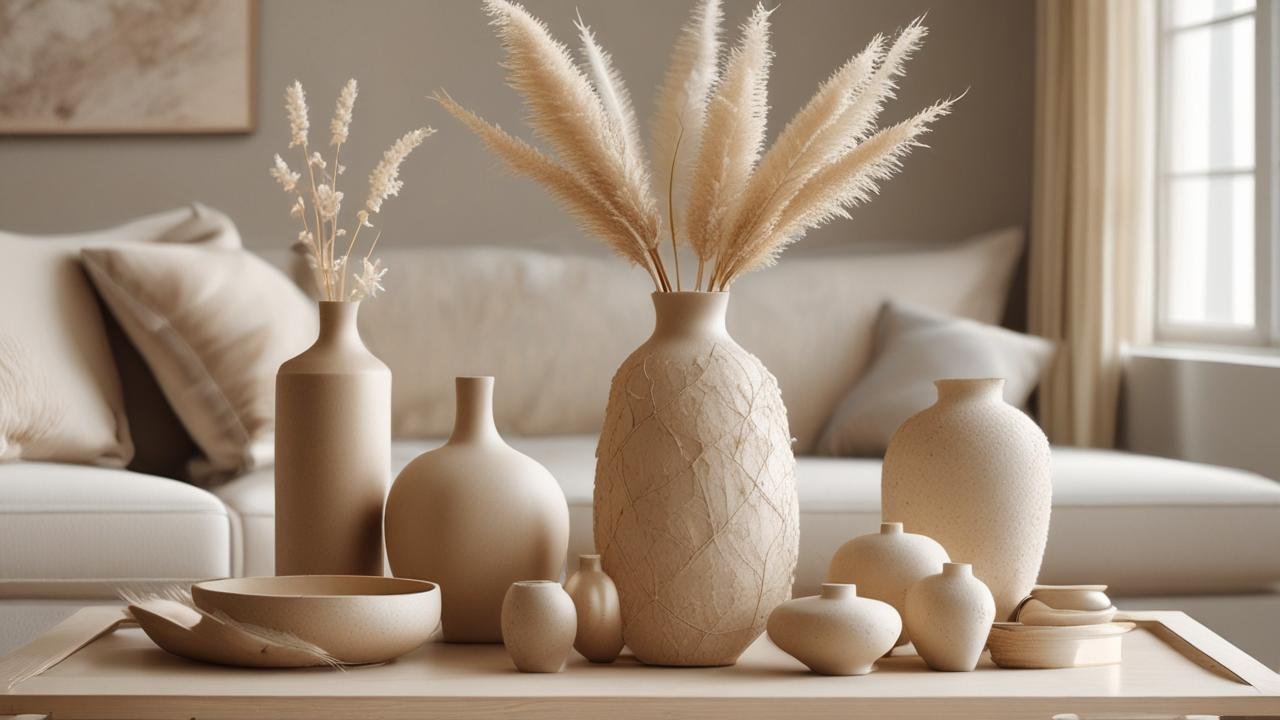
Vases in neutral colors like white, black, gray, beige, or earth tones are incredibly versatile. They act as a neutral canvas, allowing the flowers or the vase itself to stand out without clashing with your wall color, furniture, or other accessories. They are a safe and stylish choice for almost any room.
White vases can brighten a space, black vases add a modern, dramatic touch, and earthy tones bring a natural, calming feel. Their simplicity means they rarely go out of style.
-
Seamless integration: Neutral vases are easy to match with any color scheme. If you change your decor colors, your neutral vase will likely still fit in perfectly. This makes them a great long-term investment.
If you have a living room with blue and gray accents, a neutral gray vase will blend in harmoniously, enhancing the existing palette.
-
Highlighting the contents: When you want your flowers to be the absolute focus, a neutral vase is the best choice. It doesn’t compete for attention, ensuring that the beauty and color of the blooms are what draw the eye.
For a vibrant bouquet of mixed wildflowers, a simple white ceramic vase allows the riot of colors in the flowers to truly pop.
Bold Colors and Vibrant Patterns: Making a Statement
If you’re looking to add personality and flair, a vase in a bold color or with an eye-catching pattern is the way to go. These vases can be used to introduce an accent color into a room, tying together other elements of your decor. They are perfect for adding a focal point or a splash of energy.
Be mindful of the existing colors in your room. A bright teal vase might look stunning against a backdrop of warm neutrals, or it could clash if your room already features many competing colors.
-
Adding personality and vibrancy: A vase with a bright floral pattern can bring a cheerful, bohemian vibe to a room. A sleek, solid-colored vase in a jewel tone like emerald or sapphire can add a touch of luxury and drama. These pieces are conversation starters.
Imagine a sunny yellow vase on a bookshelf in a room with pale blue walls. The yellow adds a cheerful contrast that instantly brightens the corner.
-
Coordination with decor: To make a bold vase work, try to echo its color or pattern elsewhere in the room. This could be through throw pillows, artwork, or small decorative objects. This creates a sense of cohesion and ensures the vase feels like a deliberate part of the design.
If you choose a vase with a geometric pattern in shades of orange and navy, you could add orange throw pillows and a navy blue rug to tie it all together beautifully.
Where Will It Go? Vases for Specific Spots
The intended location for your vase can help narrow down your choices significantly. Different areas of your home might call for different types of vases.
Entryway Tables: Welcoming Guests
Your entryway is the first impression guests have of your home. A vase here should be welcoming and set a nice tone. For an entryway console table, a medium-sized vase with a beautiful arrangement can add immediate charm.
Consider stability, as people might brush past it.
A medium-height, sturdy ceramic or glass vase works well. It should be substantial enough to make a statement but not so large that it obstructs movement or makes it hard to place keys or mail.
-
First impression: The entryway vase is like a welcome mat for the eyes. It should convey warmth and style. Fresh flowers always add a welcoming touch, and the vase is the vessel that showcases them.
A vibrant bouquet of seasonal flowers in a clear glass vase can make guests feel instantly at home.
-
Practicality and aesthetics: It needs to look good both with and without flowers. Consider how easy it is to clean, as entryways can sometimes gather dust. A vase with a slightly wider base will be more stable in a high-traffic area.
A brushed metal vase that is easy to wipe down and has a classic shape can be both stylish and practical for an entryway.
Dining Tables: Centerpieces and Conversation
The dining table is a natural spot for a centerpiece. A vase here can enhance your dining experience and act as a focal point during meals and gatherings. For dining tables, consider height carefully.
You don’t want a vase that is too tall, blocking guests from seeing each other across the table.
Lower, wider vases or a series of smaller bud vases often work best. If you opt for a taller vase, ensure it’s slender enough not to obstruct views. The style should complement your dining room decor.
-
Enhancing mealtime ambiance: A beautiful vase arrangement can elevate the mood of a dinner party or family meal. It adds color, life, and a touch of elegance to the table setting.
A low, bowl-shaped vase filled with roses and greenery can create a beautiful and intimate atmosphere for a romantic dinner.
-
Balancing scale and function: The key is to have a vase that is impactful but doesn’t get in the way. If you use a single large vase, make sure it’s shallow enough. Alternatively, using multiple smaller vases can create visual interest without height issues.
Consider using three small, identical bud vases spaced evenly down the center of the table. This provides decorative interest without interfering with conversation.
Living Room Shelves and Sideboards: Decorative Accents
Shelves and sideboards in the living room are prime spots for decorative vases. Here, a vase can be a standalone art piece or a home for a lovely floral display. You have more freedom with size and shape, as these pieces are often viewed from a distance or as part of a larger vignette.
Think about the overall collection of items on your shelf. The vase should complement other decorative objects, books, or artwork. A mix of heights and textures can create an interesting display.
-
Creating visual interest: Vases on shelves can break up the monotony of books and picture frames. They add shape, color, and dimension to your display, making it more engaging.
A grouping of ceramic vases in varying textures and heights can add depth and character to a bookshelf.
-
Standalone beauty: Many decorative vases are beautiful enough to be admired even without flowers. Choose a vase whose form, material, and color speak to your personal style and can stand on its own as a decorative object.
An intricately patterned art glass vase can be a stunning decorative element on its own, showcasing craftsmanship and design.
Caring for Your Vase: Keeping It Lovely
To ensure your decorative vase remains a beautiful part of your home for years to come, proper care is essential. Different materials require different approaches.
-
Cleaning glass vases: For everyday cleaning, use warm water and mild soap. For stubborn water spots or mineral buildup, a solution of white vinegar and water can be effective. A bottle brush can help reach the bottom of taller vases.
Always rinse thoroughly and dry with a soft cloth to prevent water marks.
Example: To remove hard water stains from a clear glass vase, fill it with equal parts white vinegar and water. Let it sit for a few hours, then scrub gently with a soft brush and rinse well. This simple method restores clarity.
-
Cleaning ceramic and pottery: Most glazed ceramic vases can be wiped clean with a damp cloth. For tougher stains, use mild soap and water. Avoid abrasive cleaners, as they can scratch the glaze.
For unglazed pottery, be cautious with water, as it can soak in and potentially cause damage or staining. Dust regularly with a soft brush or cloth.
Scenario: You have a patterned ceramic vase that has collected dust. Gently wipe it with a dry microfiber cloth. If there are any dried-on marks, use a barely damp cloth, ensuring not to saturate the material.
-
Maintaining metal and wicker: Metal vases may require specific polish to maintain their shine, depending on the metal. Dust metal vases regularly with a soft cloth. Wicker and rattan vases should be kept dry.
Dust with a soft brush or vacuum cleaner with a brush attachment. If they get wet, dry them thoroughly immediately to prevent mold.
Metal vase care: A tarnished brass vase can be restored using a commercial brass cleaner or a homemade paste of lemon juice and baking soda. Apply, let sit briefly, then buff off with a soft cloth.
Wicker vase care: For a wicker vase with a removable plastic liner, take out the liner to clean it separately. The wicker itself can be spot-cleaned with a damp cloth if necessary, but allow it to air dry completely.
Frequently Asked Questions
Question: What is the best material for a vase if I have pets?
Answer: For homes with pets, consider sturdy materials like thick glass, heavy ceramic, or metal. These are less likely to be knocked over easily and are more resistant to scratches or damage compared to delicate glass or easily snagged wicker.
Question: How do I know if a vase is too big for my table?
Answer: A vase is too big if it visually overwhelms the space, blocks conversation, or makes the table look cramped. Measure your table and consider the vase’s height and width in proportion to the table’s dimensions.
Question: Can I use any vase for fresh flowers?
Answer: Most vases designed for flowers are waterproof, especially glass and glazed ceramic. However, unglazed pottery or some metal vases might not be watertight and may require a liner or are better suited for dried arrangements.
Question: Should the vase color match my furniture?
Answer: Not necessarily! A vase can be a complementary accent piece. Neutral colors blend in, while bold colors can add a pop of contrast.
Consider how the vase’s color will interact with your room’s overall palette.
Question: How do I arrange flowers in a vase for a modern look?
Answer: For a modern look, opt for simple, clean-lined vases like cylinders or cubes. Use a limited number of stems, perhaps just one or two striking blooms, or an arrangement with strong structural elements and negative space.
📌 Check our Pinterest Profile for more inspiration
View on PinterestFinal Thoughts
Choosing the right decorative vase is all about matching its size, material, shape, and color to your space and style. It doesn’t have to be complicated. Think about where it will go and what you want it to do.
With these simple tips, you can confidently select a vase that adds beauty and personality to your home.