Picking out the right window coverings for sliding glass doors can seem tricky at first. You want them to look good, work well, and be easy to use. Many people find the choices a bit overwhelming when they first start looking.
But don’t worry, we’re here to help make it simple! We’ll walk you through each step so you can get the perfect look and feel for your space. Let’s get started on finding the best fit for your large windows.
Key Takeaways
- You will learn the main factors to consider when selecting curtains for sliding glass doors.
- We will cover different types of curtain styles that work well for large glass areas.
- You will discover the best fabric choices and how they affect light, privacy, and insulation.
- We’ll explain how to measure your doors correctly for the perfect curtain fit.
- You will find out about different hanging hardware options and their pros and cons.
- Tips for choosing colors and patterns that match your room’s decor will be shared.
Finding the Perfect Curtains: What to Look For
When you are looking for How to Choose Curtains for Sliding Glass Doors, there are a few important things to think about. These large doors let in lots of light and connect your indoor space to the outdoors. So, the curtains you pick need to do more than just look pretty.
They should also help control light, offer privacy when you need it, and maybe even keep your home warmer in winter and cooler in summer. Plus, they need to be easy to open and close so you can use your doors without a hassle.
Light Control and Privacy Needs
Think about how much light you want in your room. Do you like a bright space, or do you prefer it a bit darker? Curtains can help with this.
Some fabrics block out almost all the sun, which is great for watching movies or if you have sensitive furniture. Other curtains let in soft, diffused light, making the room feel airy.
Privacy is another big factor, especially if your doors face a busy street or a neighbor’s yard. You might want curtains that give you full privacy at night but can be opened easily during the day to enjoy the view. Blackout curtains offer the most privacy and light blocking, while sheer curtains offer minimal privacy but let in the most light.
- Blackout Curtains: These are made with a special lining or tightly woven fabric to block nearly 100% of light. This is ideal for bedrooms or media rooms where darkness is desired. They also add a good layer of insulation.
- Room Darkening Curtains: These block a significant amount of light, perhaps 80-90%, but not as much as true blackout curtains. They can be a good compromise for living areas.
- Light Filtering Curtains: These curtains soften the sunlight, reducing glare but still allowing some light to enter. They offer moderate privacy.
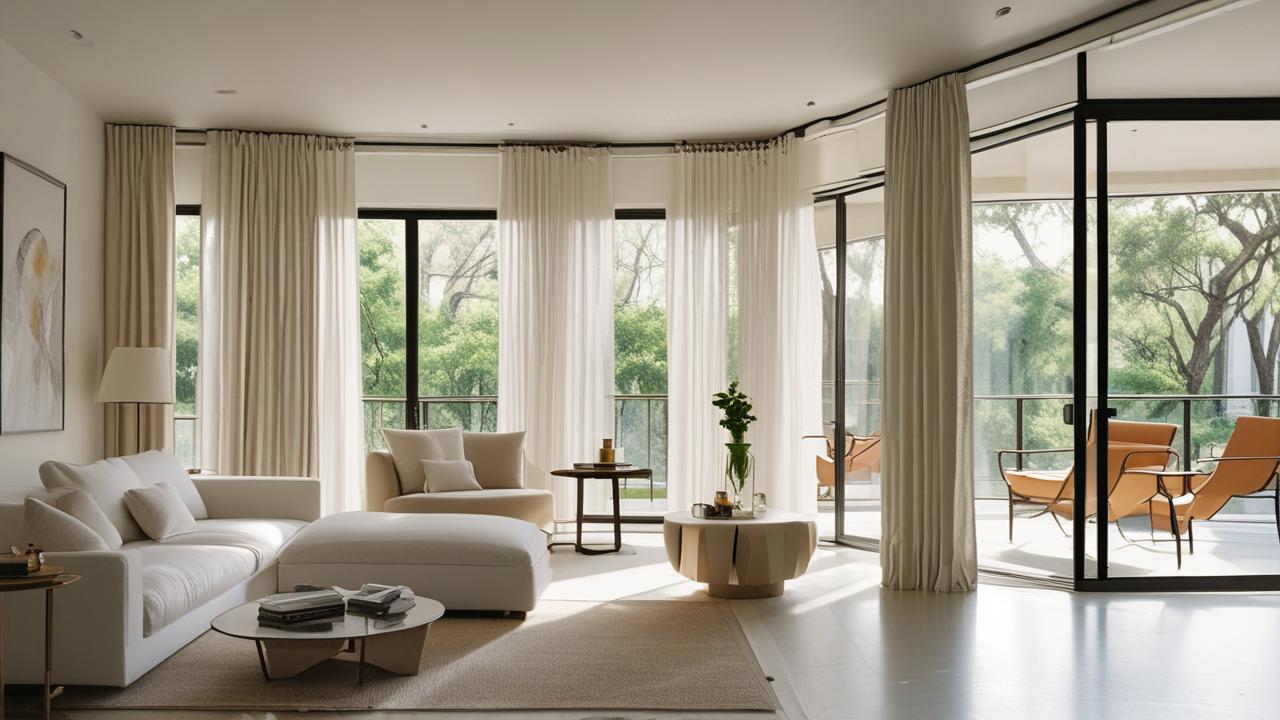
- Sheer Curtains: These are very lightweight and see-through. They offer very little privacy and light blocking but add a decorative touch and can diffuse light gently.
Energy Efficiency and Insulation
Sliding glass doors can sometimes let drafts in during the winter or let heat escape. The right curtains can help. Thicker fabrics and those with thermal linings can act like an extra layer of insulation for your doors.
This can help keep your home warmer when it’s cold outside and cooler when it’s hot. It’s a simple way to make your home more comfortable and can even help you save money on energy bills.
Consider materials like heavy linen, velvet, or specially made thermal fabrics. Even layering curtains, like using sheer curtains underneath heavier drapes, can provide better insulation. This dual-layer approach allows you to control light and privacy throughout the day while adding an energy-saving benefit.
- Thermal-Lined Curtains: These curtains have an extra layer sewn into them specifically designed to reflect heat. This keeps heat inside during colder months and outside during warmer months.
- Heavyweight Fabrics: Materials like velvet, thick cotton, or dense polyester blends naturally offer better insulation due to their weight and weave.
- Layering: Combining sheer curtains with heavier drapes provides flexibility. You can use the sheer for daytime privacy and the heavier drapes for insulation and light blocking when needed.

Choosing the Right Curtain Style for Your Sliding Doors
The type of curtain you choose makes a big difference in how your doors look and how easy they are to use. Because sliding glass doors are large and used frequently for entry and exit, the style needs to be both practical and attractive. We will look at different styles that work best for these big openings.
Panel Curtains
Panel curtains are the most common choice for sliding glass doors. They hang as one or two large pieces that slide open and closed. This style is simple, elegant, and very functional.
You can have them as a single panel that opens from one side, or as two panels that meet in the middle. This makes it easy to access your doors.
Panel curtains are also versatile in terms of fabric and design. You can find them in almost any material, color, or pattern. They can be hung to cover the entire door or just a portion, depending on your needs for light and privacy.
The ease of operation makes them a popular choice for busy households.
- Single Panel: A single large curtain panel that slides open from one side. This is great if you don’t need to open the door all the way often.
- Split Panel: Two curtain panels that meet in the center when closed and slide open to each side. This is the most common and practical option for sliding doors.
- Length: Panels can be floor-length for a dramatic look or just long enough to cover the door itself.
Curtains with Grommets
Grommet curtains have metal rings (grommets) sewn into the top edge of the fabric. These rings then slide easily onto a curtain rod. This makes opening and closing your curtains a breeze.
The grommets also give the curtains a modern, clean look that fits well with many decor styles.
Because the grommets are evenly spaced and the fabric hangs in neat pleats, grommet curtains tend to look very polished. They are a great choice if you want a sophisticated appearance without a lot of fuss. They are also easy to install and maintain.
The smooth sliding action is a big plus for large doors that get used a lot.
- Ease of Use: The metal rings allow the curtains to glide smoothly along the rod, making them easy to open and close.
- Modern Aesthetic: Grommets provide a neat, tailored look with consistent pleating, adding a stylish touch to the room.
- Installation: They are simple to hang on a rod, requiring no special hooks or rings.
Rod Pocket Curtains
Rod pocket curtains have a channel or pocket sewn into the top where you can slide the curtain rod directly through. This creates a gathered or ruffled look at the top. While they can be beautiful, they can sometimes be a bit harder to slide open and closed, especially on very wide doors.
You might need to use a wand to help pull them.
If you prefer a softer, more casual look, rod pocket curtains can be a good choice. However, for sliding glass doors that are opened and closed frequently, the friction of the fabric against the rod can make them less practical. It’s important to consider how often you’ll be moving the curtains when deciding on this style.
- Gathered Look: Creates a fuller, more casual appearance due to the fabric being gathered on the rod.
- Fabric Wear: Frequent sliding can cause wear and tear on the fabric in the rod pocket.
- Operation: Can be more difficult to slide compared to grommet or ring-top curtains, potentially requiring a pull wand.
Traverse Rod Curtains
Traverse rods are a very practical option for sliding glass doors. They have a built-in cord system that allows you to open and close the curtains smoothly with just a pull of the cord. This is ideal for very wide curtains or when you want the easiest possible operation.
Traverse rods come in different types, including manual and motorized versions. Manual rods are cost-effective and easy to install. Motorized rods offer the ultimate convenience, allowing you to open or close your curtains with a remote control or even a smartphone app.
This is a fantastic solution for hard-to-reach doors or for adding a touch of modern luxury.
- Cord Operation: The internal cord system ensures smooth, effortless opening and closing of even heavy curtains.
- Convenience: Ideal for very wide doors where manual operation might be challenging.
- Motorized Options: Advanced systems offer remote control or smart home integration for ultimate ease.
Selecting the Best Fabrics for Your Sliding Door Curtains
The fabric of your curtains plays a huge role in how they look, feel, and perform. For sliding glass doors, you’ll want materials that are durable, hang well, and meet your needs for light, privacy, and insulation. Let’s explore some popular fabric choices and what makes them suitable.
Cotton and Linen
Cotton and linen are natural fabrics that are very popular. Cotton is soft, breathable, and comes in many weights. It can be easily dyed in a wide range of colors and patterns.
Linen has a beautiful, slightly textured look that adds a touch of elegance to any room. Both are good for filtering light and can provide a decent amount of privacy, especially in heavier weaves.
However, pure cotton and linen can wrinkle easily and may shrink when washed. They are also not the best at blocking out light or providing significant insulation on their own. For better performance, you might consider cotton or linen blends, or add a separate lining for added benefits.
- Natural Look: Both offer a classic, appealing aesthetic that fits many decor styles.
- Breathability: Good for air circulation.
- Maintenance: Can be prone to wrinkling and may require professional cleaning for some types.
Polyester Blends
Polyester blends are a very practical choice for curtains. They are durable, resist wrinkles, and are less likely to fade from sunlight compared to natural fibers. Blends can mimic the look of linen or cotton while offering better performance and easier care.
They are also often more affordable.
Polyester curtains are easy to clean and can be found in a vast array of colors, textures, and patterns. Many modern polyester fabrics are engineered to be light-filtering, room-darkening, or even blackout, offering excellent versatility for sliding glass doors. They are a great option for busy homes or areas with high sun exposure.
- Durability: Resists stretching, shrinking, and wrinkles.
- Colorfastness: Holds color well against sunlight.
- Versatility: Available in many styles, from sheer to blackout, and often more budget-friendly.
Velvet
Velvet is a luxurious fabric known for its soft, plush texture and rich appearance. It hangs beautifully and adds a sense of opulence to a room. Velvet curtains are excellent at blocking light and providing insulation, making them a great choice for both privacy and energy efficiency.
Their weight helps to dampen sound as well.
Due to their thickness and density, velvet curtains offer superb light blocking capabilities. They are also excellent at trapping heat, making them a valuable asset for insulating your sliding glass doors against cold drafts. The downside is that velvet can be more expensive and may require professional cleaning.
It can also be heavier, so ensure your curtain rod and hardware can support the weight.
- Luxurious Feel: Adds a touch of elegance and comfort to the room.
- Excellent Light Blocking: Offers superior privacy and darkness.
- Insulation: Provides significant thermal and sound dampening properties.
Blackout and Thermal Fabrics
These are often special engineered fabrics or linings designed for specific functions. Blackout fabrics are designed to prevent light from passing through. Thermal fabrics have an insulating layer, often made of acrylic foam or a reflective material, that helps regulate room temperature.
Many curtains are made with these features built-in, or you can add a separate thermal or blackout liner to your existing curtains.
When shopping for curtains for your sliding glass doors, look for labels that indicate “blackout” or “thermal.” These features are particularly beneficial for large glass areas that can be sources of heat loss or gain. They can significantly improve your home’s energy efficiency and create a more comfortable living environment. It’s a smart investment for any home.
- Functional Performance: Specifically designed to block light and/or insulate against temperature changes.
- Energy Savings: Help reduce heating and cooling costs.
- Comfort: Contribute to a more comfortable and consistent room temperature.
Measuring Your Sliding Glass Doors for Curtains
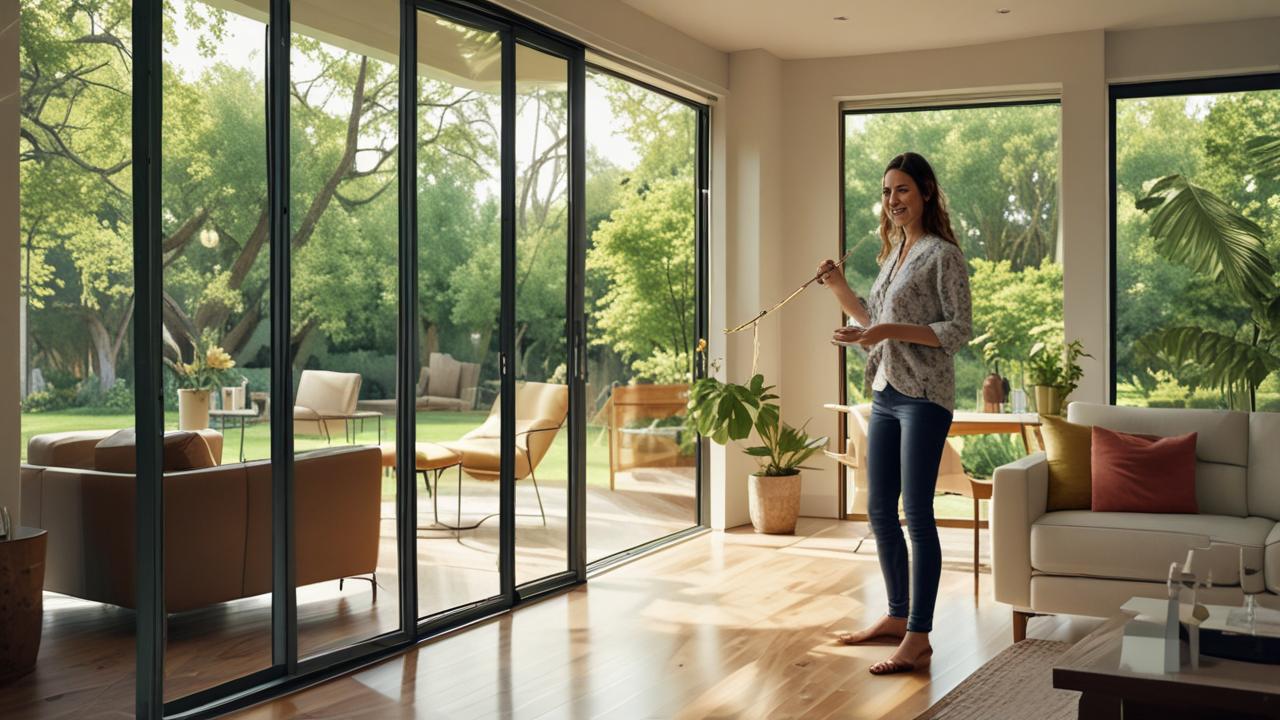
Getting the measurements right is super important to ensure your curtains look and function perfectly. Measuring correctly means your curtains will hang beautifully, provide the right amount of coverage, and operate smoothly. It’s not as hard as it might seem, and we’ll go through it step-by-step.
Width Measurement
For the width, you’ll want to measure the width of the area you want to cover. This usually means measuring the width of the sliding door frame itself. If you want the curtains to look fuller and to have extra fabric to stack to the sides when open, you’ll want to add extra width.
A good rule of thumb is to multiply the width of your door opening by 1.5 to 2. This creates a luxurious, gathered look when the curtains are closed and ensures they don’t look skimpy when pulled to the sides.
For example, if your sliding door is 80 inches wide, you might want curtains that are anywhere from 120 inches (80 x 1.5) to 160 inches (80 x 2) total width when both panels are combined. This fullness is what makes curtains look rich and allows them to cover the door completely without stretching the fabric taut. If you’re using two panels, divide this total width by two for each panel.
- Measure the Door Frame: Use a tape measure to find the exact width of the opening.
- Add Fullness: Multiply the door frame width by 1.5 to 2 for a fuller appearance.
- Calculate Panel Widths: If using two panels, divide the total desired width by two.
Length Measurement
For the length, you have a few options depending on the look you want. The most common is to hang curtains that just brush the floor. To measure for this, start at the point where the curtain rod will be installed and measure down to where you want the curtain to end, typically about half an inch from the floor.
This prevents the curtains from dragging or getting dirty.
Another popular option is to have your curtains “puddle” on the floor. This means they are several inches longer than needed, creating a soft, romantic drape on the floor. This style is more for decorative purposes and is best for rooms where the doors are not opened and closed frequently.
For sliding doors, floor-length or just-above-floor-length is usually the most practical choice.
- Floor-Length: Measure from the rod to about 0.5 inches above the floor for a clean look.
- Puddling: For a romantic look, add 4-8 inches to the floor-length measurement.
- Consider Clearance: Make sure the curtains won’t interfere with door operation or any nearby furniture.
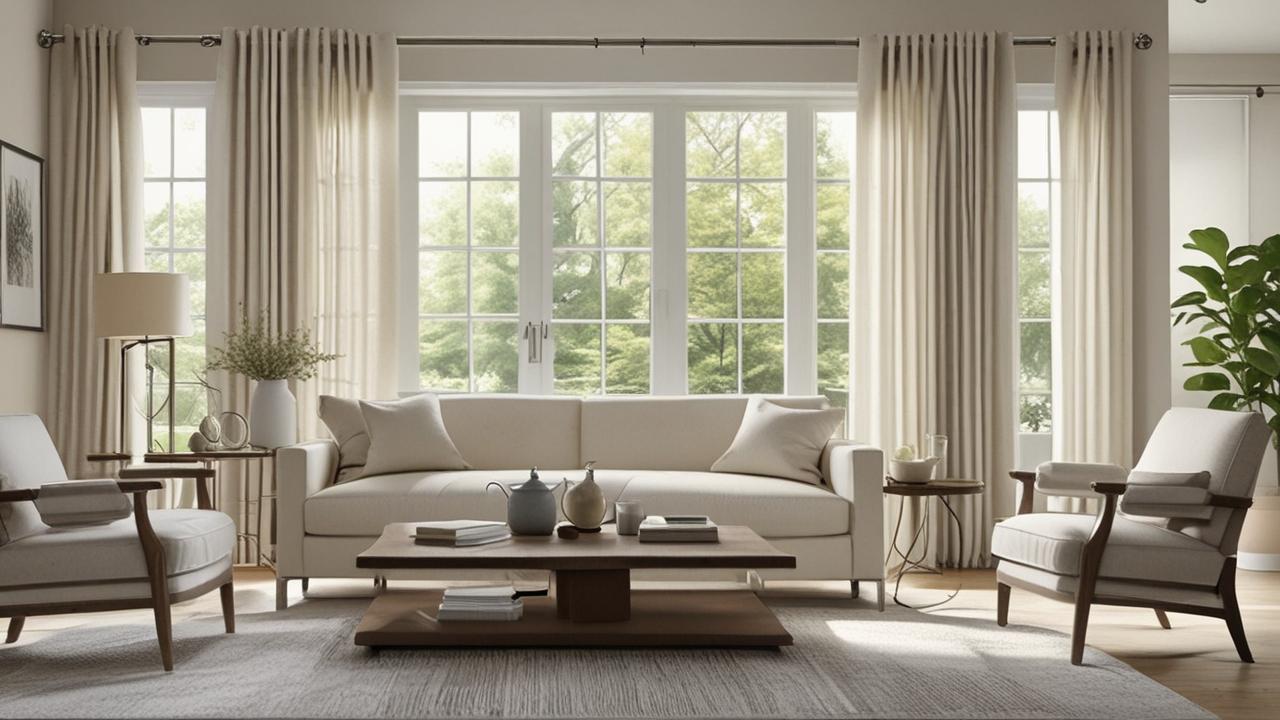
Choosing Curtain Hardware and Hanging Methods
The hardware you choose is just as important as the curtains themselves. It needs to be strong enough to hold your curtains and allow them to slide easily. The style of hardware can also add to the overall look of your window treatment.
Curtain Rods
For sliding glass doors, you’ll typically want a sturdy curtain rod that spans the width of the door frame and possibly extends beyond it if you want the curtains to stack fully off the glass. Diameter matters; thicker rods are better for heavier fabrics like velvet or blackout curtains. Look for rods designed for wide spans or consider a traverse rod system.
The finish of the rod is also a design choice. Common options include brushed nickel, oil-rubbed bronze, black, or polished chrome. These finishes can complement your room’s decor.
Ensure the rod comes with strong brackets that can be securely mounted to your wall to support the weight of the curtains, especially for larger panels.
- Material and Diameter: Choose a rod strong enough for your curtain fabric; thicker rods suit heavier materials.
- Length: Ensure it covers the width of your door plus enough for stacking, or consider an extra-wide rod.
- Finish: Select a finish that matches your room’s style, like metal or wood tones.
Traverse Rods and Systems
As mentioned before, traverse rods are excellent for sliding doors. They use a pulley system with a cord or wand to open and close the curtains smoothly. This is incredibly practical for large, heavy panels that you’ll be moving often.
They offer excellent control and are very durable.
Manual traverse rods are a standard choice, but motorized options are also available. These can be controlled with a remote, a wall switch, or even integrated into smart home systems. For a large sliding door that you use frequently, a traverse rod system can be a worthwhile investment for convenience and ease of use.
It makes operating your curtains feel effortless.
- Smooth Operation: The cord or wand system allows easy opening and closing of curtains.
- Durability: Built to handle frequent use and heavier curtain weights.
- Motorization: Smart options offer remote or app control for ultimate convenience.
Mounting Brackets
The brackets are what hold the curtain rod to the wall. For sliding glass doors, you’ll need strong brackets that can handle the weight and span of the rod. Make sure they are installed into wall studs or use heavy-duty wall anchors if studs are not available.
This is crucial for safety and to prevent the rod from pulling away from the wall.
The number of brackets needed depends on the length of your rod and the weight of your curtains. Longer rods and heavier fabrics will require more brackets to distribute the weight evenly. Always follow the manufacturer’s instructions for installing brackets to ensure a secure and stable mounting.
Proper installation is key to the longevity of your curtain setup.
- Strength: Must securely support the weight of the rod and curtains.
- Placement: Install into wall studs for maximum support, or use appropriate anchors.
- Quantity: Use enough brackets for the rod’s length and curtain weight to prevent sagging.
Adding Style: Colors, Patterns, and Embellishments
Once you have the functional aspects covered, it’s time to think about making your curtains look great. The colors, patterns, and any extra details you choose can really tie your room’s design together and add personality.
Color Coordination
When choosing colors, think about your existing decor. Do you want the curtains to blend in or stand out? Neutral colors like beige, grey, or white are versatile and work with almost any color scheme.
They can make a room feel calm and spacious.
If you want to add a pop of color, consider shades that complement your furniture or accent pieces. For example, if you have blue pillows, blue curtains can tie the room together. Darker colors can make a room feel cozier, while lighter colors can make it feel more open and airy.
Always get fabric swatches to see how the color looks in your room’s natural light.
- Neutral Tones: Beige, cream, grey, and white offer a timeless look and complement most decors.
- Accent Colors: Choose colors that match or complement existing furniture, rugs, or art for a cohesive feel.
- Light vs. Dark: Lighter colors can make a space feel larger; darker colors can create a more intimate atmosphere.
Pattern Choices
Patterns can add visual interest and personality to your space. Stripes can make a ceiling look higher, while floral patterns can add a touch of softness. Geometric patterns can offer a modern, clean look.
When selecting patterns, consider the scale of your room and the other patterns already present.
If your room has a lot of busy patterns in furniture or rugs, it might be best to choose solid-colored curtains or a very subtle pattern. Conversely, if your room is mostly solid colors, a bolder pattern can be a great focal point. Ensure the pattern style matches the overall mood you want to create in the room.
- Stripes: Can visually elongate a room or draw the eye upwards.
- Florals/Botanicals: Add a natural, softer, or more traditional feel.
- Geometric: Offer a modern, structured, or contemporary aesthetic.
- Scale: Match the pattern size to the room’s overall size to avoid overwhelming the space.
Embellishments and Trims
You can also add extra flair with embellishments like tie-backs, decorative tassels, or unique trims along the edges of the curtains. These small details can elevate the look of your curtains and add a personalized touch. For sliding glass doors, keep embellishments practical so they don’t interfere with opening and closing the curtains.
For instance, elegant tie-backs can hold your curtains neatly to the sides when you want to let in maximum light and enjoy the view. Tassels or fringe can add a touch of old-world charm or bohemian flair, depending on the style. Always consider how these additions will affect the drape and movement of the curtains.
- Tie-Backs: Functional and decorative elements to hold curtains open.
- Tassels and Fringe: Add texture and style along the edges or bottom of the curtains.
- Rings and Grommets: Can come in decorative finishes to enhance the hardware’s appearance.
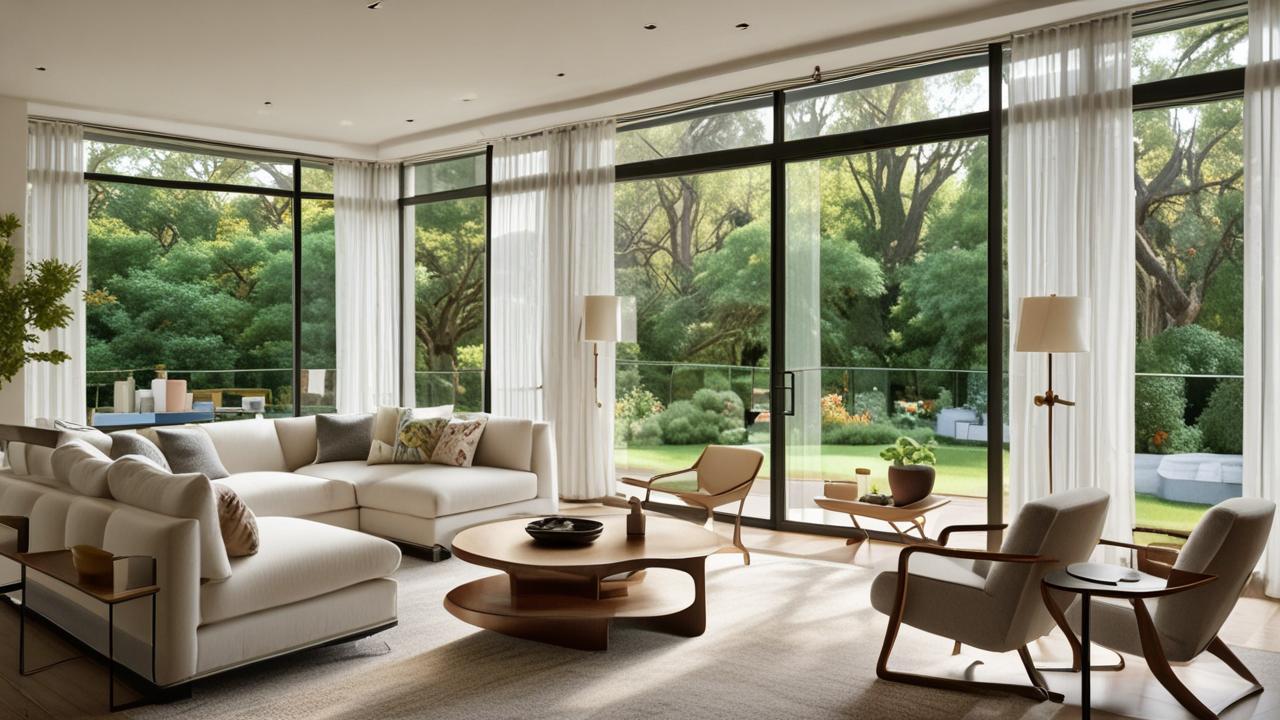
Real-Life Examples and Scenarios
Let’s look at how these tips apply in real situations to help you visualize the best choices for your home.
Scenario 1: A Bright Living Room Needing Privacy
Imagine a living room with a large sliding glass door that opens to a patio. The room gets a lot of afternoon sun, making it bright but sometimes too glaring. The house also faces the street, so privacy is needed in the evenings.
For this situation, light-filtering linen blend curtains in a neutral grey would be a great choice. They would soften the sunlight during the day, creating a pleasant ambiance. For privacy in the evenings, they could be layered with a separate set of blackout liners that attach to the back of the linen panels.
This way, the decorative linen panels remain visible, but the blackout liners provide complete privacy and block out the light when needed. A sturdy traverse rod would ensure easy operation.
- Choose light-filtering linen blend curtains in grey for daytime softness.
- Add removable blackout liners for evening privacy and light blocking.
- Install a durable traverse rod for smooth operation on the large door.
Scenario 2: A Modern Bedroom with Energy Efficiency Needs
Consider a bedroom with a sliding glass door leading to a balcony. The room needs to be kept dark for sleeping, and the homeowner wants to reduce heat transfer from the large glass area, especially during hot summers and cold winters.
In this case, a pair of thick, dark blue velvet blackout curtains would be ideal. Velvet offers a luxurious feel and excellent light-blocking capabilities. The density of the fabric also provides significant insulation, helping to keep the room cooler in summer and warmer in winter.
Choosing a deep color like navy blue can also add a sense of calm and sophistication to the bedroom decor. Ensure the rod is strong enough for the heavy velvet.
- Select heavy velvet blackout curtains in a dark color like navy blue.
- These curtains will provide complete darkness for sleeping and excellent insulation.
- Use a robust curtain rod to support the weight of the velvet fabric.
Frequently Asked Questions
Question: How wide should my curtains be for sliding glass doors?
Answer: For a full and attractive look, it’s recommended that the total width of your curtains (when both panels are combined) be 1.5 to 2 times the width of your sliding door opening.
Question: Can I use regular curtains on sliding glass doors?
Answer: Yes, you can, but it’s best to choose styles and hardware designed for larger openings, like traverse rods, and ensure the fabric weight is appropriate.
Question: How do I clean velvet curtains?
Answer: Velvet curtains often require professional dry cleaning to maintain their texture and prevent damage. Always check the care label.
Question: Should my curtains touch the floor?
Answer: For sliding glass doors, curtains that just brush the floor (about half an inch from the ground) are practical. Curtains that puddle on the floor are more decorative and can be a tripping hazard.
Question: What is the best fabric for blocking sunlight on sliding glass doors?
Answer: Blackout fabrics or heavy materials like velvet are the most effective at blocking sunlight and providing darkness.
📌 Check our Pinterest Profile for more inspiration
View on PinterestFinal Thoughts
Choosing curtains for sliding glass doors involves balancing style and function. By considering light needs, privacy, energy efficiency, and practical operation, you can find the perfect fit. Simple measurements and the right hardware make a big difference.
With these steps, you can confidently select curtains that enhance your home.