Thinking about decorating your bedroom walls can feel a bit overwhelming at first. You want your space to look good, but you’re not sure where to start. It’s a common feeling when you’re new to this.
Picking out art or other things to hang can be tricky. But don’t worry! We’ll walk through How to Choose Wall Decor for a Bedroom with easy steps.
We’ll cover simple ideas that make your room feel just right.
Key Takeaways
- You will learn to match wall decor to your bedroom’s style.
- Discover how to pick colors that work well together.
- Understand the importance of size and scale for wall art.
- Find out how to use different types of wall decor beyond just pictures.
- Learn to create a calming or energetic mood with your decor.
- Get tips on how to arrange decor for the best look.
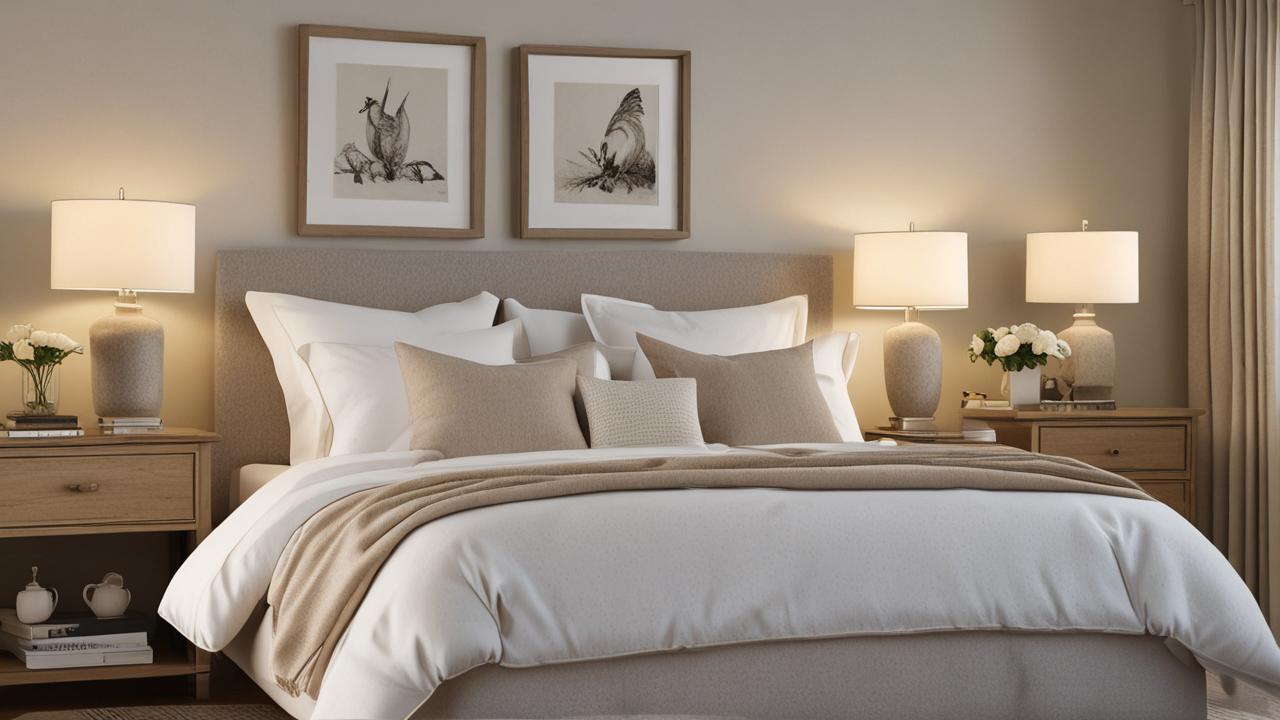
Getting Started with Bedroom Wall Decor Ideas
Choosing wall decor for your bedroom might seem like a big task, especially when you’re starting from scratch. Many beginners find it hard to know what fits their personal taste and the room’s vibe. The goal is to make your bedroom a peaceful retreat, a place where you feel happy and relaxed.
This section will help you understand the basics, like figuring out your style and the mood you want to create.
Finding Your Bedroom’s Style
Your bedroom is your personal space, so the decor should reflect you. Think about the kind of feeling you want when you walk in. Do you like things to be clean and simple, or do you prefer a cozy, warm feeling?
Consider styles like modern, minimalist, bohemian, traditional, or farmhouse. Each style has its own look and feel. Modern styles often use clean lines and neutral colors.
Bohemian styles are more free-spirited, with lots of textures and colors. Traditional decor might include classic furniture and art pieces. Farmhouse style brings in natural elements and a rustic charm.
Knowing your style helps narrow down your choices. It makes the process of picking out wall art and other decorations much easier. You can look at pictures online or in magazines for inspiration.
What catches your eye? What makes you feel good?
Here are some style ideas to think about:
- Modern: Clean lines, neutral palettes, geometric shapes. Think metal, glass, and smooth finishes.
- Bohemian (Boho): Eclectic, colorful, textured. Lots of plants, macrame, and global patterns.
- Minimalist: Simple, uncluttered, functional. Focus on a few key pieces and lots of open space.
- Traditional: Classic furniture, rich colors, ornate details. Often includes framed art and antique-looking items.
- Farmhouse: Cozy, rustic, natural. Wood accents, vintage finds, and soft, earthy tones.
Picking a style doesn’t mean you can’t mix things up a little. It’s more about having a direction. This makes your choices feel more connected and intentional.
Setting the Mood
The mood of your bedroom is very important. Is it a place for calm and rest, or do you want it to feel a bit more energetic and inspiring? The wall decor plays a big role in this.
For a calm and relaxing mood, think about soft colors like blues, greens, and gentle grays. Artwork with nature scenes, abstract pieces with soft gradients, or calming quotes can work well. Avoid anything too busy or with harsh contrasts.
If you want a more energetic or inspiring space, you can use brighter colors or bolder art. Think about pieces that make you feel motivated or happy. This could be vibrant abstract art, travel photos, or anything that sparks joy.
Just be careful not to make it too distracting if you need the room for sleep.
A 2018 study by the University of Exeter found that rooms with art that evokes positive emotions can significantly improve well-being. This shows how much art can impact how you feel in your space. About 65% of people surveyed reported feeling more relaxed after viewing art that matched their personal preferences.
Consider the purpose of your bedroom. If it’s primarily for sleep, lean towards calming decor. If it’s also a space for reading, hobbies, or work, you might want a touch more vibrancy.
It’s all about balance.
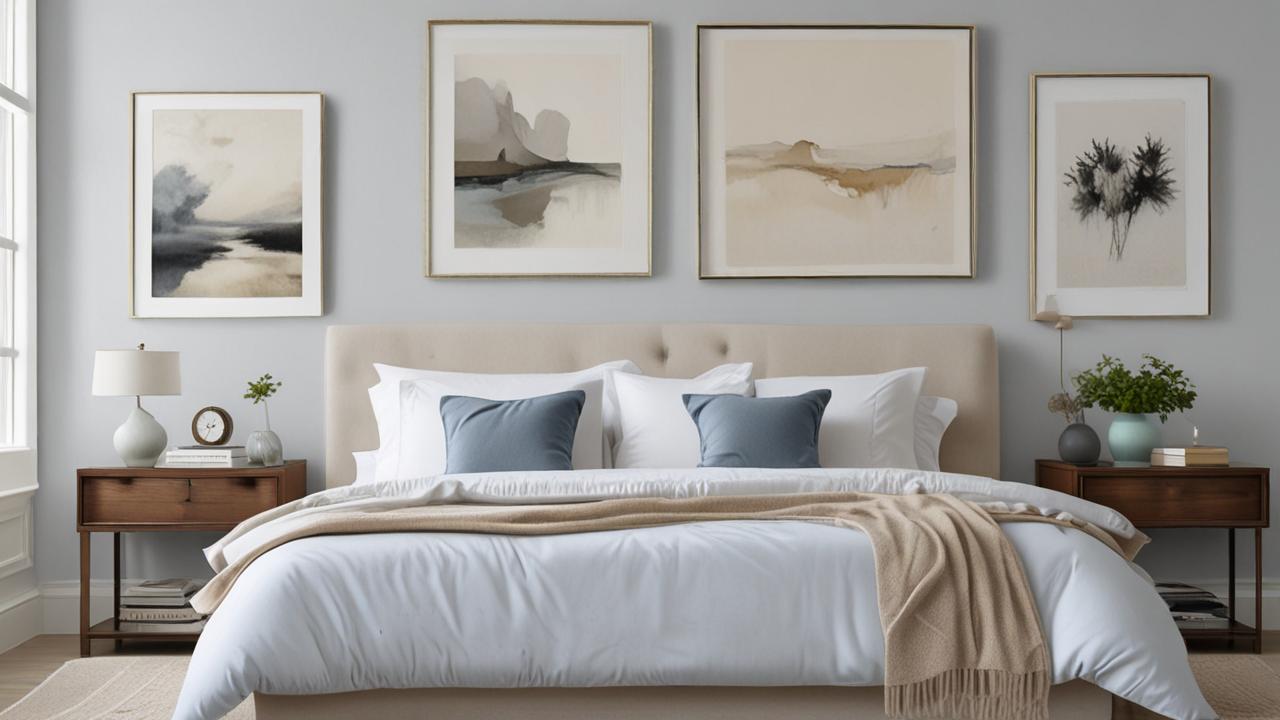
Choosing the Right Colors and Artwork
Color is a powerful tool in interior design, and it’s no different for your bedroom walls. The colors you choose for your decor can affect your mood and the overall feel of the room. Artwork often brings in these colors, tying the whole look together.
Let’s explore how to pick colors and artwork that complement each other and your personal style.
Color Palettes for Your Walls
When selecting wall decor, consider the existing colors in your bedroom. You can either match the colors of your art to your walls and furniture, or you can use the decor to introduce accent colors.
Neutral palettes, like whites, grays, beiges, and soft blues, create a sense of calm. These colors are very forgiving and make it easy to add pops of color through art. For example, a large abstract painting with vibrant blues and yellows can stand out beautifully against a soft gray wall.
Warmer colors, such as soft oranges, yellows, or even muted pinks, can make a bedroom feel cozier and more inviting. If your room has cooler tones, introducing warmer colors in your artwork can create a nice balance. Think about adding a piece with warm wood tones or earthy reds.
The key is to create harmony. Your wall decor shouldn’t clash with your bedding, curtains, or paint color. If you have a lot of busy patterns, opt for simpler art.
If your room is mostly solid colors, you can be more adventurous with patterned or textured art.
A popular approach is the 60-30-10 rule. Use your main color for about 60% of the room, a secondary color for 30%, and an accent color for 10%. Your wall decor can be a great place to introduce your accent color, making it a focal point.
Selecting Artwork That Speaks to You
Choosing artwork is personal. It’s about finding pieces that you love to look at. Don’t feel pressured to buy what’s trending.
Your bedroom should be a reflection of your personality.
Consider different types of art: paintings, prints, photographs, illustrations, or even textiles. The medium can also affect the mood. A soft watercolor might feel more calming than a bold oil painting.
When looking at art, think about the subject matter. Landscapes, portraits, abstract designs, or still life all create different feelings. Nature scenes are often chosen for bedrooms because they can be very peaceful.
A study in the Journal of Environmental Psychology found that viewing images of nature can reduce stress and improve mood. This makes nature-themed art a popular choice for creating a relaxing bedroom environment.
If you have a specific theme in mind for your bedroom, like travel, find art that complements it. This could be photos from places you’ve visited or art inspired by different cultures.
Here are some popular artwork themes for bedrooms:
- Nature Scenes: Forests, mountains, oceans, or serene gardens.
- Abstract Art: Can add color and texture without being too literal. Look for pieces with soft colors or calming patterns.
- Photography: Black and white photos, cityscapes, or personal travel pictures.
- Botanical Prints: Delicate illustrations of plants and flowers can add a touch of nature.
- Quotes or Typography: Inspiring or calming words can add a personal touch.
Don’t be afraid to mix and match. You can have a gallery wall with different types of art, as long as there’s a unifying element, like a color scheme or frame style.
Understanding Art Scales and Dimensions
The size of your artwork matters a lot. A tiny picture on a huge wall can look lost, while a massive piece in a small room can feel overwhelming. This is where scale and proportion come into play.
For a large blank wall above a bed or a dresser, consider a larger statement piece. This could be a single, oversized canvas or a collection of smaller pieces arranged together.
A good rule of thumb is that artwork should be about two-thirds the width of the furniture it’s above. For example, if your bed is 6 feet wide, the artwork above it should be around 4 feet wide.
For smaller walls or areas, like beside a nightstand or in a corner, smaller pieces work best. You can hang a single small print or create a cluster of several small frames.
When planning a gallery wall, arrange the pieces on the floor first to get a feel for the layout. Make sure the overall size of the arrangement fits the wall space appropriately. The center of the artwork should generally be at eye level, about 57-60 inches from the floor.
Consider the height of your ceilings too. If you have high ceilings, you might be able to go a bit larger or hang pieces slightly higher. For lower ceilings, keeping art at a more standard eye level can make the room feel more spacious.
Here’s a simple guide for artwork size:
| Wall Space | Recommended Artwork Size | Examples |
|---|---|---|
| Above a Queen Bed (60″ wide) | 40-50″ wide | One large canvas, or a triptych (three panels) around 15-20″ each. |
| Above a Sofa/Dresser (72″ wide) | 48-55″ wide | A large framed print, or a set of two medium-sized pieces. |
| Small Accent Wall or Beside a Nightstand | 8-12″ wide | A single framed photo or a small collection of three mini prints. |
It’s also important to think about the visual weight of the art. A dark, bold piece can feel heavier than a light, airy one, even if they are the same size. Balance these visual weights within your room.
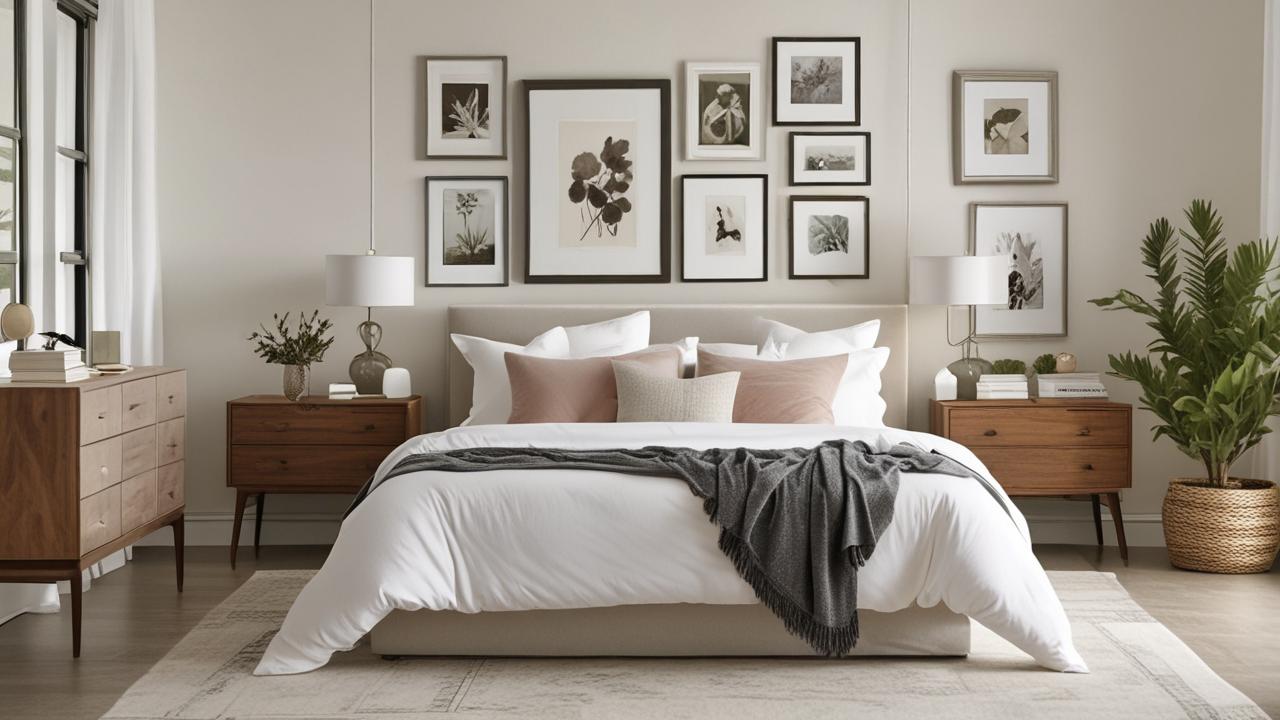
Exploring Different Types of Wall Decor
When you think about wall decor, pictures and paintings are usually the first things that come to mind. But there are so many other creative options! Adding variety can give your bedroom more character and texture.
This section looks at different ways to decorate your walls beyond just framed art.
Beyond Paintings: Prints, Photos, and Posters
Prints, posters, and photographs are popular and often more affordable ways to bring art into your bedroom. They come in countless styles, from fine art reproductions to personal vacation photos.
Prints are copies of original artworks. They can be giclée prints for high quality, or more common lithograph prints. They offer a way to have beautiful art at a lower cost.
Posters are usually mass-produced and can feature anything from movie scenes to abstract designs. They are a great way to add a splash of color or a personal interest to your walls, especially if you’re on a budget.
Photographs are deeply personal. You can frame pictures you’ve taken yourself, or prints from professional photographers. Black and white photos often lend a sophisticated and timeless feel to a bedroom.
Color photos can bring vibrancy and memories to life.
When choosing prints, photos, or posters, consider the framing. The frame can significantly impact the final look. A simple black or white frame offers a modern feel, while a more ornate or wooden frame can suit traditional or rustic styles.
Many online retailers and even local shops offer custom framing services. This allows you to match the frame perfectly to your decor. Some people also choose to use floating shelves to display smaller framed photos or prints, adding a layered look.
A survey by a home decor site found that 45% of homeowners prefer framed prints or photos for their bedroom walls, citing versatility and cost-effectiveness. About 20% also enjoy using posters for their ability to express personal interests.
Here are some ideas for using prints, photos, and posters:
- Create a gallery wall of personal travel photos.
- Use a large, striking poster as a focal point above your bed.
- Frame a set of vintage botanical prints for a classic look.
- Mix and match different sizes and styles of prints and photos for an eclectic feel.
Adding Texture and Dimension: Mirrors, Tapestries, and Shelving
Texture and dimension can make your walls more interesting and inviting. These elements add depth and character that flat art alone might not provide.
Mirrors are fantastic for bedrooms. They reflect light, making the room feel bigger and brighter. A large mirror can be a statement piece, while a collection of smaller mirrors can create a decorative effect.
Consider the shape and frame of the mirror. An ornate, gilded mirror can add a touch of glamour. A simple, frameless mirror offers a clean, modern look.
Placing a mirror opposite a window can really amplify the natural light.
Tapestries are woven cloths that can add a lot of warmth, color, and pattern to a wall. They can cover a large area and create a cozy, bohemian, or even dramatic effect. They are also good for absorbing sound, which can make a bedroom quieter.
Tapestries come in a huge variety of designs, from intricate patterns to nature scenes. They can be hung easily with curtain rods or clips, making them a versatile decor option.
Shelving offers both decorative and practical benefits. You can display small plants, books, photos, or decorative objects on shelves. Floating shelves provide a clean, modern look, while rustic wooden shelves can add warmth and character.
Arrange items on shelves thoughtfully. Grouping items by color or theme can create a more organized and visually appealing display. Don’t overcrowd the shelves; negative space is important for a balanced look.
Here are some benefits of using these textured elements:
- Mirrors: Enhance light, create an illusion of space, and can serve as a decorative frame.
- Tapestries: Add warmth, color, pattern, and sound absorption. They can cover large wall areas easily.
- Shelving: Provide display space for personal items, plants, and books, adding layers and depth to walls.
These elements move beyond traditional art and allow for more creative expression in your bedroom decor.
Creating a Focal Point
Every room can benefit from a focal point, and your bedroom wall decor is a great way to create one. A focal point is the area that immediately draws your eye when you enter the room.
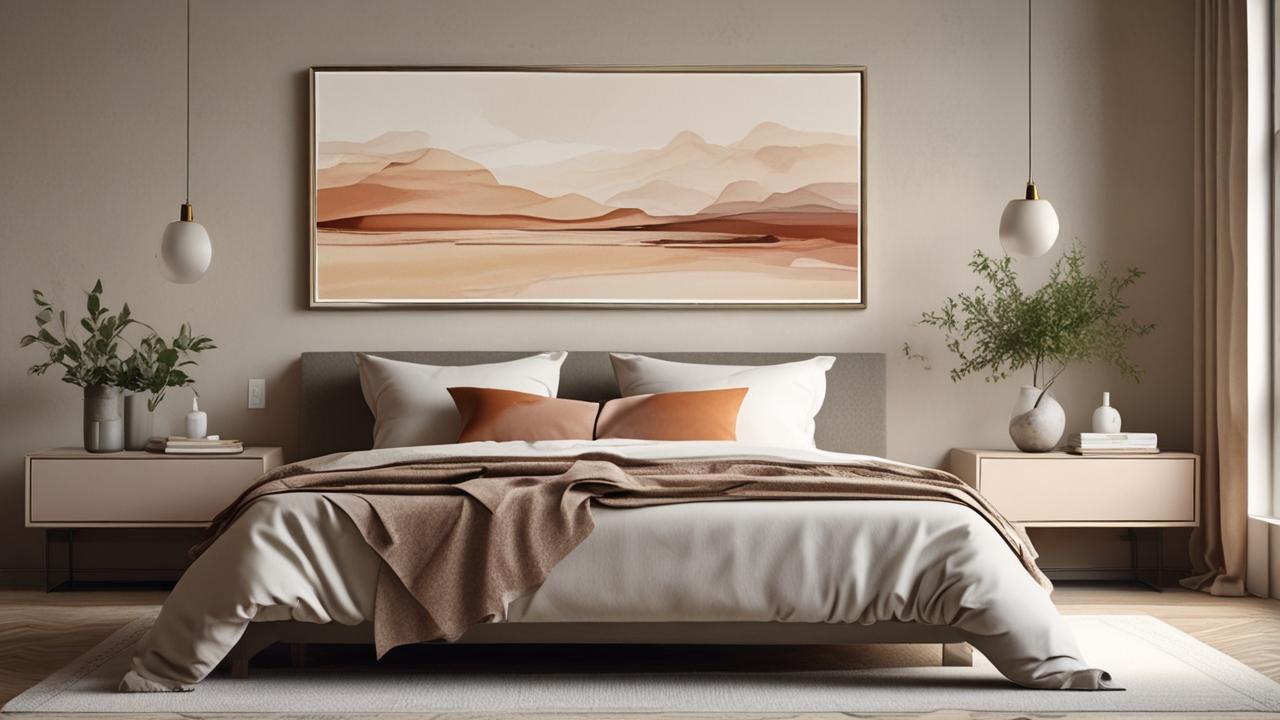
In a bedroom, the wall behind the bed is often the natural focal point. This is a prime spot for a large piece of art, a unique headboard with decorative elements, or a bold wallpaper choice.
Alternatively, a dresser wall or a wall with a cozy reading nook could be your chosen focal point. The key is to make this area stand out from the rest of the room.
You can create a focal point using:
- A Large Statement Piece: This could be a big painting, a striking mirror, or a bold tapestry.
- A Gallery Wall: A well-arranged collection of smaller frames can create a strong visual impact.
- Textured or Patterned Wallpaper: A feature wall with a distinct pattern can instantly become a focal point.
- Unique Lighting Fixtures: Decorative sconces or a statement pendant light can draw attention to a specific wall area.
For instance, imagine a bedroom with pale blue walls. If you add a large, vibrant abstract painting with splashes of orange and yellow above the bed, that painting becomes the immediate focus. The surrounding elements should then complement, not compete with, this central piece.
A 2020 survey indicated that 70% of interior designers recommend establishing a focal point in bedrooms to enhance their visual appeal and create a more cohesive design.
When deciding on your focal point, think about what you want to emphasize. Do you want to highlight a beautiful piece of art, a favorite color, or a specific theme in your room?
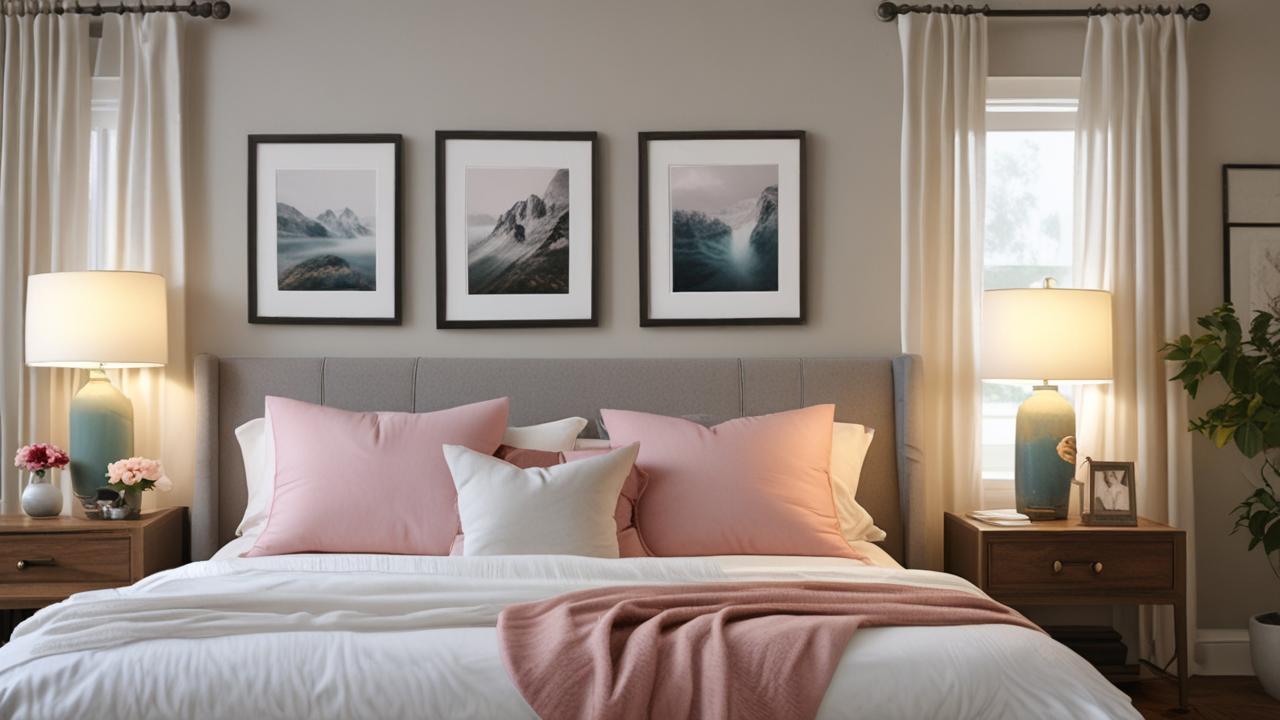
Arranging Your Bedroom Wall Decor
Once you’ve chosen your wall decor, the next challenge is placing it. How you arrange your art, mirrors, and other items can make a big difference in how your bedroom looks and feels. Good arrangement makes the space look balanced and intentional.
The Art of Grouping: Creating Gallery Walls
Gallery walls are a fantastic way to display multiple pieces of art or photos together. They can fill a large space and create a dynamic visual display. The key to a successful gallery wall is thoughtful arrangement and a unifying element.
First, decide on the theme or color palette for your gallery wall. This helps the collection feel cohesive, even if the pieces are very different. You might choose all black and white photos, or a mix of art that features shades of blue.
When planning the layout, it’s helpful to lay out your pieces on the floor first. Arrange them to see how they fit together. You can create a symmetrical grid, or a more organic, asymmetrical arrangement.
Measure the space you want to fill and mark the centers of your planned arrangement on the wall. This helps ensure everything is spaced evenly and centered correctly.
Consider the frames. Using the same style of frame for all your pieces can create a very polished look. Alternatively, you can mix frames if the artwork itself has a strong unifying theme or color.
Here are some tips for creating a gallery wall:
- Start with a centerpiece: Place your largest or most important piece first, then arrange others around it.
- Maintain consistent spacing: Aim for about 2-4 inches between pieces.
- Vary sizes and orientations: Mix horizontal and vertical pieces, as well as different frame sizes, for visual interest.
- Consider the overall shape: Will your gallery wall be a square, a rectangle, or a more freeform shape?
A well-done gallery wall can turn a blank wall into a personalized art exhibition.
Hanging Art at the Right Height
The height at which you hang your artwork is crucial for its impact. Artwork that is hung too high or too low can look out of place.
The general rule is to hang art at eye level. For most people, this means the center of the artwork should be about 57 to 60 inches from the floor. This is comfortable for viewing when standing.
However, this can vary depending on your ceiling height and the furniture in the room. If you are hanging art above a sofa or bed, the bottom edge of the artwork should generally be about 6 to 10 inches above the furniture.
This ensures there is a visual connection between the art and the furniture, rather than the art floating too far away.
For very high ceilings, you might hang art slightly higher, or use larger pieces to fill the vertical space. For lower ceilings, sticking to the standard eye level will prevent the room from feeling cramped.
It’s also important to consider the room’s purpose. In a bedroom, where you’ll often be viewing art while seated or even lying down, you might adjust the height slightly. Art above a bed might be hung a bit lower to be easily seen from a seated position on the bed.
When hanging a collection of pieces, treat the entire group as one unit. Find the eye level for the center of the collection. This ensures the entire arrangement is at a comfortable viewing height.
Here’s a quick guide to art height:
- Center of artwork: 57-60 inches from the floor for standalone pieces.
- Above furniture: 6-10 inches from the top of the furniture to the bottom of the artwork.
- Gallery walls: Measure for the center of the entire arrangement.
Taking the time to hang art correctly ensures it enhances your room rather than detracting from it.
Balancing Decor Elements
Achieving balance in your bedroom decor means distributing visual weight in a way that feels pleasing and stable. This applies to your wall decor as well as furniture and other elements.
There are two main types of balance: symmetrical and asymmetrical.
Symmetrical balance is like a mirror image. If you place a piece of art on one side of a wall, you would place a similar piece on the other side. This creates a formal, classic, and orderly feel.
For example, two identical framed prints hung on either side of a headboard.
Asymmetrical balance is more dynamic and informal. It involves using different items that have similar visual weight to balance each other. For instance, a large, bold piece of art on one side of the wall could be balanced by a collection of smaller items, like a mirror and a small shelf with decor, on the other side.
When balancing wall decor, consider:
- Size: Larger items have more visual weight.
- Color: Darker or brighter colors tend to have more visual weight than lighter, muted colors.
- Texture: Items with more texture can draw the eye.
- Shape: Complex shapes can feel heavier than simple ones.
The goal is not to make everything identical, but to create a sense of harmony. Your eye should be able to move around the room comfortably without feeling like one area is too heavy or too empty.
For example, if you have a large, dark artwork on one wall, you might balance it on another wall with a lighter, more spread-out gallery wall or a large mirror. This prevents the room from feeling lopsided.
Think about the entire room as a composition. Each piece of wall decor contributes to the overall balance and flow of the space. Experimenting with placement is often key to finding the perfect arrangement.
Frequently Asked Questions
Question: What is the best type of art for a bedroom?
Answer: The best art for a bedroom is usually calming and reflects your personal taste. Nature scenes, abstract pieces with soft colors, or photos that bring happy memories are great choices. Avoid overly busy or jarring images if you want a relaxing space.
Question: How large should artwork be above a bed?
Answer: Artwork above a bed should generally be about two-thirds the width of the bed. For a queen-size bed, this is around 40-50 inches wide. The bottom edge should be about 6 to 10 inches above the headboard.
Question: Can I mix different styles of art in my bedroom?
Answer: Yes, you can mix different styles of art, especially if you create a gallery wall. A unifying element like a similar color scheme, frame style, or subject matter can help tie diverse pieces together and make the arrangement look intentional.
Question: What if I have a small bedroom? What wall decor works best?
Answer: For small bedrooms, lighter colors and mirrors are very helpful to make the space feel larger. Consider one or two medium-sized pieces of art rather than many small ones, which can make the walls look cluttered. Floating shelves can also add display space without overwhelming the room.
Question: How do I choose wall decor if I have a minimalist bedroom style?
Answer: For a minimalist bedroom, choose decor that is simple, functional, and has clean lines. This might be a single, large abstract print with a simple color palette, a frameless mirror, or a few carefully chosen decorative objects on a shelf. Less is more.
📌 Check our Pinterest Profile for more inspiration
View on PinterestSummary
Picking wall decor for your bedroom is about making your personal space feel just right. By considering your style, desired mood, and color choices, you can select pieces that speak to you. Remember to think about the size and how you arrange everything.
Using different textures and creating focal points can add depth. Simple steps will help you make your bedroom walls beautiful.