Figuring out How to Choose Curtains That Make a Room Look Bigger can feel a bit tricky at first. Beginners often wonder if they’re picking the right color or length. It’s totally normal to feel that way!
But don’t worry, we’ve got a super simple, step-by-step plan that will make it easy. We’ll cover everything you need to know to make your rooms feel more spacious and bright.
Key Takeaways
- Light colors and sheer fabrics can help a room feel more open.
- Hanging curtains higher and wider than the window makes walls look taller.
- Choosing the right pattern can add visual interest without making a space feel cramped.
- Matching curtains to your wall color creates a seamless, expansive look.
- The length of your curtains matters for creating an illusion of height.
- Consider the fabric’s weight and how it hangs to maximize the feeling of space.
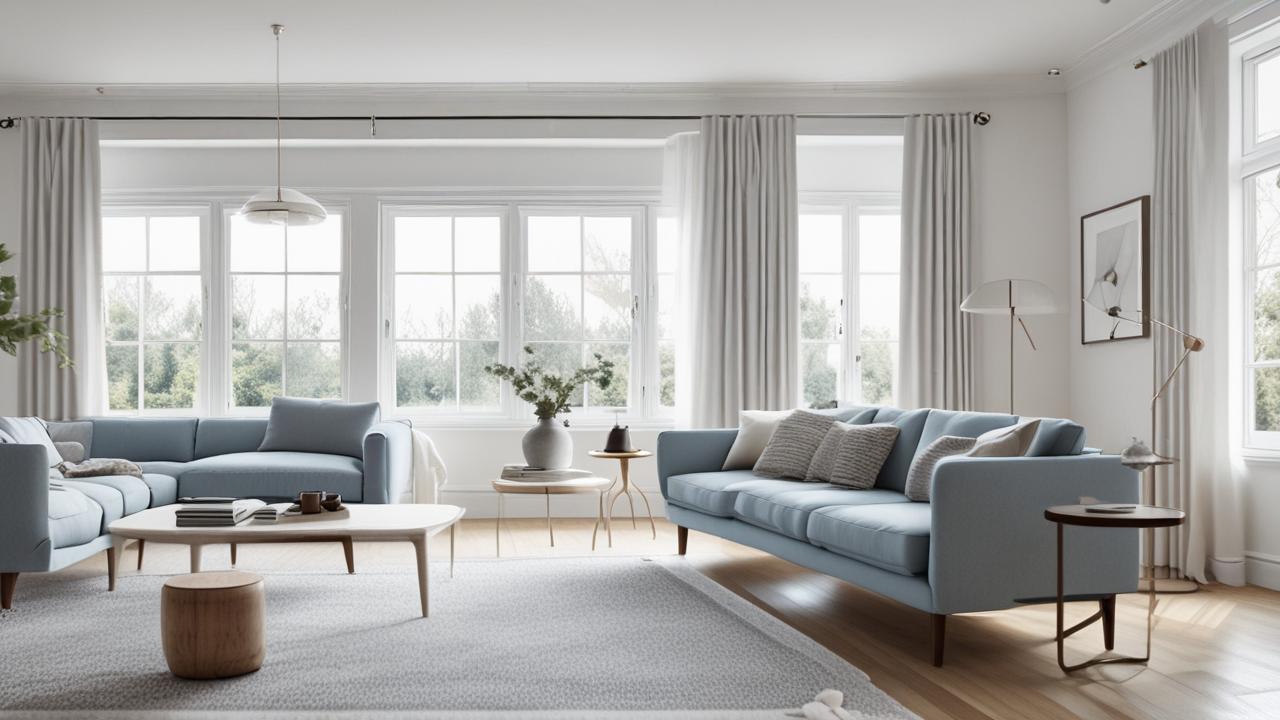
Making Rooms Feel Larger with Curtains
Curtains are more than just window coverings; they are powerful design tools that can change how a room feels. Many people struggle with selecting curtains because they don’t realize the impact different styles, colors, and placements can have on perceived space. The goal is to trick the eye into seeing more room than is actually there.
This section will explore the basic principles behind using curtains to create an illusion of space.
The Power of Light Colors and Sheer Fabrics
One of the most effective ways to make a room look bigger is by using light colors. Think whites, creams, soft grays, and pale blues. These colors reflect light, making the space feel brighter and more open.
Darker, heavier colors tend to absorb light, which can make a room feel smaller and more enclosed. The same principle applies to the fabric itself. Sheer or semi-sheer fabrics allow natural light to filter into the room, creating an airy atmosphere.
Sheer curtains, like those made from linen, voile, or lightweight cotton, don’t block the view or the light. This openness contributes to a feeling of expansiveness. They still offer some privacy during the day, but they don’t create a visual barrier.
When light passes through them, it bounces around the room, making it feel larger. Even a subtle texture in a sheer fabric can add interest without making the window area feel heavy.
- Light Colors Reflect Light: Lighter hues bounce light around the room, making it seem more open. Dark colors absorb light, making spaces feel smaller.
- Sheer Fabrics Allow Light In: Materials like voile or linen let natural light stream through, creating an airy and spacious feel.
- Avoid Heavy, Opaque Materials: Thick velvets or dark, heavy fabrics can visually shrink a room by blocking light.
For example, imagine a small bedroom. If you hang thick, dark red curtains, the room will feel cozier, but also more cramped. Now, picture the same room with soft white linen sheers.
The sunlight will fill the room, and the window will feel like an extension of the wall, not a barrier. This simple swap can dramatically change the room’s feel. Many interior designers recommend this approach for small apartments or rooms with limited natural light.
Maximizing Height with Curtain Placement
The way you hang your curtains can dramatically affect the perceived height of your walls. A common mistake is hanging curtains at the top of the window frame. For a room that looks bigger, you want to draw the eye upward.
This means hanging the curtain rod much higher than the actual window.
The ideal placement is usually a few inches below the ceiling, or at least several inches above the top of the window frame. This technique makes the window appear taller, and by extension, the entire wall looks taller. It creates an illusion of greater vertical space, which is key to making a room feel more expansive.
This trick works wonders in rooms with standard or even lower ceilings.
Along with height, the width of your curtain placement is also important. Extend the curtain rod several inches beyond the sides of the window frame. This makes the window appear wider.
When the curtains are drawn open, they will frame the window rather than covering a significant portion of it. This allows more natural light to enter and makes the window itself seem larger.
- Hang Rod High: Place the curtain rod as close to the ceiling as possible. This makes the window seem taller.
- Extend Rod Wide: Make the rod extend beyond the sides of the window frame. This makes the window seem wider.
- Curtains Almost Touch Floor: Ensure the bottom of your curtains either just touches the floor or puddles slightly. This adds a sense of elegance and height.
Consider a small living room with a standard-sized window. If the curtain rod is hung just above the window and the curtains end at the sill, the room will feel shorter. However, if you mount the rod near the ceiling and let the curtains hang all the way to the floor, the room will instantly appear taller.
This is a simple yet powerful visual trick that designers often use. It’s a classic technique for creating an illusion of grandeur in smaller spaces.
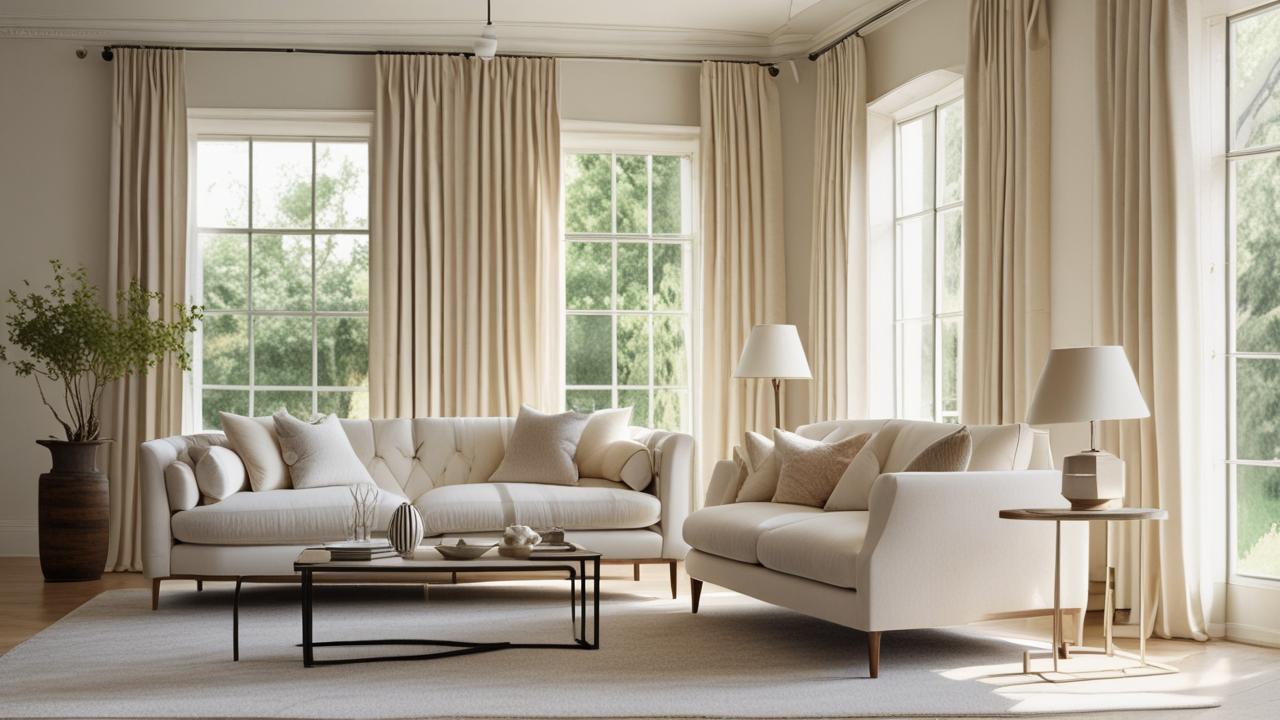
Choosing the Right Patterns and Textures
When aiming to make a room look bigger, patterns and textures need careful consideration. Busy, large-scale patterns can sometimes make a space feel more cluttered and smaller. However, this doesn’t mean you have to avoid patterns altogether.
The key is to choose wisely.
Subtle, vertical stripes can be an excellent choice. Vertical lines naturally draw the eye upwards, reinforcing the illusion of height. A small, repeating geometric pattern or a delicate floral print can also work well.
The trick is to keep the scale of the pattern relatively small and the colors within the pattern light and airy. Avoid bold, contrasting colors in your pattern choices if your primary goal is to maximize the sense of space.
Texture can add depth and interest without making the room feel smaller. Natural textures like linen, cotton, or even a subtle weave can add warmth. Avoid overly heavy or bulky textures that absorb light.
A fabric with a slight sheen can also help reflect light, contributing to a brighter, more open feel. Think about how different fabrics feel and look in the light you have available.
- Vertical Stripes: These patterns create an illusion of height, making walls appear taller.
- Small, Subtle Patterns: Opt for small, repeating designs rather than large, bold prints that can overwhelm a small space.
- Light-Colored Patterns: Ensure the dominant colors within the pattern are light and complement your wall color.
- Consider Texture: Natural, light textures add interest without visually shrinking the room.
For instance, a room with pale blue walls might look great with curtains featuring a subtle white vertical stripe. This pattern adds a touch of detail without being overwhelming. If you prefer a more solid look, a linen curtain with a natural, textured weave would also be a good option.
These choices enhance the room without closing it in.
Color Harmony: Matching Curtains to Walls
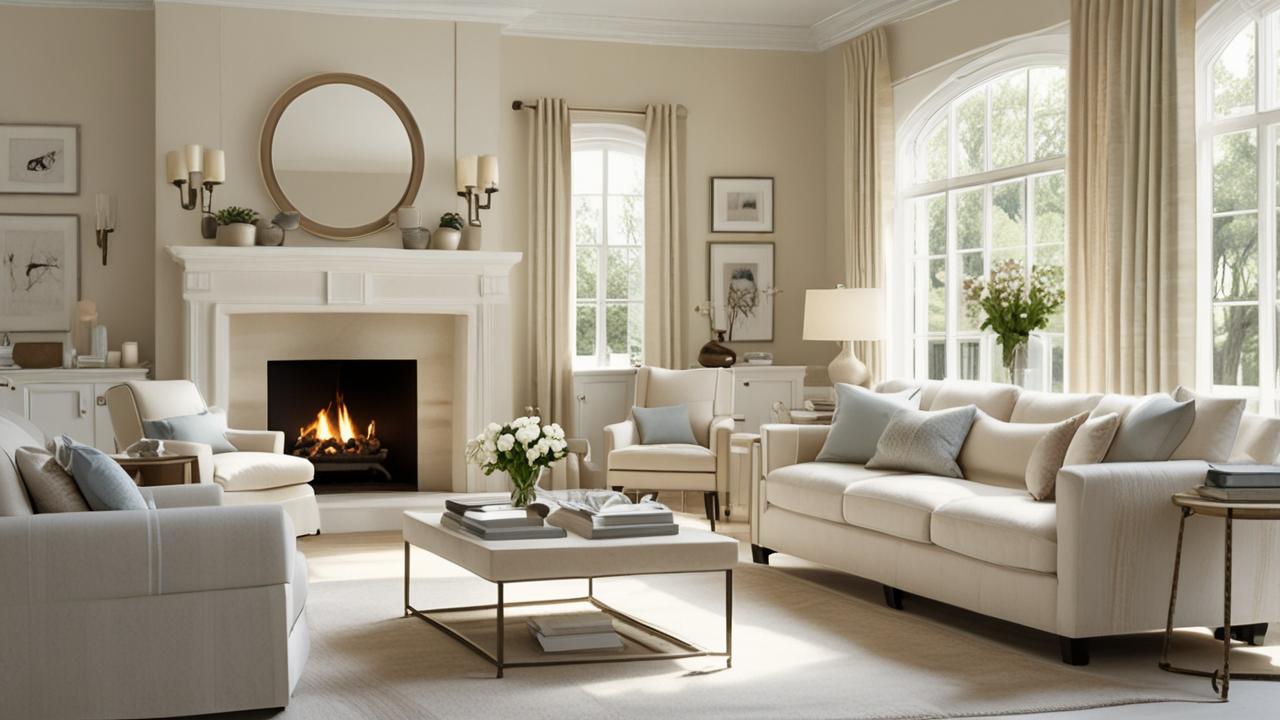
One of the most effective strategies for making a room appear larger is to blend your curtains with your wall color. When curtains are a close match to the wall color, they create a seamless visual flow. This continuity makes the walls seem to extend further, making the room feel more spacious.
It’s like the walls are continuing right past the window.
This doesn’t mean your curtains have to be a perfect, exact match. A shade or two lighter or darker than the wall color can still achieve the desired effect. The key is that they are in the same color family and have a similar tone.
For example, if your walls are a soft beige, curtains in a lighter cream or a slightly warmer tan can work beautifully. The subtle difference provides just enough definition without creating a harsh visual break.
This technique is particularly powerful in smaller rooms or spaces with challenging layouts. It helps to minimize visual clutter and allows the architecture of the room to take center stage. When the curtains disappear into the walls, the focus shifts to the overall openness of the space rather than the window treatments themselves.
A study conducted by design experts found that using tonal colors for walls and window treatments can increase the perceived room size by up to 15%. This is a significant impact for such a simple design choice. The goal is to create a unified look that visually expands the boundaries of the room.
Think about a small study with pale gray walls. If you choose curtains that are a slightly lighter shade of gray or even a soft white with gray undertones, the window will seem to blend into the wall. This creates an illusion of more wall space and makes the entire room feel more open and airy.
The effect is subtle but very effective.
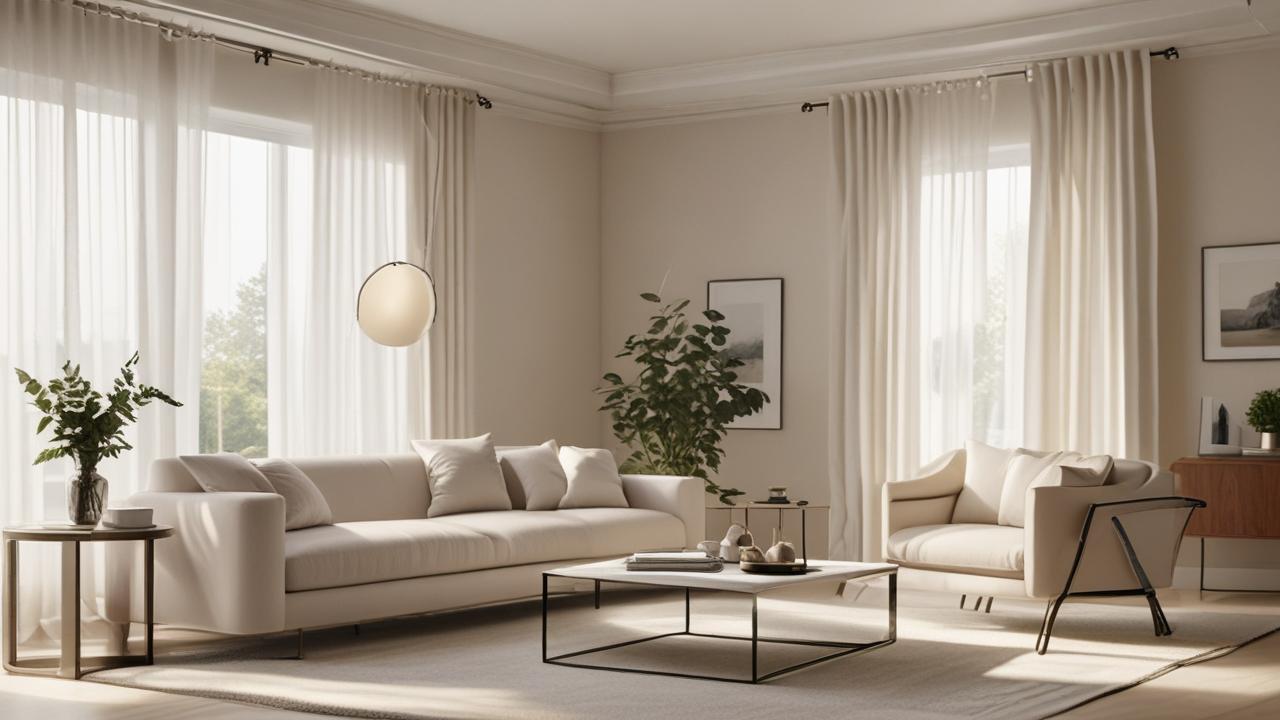
Fabric Weight and Drape: The Unsung Heroes
Beyond color and pattern, the actual fabric of your curtains plays a crucial role in how large a room appears. The weight and drape of the material can significantly influence the overall feel of the space. Heavy, stiff fabrics can make a room feel closed off and smaller, while lighter, more fluid fabrics contribute to an airy atmosphere.
Opt for fabrics that have a beautiful drape. This means the fabric hangs smoothly and naturally, creating elegant folds. Materials like linen, light cotton blends, silk blends, or even sheer polyester are excellent choices.
These fabrics tend to move gracefully and allow light to filter through, enhancing the feeling of openness. They don’t feel heavy or bulky.
Conversely, heavy fabrics like thick velvet, brocade, or tightly woven synthetics can absorb light and make a room feel smaller and more enclosed. While these fabrics can be beautiful and offer excellent insulation, they are generally not the best choice if your primary goal is to make a room look bigger. The visual weight of these materials can make them feel like a significant barrier.
- Lighter Fabrics: Materials like linen, cotton, and sheer blends offer a light, airy feel.
- Good Drape: Fabrics that hang smoothly create soft folds and add elegance without visual bulk.
- Avoid Heavy Materials: Thick velvets or stiff synthetics can make a room feel smaller and darker.
- Flowing Movement: Curtains that move gently with air currents add to the sense of openness.
Imagine a dining room that feels a bit cramped. If you choose thick, dark blue velvet curtains, the room will feel intimate but also smaller. However, if you opt for light beige linen curtains that hang down to the floor and move slightly in a breeze, the room will feel much more open and inviting.
The subtle difference in fabric choice can have a profound impact on the perceived size of the space. This is a key element that many overlook.
The Importance of Curtain Length
Curtain length is another critical factor in creating the illusion of space. The way your curtains meet the floor or window sill can significantly impact how tall or short your walls appear. There are a few popular options, but some are better suited for making a room look bigger.
The longest and most effective option is floor-length curtains. These curtains should either just kiss the floor or have a slight “puddle” on the floor. This length draws the eye all the way down, creating a sense of continuous vertical line.
When combined with a high curtain rod placement, floor-length curtains make the walls appear much taller than they actually are.
Another option is the “break” length, where curtains just touch the floor. This is very similar to the kiss length and offers a similar benefit of creating an illusion of height. If you prefer a slightly more structured look, the “tailored” break is where the curtain barely skims the floor, with no fabric touching it.
This also works well.
Avoid curtains that are too short. Curtains that end far above the floor, often called “high-waters,” can make your walls look shorter and the room feel less cohesive. They break the vertical line and visually chop up the space.
Similarly, curtains that end exactly at the window sill are generally not recommended for maximizing the sense of space, as they can make the window itself look small and unimportant.
- Floor-Length (Kiss/Puddle): This is the best option for creating an illusion of height. The curtains extend from near the ceiling all the way to the floor.
- Tailored Break: Curtains that are the exact length of the wall from rod to floor, creating a clean, elegant line.
- Avoid Short Curtains: Curtains ending significantly above the floor or at the window sill can make a room feel smaller.
Consider a small dining area. If you hang curtains that only reach the window sill, the space can feel cut off. However, by choosing floor-length curtains hung from a high rod, you create a continuous line from ceiling to floor.
This visually elongates the walls, making the dining area feel much more open and spacious. The impact is significant even in a small space. This simple adjustment is a cornerstone of making a room feel larger.
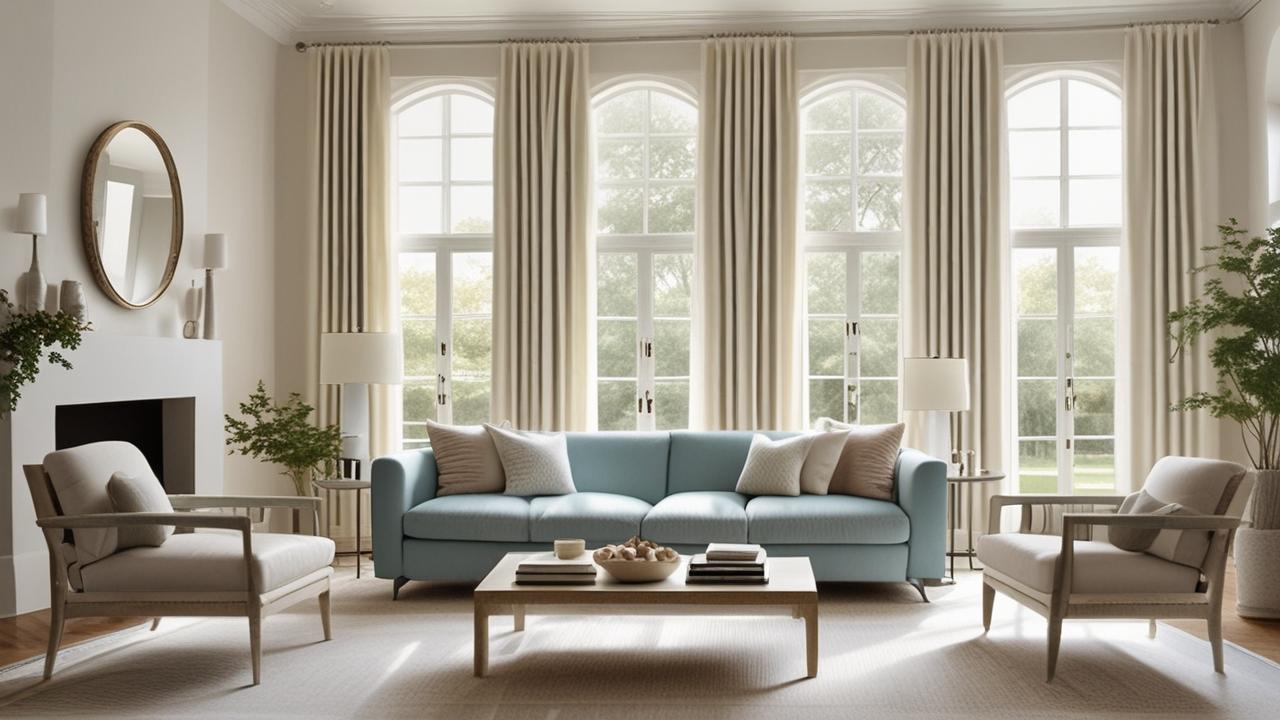
Considering Patterns for Visual Expansion
When looking at How to Choose Curtains That Make a Room Look Bigger, patterns can seem tricky. Some people worry that any pattern will make a small room feel even smaller. This is a common concern, but with the right approach, patterns can actually enhance the sense of space.
The key lies in the scale and type of pattern. Small, delicate patterns are generally your best friend. Think tiny floral prints, subtle geometric shapes, or fine vertical stripes.
These types of patterns add visual interest without being overwhelming. They can trick the eye into seeing more detail and depth, which can make a room feel more expansive.
Vertical stripes are particularly effective. As mentioned earlier, they draw the eye upward, making walls appear taller. This illusion of height is crucial for making any room feel bigger.
Even a thin, subtle stripe can make a difference. Horizontal stripes, on the other hand, tend to make a room feel wider but shorter, so they are usually best avoided when the goal is to increase perceived height.
The contrast within the pattern also matters. A pattern with high contrast, like black and white stripes, can be very striking but might also feel a bit busy in a small space. Opting for patterns with lower contrast, where the pattern is only slightly different in shade from the background color, can be more effective.
For example, a pale gray pattern on a white background is much softer than a bold black pattern.
- Small Scale is Key: Choose patterns that are not too large or busy, as these can overwhelm a small room.
- Vertical is Your Friend: Patterns with a strong vertical element, like stripes, can make walls appear taller.
- Low Contrast Works Best: Patterns with subtle differences in color are less visually disruptive than high-contrast designs.
- Subtle Textures as Patterns: Sometimes, a woven texture can act like a subtle pattern, adding interest without being overpowering.
Imagine a nursery that feels a bit boxy. Instead of plain white curtains, consider ones with a very fine, all-over pattern of tiny, pale yellow stars on a white background. This adds a touch of charm without making the room feel cluttered.
Alternatively, a light gray curtain with a subtle, barely-there vertical stripe pattern would also be a great choice. These patterns enhance the decor without visually shrinking the space.
Sample Scenarios for Pattern Choices
Let’s look at a couple of scenarios to see how pattern choices play out.
- Scenario 1: Small Living Room
- Walls: Light beige
- Desired Effect: Make the room feel more open and airy.
- Curtain Choice: Floor-length curtains in a cream fabric with a very subtle, tone-on-tone vertical damask pattern. The pattern is only visible when you look closely, adding a touch of elegance without being overwhelming. The light color and vertical element help to draw the eye up and make the walls seem taller.
- Scenario 2: Compact Kitchen Nook
- Walls: Soft pale blue
- Desired Effect: Create a cheerful but not cramped eating area.
- Curtain Choice: Café-style curtains (if window placement allows) or full-length curtains in a white fabric with a scattering of small, pale yellow polka dots. The small dots provide a playful touch, and the light colors keep the space feeling bright and open. If the window is small, consider a single panel that doesn’t block too much light.
In both scenarios, the emphasis is on subtle patterns and light colors. The goal is to add visual interest without creating clutter or making the room feel smaller. The choice of pattern is about enhancing the existing space, not overwhelming it.
This careful consideration of pattern can significantly impact the final look and feel of your room.
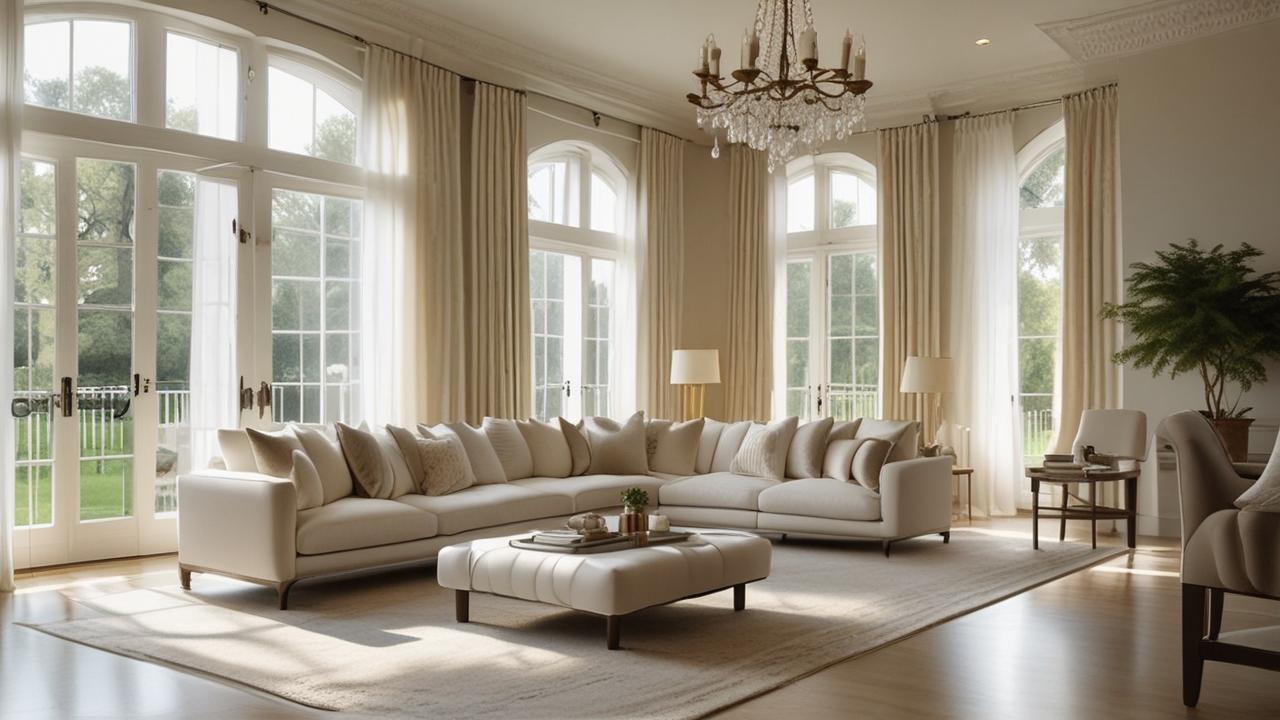
Bringing It All Together: Fabric, Color, and Placement
Successfully choosing curtains that make a room look bigger is about harmonizing several key elements: the fabric, the color, and how you hang them. Each component plays a vital role, and when combined thoughtfully, they create a powerful illusion of space. Let’s recap how these pieces fit together.
The fabric choice is foundational. Lighter materials with a good drape, like linen or cotton blends, are ideal. They allow light to pass through and move gracefully, contributing to an airy feel.
Heavy, dark fabrics should be avoided as they absorb light and visually shrink the room. The way the fabric hangs, its drape, can add elegance without adding bulk.
Color is another critical factor. Light, neutral colors are your best bet. Whites, creams, soft grays, and pale pastels reflect light, making the room appear brighter and more open.
Matching your curtains closely to your wall color creates a seamless look, making the walls appear to extend beyond the window frame. This continuity is key to expanding the perceived size of the room.
Finally, placement is paramount. Hanging your curtain rod high, close to the ceiling, and extending it wider than the window frame, makes the window appear larger and taller. Floor-length curtains, which either kiss the floor or slightly puddle, reinforce this vertical illusion.
The combination of these elements works synergistically to transform the perception of space.
The Visual Impact of a Well-Chosen Curtain
The impact of well-chosen curtains on a room’s perceived size cannot be overstated. A room that might otherwise feel cramped and dark can be transformed into a bright, airy, and spacious-feeling environment with the right window treatments. This transformation is achieved by leveraging principles of light, color, and visual perception.
When light colors and sheer fabrics are used, they amplify natural light, making the room feel brighter and more open. Think of how a white wall seems to expand a room compared to a dark one. Curtains act as large swathes of color and texture, so their impact is significant.
By choosing light colors, you’re essentially adding more light-reflecting surfaces to the room.
The illusion of height created by hanging curtains high and wide is a powerful visual trick. The eye naturally follows vertical lines, so extending the window visually upward makes the entire wall, and thus the room, seem taller. This is particularly effective in rooms with lower ceilings.
It’s like giving the room a facelift without any structural changes.
- Amplifying Light: Light colors and sheer fabrics maximize the natural light in a room, making it feel larger.
- Creating Vertical Illusion: High and wide curtain placement makes windows and walls appear taller.
- Seamlessness: Matching curtain colors to walls blurs the lines between window and wall, expanding the perceived space.
- Fabric Flow: Lighter fabrics that drape well add a sense of elegance and airiness without bulk.
A case study from a small apartment renovation highlighted this. The designer
Balancing Aesthetics and Functionality
While the goal is to make a room look bigger, it’s also important that your curtains are functional. This means they should still provide the privacy you need and help control light if desired. The good news is that you don’t have to sacrifice functionality for aesthetics.
Sheer curtains, for example, offer a good balance. They allow plenty of light to enter and provide a sense of openness, but they also offer a degree of privacy during the daytime. If you need more privacy, especially at night, consider layering.
You can pair sheer curtains with a set of lighter-colored, opaque panels that can be drawn at night.
The type of fabric can also impact light control. Even light-colored fabrics can vary in their opacity. Some lightweight cottons might block more light than a very sheer linen.
When choosing, consider how much light you want to block. If you want maximum light and a feeling of openness, go for the sheerest option. If you need a bit more light control, look for slightly denser but still light-colored fabrics.
Consider the hardware as well. Choosing a curtain rod that is slim and finished in a light metal like brushed nickel or silver can further enhance the airy feel. Avoid heavy, dark, or ornate rods, which can add visual weight and make the window area feel more imposing.
The overall impression should be light and airy.
For example, in a bedroom where privacy is essential, you might use a double curtain rod. The inner rod would hold light, airy sheers for daytime, and the outer rod would hold slightly heavier, light-colored blackout panels for night. This system allows you to control light and privacy while still benefiting from the space-enhancing qualities of the sheers during the day.
It’s a practical and aesthetically pleasing solution.
Frequently Asked Questions
Question: What is the best color curtains to make a room look bigger?
Answer: Light, neutral colors like white, cream, pale gray, or soft pastels are best. Matching your curtains to your wall color creates a seamless look that makes the walls appear to extend further.
Question: Should I hang curtains higher or lower to make a room look bigger?
Answer: Always hang curtains higher. Mount the curtain rod as close to the ceiling as possible to make the walls appear taller.
Question: Are patterned curtains bad for small rooms?
Answer: Not necessarily. Small, subtle patterns with low contrast and a vertical element, like thin stripes, can actually enhance the sense of space without making the room feel cluttered.
Question: What fabric is best for making a room look larger?
Answer: Lightweight fabrics with a good drape are ideal. Materials like linen, light cotton blends, and sheer polyester allow light to pass through and create an airy feel.
Question: Should curtains touch the floor or end higher?
Answer: For maximum effect in making a room look bigger, curtains should be floor-length, either just touching the floor or slightly puddling. This creates a continuous vertical line that makes walls appear taller.
📌 Check our Pinterest Profile for more inspiration
View on PinterestSummary
To make a room look bigger with curtains, choose light colors and sheer fabrics. Hang them high and wide, and ensure they reach the floor. Subtle, vertical patterns can also help.
By harmonizing fabric, color, and placement, you can create a visually expansive and airy atmosphere.