Picking out furniture and decorations for your living room can feel overwhelming, especially when you’re trying to keep your spending in check. For folks just starting out, figuring out How to Choose Living Room Decor on a Budget often seems tricky. You see all sorts of ideas, and it’s hard to know where to begin without breaking the bank.
But don’t worry! We’ll walk you through it step by step, making it easy to create a space you’ll love without spending a lot. We’ll cover the best ways to find stylish items that fit your wallet.
Key Takeaways
- You can find stylish living room decor without spending a lot of money.
- Planning ahead helps you stick to your budget and avoid impulse buys.
- Focusing on a few key pieces can make a big impact.
- Smart shopping strategies, like looking for sales and second-hand items, save money.
- DIY projects can add unique touches to your home decor.
- Prioritizing quality over quantity ensures your decor lasts longer.
Getting Started with Your Living Room Decor Plan
Planning is the first and most important step when you want to decorate your living room on a budget. It helps you avoid buying things you don’t need and ensures everything fits together well. Think about the colors and style you like.
Do you prefer a cozy feel or something more modern? Knowing this makes choosing items much easier and prevents costly mistakes. A good plan means you’re always thinking ahead about how each piece will work in your space.
Setting Your Budget
Before you buy anything, decide exactly how much money you can spend. Break down your budget into categories, like furniture, rugs, wall art, and lighting. This helps you see where your money is going and where you might be able to save.
For example, you might decide to spend more on a comfortable sofa but save on decorative pillows. Being clear about your spending limits stops you from overspending on impulse buys.
- Furniture: This is often the biggest expense. Decide what you absolutely need, like a sofa and a coffee table.
- Wall Art and Decor: These items can add personality. Think about prints, photos, or mirrors.
- Lighting: Lamps and overhead lights create the mood. Consider floor lamps or table lamps.
- Textiles: Rugs, curtains, and throw blankets add warmth and color.
Having these categories in mind helps you track your spending. It’s easy to get excited about beautiful items, but sticking to your budget is key to successful decorating on a dime. For instance, if your total budget is $1000, you might allocate $500 for furniture, $200 for textiles, $150 for lighting, and $150 for wall art and smaller decor items.
Defining Your Style
Your living room should reflect your personality. Think about what kind of atmosphere you want to create. Do you love bright, bold colors, or do you prefer calm, neutral tones?
Do you like things simple and modern, or do you enjoy a more rustic, farmhouse feel? Looking at magazines, Pinterest, or Instagram can give you lots of ideas. Once you have a clear idea of your preferred style, shopping becomes much simpler because you know what you’re looking for.
Consider the existing elements in your room. What color are your walls? Do you have wood floors or carpet?
These factors can influence your style choices. For example, if you have dark walls, lighter furniture might create a nice contrast. If your room is small, lighter colors can make it feel bigger and more open.
Trying to mix too many styles can make a room feel cluttered and unplanned, which is something to avoid when decorating on a budget.
Some popular decorating styles include:
- Modern: Clean lines, simple shapes, and neutral colors.
- Farmhouse: Cozy, rustic elements with natural materials like wood and metal.
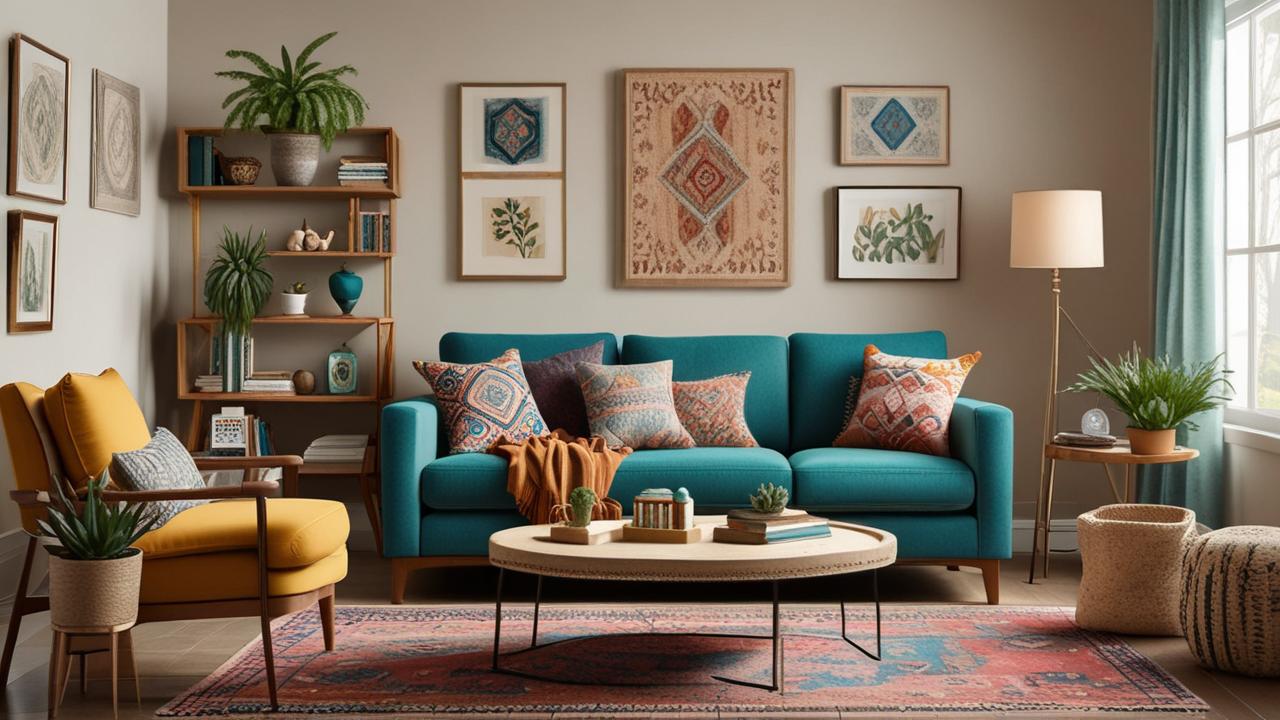
- Bohemian: Eclectic mix of colors, patterns, and textures, often with plants and handmade items.
- Minimalist: Focus on function and simplicity, with few decorative items.
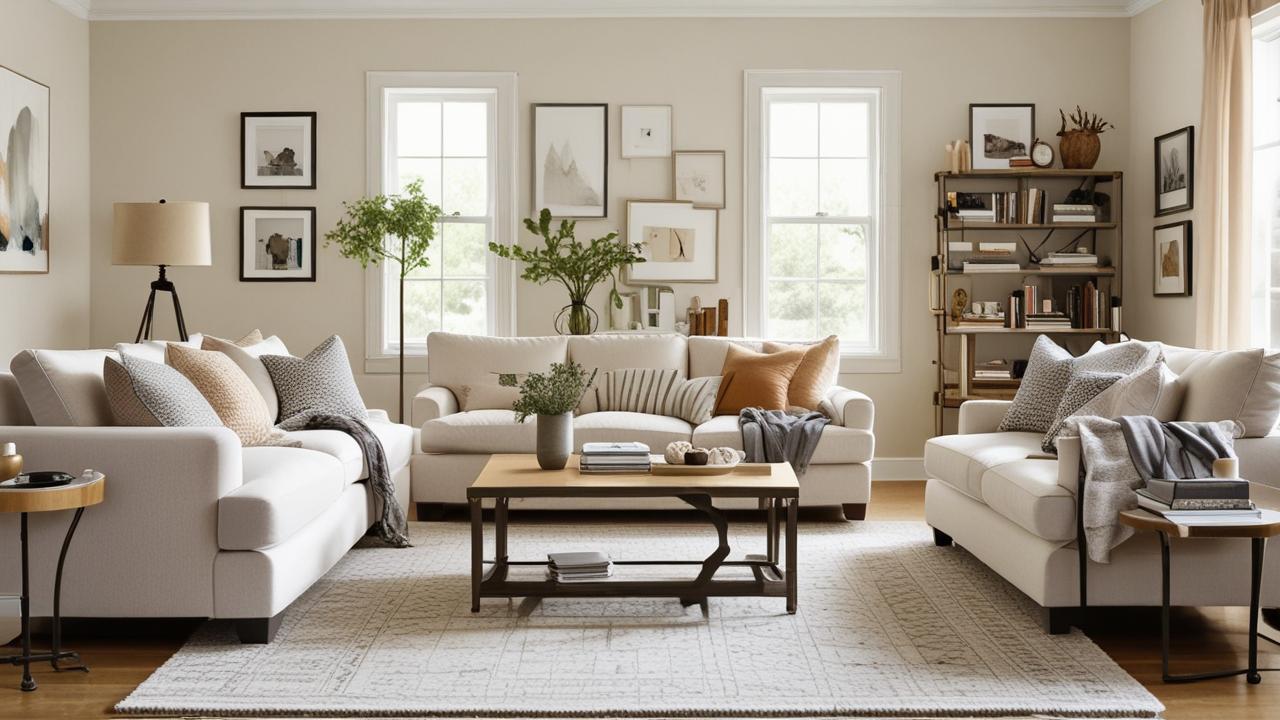
Choosing one or two styles to blend can give your room a cohesive look. For example, a modern farmhouse style might combine clean furniture lines with rustic wood accents. This approach helps you narrow down your choices and focus your budget on items that truly fit your vision.
Smart Shopping Strategies for Budget Decor
When you’re decorating on a budget, being a smart shopper is essential. It means knowing where to find good deals and when to buy. You don’t always need to buy new items to get a stylish look.
There are many ways to save money while still getting beautiful pieces for your living room. Being patient and doing your research can make a big difference.
Thrift Stores and Second-Hand Finds
Thrift stores, consignment shops, and online marketplaces are goldmines for budget-friendly decor. You can find unique furniture, lamps, and decorative items for a fraction of the cost of buying new. These places often have vintage pieces with character that you can’t find in regular stores.
Sometimes, a piece might need a little cleaning or a fresh coat of paint, but that’s part of the fun and saves even more money. For instance, a solid wood coffee table at a thrift store might cost $30, while a similar new one could be $200 or more.
When shopping second-hand, inspect items carefully for damage. Look for solid construction in furniture and check for any major flaws in lamps or decor. You might find an amazing armchair that just needs new upholstery, or a sturdy bookcase that can be painted to match your style.
Many people are happy to sell their used furniture for cheap to make space, so you can find great deals if you’re persistent.
Here are some tips for thrifting:
- Go often: Inventory changes daily, so frequent visits increase your chances of finding treasures.
- Know what you’re looking for: Having your style and measurements in mind helps you make quick decisions.
- Be open-minded: A piece might not look perfect at first, but imagine its potential with a little work.
- Inspect thoroughly: Check for structural integrity, stains, tears, and missing parts.
According to a report from the National Association of Resale and Thrift Shop Owners, the resale industry is growing rapidly, with many consumers choosing pre-owned items for both financial and environmental reasons. This trend means more great finds are available than ever before.
Sales, Discounts, and Coupons
Keep an eye out for sales at your favorite home decor stores. Many retailers have seasonal sales, holiday promotions, and clearance events where you can get significant discounts. Signing up for email newsletters from stores is a great way to be notified about these deals and often get special coupon codes.
Don’t be afraid to use coupons whenever possible. Even a small discount can add up when you’re buying multiple items.
Plan your purchases around these sales. If you need a new sofa, wait for a Presidents’ Day sale or a Black Friday event. These major sales often offer 20-50% off furniture.
For smaller items like decor or lighting, weekly flyers or online coupon sites can provide savings. It requires a bit of patience, but waiting for a sale can mean getting a much nicer item for the same budget.
Consider using store loyalty programs. Many stores offer rewards points for purchases, which can be redeemed for discounts on future buys. Some stores also offer a discount on your first purchase when you sign up for their credit card, though it’s important to use credit cards responsibly.
DIY and Upcycling Projects
You can save a lot of money and add a personal touch to your living room by doing some projects yourself. Upcycling means taking old items and giving them a new purpose. For example, you could paint an old dresser to use as a media console or turn wooden crates into stylish shelves.
These projects not only save money but also create unique pieces that nobody else has.
A common DIY project is painting furniture. A drab, outdated dresser can be transformed with a few cans of spray paint or chalk paint. Another idea is to create your own wall art.
You can frame pretty fabric scraps, old maps, or even pages from a vintage book. Even simple projects like updating hardware on cabinets or adding decorative trim can make a big difference without costing much.
Here are a few DIY ideas:
- Painted Furniture: Transform old wooden pieces with paint.
- Custom Wall Art: Use stencils, prints, or fabric to create your own masterpieces.
- Revamped Lampshades: Update an old lampshade with new fabric or trim.
- DIY Cushions: Sew simple pillow covers from attractive fabric remnants.
A survey by HomeAdvisor found that homeowners who undertake DIY projects report saving an average of $1,000 per year on home improvements and decor. This shows the significant financial benefits of getting hands-on with your decorating.
Choosing Key Pieces Wisely
When you’re decorating on a budget, focus on buying a few high-impact pieces rather than many small, cheap items. These key pieces will form the foundation of your living room and make the biggest difference in its overall look and feel. Prioritizing quality for these main items means they will last longer and look better, saving you money in the long run.
The Sofa: Your Living Room’s Centerpiece
The sofa is usually the largest and most expensive item in a living room. It’s where you and your guests will spend most of your time, so comfort and durability are important. When shopping on a budget, look for a sofa with a strong frame and good quality upholstery.
Even if the style isn’t perfect, a well-made sofa can be updated with throw pillows and blankets. Consider neutral colors like grey, beige, or navy, as they are versatile and can be easily complemented by accent colors.
When buying a sofa, always try to sit on it. Check the depth of the seat, the height of the back, and the firmness of the cushions. A sofa that is too small or too large can throw off the balance of the room.
Online reviews can also be very helpful in determining the quality and comfort of a sofa. Look for brands known for durability, even if they are a bit more expensive upfront.
Here are some things to consider when choosing a sofa:
- Frame: Solid hardwood frames are the most durable.
- Springs: Sinuous springs or eight-way hand-tied springs offer good support.
- Cushions: High-density foam or down-blend cushions offer comfort and longevity.
- Fabric: Durable fabrics like microfiber, leather, or tightly woven polyester are good choices.
A study by the Furniture Industry Research Association found that sofas can last anywhere from 7 to 15 years, depending on their construction and how they are used. Investing in a well-made sofa, even on a budget, can provide years of enjoyment.
Accents that Make a Statement
Once you have your main furniture pieces, it’s time to think about accent items. These can include things like accent chairs, coffee tables, side tables, rugs, and lighting. These pieces add personality and style to your room.
You can often find more budget-friendly options for accent items, allowing you to experiment with different looks.
A colorful rug can instantly liven up a neutral room. A unique coffee table can become a focal point. Accent chairs offer extra seating and can be a great way to introduce a bold color or pattern.
Don’t forget lighting; floor lamps and table lamps can add warmth and create a cozy atmosphere. These elements don’t have to be expensive; thrift stores and sales are great places to find stylish accents.
Here are some ways to use accent pieces:
- Area Rugs: Define seating areas and add color or pattern.
- Accent Chairs: Provide extra seating and a pop of style.
- Coffee Tables: A functional surface and a decorative element.
- Throw Pillows and Blankets: Easy ways to add texture, color, and comfort.
For example, you could find a neutral sofa and then add a bold patterned rug and bright throw pillows to bring your personality into the space. This approach allows you to update the look of your room easily by just changing out the smaller items.
Adding Personality Through Decor and Art
The finishing touches are what truly make a house feel like a home. This is where you can really let your personality shine through your living room decor. When you’re on a budget, you can still achieve a designer look by being creative with how you select and display your art and decorative items.
Wall Art on a Dime
Beautiful wall art doesn’t have to cost a fortune. There are many affordable ways to decorate your walls. You can print out free art online from various websites and frame them.
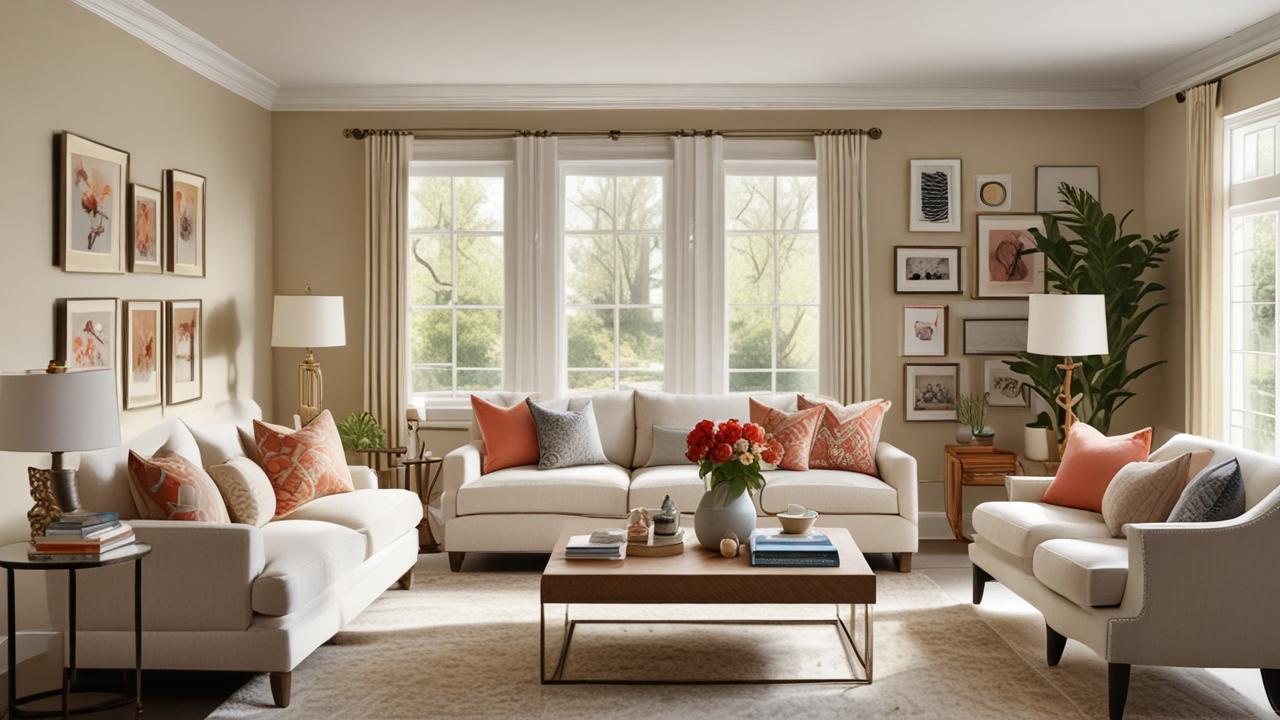
Consider creating a gallery wall with a mix of personal photos, affordable prints, and even interesting postcards or fabric swatches. Thrift stores often have unique frames that you can repaint to match your decor.
Another idea is to use wallpaper remnants or fabric to create unique wall hangings. Large-scale prints or posters can also be very impactful and are often cheaper than original paintings. Look for sales at craft stores or online art marketplaces.
Sometimes, a simple piece of abstract art or a landscape can transform a whole wall.
Here are some budget-friendly wall art ideas:
- Printables: Find free downloadable art online and print it yourself.
- Gallery Wall: Mix photos, prints, and small decorative items in various frames.
- DIY Canvas Art: Paint abstract designs or use stencils on blank canvases.
- Framed Fabric or Wallpaper: Use attractive patterns to add color and texture.
A survey by Houzz found that 63% of homeowners consider artwork important for expressing their personal style. This highlights the impact of wall decor on a room’s overall feel.
Decorative Objects and Plants
Small decorative objects can add character and warmth to your living room. Think about vases, sculptures, candles, and picture frames. Grouping items in odd numbers (like three or five) often creates a more visually appealing arrangement.
When shopping for these items, check discount stores, dollar stores, and thrift shops. You can often find stylish pieces that look much more expensive than they are.
Plants are also fantastic additions to any living room. They bring life, color, and a sense of calm. Many houseplants are relatively inexpensive, and you can often get cuttings from friends or family to grow your own.
Choose plants that suit the light conditions in your living room. For instance, a snake plant or a ZZ plant are very low-maintenance and thrive in various lighting conditions, making them perfect for beginners.
Tips for decorative objects and plants:
- Group items: Arrange decor in clusters for visual impact.
- Vary textures and heights: Mix smooth objects with rough ones and vary their sizes.
- Bring in nature: Plants add life and color to any space.
- Personalize with photos: Display cherished memories in attractive frames.
Adding these personal touches doesn’t require a large budget. It’s about carefully selecting items that you love and arranging them in a way that enhances your living room’s appeal. A few well-chosen decorative items can make a room feel complete and inviting.
Frequently Asked Questions
Question: How can I make my living room look more expensive without spending a lot?
Answer: Focus on quality over quantity. Choose a few key pieces that look good and are well-made. Use neutral colors for large items and add pops of color with accessories.
Good lighting and well-kept plants also make a big difference. Keeping your space tidy and organized can also make it feel more luxurious.
Question: What are some good places to find cheap furniture for my living room?
Answer: Great places include thrift stores, consignment shops, garage sales, and online marketplaces like Craigslist or Facebook Marketplace. You can also find deals during sales events at furniture stores, or by checking out the clearance sections.
Question: Is it worth buying used decor items like lamps or rugs?
Answer: Absolutely! Used decor items can be a fantastic way to save money. Lamps can be rewired if needed, and rugs can often be cleaned.
Inspect them for damage, but you can find unique and high-quality items for a fraction of the new price.
Question: How can I choose the right colors for my living room on a budget?
Answer: Start by picking a main color palette. Neutral colors like beige, grey, or white are affordable and versatile. You can then add accent colors with smaller items like pillows, throws, or art.
Paint is also a relatively inexpensive way to change the feel of a room.
Question: Should I buy a whole living room set or individual pieces?
Answer: Buying individual pieces is usually better for a budget. Living room sets can be expensive and may include items you don’t need. By picking pieces one by one, you can find better deals and ensure each item truly fits your style and space.
📌 Check our Pinterest Profile for more inspiration
View on PinterestWrap Up
Creating a beautiful living room doesn’t require a huge budget. By planning, smart shopping, and focusing on key pieces, you can achieve the look you want. Remember to explore second-hand options, use sales, and consider DIY projects.
Your living room can be both stylish and affordable.