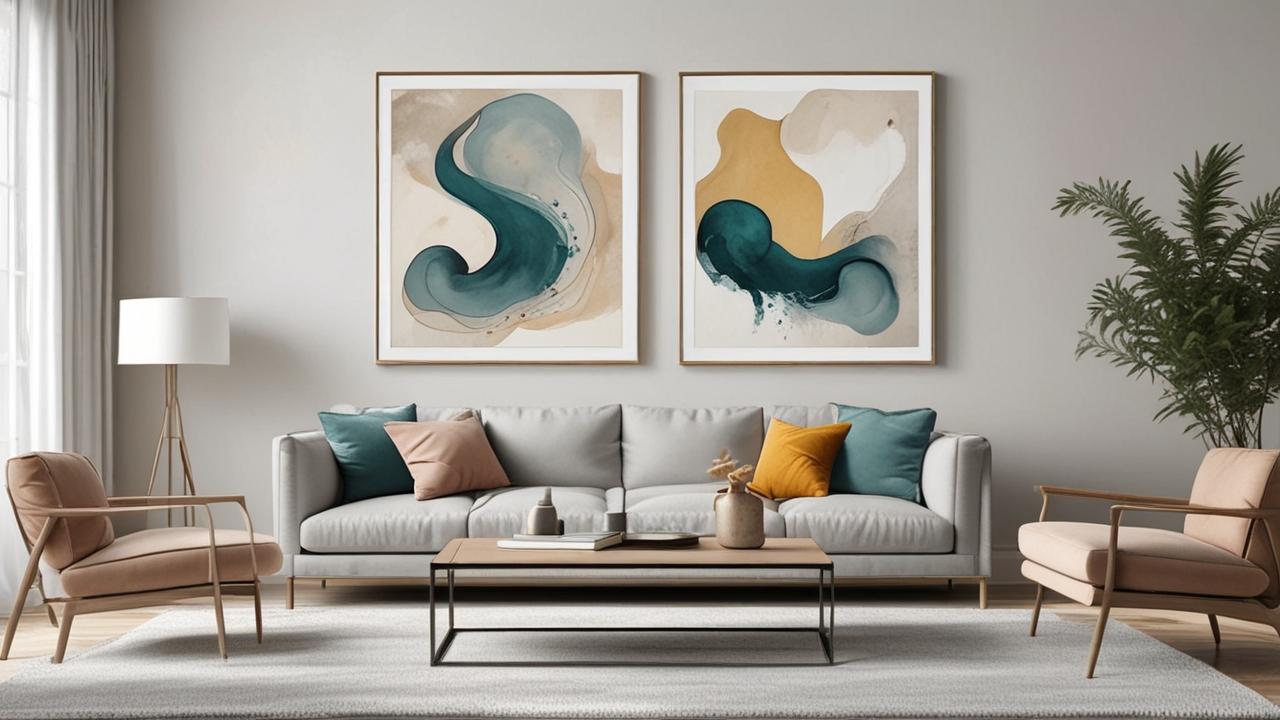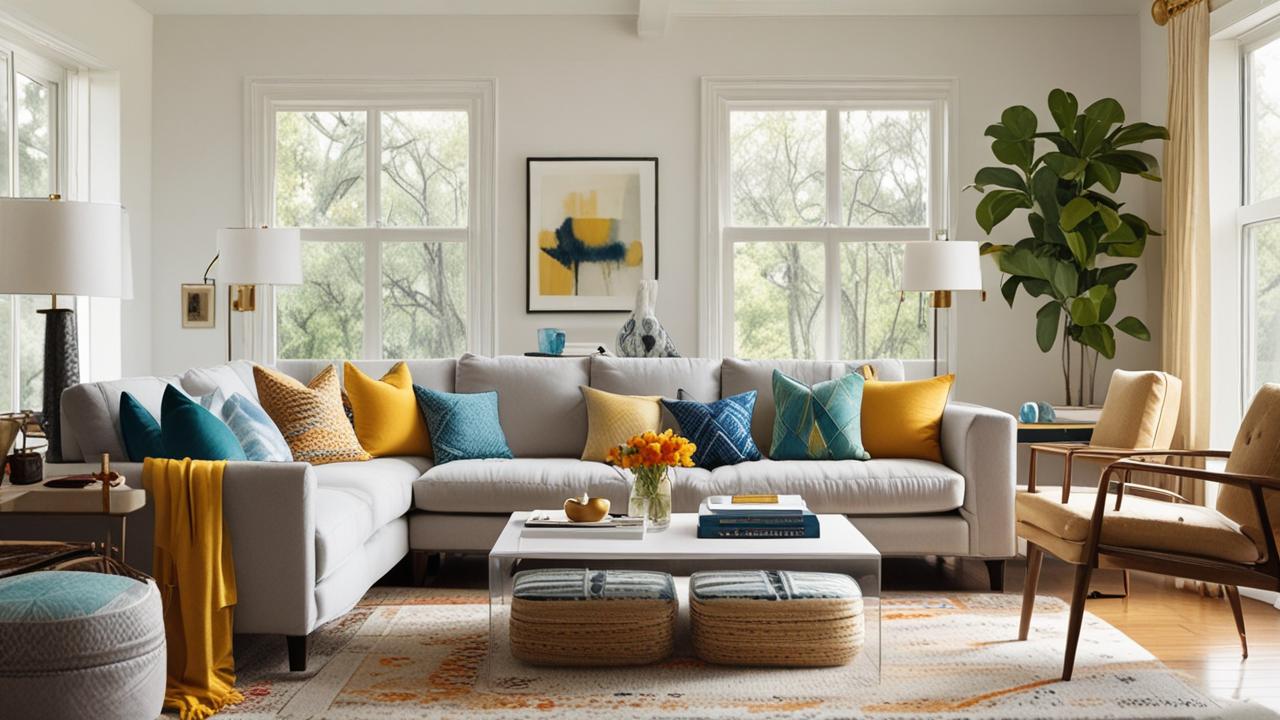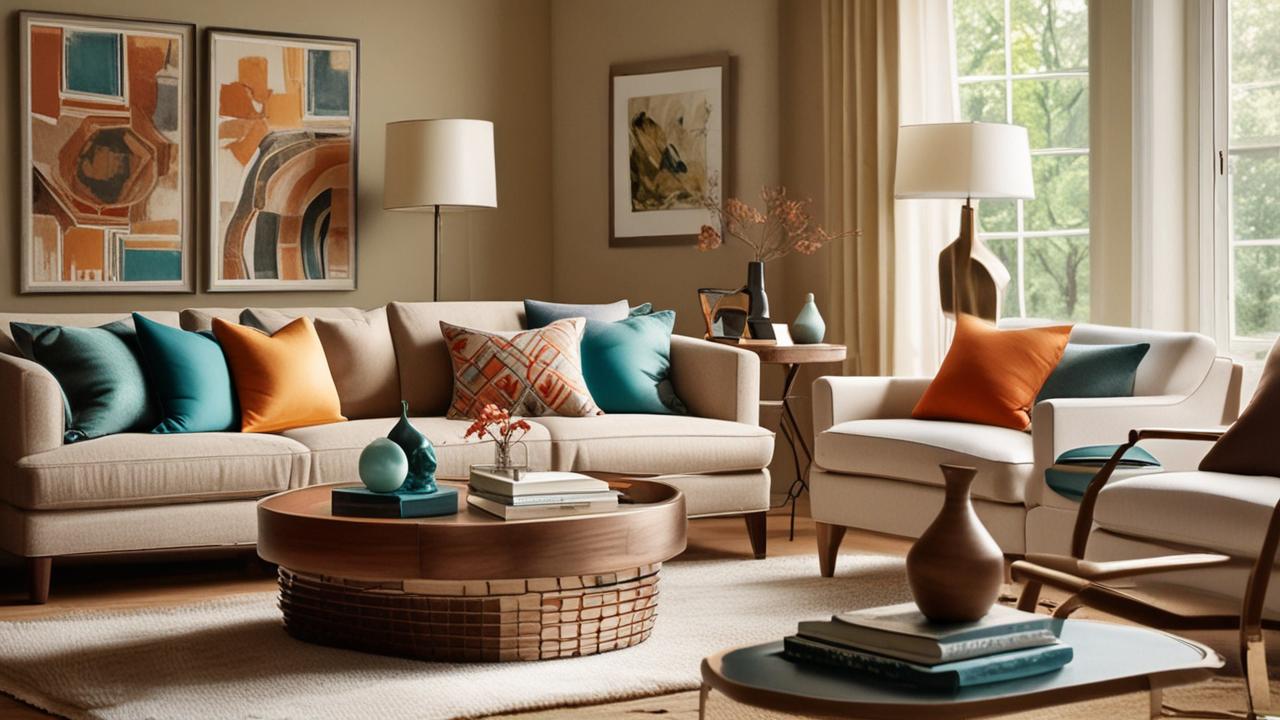
Picking out lamps can feel tricky, especially when you’re just starting to decorate your home. You want lights that look good and fit with everything else you’ve got going on. It’s a common puzzle for many beginners trying to get their space just right.
But don’t worry, it’s simpler than it seems! We’ll walk you through it step-by-step to make How to Choose Lamps That Match Your Decor easy. Get ready to make your rooms shine!
Key Takeaways
- Lamps should complement your room’s current style.
- Consider the size and scale of the lamp for the space.
- Think about the light’s purpose and brightness needed.
- Material and color of the lamp play a big role.
- The lamp’s shade is just as important as the base.
- Don’t forget to think about where the lamp will go.
Finding the Right Style for Your Room
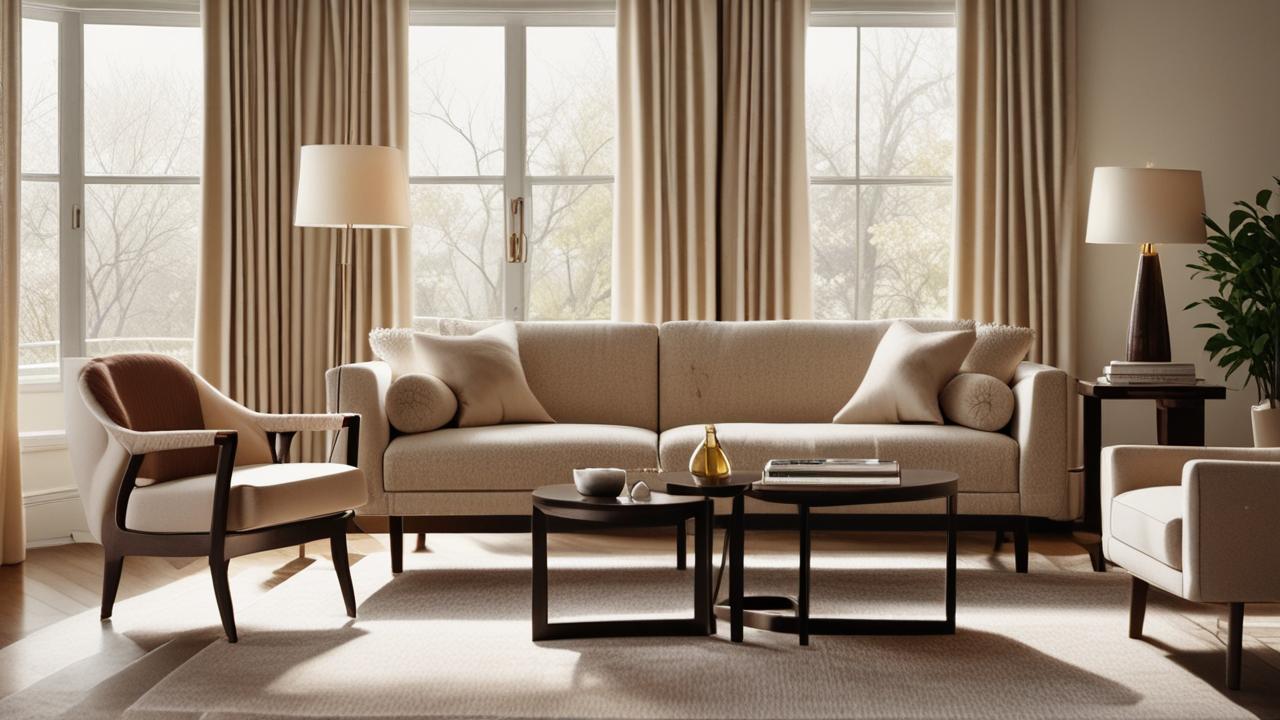
Choosing lamps that fit your room’s look is all about seeing what you already have and what you like. Your room has a style, whether it’s modern, cozy, fancy, or something else. Lamps are like the jewelry for your furniture; they add that finishing touch.
When you pick a lamp, think about the shapes, colors, and materials that are already in the room. Does your room have clean lines and simple shapes? A sleek, modern lamp might be perfect.
Is it full of comfy fabrics and warm colors? A lamp with a bit more detail or a softer finish could work well. The goal is to have the lamp feel like it belongs, like it grew there with everything else.
Matching Modern Styles
Modern decor often uses clean lines, geometric shapes, and a mix of metals and neutral colors. For a modern room, look for lamps with minimalist designs. Think simple bases made from brushed nickel, chrome, or black metal.
Clear glass or acrylic can also work well. The shades should be clean and often drum-shaped or rectangular. Avoid fussy details or elaborate patterns.
A good modern lamp will have a streamlined look that doesn’t distract from the overall clean aesthetic of the space. It should feel functional and visually calm, adding light without adding clutter.
Cozy and Traditional Looks
If your room feels warm and inviting, with lots of soft textures and classic furniture, you’ll want lamps that echo that feeling. Traditional lamps often have bases made from materials like ceramic, wood, or bronze. Look for shapes that are a bit more ornate or have a gentle curve.
The lampshades might be made of fabric, like linen or silk, and could have subtle patterns or fringe. These lamps add a sense of comfort and history to the room. They invite people to relax and make the space feel lived-in and personal.
- Consider the overall aesthetic: Before you even look at lamps, take a good look around your room. What words would you use to describe its style? Is it rustic, industrial, bohemian, or something else?
- Look at your existing furniture and decor: Notice the shapes, colors, and materials of your sofa, chairs, tables, and other decorative items. Your lamps should harmonize with these elements.
- Think about the lamp’s silhouette: The shape of the lamp base and shade contributes significantly to its style. A tall, slender lamp has a different feel than a short, wide one.
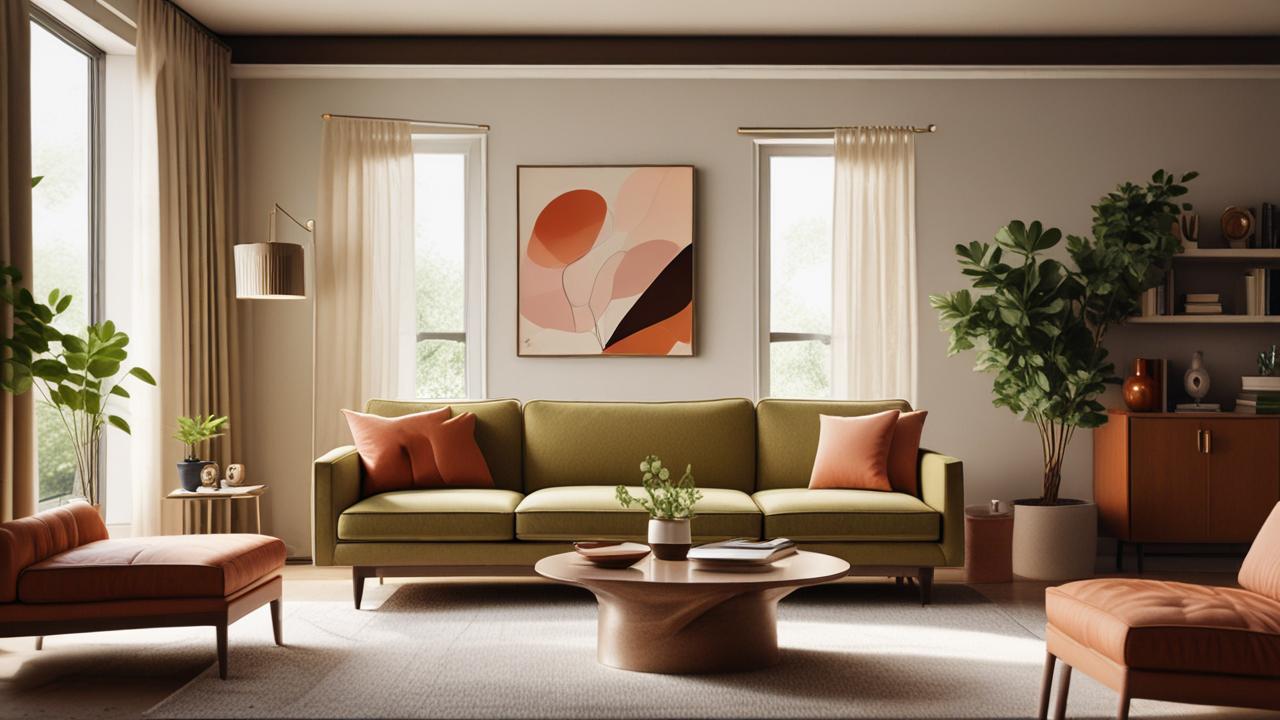
When you’re trying to match a style, it’s helpful to see examples. Imagine a sleek, silver lamp with a white cylindrical shade sitting next to a dark wood coffee table and a grey sofa. That’s a modern look.
Now, picture a ceramic lamp with a blue floral pattern and a pleated fabric shade on a side table with a warm wooden leg and a plush, patterned armchair. That’s a more traditional or country feel. These visual cues help solidify what kind of lamp works best for different decor themes.
Size Matters: Lamp Scale and Proportion
The size of a lamp is super important for how it looks and works in a room. A lamp that’s too big can make a space feel crowded. One that’s too small can get lost and won’t provide enough light.
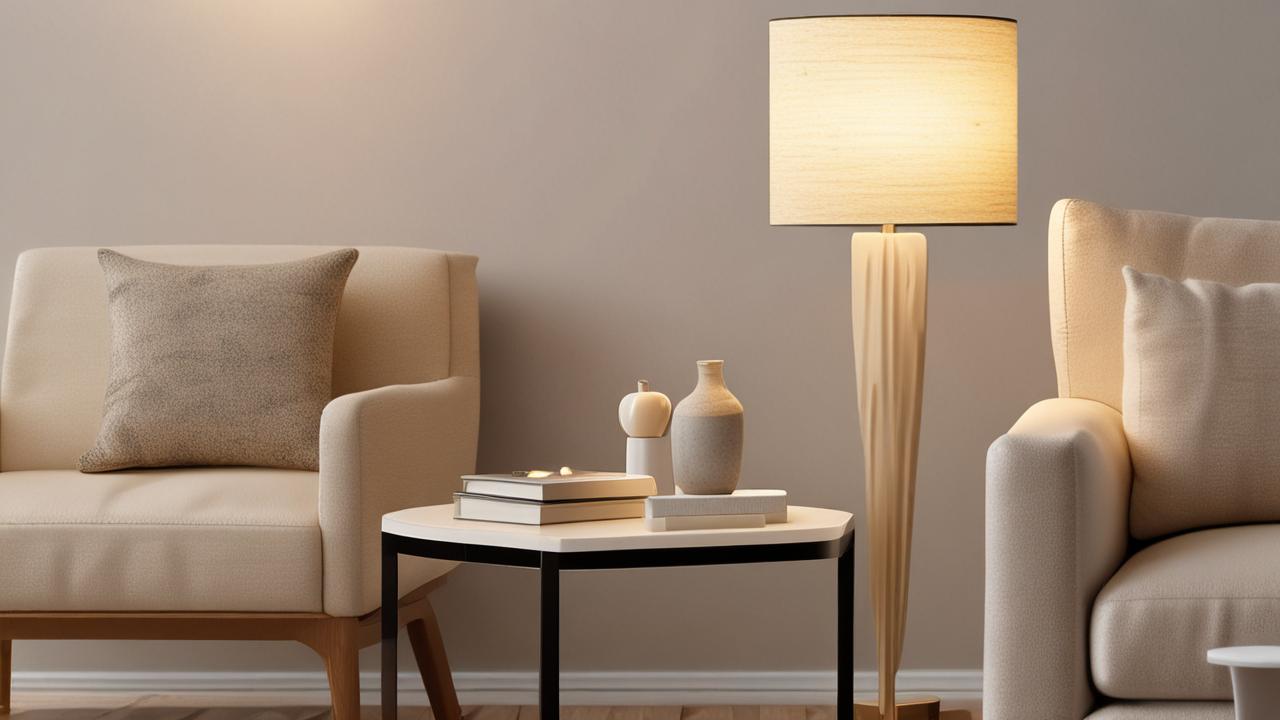
Think about the furniture it will be next to. For a bedside table, a smaller lamp that leaves room for books and a phone is ideal. For a large living room end table, you can probably go with a more substantial lamp.
The height is also key. When you’re sitting down, the bottom of the lampshade should ideally be around eye level. This helps direct light downwards and avoids glare.
Table Lamps and Their Placement
Table lamps come in many sizes, from tiny accent lamps to quite large statement pieces. When placing a table lamp, consider the surface it will sit on. A heavy lamp needs a sturdy table.
If it’s going on a narrow shelf, a slim lamp is better. For reading areas, place a lamp beside your armchair or sofa. The light should fall on your book or task.
On a console table in an entryway, a pair of lamps can create a welcoming glow. Always measure the space before you buy to ensure a good fit. Don’t forget to check the cord length and outlet availability too.
Floor Lamps for Ambiance and Task Lighting
Floor lamps are fantastic for adding extra light without taking up table space. Arc floor lamps can extend over a sofa for reading. Torchiere floor lamps send light upwards, casting a soft, diffused glow across the ceiling, which is great for general room lighting.
They are also good for filling empty corners and adding height to a room’s design. Consider the height and reach of the floor lamp to make sure it fits your needs and doesn’t feel in the way. A tall, thin floor lamp can make a room feel larger.
- Match lamp height to furniture: For table lamps, the shade’s bottom edge should generally be around eye level when seated. Floor lamps should complement the height of nearby furniture.
- Consider the lamp’s width: A lamp’s base shouldn’t overwhelm the table or surface it’s on. Ensure there’s enough space around it for other items.
- Think about room scale: Large rooms can handle larger lamps, while smaller spaces benefit from more scaled-down options to avoid feeling cramped.
Let’s look at an example. Imagine a small apartment living room with a compact loveseat and a narrow end table. A massive table lamp with a wide, ornate base would look out of place and make the table feel unusable.
Instead, a slim table lamp with a simple, light-colored shade would be a better choice. It would provide enough light for reading without overwhelming the small space. For a large open-plan living area with a big sectional sofa, a substantial floor lamp with a wide reach or a pair of generous table lamps would create a more balanced and inviting atmosphere.
The Purpose of Light: Brightness and Function
Lamps are not just for looks; they are a key source of light. Think about what you’ll use the lamp for. Do you need bright light for reading or working?
Or do you want a softer light for relaxing and setting a mood? The type of bulb you use also makes a big difference in brightness and color. LED bulbs are energy-efficient and come in various brightness levels and color temperatures.
You can get warm, cozy light or cool, crisp light. This choice affects how the room feels.
Ambient Lighting Needs
Ambient lighting is the main, overall light in a room. Lamps that provide ambient light should offer a soft, diffused glow. Table lamps with fabric shades or floor lamps that bounce light off the ceiling are good for this.
The goal is to light up the entire space so you can comfortably move around. You might need multiple lamps in a larger room to achieve an even distribution of light. This type of lighting makes the room feel welcoming and complete.
Task Lighting for Activities
Task lighting is focused, brighter light for specific activities. If you read a lot, you’ll need a good reading lamp next to your favorite chair. If you work at a desk, a desk lamp is essential.
These lamps should direct light onto the task area without causing shadows. Adjustable lamps are great for task lighting because you can move them to where you need them most. Consider the color of the light; a cooler, brighter light is often better for tasks that require focus.
- Identify the lamp’s primary job: Will it be for general room light, reading, or decoration?
- Consider brightness levels: Some lamps are dimmable, offering flexibility for different moods and tasks.
- Think about bulb type: LEDs offer variety in brightness (lumens) and color temperature (kelvins) to suit your needs.
Imagine a living room where the main ceiling light is too harsh for relaxing evenings. Adding a few table lamps with warm-toned bulbs and fabric shades creates a much cozier atmosphere. The light is soft and spread out, perfect for watching TV or chatting.
On the other hand, if you have a craft room, you need bright, focused light over your workspace. A flexible desk lamp that you can adjust to shine directly on your project is essential. This type of targeted light prevents eye strain and helps you see details clearly.
Materials, Colors, and Textures
The materials, colors, and textures of lamps are key to making them blend with your decor. A shiny chrome lamp will look very different next to a rustic wooden table than a lamp made of hammered metal or glazed ceramic. Think about the feeling you want to create.
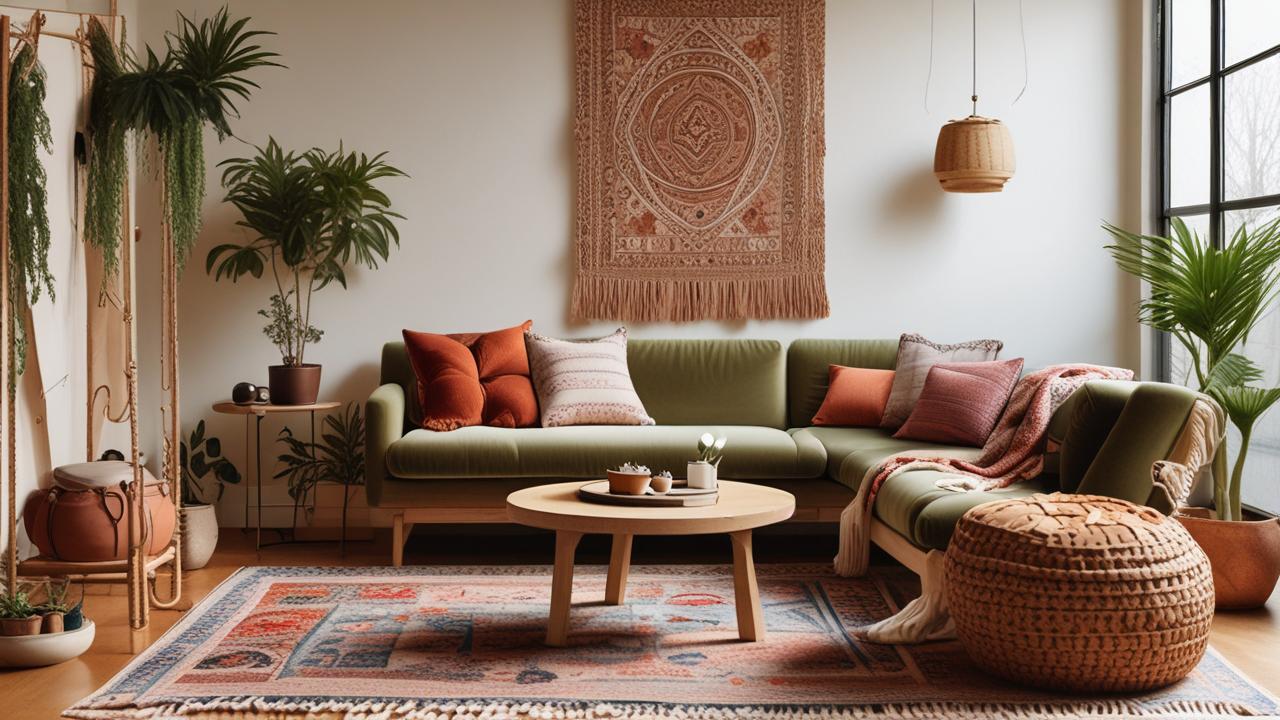
For a natural, earthy feel, lamps made of wood, rattan, or stone work well. For a more glamorous look, consider lamps with metallic finishes or glass. The color of the lamp base and shade should also harmonize with your room’s color scheme.
Base Materials and Finishes
Lamp bases come in a huge variety of materials. Metal is popular, offering finishes like brass, brushed nickel, matte black, and antique bronze. These can lean modern, traditional, or industrial depending on the style.
Ceramic bases offer endless color and pattern possibilities, from bright solid colors to intricate hand-painted designs. Wood bases bring warmth and texture, fitting well in many styles. Glass bases can add a touch of elegance or a modern, airy feel.
Shade Styles and Materials
The lampshade is often the most visible part of the lamp. Shades affect the quality and direction of light. Fabric shades, like linen or cotton, diffuse light softly.
Drum shades offer a clean, contemporary look, while empire shades are more traditional. Metal shades can direct light downwards, useful for task lighting. The color of the shade also matters; a white or off-white shade will allow more light through than a dark or heavily patterned one.
Consider the shade’s texture too – a woven shade adds a different feel than a smooth silk one.
- Material harmony: If your room has a lot of wood, a wooden lamp base might fit well. If you have lots of metal accents, a metal lamp could be a good match.
- Color coordination: Choose lamp colors that either match or contrast pleasingly with your walls, furniture, and other decor items.
- Texture play: Mixing textures can add depth. A smooth lamp base with a textured shade, or vice versa, can be visually interesting.
Let’s say you have a living room with a navy blue sofa and light grey walls. A lamp with a navy ceramic base and a cream linen shade would tie into the room’s colors nicely. It would connect the lamp to the sofa without being too matchy-matchy.
Or, consider a room with a lot of natural wood furniture. A lamp with a light-colored wood base and a natural woven shade would reinforce that organic, earthy feel. The texture of the weave would add another layer of interest to the visual design.
Putting it all Together: Final Checks
Once you’ve thought about style, size, light needs, and materials, it’s time for the final checks. You want to make sure the lamp you choose actually works in your space. This means looking at where the cord will go and if there are enough outlets.
It also means thinking about how the lamp will look when it’s on and when it’s off. Sometimes a lamp is beautiful but the light it gives off isn’t quite right. Testing lamps if possible, or looking at reviews, can help avoid surprises.
Cord Management and Outlet Access
A beautiful lamp can be ruined by a messy cord. Think about where the lamp will plug in. Is it near an outlet?
Can the cord be hidden behind furniture? Some lamps have longer cords, which offer more flexibility. Others have shorter cords.
If you have a lot of cords, consider cord covers or organizers to keep things tidy. For floor lamps, the placement of the switch is also important – can you reach it easily?
Visual Appeal When On and Off
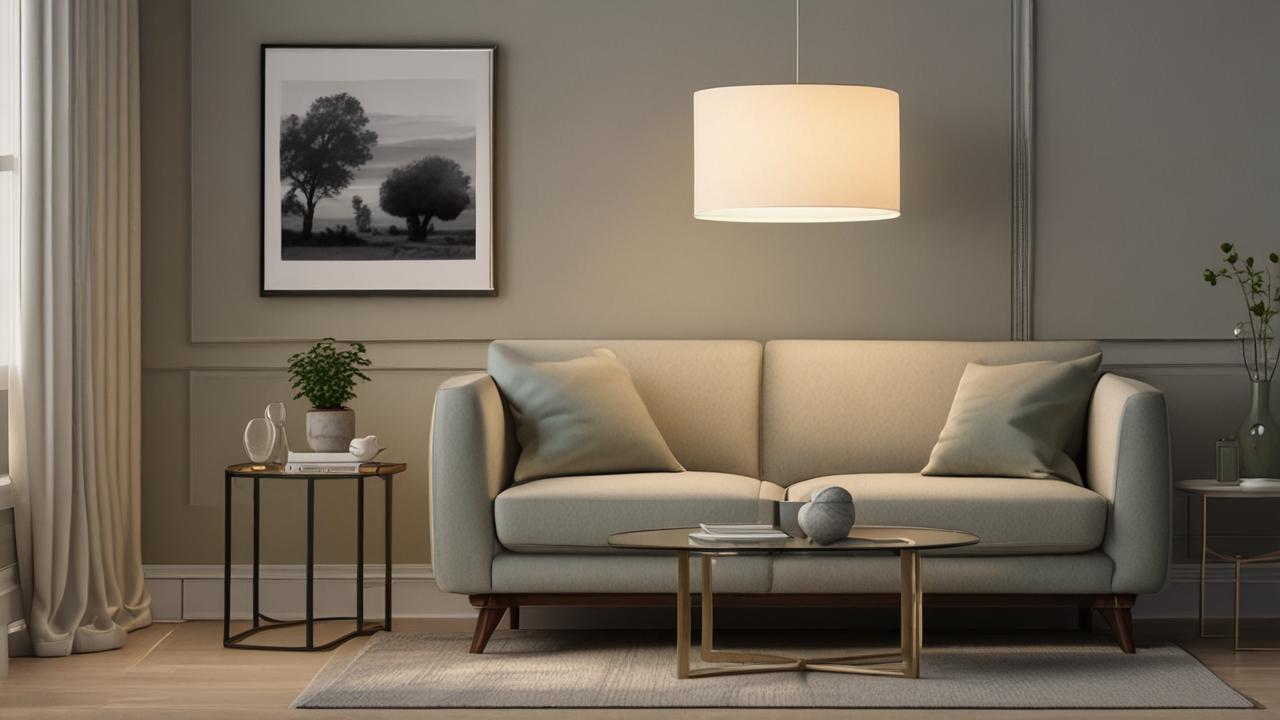
A lamp should look good both when it’s lit and when it’s not. Some lamps cast a very attractive glow, highlighting patterns or textures in their base or shade. Others might create harsh shadows or an unflattering light.
Consider the shade’s transparency and how much light it allows to pass through. If the lamp is a focal point, its design when off is important, but its lighting effect when on is crucial for the room’s ambiance. A lamp that offers both great looks and great light is the ideal find.
- Test it out: If possible, plug the lamp in and turn it on before buying to see the light quality.
- Consider the cord: Make sure the cord can be run discreetly to an outlet without being a tripping hazard or an eyesore.
- Look at the whole Does the lamp’s appearance when off complement the room, and does its light output create the desired atmosphere when on?
For instance, you find a stunning lamp with a dark, intricate metal base and a deep red shade. When it’s off, it looks like a piece of art. However, when you turn it on, it barely casts any light, and the red shade makes the room feel dim and gloomy.
This lamp might be better suited as a decorative accent piece in a room that already has plenty of other light sources. In contrast, a lamp with a simple white ceramic base and a frosted glass shade might not be as striking when off, but it provides a bright, even light that’s perfect for a workspace.
Frequently Asked Questions
Question: What is the most important factor when choosing a lamp?
Answer: The most important factor is how the lamp fits with your room’s overall style and the light it provides for your needs.
Question: Should lamps match exactly?
Answer: No, lamps don’t need to match exactly. They should complement each other and the room’s decor.
Question: How tall should a table lamp be?
Answer: Generally, the bottom of the lampshade should be around eye level when you are seated.
Question: Can I use different types of lamps in one room?
Answer: Yes, using a mix of table and floor lamps can create depth and provide varied lighting.
Question: What are LSI keywords?
Answer: LSI keywords are terms that are semantically related to your main topic and help search engines understand the context of your content.
📌 Check our Pinterest Profile for more inspiration
View on PinterestFinal Thoughts
Picking lamps that fit your decor is about balancing style, size, and light. Focus on how the lamp looks with your furniture and what kind of light it gives. Make sure the size is right for the space.
Choose materials and colors that feel good. With these simple steps, you can easily find lamps that make your home look and feel just right.