Picking out the perfect artwork to go with your sofa can feel like a puzzle, especially when you’re just starting to decorate. You want it to look nice, but how do you make sure it all fits together? Don’t worry, it’s not as tricky as it sounds.
We’ll walk through it step-by-step. First, let’s look at some quick tips that will make things clear.
Key Takeaways
- You’ll learn how color and style connect your art to your sofa.
- We’ll show you how to pick the right size for your wall space.
- You’ll discover ways to match the mood and feeling of the art to your room.
- We’ll cover different types of art and how they work with sofa styles.
- You’ll get ideas on where to find great wall art that suits your needs.
- By the end, you’ll feel confident choosing wall art that looks amazing with your sofa.
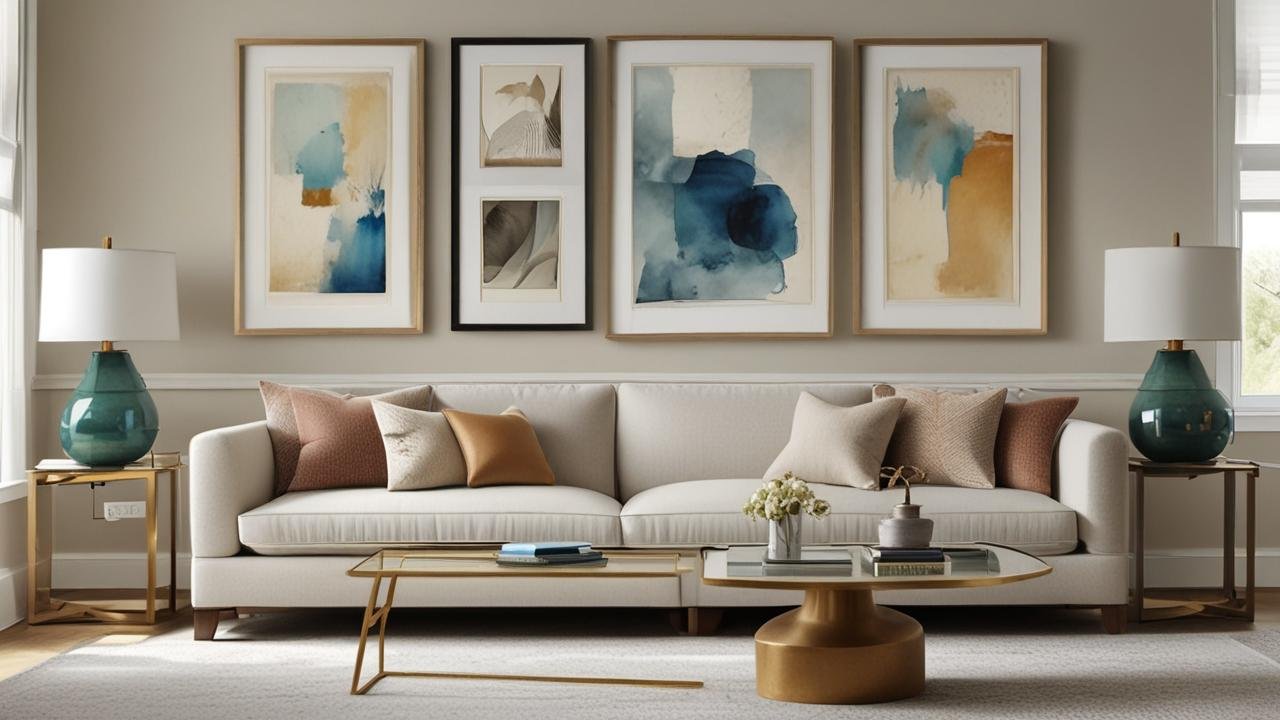
How to Choose Wall Art That Matches Your Sofa: A Simple Guide
Selecting wall art that perfectly complements your sofa is a key step in creating a beautiful and cohesive living space. Many beginners find this task a bit challenging because there are several elements to consider, from color and size to style and personal preference. This guide aims to simplify the process, offering clear, actionable advice to help you make the best choices.
We will explore the factors that make art and furniture look good together, helping you transform your room into a stylish haven. Get ready to make your decorating decisions with ease.
The Magic of Color: Blending Art and Your Sofa
Color is one of the most powerful tools you have when matching wall art to your sofa. The hues in your artwork can either echo the colors already present in your sofa or introduce new tones that create a vibrant contrast. Understanding color theory, even at a basic level, can help you achieve a harmonious look.
Think about the mood you want to set in your room. Do you want something calming and serene, or bold and energetic? The colors you choose will play a big part in this.
When your sofa is a neutral color like grey, beige, or cream, you have a lot of freedom. You can bring in almost any color with your art. Consider pulling a subtle shade from your sofa and amplifying it in the artwork, or go for a completely different palette that makes the art pop.
If your sofa has a strong color, like a deep blue or a rich red, look for art that includes that color, perhaps in a lighter or darker shade, or find colors that naturally pair well with it. For example, blue often looks great with orange or yellow accents in art.
Color Harmony: This is about how colors work together. Analogous colors, which are next to each other on the color wheel (like blue and green), create a calm and pleasing effect. Complementary colors, which are opposite each other (like blue and orange), create a high contrast that is very dynamic and eye-catching.
Triadic colors, which are evenly spaced on the color wheel, offer a balanced yet vibrant combination.
Color Palette Coordination: Think of your room as having a color palette. Your sofa is a major piece of that palette. The wall art can then pick up on other colors in the room, like your rug, throw pillows, or curtains.
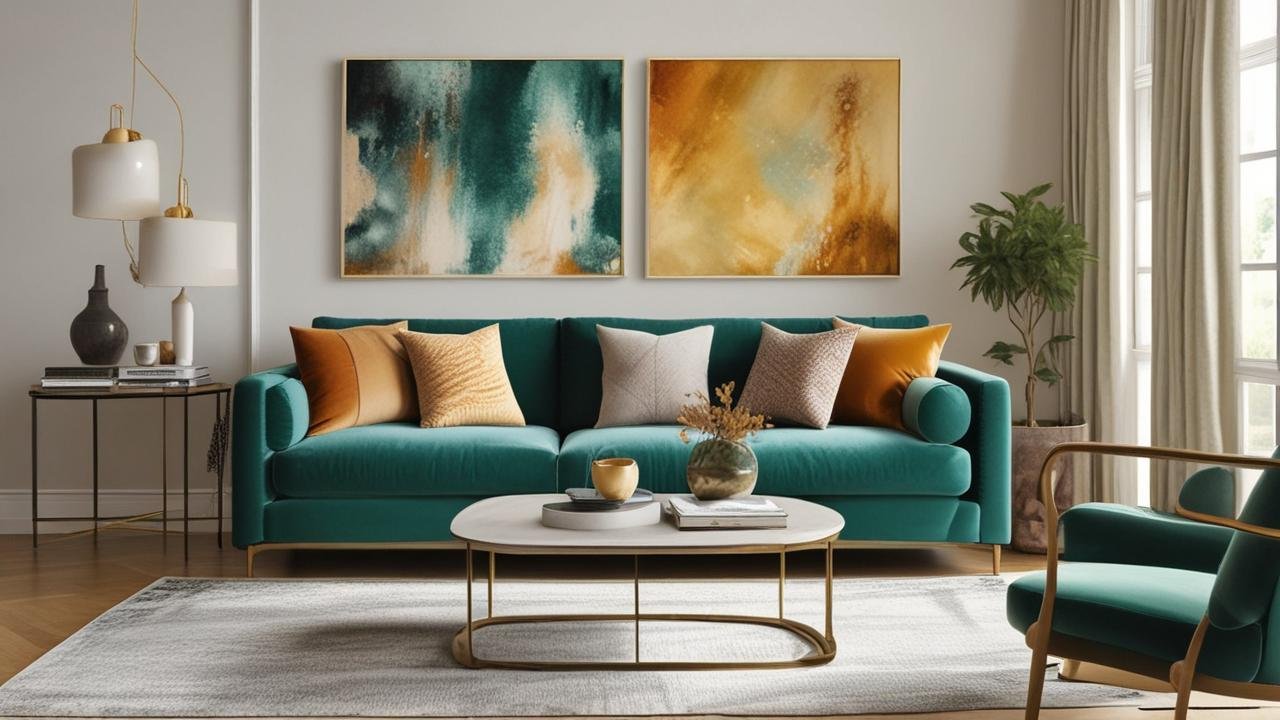
If your sofa is navy, and you have a few gold accent pieces, finding art with both navy and gold can tie everything together beautifully. This creates a sense of intentional design.
Personal Preference: Ultimately, the colors you are drawn to are the most important. If you love a certain color, even if it’s not a traditional match, it can work. The key is to make it feel right to you.
Sometimes a bold, unexpected color choice can be the most striking and personal touch.
Imagine a living room with a charcoal grey sofa. The walls are a soft white. You could choose a large abstract canvas featuring strokes of deep teal, bright coral, and hints of charcoal.
The teal and coral would add color and life, while the charcoal echoes the sofa, making it feel connected. This approach is straightforward and effective.
Another scenario: A bright red sofa. Instead of matching the red, you might select art with cool blues and greens, perhaps a landscape painting. The contrast between the warm red sofa and the cool tones in the art creates a sophisticated balance.
You might also find art that includes a touch of a neutral tone, like cream or grey, to bridge the gap.
Finding the Right Size and Scale for Your Space
The size of your wall art is just as crucial as its color when it comes to matching it with your sofa. Art that is too small can look lost on a large wall, making the space feel unfinished. Conversely, art that is too large can overwhelm the sofa and the room, making it feel cramped.
The general rule is to consider the visual weight of your sofa and the wall space it occupies.
A good starting point is to think about the width of your sofa. The artwork should ideally be about two-thirds to three-quarters the width of your sofa. This provides a balanced visual relationship.
If you are hanging art above a sofa, it should also be hung at a height where the bottom of the frame is roughly 6 to 8 inches above the top of the sofa back. This ensures there’s a comfortable visual gap.
Visual Balance: When art is too small, it feels like an afterthought. A common mistake is hanging a single small picture above a large sofa. Instead, consider a gallery wall of smaller pieces, a large single piece, or a diptych or triptych (two or three pieces that work together) to fill the space appropriately.
This creates a more substantial presence.
Height Matters: Eye level is typically around 57 to 60 inches from the floor to the center of the artwork. When placing art above furniture, remember to account for the height of the furniture itself. You want the art to feel like a natural extension of the seating area, not floating too high or too low.
Room Scale: The overall size of your room also dictates the scale of your art. A large, open-plan living room can handle larger and bolder pieces of art. A smaller, cozier room might benefit from slightly smaller pieces or a carefully arranged collection of smaller works that don’t dominate the space.
Consider a sofa that is 80 inches wide. You might look for a single piece of art that is around 50-60 inches wide. Or, you could arrange a collection of three pieces, where the combined width of the frames (with a little space between them) also falls into that range.
Here’s a simple way to check: Imagine your sofa is on the floor. Take masking tape and outline a rectangular shape on the wall above it that represents the size of the art you’re considering. Step back and see how it looks.
Does it feel right? This visual test is very effective.
Matching the Style and Mood of Your Sofa
Beyond color and size, the style and mood of your wall art should align with your sofa and the overall aesthetic of your room. A modern, minimalist sofa might look best with abstract art or clean, graphic prints. A traditional, plush sofa could be complemented by classic landscapes, still lifes, or more ornate pieces.
Think about the feeling you want your living room to evoke. Is it a place for relaxation and comfort, or is it a more formal space for entertaining? The art you choose can greatly influence this atmosphere.
A serene nature scene can promote a sense of calm, while a vibrant, energetic piece can add excitement.
Modern and Contemporary: These styles often feature clean lines, geometric shapes, and abstract designs. Art with bold colors, minimalist compositions, or photographic prints can work well. Think of a sleek, low-profile sofa paired with a large abstract painting in black, white, and a single accent color.
Traditional and Classic: This style leans towards comfort and elegance. Art that complements this might include realistic portraits, historical scenes, or detailed landscapes. A velvet sofa with traditional tufting could be beautifully adorned with a framed oil painting of a European countryside or a classic still life.
Bohemian and Eclectic: If your style is more free-spirited, you can mix and match. This is where you can combine different art styles, textures, and eras. A vintage rug, a patterned sofa, and a gallery wall featuring a mix of framed prints, textile art, and even found objects can create a rich, layered look.
Mood Setting: Consider the emotional impact of the art. A stormy seascape might create a dramatic mood, while a sunny beach scene evokes a feeling of peace and vacation. Choose art that makes you feel good and reflects your personality.
If your sofa is designed for cozy evenings, choose art that enhances that feeling of comfort and warmth.
A practical example is a mid-century modern sofa. This style often has clean lines and organic shapes. Artwork that fits this aesthetic would be abstract pieces with organic forms, graphic prints with bold typography, or even vintage travel posters from the era.
These choices reinforce the sofa’s design and the room’s overall theme.
Conversely, if you have a very ornate, French provincial style sofa, you might opt for art that features floral motifs, classical scenes, or gilded frames that echo the sofa’s decorative details. The goal is a cohesive conversation between the furniture and the art.
Exploring Different Art Mediums and Styles
The world of wall art is vast, offering a variety of mediums and styles that can transform your living space. Understanding these options will help you find pieces that not only match your sofa but also speak to your personal taste and enhance your home’s decor.
Paintings: From vibrant oil paintings to delicate watercolors, this is a classic choice. Abstract paintings offer a modern feel, while impressionistic or realistic landscapes can bring a sense of place or tranquility. The texture and brushstrokes of a painting add depth and character.
Prints: Posters, giclée prints, and lithographs are often more affordable and come in countless styles. They are great for experimenting with trends or for creating gallery walls. Limited edition prints can offer unique artwork without the higher cost of original paintings.
Photography: Black and white photography can add sophistication, while color photography can capture stunning natural scenes or urban landscapes. A well-chosen photograph can be incredibly impactful and versatile.
Textile Art: Tapestries, macrame wall hangings, and framed fabric art add texture and warmth. These pieces can bring a unique, handcrafted feel to a room, especially fitting for bohemian or rustic decor styles.
Sculpture and 3D Art: While less common for wall hanging above a sofa, interesting wall sculptures or textured pieces can add a unique dimension. Consider pieces with interesting materials or forms that draw the eye.
Gallery Walls: These involve arranging multiple pieces of art together. This allows you to mix different styles, sizes, and mediums to create a personalized display. It’s a fantastic way to fill a large wall space and showcase a collection of your favorite images or art pieces.
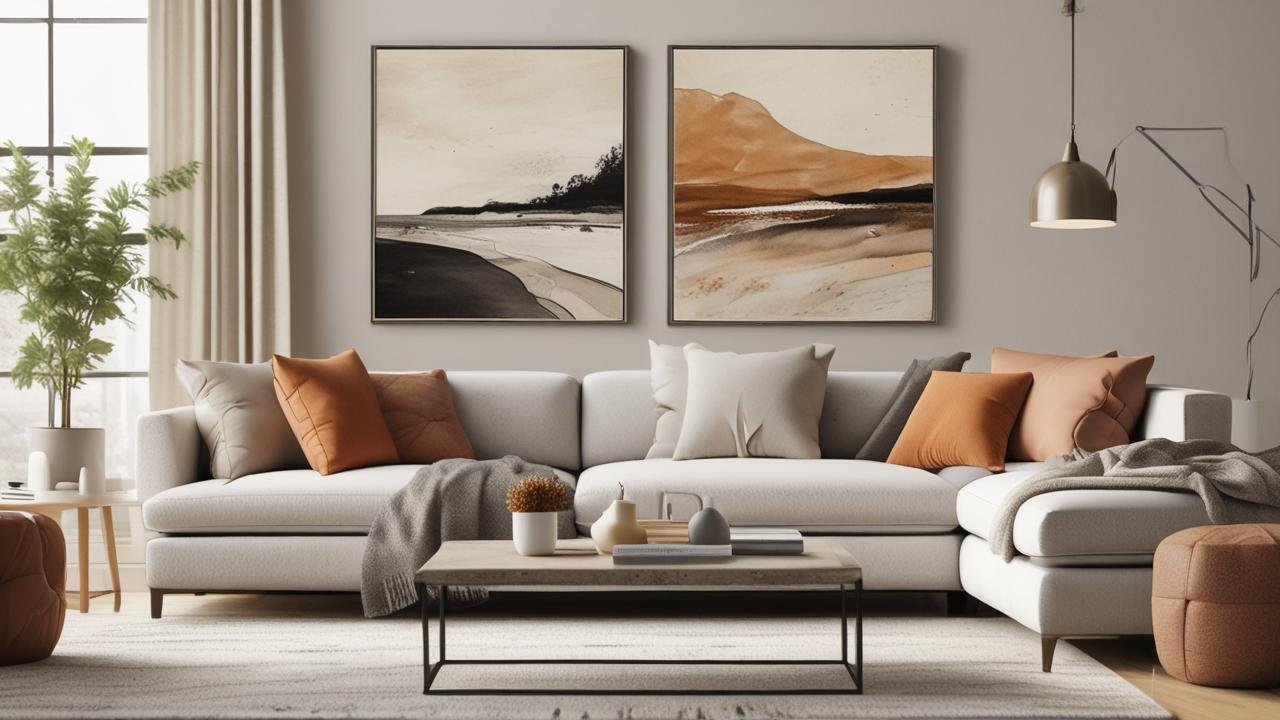
Consider a sectional sofa that takes up a significant portion of a wall. A single large abstract painting could work, or a dynamic gallery wall featuring a mix of framed prints, a vintage map, and a small textile piece could create a focal point that feels balanced and engaging.
If you have a leather sofa, you might find that metal art or pieces with a more industrial feel complement its texture and ruggedness. Or, to soften it, you could choose art with warmer, more organic colors and softer imagery.
The choice of art medium and style is about finding pieces that resonate with you and enhance the overall ambiance you’re trying to create. Don’t be afraid to mix and match, as long as there’s a thread of connection—be it color, theme, or style—that holds it all together.
Where to Find the Perfect Wall Art
Once you have a clearer idea of what you’re looking for, the next step is knowing where to find it. There are many sources for wall art, catering to different budgets and aesthetic preferences. Exploring these options can lead you to discover unique pieces that truly speak to you and your space.
Online Retailers: Websites like Etsy, Society6, and Wayfair offer a vast selection of art from independent artists and larger brands. You can often filter by style, color, price, and size, making the search more efficient. Many offer prints of original works, which can be more affordable.
Art Galleries: Local art galleries are excellent places to discover original artwork by emerging and established artists. While prices can be higher, you get unique pieces and support the art community. It’s also a great way to see art in person before buying.
Museum Shops: Museum gift shops often carry high-quality prints of famous works, as well as art-inspired home decor. These can be a great source for classic or art historical pieces.
Home Decor Stores: Large chains like IKEA, HomeGoods, and Target often have a good selection of affordable prints, canvases, and framed art. These are perfect for finding trendy pieces or filling space on a budget.
DIY and Custom Options: For a truly unique touch, consider creating your own art or commissioning a piece. This could be anything from a painted canvas to a framed piece of beautiful wallpaper or fabric. Custom framing services can also elevate even simple prints.
Let’s say you’ve found the perfect sofa, but you’re on a tight budget. Checking out sites like Etsy for independent artists or even looking at thrift stores for unique frames that you can then fill with your own prints or photographs can be a great strategy. You can often find amazing deals.
If you are looking for a specific piece to match a very particular sofa style, like a vintage velvet sofa, a local antique shop or an online marketplace specializing in vintage goods might be your best bet. You could find a historical print or a piece that just has that old-world charm.
The key is to be patient and persistent. Sometimes the perfect piece isn’t the first one you see, but exploring different avenues will increase your chances of finding something special that perfectly complements your sofa and your home.
Frequently Asked Questions
Question: What is the best way to measure wall art for a sofa?
Answer: A good rule of thumb is to choose artwork that is about two-thirds to three-quarters the width of your sofa. Also, aim to hang the bottom of the art about 6 to 8 inches above the top of the sofa back.
Question: Should wall art match the sofa exactly?
Answer: Not at all! It’s better if the art complements or contrasts with your sofa. You can pull a color from your sofa and use it in the art, or choose art with colors that create a pleasing balance.
Question: What if I have a very colorful sofa?
Answer: If your sofa is very colorful, you have a few options. You can choose art that includes the sofa’s color but in a different shade, or pick art with more neutral tones to create a calming effect. Alternatively, you can choose art with bold, contrasting colors for a striking look.
Question: How many pieces of art should I hang above a sofa?
Answer: This depends on the size of the wall space and the size of the art. You can hang one large piece, a diptych or triptych, or create a gallery wall. The goal is to fill the space in a balanced way.
Question: Can I mix different styles of art above my sofa?
Answer: Yes, you absolutely can! Mixing styles can create a unique and personal look, especially for gallery walls. Just make sure there’s a common thread, like a color scheme or theme, that ties the pieces together.
📌 Check our Pinterest Profile for more inspiration
View on PinterestWrap Up
Choosing wall art that fits your sofa is about balancing color, size, and style. You want pieces that feel connected but also stand out. By considering these simple ideas, you can create a beautiful and inviting space.
Enjoy making your walls look amazing!