Picking the right rug size for your living room can seem tricky, especially if you’re new to decorating. It’s easy to get confused with all the options out there, and nobody wants to buy a rug that looks too big or too small for their space. But don’t worry!
We’ll walk you through it step-by-step to make it super simple. Get ready to learn how to make your living room look amazing with the perfect rug.
Key Takeaways
- You will learn simple ways to measure your living room for a rug.
- You will discover common rug sizes and where they best fit.
- You will understand how furniture placement affects rug choice.
- You will find out how to create a balanced look with your rug.
- You will gain confidence in choosing the ideal rug size.
The Importance of Proper Rug Sizing
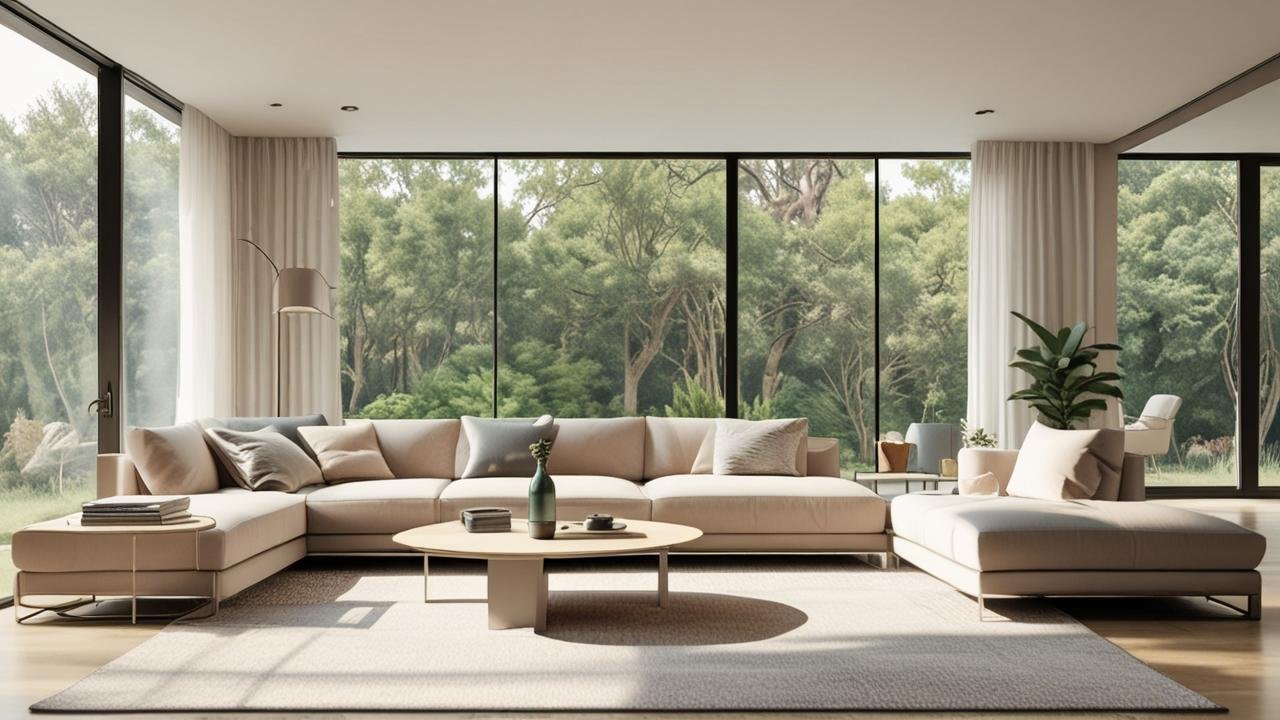
Getting the rug size right is a big deal for your living room. A rug that’s too small can make your room feel unfinished, almost like a postage stamp in a big space. On the other hand, a rug that’s too large can overwhelm the room and make it feel crowded.
The perfect size rug pulls everything together, making the space feel more cohesive and inviting. It acts as an anchor, defining the seating area and adding warmth and texture. Think of it as the foundation for your furniture arrangement.
When a rug is sized just right, it creates a sense of flow. It can make a small room feel bigger by visually extending the space. In a large room, a well-sized rug can help to break it up into cozy, functional zones.
This makes the whole area feel more comfortable and lived-in. It’s a simple change that makes a huge difference in how your living room looks and feels. Let’s explore how to achieve this perfect balance.
Defining Your Living Room’s Layout
Before you even think about rug sizes, you need to know how your living room is set up. Where does your sofa go? Where are the chairs?
Are there any other pieces of furniture, like a coffee table or side tables? Sketching out a quick diagram of your room can be really helpful. This map will show you the main areas where you’ll place furniture and, by extension, your rug.
Consider the main purpose of your living room. Is it for watching TV, entertaining guests, or reading? The layout will guide you.
For instance, if you have a large sectional sofa, you’ll need a different size rug than if you have two smaller love seats facing each other. Understanding your room’s existing structure is the first step to finding the perfect rug that complements it without overpowering it.
Measuring Your Space Accurately
Measuring is key to getting the right rug size. You’ll want to measure the area where your main furniture will sit. For a typical living room seating area, this means measuring the space that includes your sofa, chairs, and coffee table.
A common mistake is just measuring the space between furniture legs. Instead, you want to consider the entire arrangement as a unit.
Use a measuring tape to get these measurements. It’s best to measure in feet and inches. Write down the length and width of this main seating zone.
This will give you a clear target for your rug dimensions. Don’t forget to account for traffic flow around the furniture. You don’t want the rug to be so large that it blocks pathways.
A useful tip is to use painter’s tape to mark out potential rug sizes on your floor. This lets you see how different dimensions would look and feel in your actual space. Walk around the taped area to get a real sense of how much room you have.
This visual test is incredibly helpful before making a purchase.
Common Rug Sizes and Their Uses
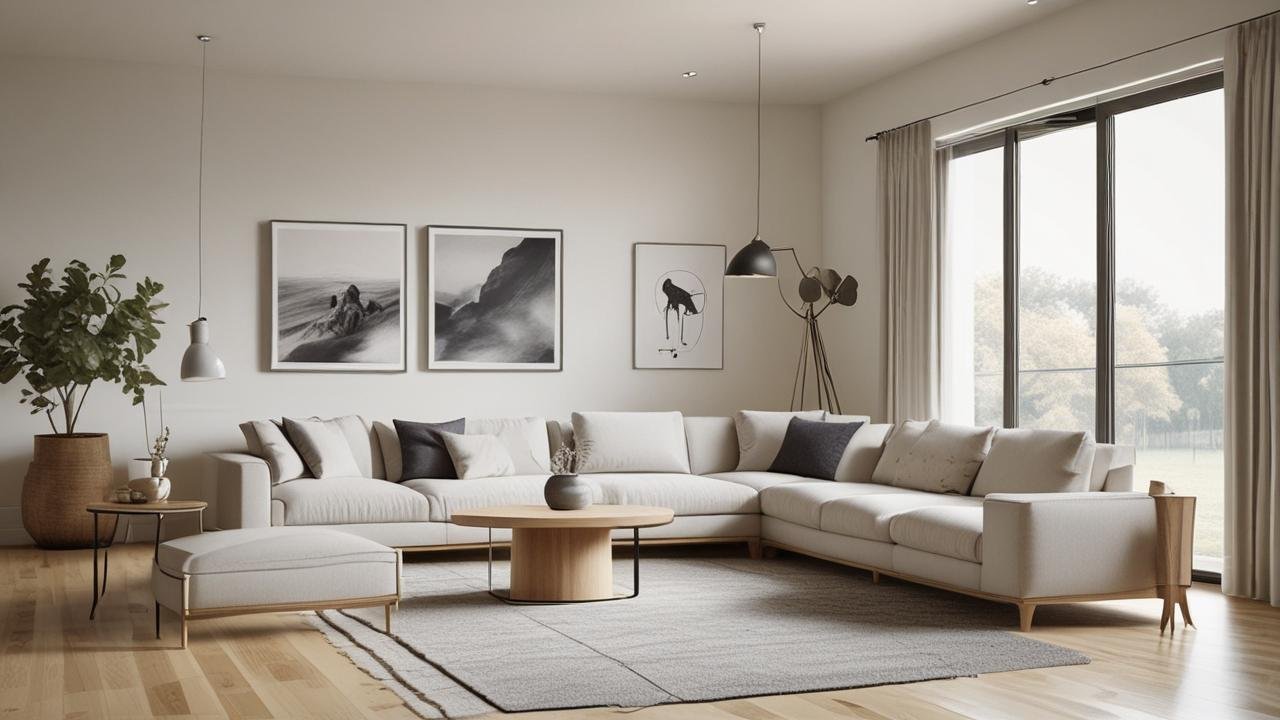
Knowing the standard rug sizes available can help you narrow down your choices quickly. These sizes are designed to fit most common room layouts and furniture arrangements. Understanding where these sizes typically work best will make your selection process much smoother.
We’ll look at some of the most popular options and how they can transform your living space.
The goal is to match a rug size to your measured space and furniture setup. Having a few go-to sizes in mind will save you time and effort. Let’s explore the most common dimensions and see which one might be the perfect fit for your home.
This section will provide practical examples of how these sizes function in real living rooms.
Small Rugs (2×3 to 4×6 feet)
Small rugs, typically between 2×3 and 4×6 feet, are great for smaller areas or to accent a specific spot. They are often used in entryways, smaller sitting areas, or to layer under larger rugs for added texture and color. In a living room, a small rug might be placed beside an armchair to create a cozy reading nook or in front of a fireplace.
They don’t typically anchor a whole seating area but rather add a decorative touch.
These smaller sizes are also good for defining a particular zone within a larger room without dominating the space. For example, a 4×6 rug could sit in front of a single chair and a small side table. It adds a bit of comfort and visual interest to that spot.
When considering a small rug, think about its purpose – is it for decoration, comfort underfoot, or to protect a high-traffic area?
When to Use Small Rugs:
- In front of a doorway to welcome guests.
- Beside a sofa or chair to create a defined spot for a drink or a small plant.
- As a layering piece on top of a larger, neutral rug.
- In a tight entryway or hallway.
These rugs are generally more budget-friendly and easier to move or clean. They offer a pop of personality without requiring a huge commitment. However, they are not usually the best choice for anchoring a large living room furniture arrangement, as they can make the space feel disjointed.
Medium Rugs (5×8 feet)
A 5×8 foot rug is a very common size that can work well in many living rooms. This size is often suitable for smaller apartments or for defining a smaller seating area within a larger room. It’s a good option when you want to fit your coffee table entirely on the rug, and at least the front legs of your sofa and chairs.
This creates a more connected feel for the furniture grouping.
When using a 5×8 rug, consider its placement carefully. Ideally, it should extend a bit beyond the coffee table and have the front legs of your seating furniture resting on it. This helps to ground the arrangement.
If your sofa is quite large, this size might feel a bit small, leaving the furniture floating around it.
Tips for Using a 5×8 Rug:
- Place it so the front legs of your sofa and chairs are on the rug.
- Ensure the coffee table fits completely on the rug.
- This size works best for smaller living rooms or seating areas.
It’s a versatile size that offers a good balance between defining a space and not overwhelming it. Many people find this to be a safe bet for their first rug purchase if they have a moderately sized room.
Large Rugs (8×10 feet)
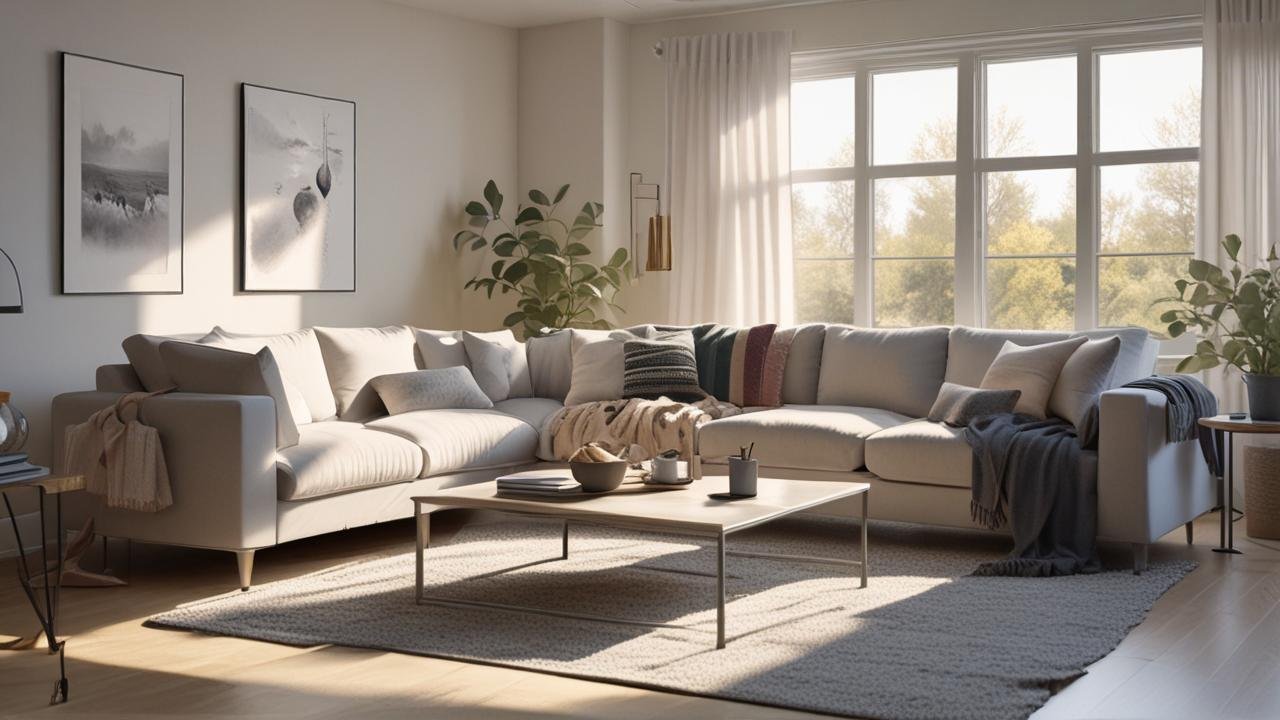
An 8×10 foot rug is a popular choice for medium to large living rooms. This size is excellent for anchoring a more extensive seating arrangement. With an 8×10 rug, you can comfortably have all four legs of your sofa and chairs on the rug, along with the coffee table.
This creates a very unified and grounded look, making the entire seating area feel cohesive.
This size is ideal for larger rooms where you want to clearly define the conversation area. It prevents the furniture from looking like it’s scattered around the room. An 8×10 rug can also help to make a larger room feel cozier and more intimate.
It provides a substantial visual foundation for your decor.
Benefits of an 8×10 Rug:
- Accommodates all furniture legs, creating a cohesive look.
- Works well for medium to large living rooms.
- Helps to define and anchor the main seating area.
- Adds warmth and visual weight to the room.
If your living room is on the smaller side, an 8×10 rug might be too big, making the space feel cramped. However, for most standard and larger living rooms, it’s a fantastic option for achieving a well-put-together look.
Extra-Large Rugs (9×12 feet and larger)
For spacious living rooms or open-plan layouts, an extra-large rug, such as a 9×12 foot or even larger, is often the best choice. These generous sizes are perfect for defining very large seating areas, ensuring that all furniture pieces have their place on the rug. They create a luxurious and expansive feel, making the room look grand and well-appointed.
An extra-large rug can truly transform a big room by making it feel more intimate and enclosed, preventing it from feeling cavernous. It can also accommodate larger furniture pieces or multiple seating zones within one space. The key is that the rug should not only fit all your furniture but also leave some visible floor space around the edges of the room.
This prevents the rug from looking like wall-to-wall carpeting.
Why Choose Extra-Large Rugs:
- Ideal for defining very large furniture groupings.
- Suitable for spacious living rooms and open-plan spaces.
- Creates a sense of luxury and completeness.
- Can accommodate multiple seating areas or larger furniture.
These large rugs are an investment but can dramatically impact the overall aesthetic and comfort of a large living area. They are essential for creating a balanced and harmonious design in bigger homes.
How to Place Furniture on Your Rug
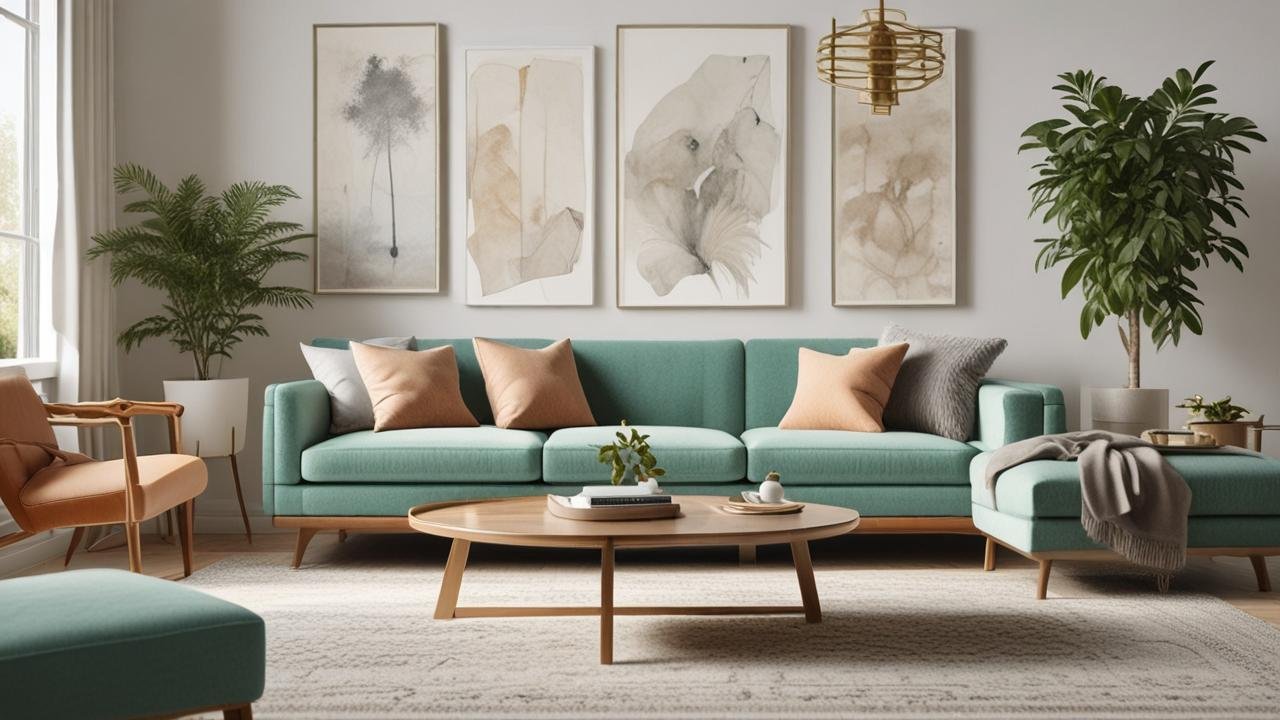
Once you have your rug, how you arrange your furniture on it is crucial. The placement of your sofa, chairs, and coffee table can make or break the look and feel of your living room. Getting this right will make your space feel more functional and visually appealing.
It’s about creating a unified and inviting conversation area.
Think of the rug as the foundation for your furniture arrangement. It helps to define the boundaries of your seating area. Proper placement ensures that the rug serves its purpose of grounding the space and bringing elements together.
Let’s look at a few common and effective ways to arrange furniture on different rug sizes.
All Furniture on the Rug
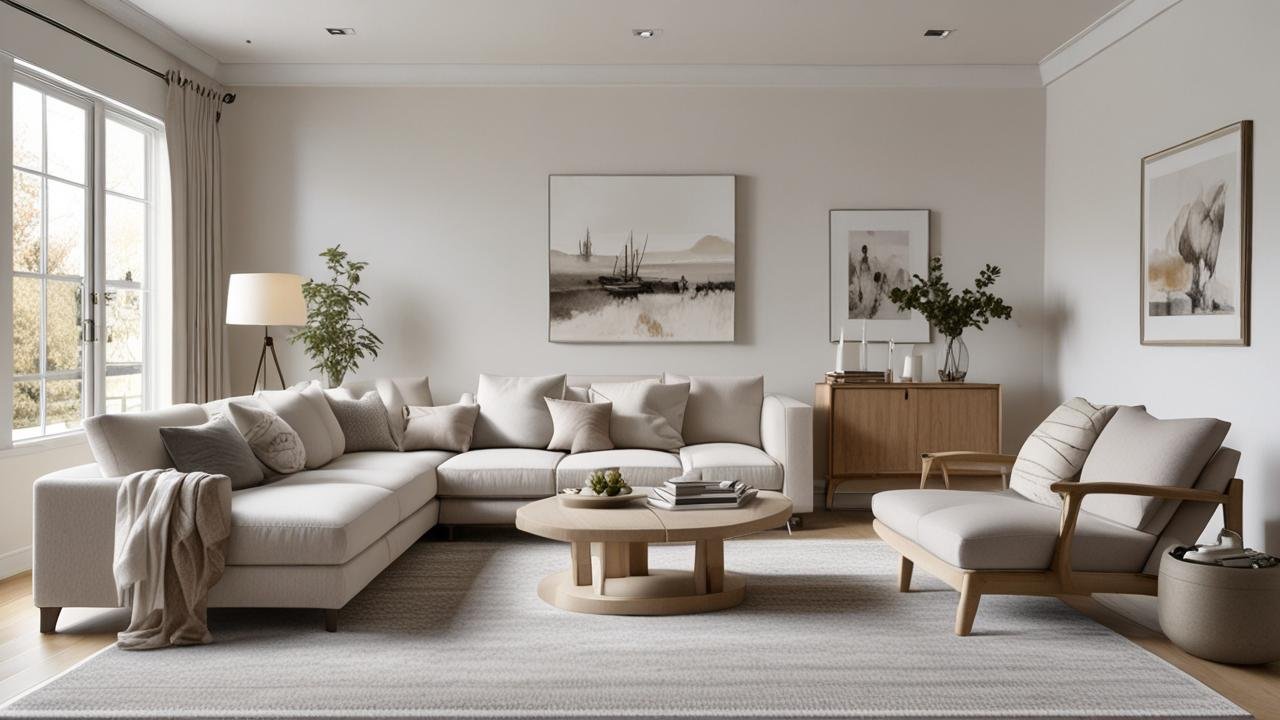
This is often the most sought-after look, especially in medium to large living rooms. When all your main furniture – the sofa, all chairs, and the coffee table – can fit completely on the rug, it creates a wonderfully cohesive and intentional feel. This arrangement signifies that the rug is the anchor of the room, holding the entire seating arrangement together.
For this to work, you generally need an 8×10 foot rug or larger. The key is that all furniture legs rest on the rug. This creates a sense of completeness and luxury.
It makes the seating area feel substantial and well-defined, preventing the furniture from looking like it’s floating in the room. It’s a sign of a well-planned space.
Example Scenario: Imagine a living room with a large sofa, two armchairs, and a coffee table. An 8×10 rug is chosen. The sofa is placed with all four legs on the rug, as are the two armchairs.
The coffee table sits squarely in the center, also on the rug. This setup makes the seating area feel like a cozy, dedicated zone.
Front Legs Only on the Rug
This is a very common and effective arrangement, especially for 5×8 foot rugs or when your furniture is a bit larger than the rug can fully accommodate. In this method, the front legs of your sofa and chairs rest on the rug, while the back legs do not. The coffee table should still ideally be fully on the rug.
This technique still provides a strong sense of connection between the furniture and the rug, making the seating area feel grounded. It visually ties the pieces together without needing an exceptionally large rug. It’s a practical solution that works well for many room sizes and furniture combinations.
Sample Scenario: A living room has a standard-sized sofa and two chairs. A 5×8 rug is placed in the seating area. The front legs of the sofa and each chair are positioned on the rug.
The coffee table sits in the middle of the rug. This creates a defined seating zone without requiring the entire piece of furniture to be on the rug.
Only the Coffee Table on the Rug
This placement is usually only recommended for very small rugs or in situations where the furniture is quite spread out. If you have a small rug, like a 2×3 or 3×5, it might only be able to accommodate the coffee table. In this case, the rug acts more as a decorative accent rather than a grounding element for the entire seating area.
While this can work, it often makes the seating area feel less cohesive. The furniture might appear disconnected from the rug. It’s generally better to have at least the front legs of your seating furniture on the rug if possible.
However, if a small rug is all that fits, ensuring the coffee table is centered on it can at least provide a focal point.
When to Use This Method:
- If you have a very small rug (e.g., 3×5 or smaller).
- If your furniture arrangement is unusually spread out.
- As a purely decorative element rather than a functional anchor.
It’s important to note that this approach typically results in a less grounded and unified living room design. It can make the seating area feel disjointed.
Considering Room Dimensions and Shape
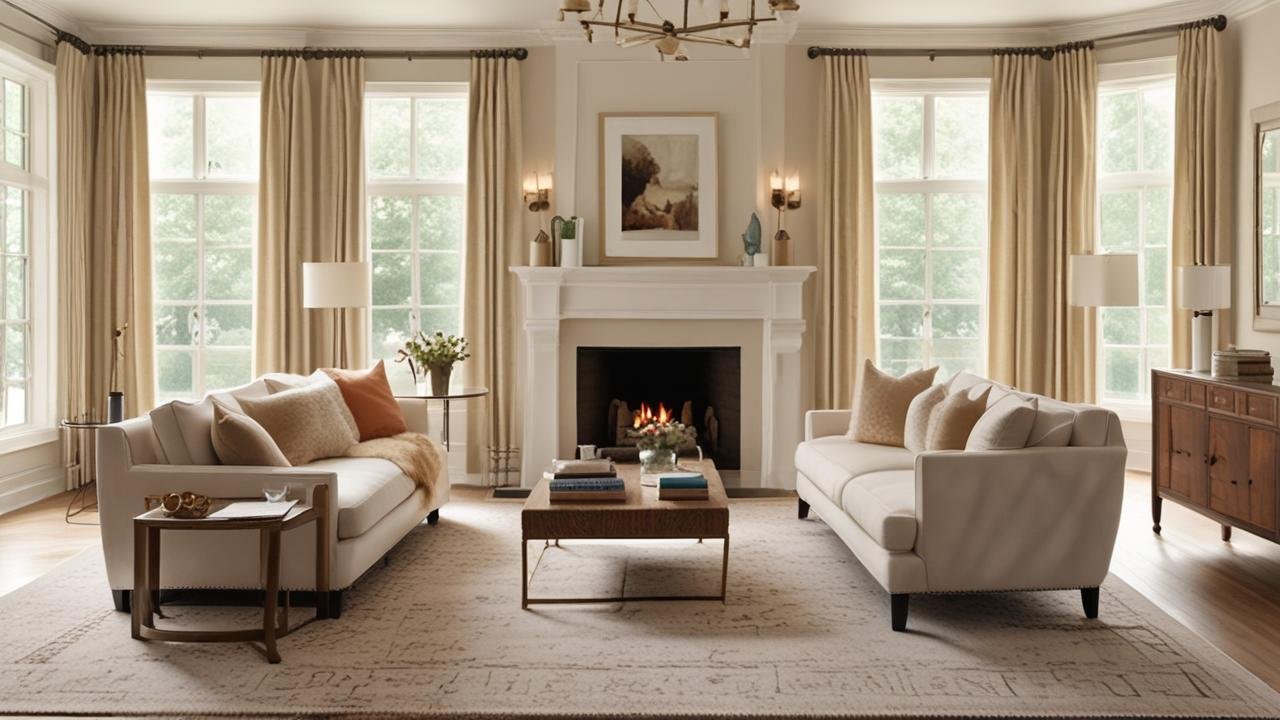
The size and shape of your living room play a huge role in determining the right rug size. A large, square room will require a different approach than a long, narrow room. Understanding these differences is key to making your space feel balanced and proportionate.
We’ll explore how room dimensions influence rug choice.
Don’t just think about the seating area; consider the room as a whole. How much space is there around the furniture? How does the rug relate to the walls, windows, and doors?
These factors will help you select a rug that enhances, rather than detracts from, your room’s overall design.
Standard Living Room Sizes
Most living rooms fall into general size categories. A small living room might be around 10×12 feet, a medium room could be 12×15 feet, and a large room could be 15×20 feet or more. For a small living room, a 5×8 or 6×9 foot rug is often appropriate.
For a medium-sized room, an 8×10 foot rug is usually a good fit. Large rooms benefit from 9×12 foot or even larger rugs.
When measuring, remember to account for the walkways around the main furniture grouping. You typically want at least 12-18 inches of floor space between the edge of the rug and the walls. This creates a sense of proportion and prevents the rug from looking too overwhelming or too small.
Rug Size Guide by Room Size (General):
| Living Room Size | Recommended Rug Size |
|---|---|
| Small (approx. 10×12 ft) | 5×8 ft or 6×9 ft |
| Medium (approx. 12×15 ft) | 8×10 ft |
| Large (approx. 15×20 ft) | 9×12 ft or larger |
These are general guidelines, and your specific furniture layout will also influence the best choice. Always measure your furniture arrangement first.
Long and Narrow Living Rooms
Long and narrow living rooms can be a bit tricky to furnish and rug. A standard square rug might not fit well. In these cases, a rectangular rug is often the best choice.
The goal is to visually balance the room’s proportions.
For a long, narrow living room, an 8×10 or 9×12 foot rug can work if it runs lengthwise down the room, essentially defining the main seating area. Ensure the rug is long enough to encompass your sofa and perhaps the coffee table. If the room is very long, you might even consider using two smaller, matching rugs to create distinct zones, like a seating area and a separate space for a desk or a reading chair.
A common mistake is to use a rug that is too narrow, which can emphasize the room’s length and make it feel like a hallway. Ideally, the rug should be wide enough to extend beyond the width of your sofa and chairs, or at least cover the front legs of all your main seating pieces. This helps to create a sense of width and balance.
Open-Plan Living Spaces
In open-plan homes, rugs are essential for defining different functional zones. A rug in the living area helps to separate it from the dining area or kitchen. For these spaces, it’s common to use larger rugs to clearly demarcate the living room seating arrangement.
An 8×10, 9×12, or even larger rug is often used to create a distinct “room within a room” feel. The rug should be large enough to contain all the primary furniture pieces of the living area. This visual cue tells people, “This is the living room space.”
When choosing a rug for an open-plan space, consider how it flows with the surrounding areas. The color and pattern can either complement or contrast with adjacent spaces. The key is to create a clear, comfortable, and inviting living zone that feels distinct yet connected to the rest of the home.
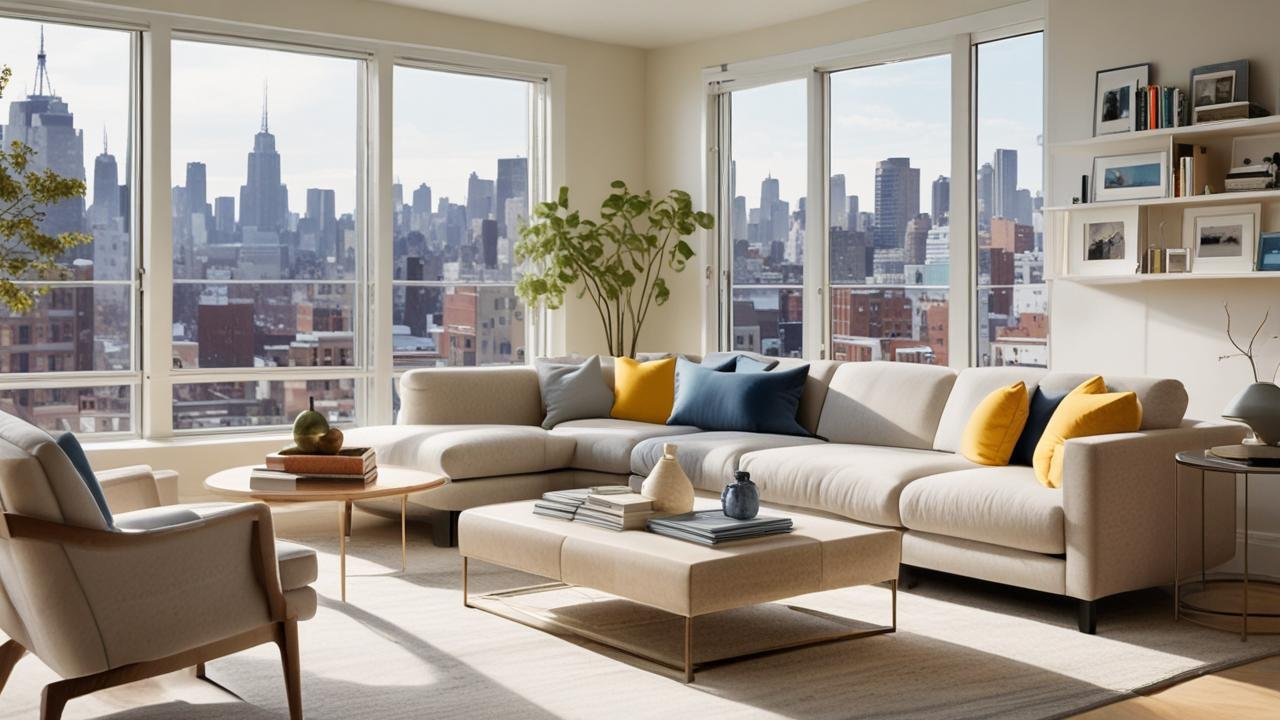
Tips for Visualizing and Choosing
Making the final decision can still feel like a leap of faith. Luckily, there are several practical strategies you can use to visualize how different rug sizes will look and feel in your living room before you buy. These methods help you avoid costly mistakes and ensure you end up with a rug you love.
Don’t be afraid to experiment. Visualizing the rug in your space is one of the most effective ways to ensure a good fit. We’ll go over some simple techniques to help you picture the perfect rug for your home.
The Painter’s Tape Method
As mentioned earlier, the painter’s tape method is incredibly useful. Get a roll of painter’s tape (it’s easy to remove and won’t damage your floors). Measure the dimensions of the rug size you are considering, and then use the tape to outline that shape directly on your living room floor.
Walk around the taped area. Sit on your sofa and chairs. Imagine your coffee table in the middle.
Does it feel too big? Too small? Does it leave enough space to walk around comfortably?
This gives you a true, real-life sense of scale that photos or online tools can’t always provide. This is a crucial step in accurately assessing How to Pick the Right Rug Size for a Living Room.
Using Online Room Planners and Apps
Many home decor websites and apps offer tools that allow you to upload a picture of your room or use a generic room template. You can then virtually place different rug sizes and styles into the space. While not as precise as measuring tape, these tools can give you a good general idea of how a rug size might fit.
Look for tools that let you adjust rug dimensions. This can help you compare different standard sizes and see how they relate to your furniture. Some apps even allow you to see how the rug would look in 3D.
These digital aids are a great starting point for exploring options.
Considering Rug Proportion to Furniture
The rug’s size should be in proportion to your furniture. If you have a very large sofa and ample seating, you’ll need a correspondingly large rug to balance it out. A tiny rug with a huge sectional will look awkward.
Conversely, a massive rug in a small room can make the space feel cramped. The rug should frame your seating area. If all furniture legs are on the rug, there should typically be about 6-12 inches of rug visible on each side of the furniture grouping.
If only the front legs are on the rug, the rug should extend a good amount in front of the sofa and chairs.
Leaving Floor Space Around the Edges
It’s a common guideline in interior design to leave some floor space visible around the perimeter of the rug, especially in larger rooms. This means the rug shouldn’t extend all the way to the walls. A general rule of thumb is to leave 12 to 18 inches of bare floor between the rug’s edge and the walls.
This space prevents the rug from looking like wall-to-wall carpeting and helps to define the seating area more clearly. It allows the rug to act as a feature within the room, rather than just filling it up. In smaller rooms, you might have slightly less space, perhaps 6-8 inches, but some visible floor is still desirable.
📌 Check our Pinterest Profile for more inspiration
View on PinterestConclusion
Choosing the right rug size for your living room is all about balancing your furniture, your room’s dimensions, and your personal style. By measuring carefully and understanding the common rug sizes and placement options, you can easily create a cozy and inviting space. Trust your measurements and the visual tests, and you’ll find the perfect rug that ties your room together.