Picking out the right wall shelves for a tiny apartment can feel tricky. You want them to look good, hold your stuff, and not make the place feel even smaller. It’s a common puzzle for folks just starting out with decorating.
Don’t worry, though! We’ve got a super simple plan to help you figure it all out. We’ll go through it step-by-step, so you can pick shelves you’ll love.
Get ready to see how easy it can be to get more space and style!
Key Takeaways
- You’ll learn what to think about before buying shelves.
- We’ll show you different types of shelves and what they’re good for.
- You’ll discover how to measure your space so shelves fit perfectly.
- We’ll talk about how to match shelves to your apartment’s look.
- You’ll find out how to put shelves up safely.
- This guide makes choosing shelves simple and fun.
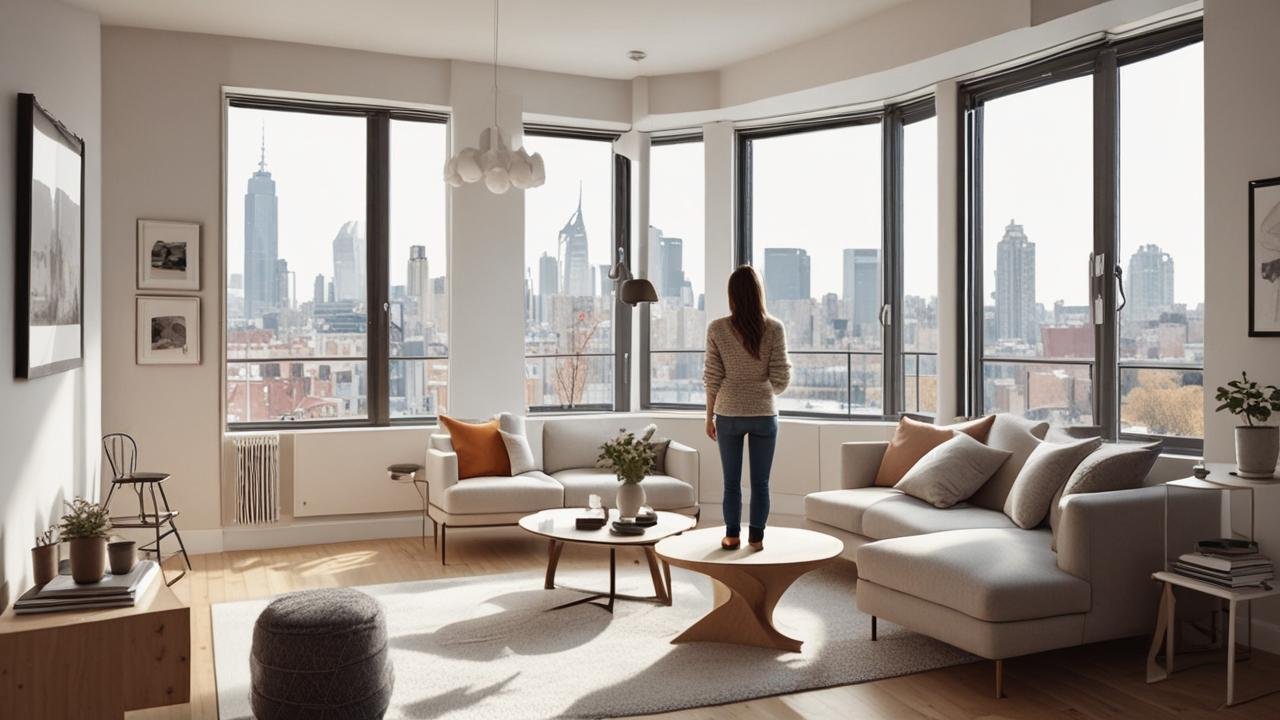
Understanding Your Space and Needs
When you’re dealing with a small apartment, every bit of space counts. That’s why figuring out exactly what you need shelves for is the very first step. Are you trying to clear clutter off your tables?
Do you want to display photos or books? Knowing your main goal helps you pick shelves that do the job best. Think about what you’ll be storing.
Heavy books need stronger shelves than small decorative items. Also, consider how much space you actually have on your walls. Measuring is super important before you even start looking.
Making the most of wall space is key in a small apartment. Shelves can add storage without taking up floor space, which is a big win. They can also make your apartment feel more organized and stylish.
Imagine having a neat place for your keys and mail right by the door, or a cozy spot for your favorite reads next to your sofa. It all starts with thinking about what you want your shelves to do for you.
What Will You Store?
The items you plan to put on your shelves will guide your choices. If you have a lot of books, you’ll need sturdy shelves that can handle a good amount of weight. Floating shelves might look nice, but they might not be strong enough for a full bookshelf’s worth of novels.
For lighter items like picture frames, small plants, or decorative pieces, you have more flexibility.
Consider the size and shape of the items, too. Tall items might need deeper shelves. Things that are long might need longer shelves.
If you’re storing electronics like a game console or a small TV, you’ll need shelves that are deep and wide enough, and you’ll also need to think about cable management. Getting this right means your shelves will work for your lifestyle.
- Books: Require strong, deep shelves, possibly mounted to wall studs for maximum support.
- Decorations: Offer more options, including lighter materials and shallower depths.
- Electronics: Need ample depth and width, plus a plan for cords.
- Kitchen items: Should be easy to clean and able to hold the weight of cookware or dishes.
For instance, a small kitchen might need shelves to hold spices and small appliances. These shelves should be easy to wipe down and strong enough for ceramic spice jars. A living area might use shelves for displaying art and photos.
These could be lighter and more decorative.
How Much Space Do You Have?
Before you buy anything, grab a tape measure. You need to know the exact dimensions of the wall space you want to use. Measure the width and height available.
Also, think about how far out from the wall the shelves can extend without getting in the way of doors, windows, or walkways. You don’t want shelves that stick out too much and make it hard to move around.
Measure the space between windows or other furniture. This helps you avoid awkward placement. Consider the height of your ceilings, too.
Taller shelves can add a lot of storage, but they might also make a small room feel smaller if they’re too bulky. Measuring accurately prevents buying shelves that are too big or too small for the spot.
A common mistake is buying shelves that look great online but don’t fit the intended wall. For example, you might have a perfect spot above your sofa, but it’s only 30 inches wide. If you buy 36-inch shelves, they simply won’t work.
Always measure twice, buy once!
What’s Your Style?
Your shelves should fit the overall look and feel of your apartment. Think about the colors, materials, and furniture you already have. Do you have a modern, minimalist place?
Or is it more cozy and rustic? Matching your shelves to your existing decor makes your apartment look more put-together and intentional.
Consider the material of your shelves. Wood shelves can add warmth, while metal shelves might give a more industrial or modern vibe. Glass shelves can make a space feel more open.
The color is also important. Light colors can make a space feel bigger, while dark colors can add a dramatic touch.
For example, if your apartment has white walls and light-colored furniture, simple white or light wood shelves would blend in nicely. If you have darker furniture, black or a darker wood could create a striking contrast. Think about the overall mood you want to create in each room.
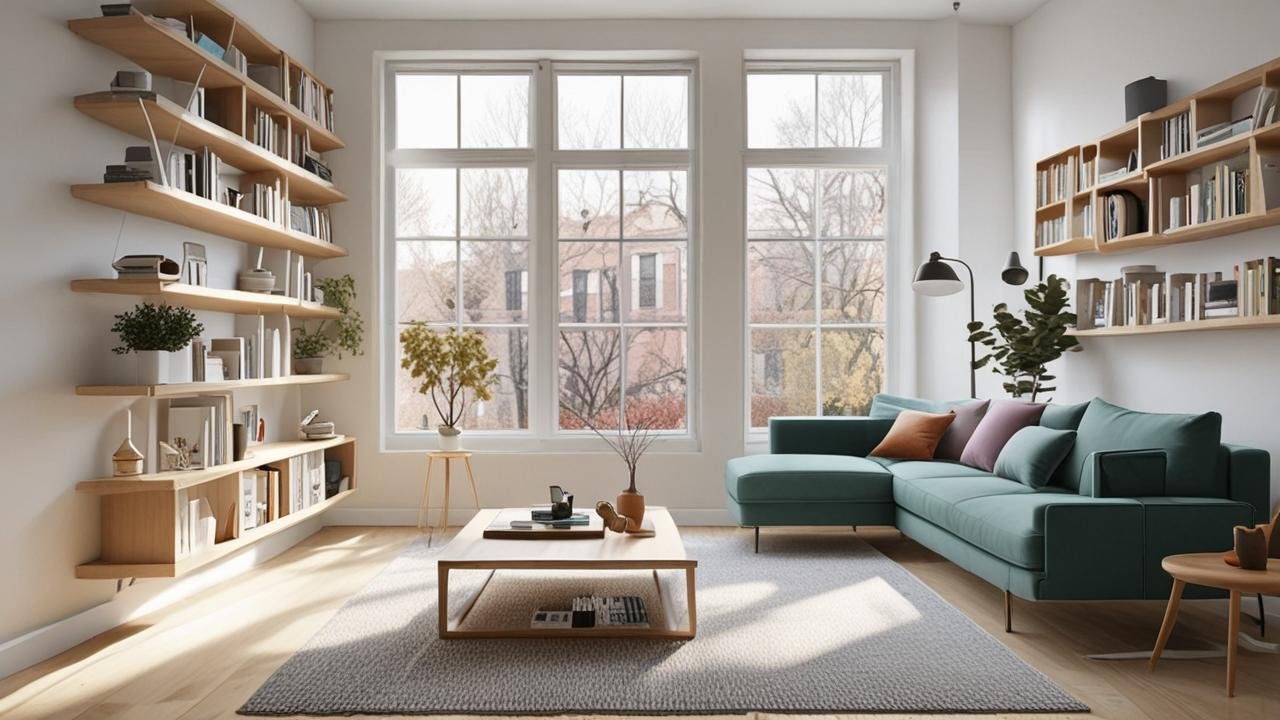
Types of Wall Shelves and Their Uses
There are many kinds of wall shelves, each with its own look and purpose. Understanding these differences will help you choose the best ones for your small apartment. Some are great for holding lots of items, while others are more about decoration.
Knowing the options means you can find shelves that are both useful and stylish.
The right shelf can transform a blank wall into a functional and attractive part of your home. It’s not just about storage; it’s about enhancing the feel of your space. Let’s explore the popular types and see how they can work for you.
Floating Shelves
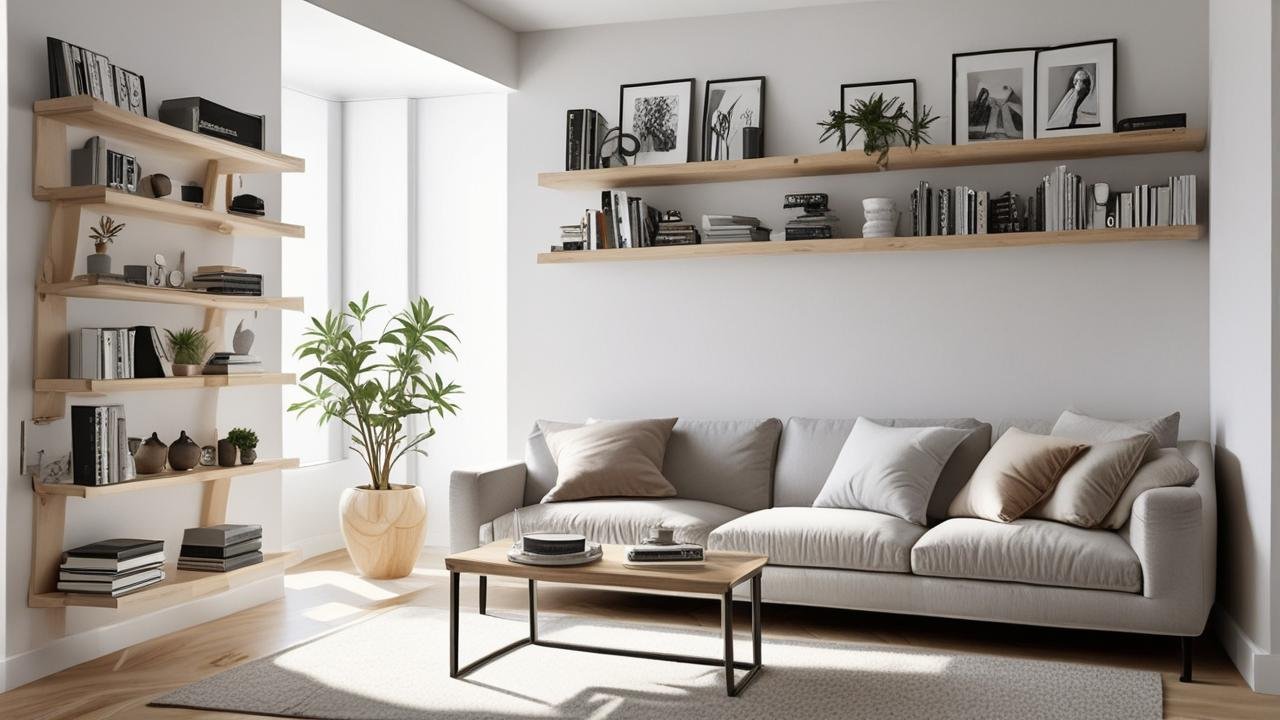
Floating shelves are a popular choice for small spaces because they have a clean, minimalist look. They appear to float on the wall with no visible supports. This gives a sense of openness and can make a room feel less cluttered.
They are great for displaying decorative items, books, or even small plants.
The way floating shelves are installed is key to their look. They typically have a hidden bracket system that attaches to the wall. The shelf then slides onto this bracket.
This mounting method requires careful installation to ensure they are secure and can hold the intended weight. For heavier items, it’s crucial to mount them into wall studs.
- Pros: Sleek, modern look; creates an illusion of more space; good for displaying items.
- Cons: Limited weight capacity compared to other types; installation can be trickier; may require specialized hardware for heavier loads.
Consider a set of thin, white floating shelves above a desk to hold small office supplies and a few decorative items. This keeps the desk surface clear and adds a touch of style without overwhelming the space. They are excellent for small apartments because their simple design doesn’t add visual bulk.
Bracket Shelves
Bracket shelves are the most traditional type. They use visible brackets to support the shelf. These brackets come in many styles, from simple metal L-brackets to more decorative, ornate designs.
This variety means you can choose brackets that match your apartment’s decor.
Bracket shelves are generally very sturdy and can hold more weight than floating shelves. This makes them a good choice for storing heavier items like textbooks, kitchenware, or even small appliances. The visible brackets can also add an aesthetic element to your wall.
You can find brackets in metal, wood, or even painted finishes.
- Pros: Very strong and durable; can support significant weight; wide range of decorative bracket styles available.
- Cons: Brackets are visible, which might not suit a minimalist style; can look bulkier than floating shelves.
For a small apartment kitchen, consider installing sturdy wooden shelves with black metal brackets above the counter. These can hold dishes, glasses, and jars, effectively doubling your kitchen storage without taking up floor space. The black brackets can add a modern industrial touch.
Corner Shelves
Corner shelves are designed to fit into the corner of a room. They are L-shaped and often come in sets that stack on top of each other. This is a fantastic way to use often-wasted space.
In a small apartment, every corner can be a valuable storage area.
Corner shelves can be floating or have visible brackets. They are great for displaying plants, books, or other small items. Because they fit snugly into a corner, they don’t protrude into the room as much, which can be a major advantage in tight spaces.
They can help make a room feel more organized and less cluttered.
- Pros: Utilizes often-unused corner space; helps keep rooms tidy; can be very space-saving.
- Cons: Limited by the corner shape; might not fit as many items as a long straight shelf.
Imagine placing a tall corner shelf unit in a living room corner. You could put books on the lower shelves and decorative items or small plants on the upper ones. This adds functionality without making the room feel smaller.
It’s a smart way to add storage in areas that are often overlooked.
Wall-Mounted Bookcases and Units
These are larger storage solutions that attach directly to the wall. They can range from narrow, tall units to wider, multi-shelf systems. They offer substantial storage for books, collectibles, or even to house entertainment systems.
They are a great way to maximize vertical space.
Wall-mounted bookcases can often be secured to the wall to prevent tipping, which is important for safety, especially in homes with children or pets. They can serve as a primary storage area for a room. Because they are mounted, they don’t take up floor space like traditional bookcases, making them ideal for smaller apartments.
- Pros: High storage capacity; maximizes vertical space; can be very secure when properly mounted.
- Cons: Can be bulky and visually dominant; installation may require more effort and tools.
In a small apartment’s living room, a slim, wall-mounted bookcase can hold a significant number of books and decorative items. Choosing a unit with doors on the lower half can hide less attractive items, keeping the overall look tidy. This type of unit can act as a focal point while providing much-needed storage.
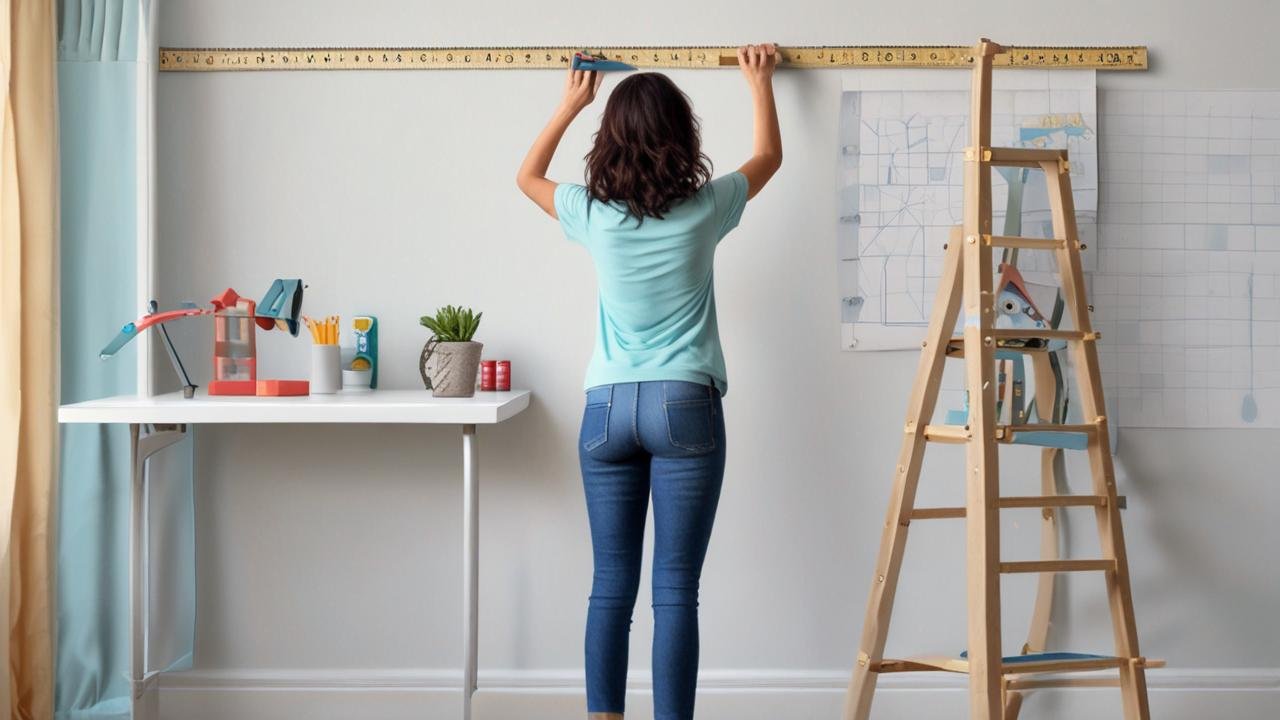
How to Measure and Plan Your Shelf Installation
Proper measurement and planning are crucial steps for successfully choosing and installing wall shelves, especially in a small apartment where space is at a premium. Taking the time to measure accurately will prevent costly mistakes and ensure your shelves fit perfectly and serve their intended purpose without creating new problems.
This phase involves not just measuring the wall space but also considering how the shelves will fit with existing furniture, doors, and windows. It’s about finding the sweet spot where functionality meets aesthetics. Careful planning ensures your new shelves enhance your living space rather than hinder it.
Measure Your Wall Space Accurately
Before you look at any shelves, you need to know exactly how much space you have. Grab a tape measure and measure the width and height of the wall area where you plan to put the shelves. Don’t forget to measure the depth you can afford for the shelves to come out from the wall.
You don’t want shelves that stick out too far and block a walkway or hit you when you walk by.
Also, check for any obstructions like light switches, electrical outlets, vents, or window frames. You’ll need to place your shelves around these. If you’re thinking of a series of shelves, measure the distance between them to ensure they are evenly spaced and visually appealing.
Even an inch can make a difference in a small room.
For example, if you want to put a shelf above your bed, measure the width of the wall space above the headboard. If the wall is 60 inches wide and your headboard is 55 inches, you might aim for a shelf that’s around 50-52 inches wide to give a little breathing room on each side. Always note down these measurements clearly.
Locate Wall Studs
This is one of the most important steps for safe installation. Wall studs are the vertical wooden beams inside your walls that provide support. Most shelves, especially heavier ones, should be attached to studs to ensure they can hold weight safely and won’t pull away from the wall.
You can find studs using a stud finder, a small electronic device that beeps when it detects wood behind the drywall.
If you can’t find a stud finder, you can sometimes tap on the wall. Studs usually sound more solid than the space between them. Another method is to look for electrical outlets or light switches; these are often attached to studs.
Mark the location of each stud you find on the wall where you plan to install the shelves. This will be where you drive your screws.
A common scenario is wanting to hang a heavy set of floating shelves to hold a collection of books. If you only attach them to drywall without hitting studs, they could eventually sag or even fall off the wall, potentially damaging your books and your wall. Always aim to secure your shelves to at least one, preferably two, wall studs for maximum safety and stability.
Consider Shelf Placement and Height
The height at which you hang your shelves can significantly impact the feel of a small room. Hanging shelves too low can make the room feel crowded and reduce usable space below them. Hanging them too high can make the ceiling feel lower and can be difficult to reach.
A good general rule is to hang shelves at eye level or slightly above. For living areas, this might be around 5 to 5.5 feet from the floor. In kitchens, shelves above counter height are common.
Think about how you will use the space below the shelves. If it’s a walkway, you’ll want them higher. If it’s an area where you’ll be sitting, you might want them a bit lower.
For example, in a small entryway, you might want a narrow shelf above the door frame to hold decorative items. This utilizes vertical space without interfering with the main function of the entryway. Conversely, in a living room, shelves placed at eye level can create a natural focal point for artwork or photos.
Plan for Accessibility and Usage
Think about how easily you can access the items on your shelves. If you’re storing frequently used items, you’ll want them to be within easy reach. For items you don’t use often, they can be placed higher up.
This is especially important in small apartments where every storage spot is valuable.
Consider the overall flow of the room. Shelves shouldn’t obstruct doorways, windows, or the paths you use to move around. If you’re placing shelves above a desk or sofa, make sure there’s enough clearance to comfortably sit or work.
The goal is to add functionality without making the space feel cramped or awkward.
Imagine installing shelves in a child’s room. Items the child uses regularly, like toys or books, should be placed on lower shelves. Less frequently used items or decorative pieces could go on higher shelves, out of reach.
This thoughtful placement makes the room more practical for everyone.
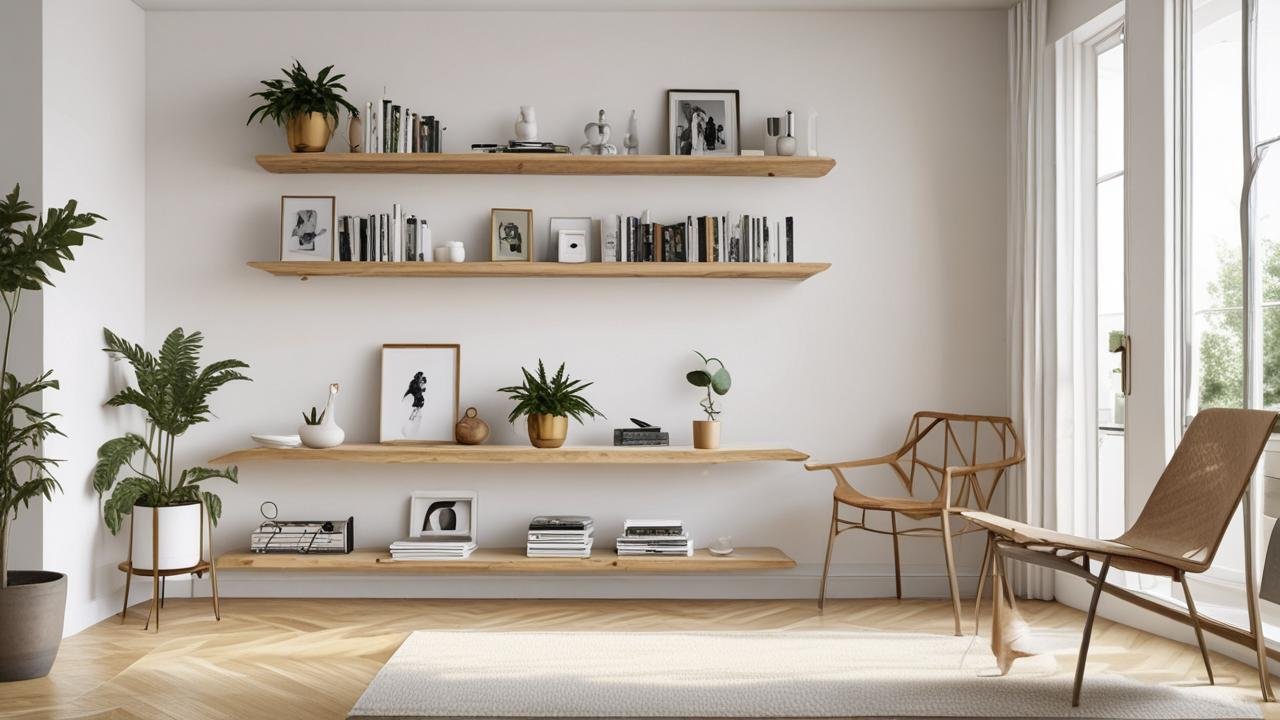
Decorating with Wall Shelves in Small Spaces
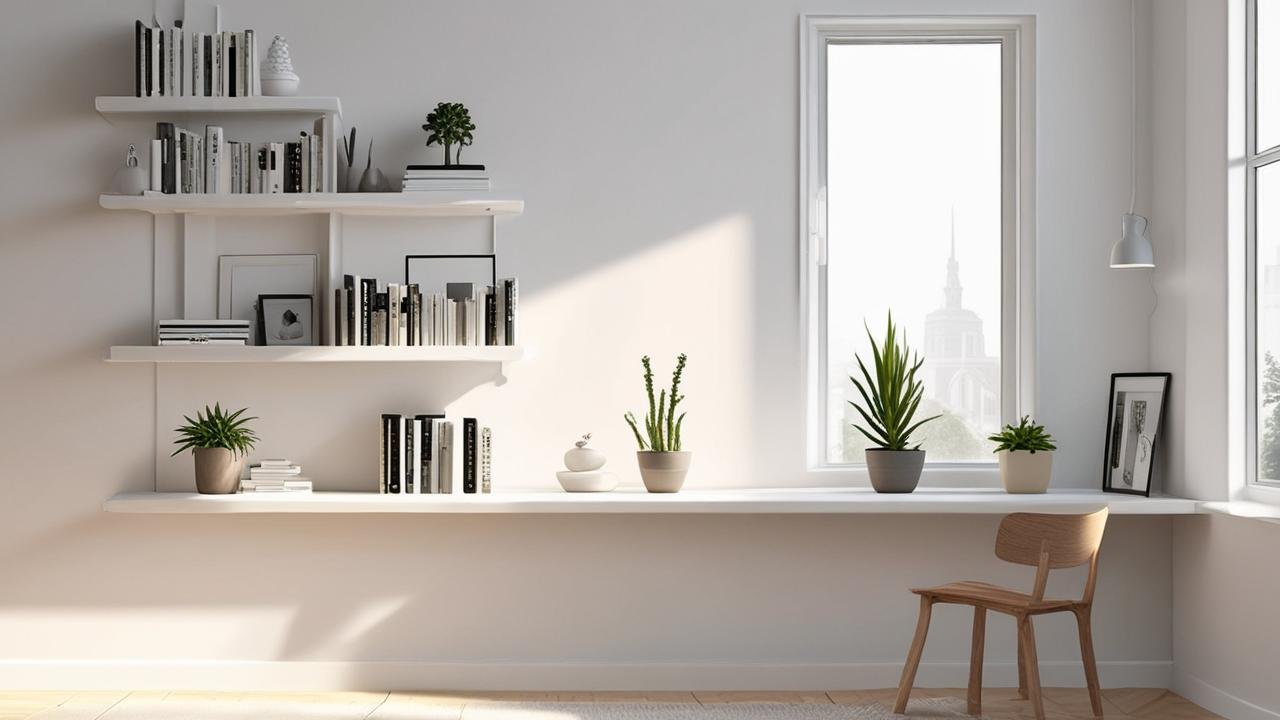
Wall shelves are more than just storage; they’re a fantastic way to add personality and style to a small apartment. They can break up large, blank walls and create visual interest. In a compact living space, shelves can help you display your favorite items without cluttering your surfaces.
It’s all about arranging them thoughtfully to make your apartment feel larger and more inviting.
The way you style your shelves can completely change the look of a room. By carefully selecting what you display, you can create a look that is both functional and beautiful. Let’s explore some ideas for making your shelves a stylish part of your home.
Create a Gallery Wall
Instead of one large shelf, consider a series of smaller shelves or floating shelves arranged together. You can use these to create a “gallery wall” effect. This allows you to display a mix of items like framed photos, small art pieces, plants, and decorative objects.
To make a gallery wall look cohesive, try to stick to a consistent color scheme or style for the items you display. For instance, you could use all black and white photos, or all natural wood frames. This uniformity helps prevent the wall from looking too busy, which is important in a small space.
A great example is a living room wall above a couch. Arrange three evenly spaced floating shelves. On one, place a framed print.
On another, a small potted plant and a stack of art books. On the third, a few personal photos in matching frames. This creates a curated and personal look that feels intentional.
Use Shelves for Functional Decor
Shelves don’t always have to hold random items. You can use them to store things you need while also making them look good. In a kitchen, for example, nice ceramic jars for flour and sugar can sit on an open shelf.
In a bathroom, rolled-up towels or decorative soap dispensers can be displayed.
The key is to choose items that are both practical and attractive. Think about items that have interesting shapes or colors. Even everyday objects can look like decor when they are neatly arranged.
This approach makes your shelves work twice as hard for your small apartment.
Consider a hallway shelf for keys and mail. Instead of a messy pile, use a decorative tray for keys and a small, stylish holder for mail. Add a small vase with a single stem or a framed quote.
This turns a utilitarian spot into a welcoming feature. It shows how functional items can be decorative.
Maximize Vertical Space
In a small apartment, using the full height of your walls is a smart strategy. Tall, narrow shelves or a stack of shelves can draw the eye upward, making the room feel larger. This is especially effective in corners or along longer walls.
Don’t be afraid to use shelves that go almost to the ceiling. They can hold items you don’t access often, like seasonal decorations or extra linens. This frees up space in more accessible areas for things you use daily.
It’s a great way to get a lot of storage without taking up much floor space.
A fantastic idea for a small bedroom is a tall, narrow wall-mounted shelving unit. Place your books and decorative items on the lower and middle shelves. Use the top shelves for storage bins that hold out-of-season clothes or extra blankets.
This provides ample storage while maintaining a slender profile.
Mix and Match Shelf Styles
Don’t feel like all your shelves have to be identical. You can mix different types and styles to create a dynamic and interesting look. For instance, you might have a few floating shelves for displaying art mixed with a bracket shelf for heavier items like plants or books.
The key to mixing styles is to find some common thread that ties them together. This could be a similar color, material, or a shared aesthetic. For example, if you use all wood shelves, you can mix floating wood shelves with bracketed wood shelves and it will still look harmonious.
Imagine a living area where you have a set of simple white floating shelves above a console table. To one side, on a different wall, you might install a more rustic, reclaimed wood bracket shelf to hold a collection of vintage pottery. The contrast can be visually appealing if done with intention and a sense of balance.
Safety and Maintenance of Your Wall Shelves
Ensuring your wall shelves are installed safely is paramount, especially in a small apartment where space is tight and people move around more frequently. Proper installation prevents accidents and ensures your shelves can reliably hold your belongings. Beyond just putting them up, regular maintenance keeps them looking good and functioning well.
Taking these steps seriously means your shelves will be a long-lasting and safe addition to your home. It’s about peace of mind and making sure your shelves can do their job without any worry.
Secure Installation for Weight Bearing
As mentioned earlier, attaching shelves to wall studs is the most secure method. If you cannot hit studs for all mounting points, you must use appropriate drywall anchors. There are various types, such as toggle bolts or screw-in anchors, designed for different weight loads.
Always choose anchors rated for more weight than you intend to put on the shelf.
Read the manufacturer’s instructions carefully for both the shelves and any anchors you use. Incorrect installation is the leading cause of shelf failure. If you’re unsure about your ability to install shelves safely, it’s best to hire a handyman.
The cost of professional installation is small compared to the potential damage or injury from a falling shelf.
A common mistake is using the small plastic anchors that sometimes come with basic shelves. These are often only suitable for very light items. For anything more substantial, like a collection of heavy books or ceramic items, you really need to invest in heavy-duty anchors or, ideally, mount directly into studs.
Regular Cleaning and Dusting
Shelves, like all surfaces in your home, will gather dust. Regular cleaning will keep them looking their best and prevent dust from accumulating on your displayed items. For most shelves, a soft, dry cloth is sufficient for dusting.
If there’s more stubborn grime, a slightly damp cloth can be used, followed by drying.
The material of your shelves will influence how you clean them. Wooden shelves might benefit from a wood polish now and then to maintain their finish. Glass shelves can be cleaned with a glass cleaner.
Metal shelves can usually be wiped down with a damp cloth. Always avoid harsh chemicals that could damage the surface.
Imagine your shelves are covered in a layer of dust. It makes your displayed items look dull and can even be a trigger for allergies. A quick dusting session once a week or every two weeks can make a big difference in the overall cleanliness and appearance of your apartment.
Checking for Wear and Tear
Periodically, inspect your shelves and their mounting hardware. Look for any signs of loosening, cracking, or damage. If you notice a screw is backing out, tighten it.
If a shelf is showing signs of sagging, it might be overloaded or the mounting is failing. In such cases, remove the items and re-evaluate the installation or the weight capacity.
This is particularly important for shelves holding heavier items. Over time, the constant weight can put stress on the mounting points. Catching problems early can prevent a shelf from failing catastrophically.
It’s a simple step that adds to the longevity and safety of your shelves.
For instance, if you notice that a bracketed shelf is starting to bend downwards in the middle, it’s a clear sign it’s carrying too much weight or the bracket itself is not strong enough. It’s time to redistribute the items or
Frequently Asked Questions
Question: What’s the best type of shelf for a small living room?
Answer: Floating shelves are often a great choice for small living rooms because they offer a clean, modern look and don’t add visual bulk. They are good for displaying decorative items and books without making the room feel crowded. However, if you need to store heavier items, sturdy bracket shelves might be better.
Question: How high should I hang shelves in a small apartment?
Answer: Generally, shelves at eye level (around 5 to 5.5 feet from the floor) work well in living areas. For kitchens, above counter height is common. Consider how you’ll use the space below and make sure the shelves are easily accessible for what you plan to store on them.
Question: Can I put shelves up if I can’t find wall studs?
Answer: Yes, but you must use appropriate heavy-duty drywall anchors that are rated for the weight you intend to put on the shelf. Always choose anchors that are stronger than you think you’ll need. However, mounting directly into studs is always the most secure option.
Question: How much weight can a floating shelf hold?
Answer: The weight capacity of floating shelves varies greatly by design and how they are mounted. Many standard floating shelves can hold 10-20 pounds, but some heavy-duty versions, when properly installed into studs, can hold much more. Always check the manufacturer’s specifications.
Question: Should shelves match my furniture exactly?
Answer: Not necessarily. While matching can create a cohesive look, it’s often more effective to choose shelves that complement your furniture and decor. You might choose a contrasting color or material for visual interest.
The goal is for the shelves to look like a planned part of the room’s design.
📌 Check our Pinterest Profile for more inspiration
View on PinterestWrap Up
Choosing wall shelves for your small apartment is now simpler. You know to measure carefully, pick shelves that fit your style and needs, and install them safely. Focus on how they look and how they work for you.
You can add useful storage and make your space feel more like home. Happy shelving!